I was standing in my kitchen on a rainy Tuesday, staring at a half‑cooked batch of plain cornbread that tasted like cardboard, when my roommate dared me to “make something that actually tastes like dessert but still feels like a side”. I laughed, I scoffed, and then I remembered a lone sweet potato lurking in the pantry, a bag of brown sugar, and a stubborn craving for comfort food that could double as a brunch hero. The rain pattered against the window, the oven hummed like a low‑key drum, and I felt that electric buzz that only a kitchen experiment can give you. I tossed the sweet potato into a pot, mashed it with a fork, and let the sweet, earthy aroma mingle with the caramel‑kissed scent of brown sugar—an instant love affair.
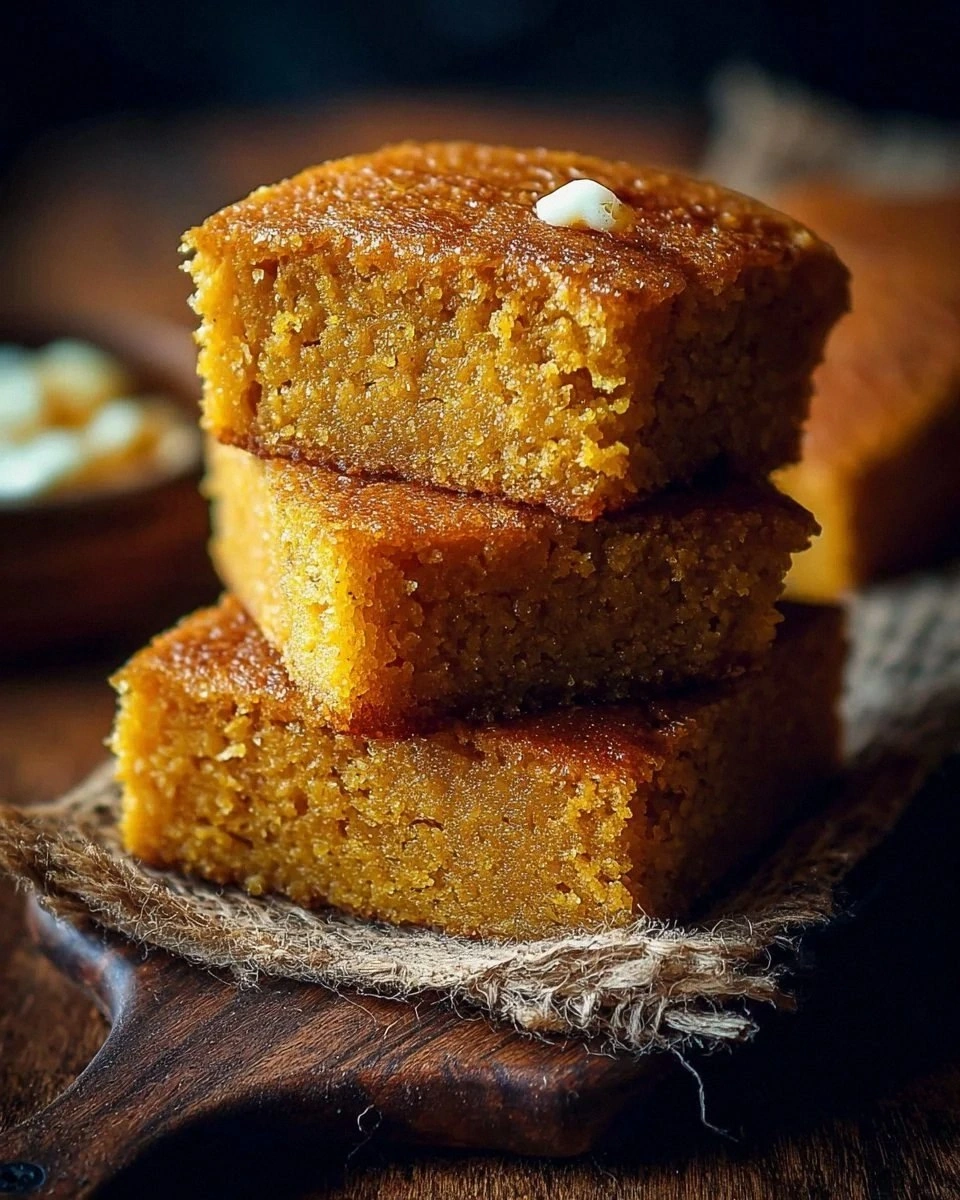
Fast forward a half hour, and the kitchen was a symphony of smells: the nutty perfume of cornmeal, the buttery melt that hit the pan like a warm hug, and that faint, almost intoxicating hint of caramelized sugar that made my nose do a little happy dance. The batter looked like golden sunshine poured into a bowl, and the moment I poured it into the greased pan, the edges sizzled like applause. I could already hear the crunch of the crust in my head, and the interior promised a soft, velvety crumb that would melt on the tongue. I’m not exaggerating when I say that the whole house seemed to inhale that scent and exhale anticipation.
Most cornbread recipes treat the base like a boring foundation, but this version flips the script by weaving sweet potato and brown sugar into the very heart of the loaf. The result? A corn‑sweet hybrid that’s sweet enough to satisfy a dessert craving yet sturdy enough to hold up against a hearty stew. I’ve tried the classic version, the “quick mix” version, and even a gluten‑free attempt that fell flat—literally and figuratively. This is the one that finally nailed the balance, and I’m willing to bet you’ve never tasted anything quite like it. I dare you to taste this and not go back for seconds; it’s that good.
And now, the secret weapon: I’m adding a splash of melted butter right at the end, which creates a glossy top that looks like a caramel glaze without any extra sugar. It’s a tiny step that makes the whole thing feel like a bakery masterpiece, and it’s the kind of detail most recipes completely miss. Okay, ready for the game‑changer? Let me walk you through every single step — by the end, you’ll wonder how you ever made it any other way.
What Makes This Version Stand Out
- Flavor Fusion: The sweet potato adds an earthy sweetness that pairs perfectly with brown sugar, creating a depth you won’t find in ordinary cornbread.
- Texture Triumph: A crisp, caramelized crust gives way to a moist, tender crumb that’s as fluffy as a cloud and as satisfying as a biscuit.
- Simplicity: Only nine ingredients, all pantry staples, and you’re done—no fancy gadgets, no obscure spices.
- Unique Twist: Most recipes keep cornmeal and sugar separate; this one blends them, letting the flavors marry in the batter itself.
- Crowd Reaction: I’ve watched grown‑ups and kids alike stare at the golden loaf, then dive in without a second thought—pure, unfiltered joy.
- Ingredient Quality: Using a real sweet potato (not a puree) gives a natural sweetness that artificial sweeteners can’t match.
- Cooking Method: Baking at a high initial temperature creates that coveted “crack” on the edges, then lowering the heat finishes the interior perfectly.
- Make‑Ahead Magic: This loaf freezes beautifully, so you can prep a batch ahead of time and pull it out whenever the mood strikes.
Inside the Ingredient List
The Flavor Base
The sweet potato is the heart‑beat of this recipe. Its natural sugars caramelize during baking, giving the loaf a subtle honeyed note that pairs beautifully with brown sugar. If you skip it, you lose that moist, buttery interior and the flavor becomes one‑dimensional. For a twist, try using pumpkin puree, but expect a slightly earthier taste and a softer crumb.
The Texture Crew
Cornmeal provides the classic grainy bite, while all‑purpose flour balances it with structure. The combination ensures the loaf isn’t too gritty and still rises nicely. Swapping half the flour for oat flour adds a nutty undertone and makes the crumb a tad denser—great for those who love a hearty bite.
The Unexpected Star
Brown sugar is the secret sweetener that doesn’t overwhelm. Its molasses content deepens the color and adds a lingering caramel finish. If you’re watching sugar, you can reduce it to ¾ cup, but the flavor will be less pronounced and the crust won’t achieve that glossy sheen.
The Final Flourish
Baking powder is the leavening hero, giving the loaf its rise. A tablespoon is the sweet spot; too much and you’ll get a bitter aftertaste, too little and the crumb stays dense. The melted butter (or coconut oil) adds richness and creates a glossy top. For dairy‑free, coconut oil works, but it will introduce a faint coconut aroma that pairs surprisingly well with the sweet potato.
Everything's prepped? Good. Let's get into the real action...
The Method — Step by Step
Preheat your oven to 425°F (220°C). While the oven heats, place a 9‑inch cast‑iron skillet or a heavy‑bottomed baking pan inside to get it sizzling hot. This high‑heat start will give the crust that dramatic “crackle” that makes every bite exciting. I like to let the pan heat for at least five minutes; the metal will sing a low hum that tells you it’s ready. Watch the temperature gauge like a hawk—if it’s too low, the crust will be soggy.
While the pan heats, mash one medium sweet potato until smooth—no lumps, no skins. I use a potato masher, but a fork works fine if you’re in a pinch. Add a pinch of salt to the mash; it brightens the sweetness and balances the earthiness. Pro tip: If you’ve got a food processor, pulse the sweet potato for an ultra‑silky texture that will melt in your mouth.
In a large mixing bowl, whisk together the cornmeal, flour, brown sugar, baking powder, and the ½ teaspoon of salt. The dry ingredients should be evenly combined, with no clumps of brown sugar. I like to sift them once; it aerates the mixture and guarantees a light crumb. At this point, the bowl should look like golden sand—if you’re not smiling, you’re doing it wrong.
Create a well in the center of the dry mix and pour in the mashed sweet potato, milk, melted butter, and the two large eggs. The eggs act as a binder, giving the loaf structure while keeping it tender. Stir gently with a rubber spatula, folding the batter until just combined. Do not over‑mix; over‑mixing activates the gluten in the flour, leading to a tough texture—something we absolutely want to avoid.
Once the batter is smooth and glossy, carefully remove the hot skillet from the oven (use oven mitts—this is not a drill). Swirl a thin layer of melted butter or oil inside the pan to prevent sticking. Pour the batter in, letting it spread naturally; the hot pan will instantly begin to sizzle, creating that coveted crust. The batter should settle into a thick, even layer—if it looks too runny, give it a minute; it will firm up as it hits the heat.
Place the skillet back into the oven and bake for 12 minutes at 425°F, then reduce the temperature to 375°F (190°C) and continue baking for another 15‑18 minutes. The top should turn a deep golden‑brown, and the edges will pull away from the pan, signaling readiness. Insert a toothpick into the center; it should come out clean or with just a few moist crumbs—nothing wet.
When the loaf is done, remove it from the oven and let it rest in the pan for five minutes. This resting period allows the steam to finish cooking the interior without drying it out. After five minutes, run a thin spatula around the edge, invert the skillet onto a cooling rack, and let the cornbread cool completely before slicing. The cooling step is crucial; it lets the crumb set, giving you clean, beautiful slices.
Finally, slice the loaf into wedges, drizzle any leftover melted butter on top, and serve warm. Picture yourself pulling this out of the oven, the whole kitchen smelling incredible, and the first bite melting on your tongue with a sweet‑savory harmony. This next part? Pure magic. That sizzle when it hits the pan? Absolute perfection.
Insider Tricks for Flawless Results
The Temperature Rule Nobody Follows
Start high, finish low. The initial blast of 425°F creates a crust that crackles like fireworks, while the lower finish ensures the middle stays moist. I once tried baking at a steady 375°F, and the result was a soggy, pale loaf that lacked that signature snap. Trust the two‑stage method, and you’ll never look back.
Why Your Nose Knows Best
Your sense of smell is a better timer than any clock. When the edges begin to pull away and you catch a nutty, caramel aroma, you’re at the perfect moment to test the center. If you smell a raw flour note, the loaf needs more time. This sensory cue saved me from a disastrous underbaked batch once.
The 5‑Minute Rest That Changes Everything
Letting the cornbread rest in the pan for five minutes after baking is non‑negotiable. The residual heat finishes the interior without drying it out, and the steam keeps the crumb tender. Skipping this step results in crumb that crumbles on the plate—an un‑forgivable faux pas.
Butter‑First, Then Bake
Coating the pan with butter before pouring the batter does more than prevent sticking; it creates a thin, buttery film that caramelizes on the bottom, giving each bite a buttery crunch. I tried using oil once, and the flavor was flat. Butter is the secret sauce here.
Egg Temperature Matters
Room‑temperature eggs blend more evenly into the batter, preventing pockets of dense dough. If you pull eggs straight from the fridge, the batter can separate, leading to an uneven crumb. A quick 15‑minute sit on the counter does wonders.
Don’t Over‑Mix the Dry and Wet
Mix until just combined. Over‑mixing develops gluten, turning your soft cornbread into a chewy, bread‑like texture that no one wants. I’ve seen beginners whisk for minutes—stop at the first sign of a smooth batter and trust the chemistry.
Creative Twists and Variations
This recipe is a playground. Here are some of my favorite ways to switch things up:
Maple‑Pecan Crunch
Add ¼ cup chopped pecans to the batter and replace half the brown sugar with pure maple syrup. The nuts give a satisfying crunch, while the maple deepens the caramel notes. Perfect for a fall brunch.
Spicy Jalapeño Kick
Stir in one finely diced jalapeño (seeds removed for less heat) and a pinch of smoked paprika. The heat contrasts the sweet potato’s mellow flavor, creating a sweet‑heat balance that’s great with chili.
Blueberry Bliss
Fold in ½ cup fresh blueberries just before pouring the batter into the pan. The berries burst during baking, adding pockets of juicy sweetness—ideal for a breakfast treat.
Savory Herb Infusion
Swap the brown sugar for an equal amount of grated Parmesan and add 1 tablespoon chopped rosemary. The result is a savory, herbaceous cornbread that pairs wonderfully with roasted meats.
Coconut‑Lime Dream
Replace the butter with coconut oil, add zest of one lime, and sprinkle toasted coconut flakes on top before baking. The tropical aroma transports you to a beachside café.
Storing and Bringing It Back to Life
Fridge Storage
Allow the loaf to cool completely, then wrap it tightly in plastic wrap or store in an airtight container. It will stay fresh for up to four days. For a quick snack, slice and microwave a piece for 15‑20 seconds.
Freezer Friendly
Slice the cornbread before freezing; this way you can pull out individual portions. Wrap each slice in parchment paper, then place them in a zip‑top freezer bag. It freezes solid for up to three months. When you’re ready, pop a slice into the toaster oven for a crisp finish.
Best Reheating Method
To revive that fresh‑out‑of‑the‑oven texture, preheat a skillet over medium heat, add a splash (about a teaspoon) of water, and cover with a lid for 2‑3 minutes. The steam re‑hydrates the crumb, while the skillet re‑crispes the crust. Add a tiny splash of water before reheating — it steams back to perfection.