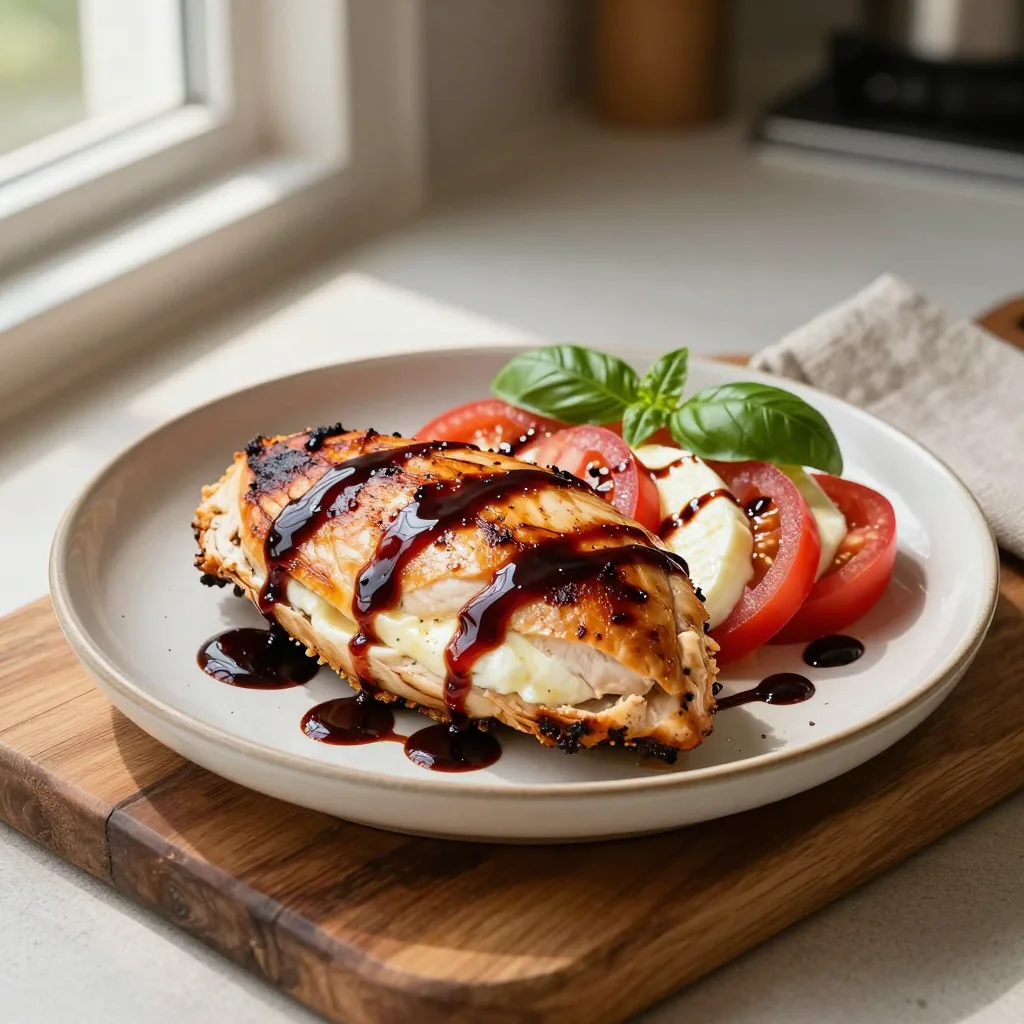
A juicy chicken breast packed with fresh mozzarella, tomato, and basil, drizzled with a sweet‑tangy balsamic reduction.
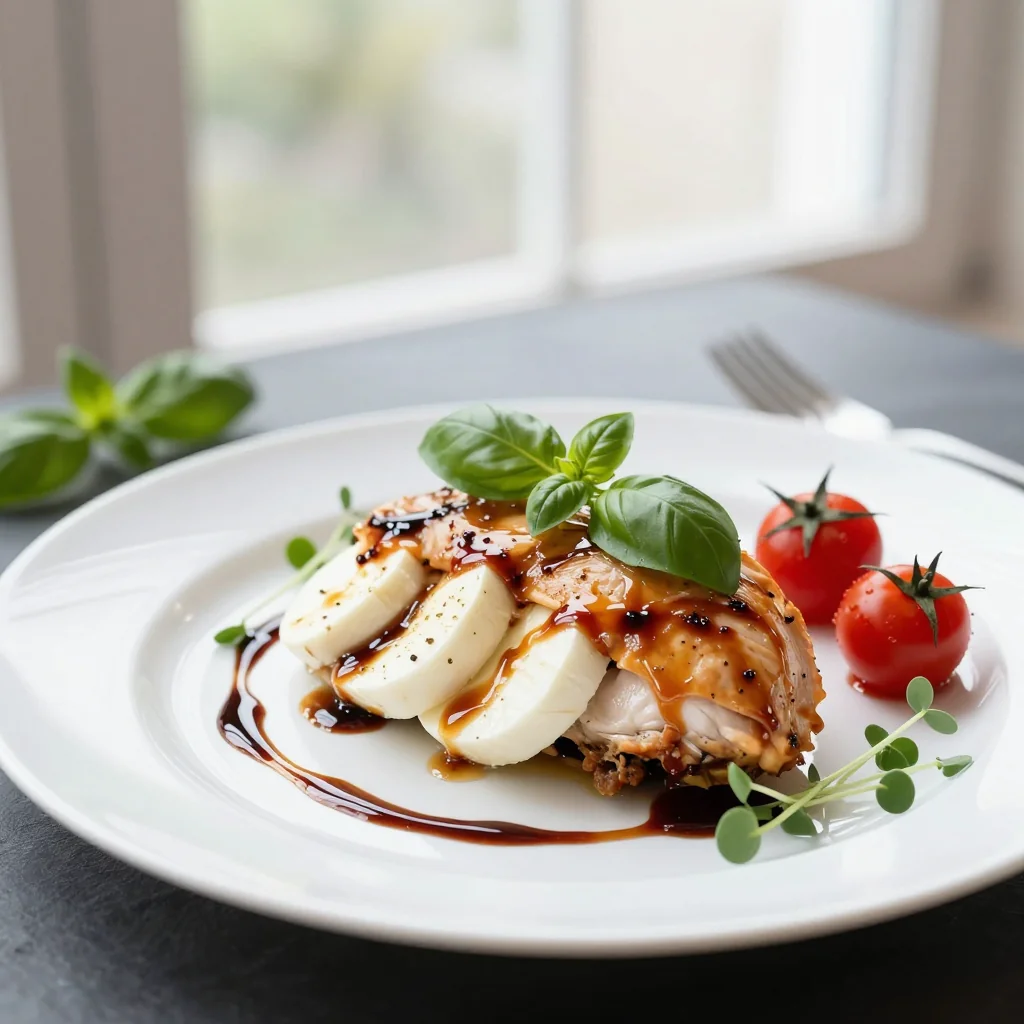
When I first traveled to the sun‑kissed hills of Tuscany, I was enchanted by the simplicity of a fresh tomato, a slice of mozzarella, and a handful of fragrant basil. The flavors sang together like a well‑rehearsed choir, and I vowed to capture that magic in a dish that could travel across oceans and kitchens.
Caprese stuffed chicken emerged from that promise—a marriage of classic Italian caprese salad ingredients with succulent chicken breast, finished with a glossy balsamic glaze that adds depth without overpowering the delicate balance.
In this recipe you’ll learn how to butter‑fly chicken breasts, create a moist, flavorful pocket, and master a quick reduction that brings sweet, tangy notes to every bite. The technique is foolproof, the ingredients are pantry‑friendly, and the result feels restaurant‑worthy.
Let’s dive in together, and I’ll show you why this dish will become a staple on your dinner table.
🌟 Why This Recipe Will Captivate You
From the first bite to the lingering glaze, this dish delivers a symphony of textures and flavors that feel both comforting and sophisticated.
- ✨ Juicy, Tender Chicken: The butter‑flied technique ensures even cooking, while the mozzarella inside melts into a creamy core that keeps the meat moist.
- ✨ Fresh, Bright Caprese Filling: Sun‑ripe tomatoes, aromatic basil, and milky mozzarella create a refreshing contrast to the savory chicken.
- ✨ Sweet‑Tangy Balsamic Glaze: A quick reduction of balsamic vinegar and honey adds a glossy finish that elevates the entire plate.
- ✨ Simple Ingredient List: All components are readily available at most grocery stores, making this recipe accessible for weeknight meals.
- ✨ Versatile Presentation: Serve it sliced for a stunning platter or keep it whole for a hearty main course.
- ✨ Healthy Balance: High in protein, moderate in carbs, and packed with antioxidants from tomatoes and basil.
🥗 The Ingredients
📝 Complete Ingredient List
For the Chicken:
- 4 pieces boneless skinless chicken breasts
- 2 tbsp olive oil
- to taste salt
- to taste freshly ground black pepper
For the Caprese Filling:
- 8 slices fresh mozzarella
- 2 large tomatoes, sliced
- ¼ cup fresh basil leaves, chopped
- 2 tbsp grated Parmesan cheese
- 1 tbsp balsamic vinegar
- to taste freshly ground black pepper
For the Balsamic Glaze:
- ½ cup balsamic vinegar
- 2 tbsp honey
- 1 tsp Dijon mustard
- 1 tbsp unsalted butter (optional, for shine)
🔍 Focus on Key Ingredients
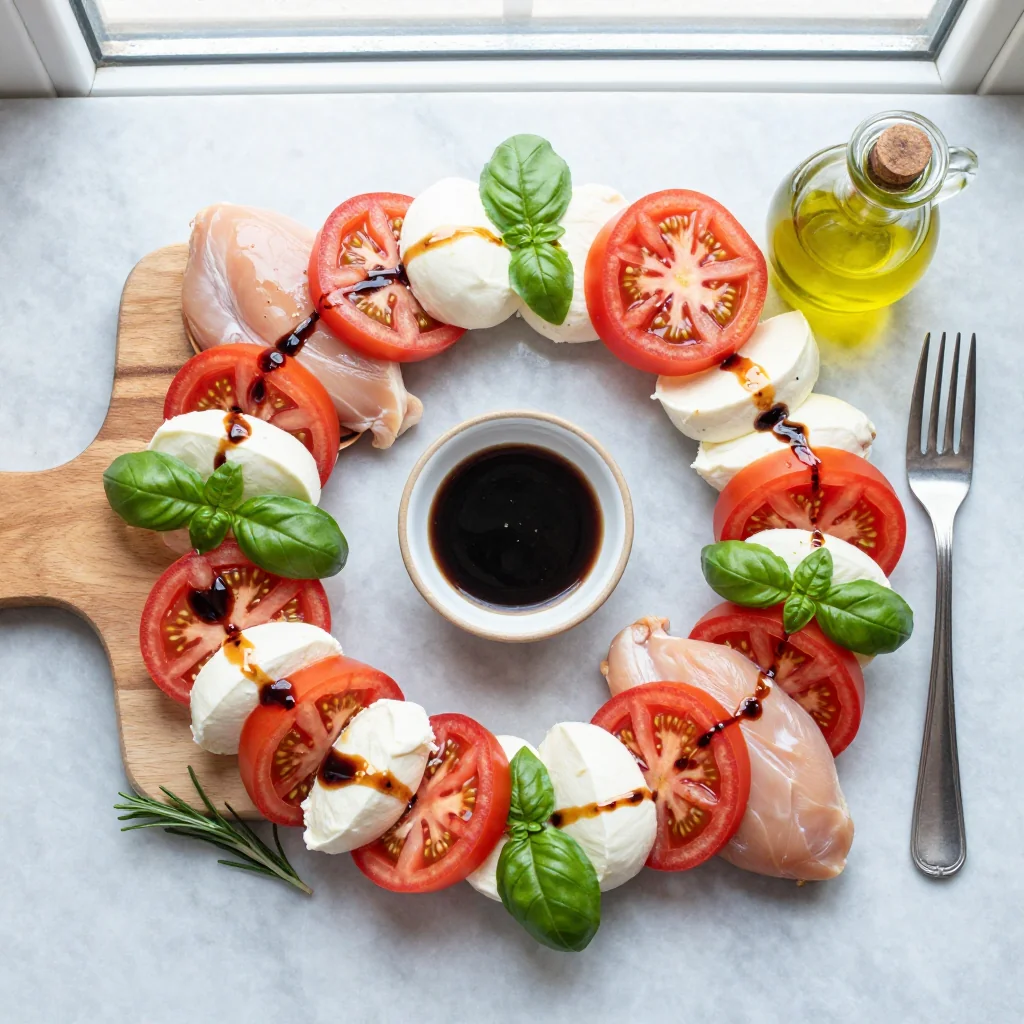
Chicken Breasts
Choosing high‑quality chicken breasts is essential. Look for meat that is pink, firm, and free of any grayish spots. If possible, opt for organic or free‑range birds; they tend to retain more moisture, which is crucial when you’re butter‑flying and stuffing them.
Fresh Mozzarella
Fresh mozzarella should feel soft and slightly springy to the touch. It melts beautifully, creating a creamy pocket that keeps the chicken juicy. Avoid the pre‑shredded, low‑moisture varieties—they won’t provide the same luscious texture.
Balsamic Vinegar
Aged balsamic vinegar adds depth with its subtle sweetness and acidity. When reduced, it thickens into a glossy glaze that clings to the chicken, delivering a burst of flavor with every bite.
🔄 Quick Substitutions
| If you don’t have... | Use instead... |
|---|---|
| Fresh mozzarella | Low‑moisture mozzarella, sliced thin |
| Balsamic vinegar | Apple cider vinegar mixed with a touch of maple syrup |
| Fresh basil | Fresh spinach or arugula (will change flavor profile) |
👨🍳 Step‑by‑Step Instructions
Follow these detailed steps to create a restaurant‑quality dish that will impress family and friends alike.
📋 Phase 1: Preparation & Mise en Place
First, we’ll get all components ready before the cooking begins.
Butter‑fly the chicken breasts
Place each chicken breast on a cutting board. Using a sharp chef’s knife, cut horizontally through the thickest part, stopping just before you cut through completely. Open the breast like a book, creating a pocket about ½‑inch thick. If the breast resists, gently tap it with a meat mallet to even out the thickness.
Season the chicken
Pat the butter‑flied breasts dry with paper towels. Drizzle both sides with olive oil, then season generously with salt and freshly ground black pepper. The oil helps the seasoning adhere and creates a subtle crust later.
🔥 Phase 2: Assembly & Cooking
Now we’ll fill, sear, and bake the chicken while the glaze simmers.
Prepare the Caprese filling
Layer two slices of mozzarella on each chicken breast, followed by a few tomato slices, a sprinkle of chopped basil, and a dash of grated Parmesan. Drizzle a thin line of balsamic vinegar over the filling, then season with a pinch of pepper.
Secure the chicken
Fold the chicken over the filling, aligning the edges. Secure each breast with two to three toothpicks or kitchen twine. This keeps the stuffing inside while the chicken cooks.
Sear the chicken
Heat a large oven‑safe skillet over medium‑high heat. Add a splash of olive oil. Once shimmering, place the chicken breasts seam‑side down. Sear for 3‑4 minutes until golden brown, then flip and sear the other side for another 2‑3 minutes.
Prepare the balsamic glaze
While the chicken sears, combine ½ cup balsamic vinegar, 2 tbsp honey, and 1 tsp Dijon mustard in a small saucepan. Bring to a gentle boil, then reduce heat to a simmer. Stir continuously for 5‑7 minutes, or until the mixture thickens to a syrupy consistency that coats the back of a spoon.
Finish baking
Transfer the skillet to a pre‑heated oven at 190 °C (375 °F). Bake for 12‑15 minutes, or until the internal temperature of the thickest part reaches 74 °C (165 °F). The cheese should be melted, and the chicken juicy.
✨ Phase 3: Finishing & Plating
The final touches bring everything together.
Check doneness
Insert an instant‑read thermometer into the center of the chicken. If it reads 74 °C (165 °F), the chicken is safely cooked. Allow it to rest for 5 minutes; this redistributes juices and prevents drying.
Plate the dish
Remove toothpicks or twine carefully. Slice each breast diagonally to reveal the colorful Caprese interior. Drizzle the balsamic glaze generously over the top, letting it pool slightly on the plate for visual appeal.
Serve
Serve immediately with a side of roasted vegetables or a light arugula salad tossed in lemon vinaigrette. The dish pairs beautifully with a crisp white wine or sparkling water with a slice of lemon.
💡 Expert Tips & Tricks
🛒 Choosing the Right Ingredients
When shopping, select chicken breasts that are uniform in size; this ensures even cooking. For tomatoes, look for a deep red color and a slight give when pressed—signs of peak ripeness. Fresh mozzarella should be stored in its brine; drain it just before use to avoid excess moisture that could make the filling soggy.
🔪 Preparation Techniques
Butter‑flying creates a larger surface area for stuffing and reduces cooking time. Use a gentle rocking motion with the knife, and keep the blade as close to the board as possible to avoid cutting through the opposite side. After stuffing, pat the chicken gently with a paper towel to remove any excess moisture from the filling.
🌡️ Mastering the Cooking Process
High heat at the start gives a beautiful sear, locking in juices. Transitioning to the oven finishes the cooking evenly without burning the exterior. Use a meat thermometer for precision; overcooking will make the chicken dry, while undercooking risks food safety.
🍽️ Presentation & Service
Slice the chicken on a diagonal to showcase the bright red tomato and green basil. Drizzle the glaze in a slow, steady stream for a glossy finish. Garnish with a few whole basil leaves and a sprinkle of flaky sea salt for texture.
🏆 Pro Tips
These insider secrets separate a good dish from a truly spectacular one.
- 🎯 Brining the Chicken: Submerge the breasts in a light brine (1 tbsp salt per cup water) for 30 minutes before butter‑flying. This adds moisture from the inside, making the final product juicier.
- 🎯 Using a Sous‑Vide for Precision: If you have a sous‑vide setup, cook the butter‑flied, stuffed chicken at 60 °C (140 °F) for 1 hour before searing. This guarantees perfectly uniform doneness.
- 🎯 Reducing the Glaze on Low Heat: A slow reduction prevents scorching and preserves the delicate flavor of the balsamic. Stir constantly to avoid a grainy texture.
- 🎯 Adding a Hint of Smoke: Finish the glaze with a few drops of liquid smoke for a subtle, smoky undertone that complements the caramelized balsamic.
- 🎯 Temperature Shock for Crispness: After baking, briefly broil the chicken for 1‑2 minutes. This adds a crisp edge without overcooking the interior.
- 🎯 Resting Period Importance: Allow the chicken to rest on a warm plate covered loosely with foil. This keeps it hot while the fibers relax, ensuring each bite is tender.
"The secret to a great stuffed chicken is not just the filling, but the balance of texture and flavor that each bite delivers." — Massimo Bottura
🔄 Variations & Adaptations
Caprese stuffed chicken is a flexible canvas; feel free to experiment with flavors, dietary needs, and seasonal twists.
🥬 Vegetarian/Vegan Version
Replace chicken with large portobello mushrooms or thick slices of eggplant. Marinate them in olive oil, salt, and pepper, then follow the same stuffing and glaze process. Use vegan mozzarella and a plant‑based butter alternative for the glaze.
- Portobello caps provide a meaty texture that holds the filling well.
- Vegan mozzarella melts similarly, delivering the creamy center.
🌶️ Flavor Variations
Explore different flavor pathways by swapping or adding ingredients to the filling or glaze.
Spicy Version:
Add a pinch of red‑pepper flakes to the filling and stir a teaspoon of sriracha into the balsamic glaze for a gentle heat that contrasts the sweetness.
Mediterranean Version:
Include thin slices of roasted red pepper, Kalamata olives, and a sprinkle of oregano. Finish with a drizzle of extra‑virgin olive oil instead of butter.
Asian‑Inspired Version:
Mix a splash of soy sauce and a dash of toasted sesame oil into the glaze, and add shredded carrots and cilantro to the filling for fresh crunch.
⚠️ Dietary Adjustments
Gluten‑Free:
All components are naturally gluten‑free. Ensure any store‑bought Parmesan or mozzarella is labeled gluten‑free.
Lactose‑Free:
Use lactose‑free mozzarella or a dairy‑free cheese alternative. The glaze remains dairy‑free unless you add butter.
Low‑Calorie:
Reduce honey in the glaze to 1 tbsp and use a light spray of olive oil for searing. Serve with a large mixed‑green salad to increase volume without adding many calories.
👶 Family/Kids Version
For picky eaters, omit the balsamic glaze and replace it with a mild honey‑mustard drizzle. Cut the chicken into bite‑size nuggets after cooking, and serve with a side of sweet potato fries.
📦 Storage & Reheating
🧊 Conservation
Refrigerator:
- Duration: 3 days
- Container: Airtight glass container
- Tip: Store glaze separately to prevent soggy chicken.
Freezer:
- Duration: 2 months
- Method: Wrap each portion tightly in plastic wrap, then place in a freezer‑safe bag.
- Defrosting: Thaw overnight in the refrigerator before reheating.
💡 For best texture, reheat using the oven method rather than microwave.
♨️ Reheating
🔥 Oven (Recommended):
- Preheat to 180 °C (350 °F).
- Cover with foil to retain moisture.
- Heat for 12‑15 minutes.
- Remove foil and bake an additional 5 minutes to re‑crisp the exterior.
⚡ Microwave (Quick):
- Place on a microwave‑safe plate, cover with a microwave‑safe lid.
- Heat on medium power for 1‑2 minutes, then stir the glaze over the top.
- Check temperature; continue in 30‑second bursts if needed.
🍳 Skillet:
Heat a non‑stick skillet over medium heat, add a splash of water, and cover. Warm for 4‑5 minutes, flipping once, then drizzle glaze.
🍷 Perfect Pairings
🥗 Side Dishes
- Arugula Lemon Salad: Peppery arugula tossed with lemon vinaigrette balances the sweetness of the glaze.
- Roasted Asparagus: Lightly charred asparagus adds a crisp, earthy contrast.
- Garlic Parmesan Quinoa: Fluffy quinoa with a hint of garlic and Parmesan complements the Italian theme.
🍷 Wine & Beverage
- Verdicchio (Italian white): Its bright acidity mirrors the balsamic glaze while highlighting the basil.
- Chianti Classico: A medium‑bodied red with subtle tannins pairs nicely with the mozzarella and tomato.
- Non‑alcoholic: Sparkling water with a splash of blood orange juice offers a refreshing palate cleanser.
🍰 To Complete the Meal
Start with a light bruschetta topped with ricotta and herbs. Follow the main course with a lemon‑scented panna cotta or a simple fruit sorbet to cleanse the palate and finish on a bright note.
❓ Frequently Asked Questions
Q: Can I use bone‑in chicken thighs instead of breasts?
A: Absolutely. Thighs stay juicier and are more forgiving if slightly overcooked. Adjust the cooking time to 20‑25 minutes in the oven, and ensure the internal temperature reaches 74 °C (165 °F). You may need to butterfly the thigh carefully to create a pocket.
Q: How do I prevent the mozzarella from leaking out?
A: Pat the mozzarella slices with a paper towel to remove excess moisture. Secure the chicken tightly with toothpicks or kitchen twine, and avoid over‑filling. The sear also creates a seal that helps keep the cheese inside.
Q: What if I don’t have a meat thermometer?
A: You can cut into the thickest part of the chicken; the juices should run clear and the meat should no longer be pink. However, a thermometer is the most reliable method to guarantee safety and optimal texture.
Q: My glaze turned grainy—what went wrong?
A: Graininess often occurs if the glaze boils too rapidly or if sugar crystals form. Reduce the heat to low once it starts boiling, stir constantly, and consider adding a small knob of butter at the end to smooth it out.
Q: Can I prepare the stuffing ahead of time?
A: Yes. Assemble the filling and keep it refrigerated for up to 12 hours. When ready to cook, place the filling inside the butter‑flied chicken and proceed with searing and baking.
Q: How do I adapt this recipe for a larger crowd?
A: Double the ingredient quantities and increase the basePortions variable in the portion adjuster script to 8. The JavaScript will automatically recalculate ingredient amounts for you.
🎉 To Your Kitchen!
This Caprese stuffed chicken brings together the freshness of a classic Italian salad with the comforting heartiness of a protein‑rich main course. The sweet‑tangy glaze adds a finishing touch that makes every bite memorable. Whether you’re cooking for a family dinner or impressing guests at a dinner party, the balance of flavors, textures, and visual appeal will leave everyone asking for seconds.
Give it a try, experiment with the suggested variations, and share your personal twists. I can’t wait to hear how you make this dish your own, and I’m eager to see your beautiful plating photos.
Have you tried this recipe?
Leave a comment and rating below! Share your photos on Instagram with #CapreseChickenDelight to be featured.
Caprese Stuffed Chicken with Balsamic Glaze
Juicy chicken breasts stuffed with mozzarella, tomato, basil, and drizzled with a sweet‑tangy balsamic glaze.
📝 Ingredients
Chicken
Caprese Filling
Balsamic Glaze
👨🍳 Instructions
- 1 Butter‑fly each chicken breast, season with olive oil, salt, and pepper.
- 2 Layer mozzarella, tomato, basil, Parmesan, and a drizzle of balsamic inside each breast.
- 3 Secure with toothpicks or twine.
- 4 Sear in a hot skillet, 3‑4 min per side.
- 5 Simmer glaze ingredients until thickened.
- 6 Transfer skillet to oven at 190 °C for 12‑15 min.
- 7 Rest chicken 5 min, then slice diagonally.
- 8 Drizzle glaze over slices and serve.
- 9 Pair with arugula salad and a glass of Verdicchio.
- 10 Enjoy and share your creation!
🥗 Nutritional Information (per serving)
*Values are estimates based on standard ingredient sizes.
📚 You Might Also Like
Eggplant Parmesan with Fresh Basil
Lemon Garlic Salmon with Asparagus
Roasted Vegetable Quinoa Bowl



💬 Comments & Reviews
Leave a Comment
No comments yet. Be the first to share your thoughts!