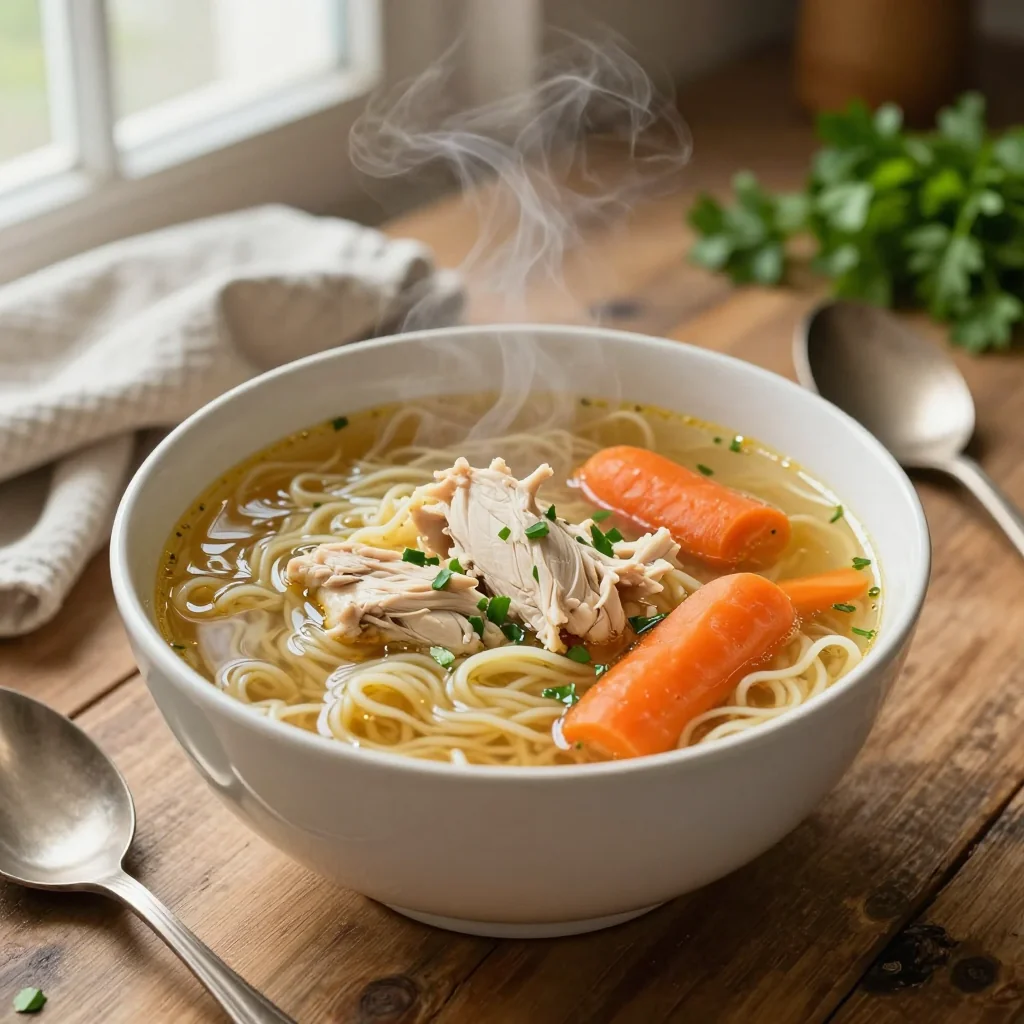
A comforting bowl of classic chicken noodle soup that warms the soul and satisfies the palate.
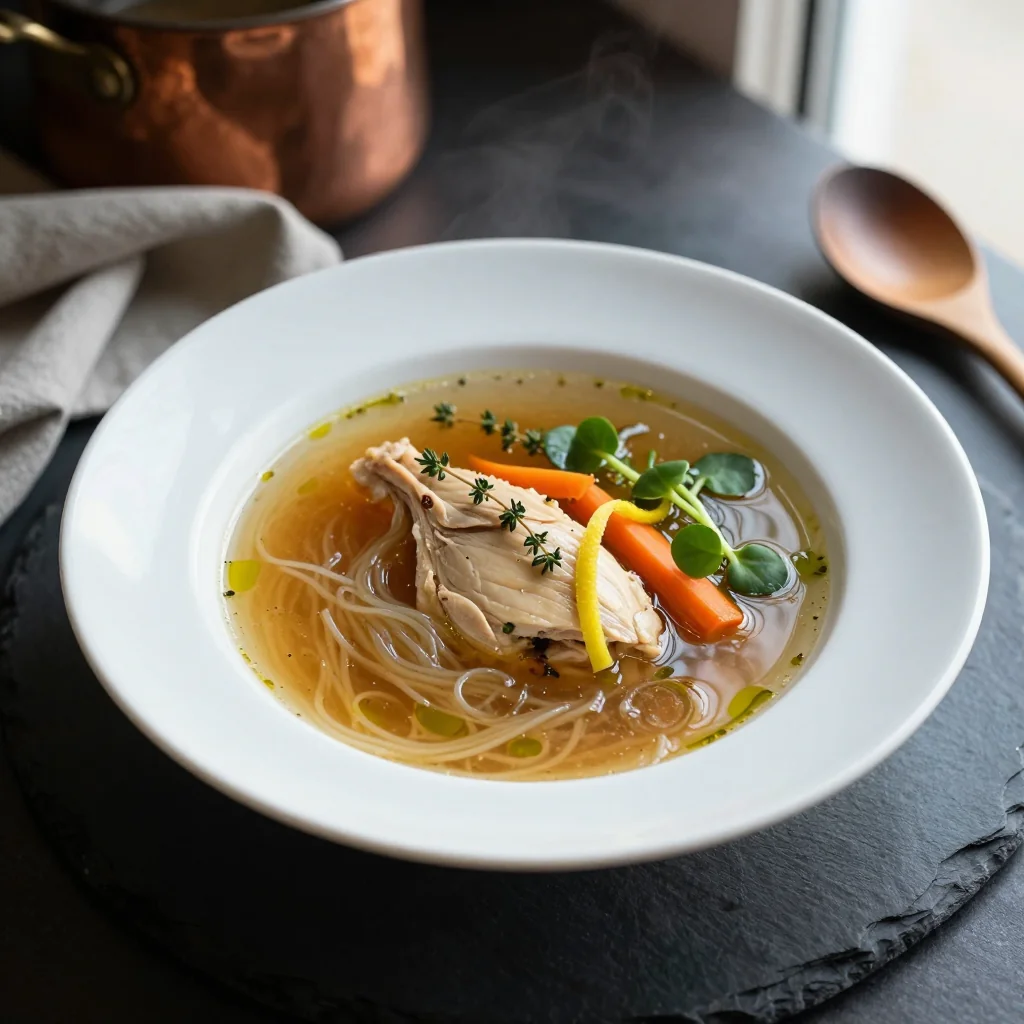
When I was a child, the first time I tasted a steaming bowl of chicken noodle soup on a cold winter afternoon, I felt an instant wave of comfort that still lingers in my memory. The aroma of simmering broth, the gentle clatter of noodles, and the soft whisper of fresh herbs created a sanctuary that no other dish could match. It was more than food; it was a warm hug in a bowl, a reminder that home is wherever the kitchen is alive.
Chicken noodle soup has roots that stretch across continents, from the humble “sopa de pollo” of Latin America to the classic “chicken noodle” of American diners. Its simplicity hides a deep cultural heritage, making it a perfect canvas for personal touches while staying true to tradition. This recipe honors that legacy by using a whole chicken for depth, fresh vegetables for brightness, and egg noodles for that satisfying bite.
In this article you will learn how to build flavor from the ground up, why each step matters, and how to adjust the recipe to suit any palate or dietary need. By the end, you’ll have a foolproof method that yields a broth so clear and flavorful you’ll wonder why you ever bought pre‑made stock.
Let’s dive into the kitchen together and create a soup that will become a family favorite for years to come.
🌟 Why This Recipe Will Captivate You
Whether you’re seeking comfort, nourishment, or a culinary adventure, this chicken noodle soup delivers on every level.
- ✨ Deep, Homemade Flavor: Simmering a whole chicken extracts collagen and gelatin, giving the broth a silky texture that store‑bought versions can’t replicate.
- ✨ Balanced Nutrition: Lean protein, vegetables, and wholesome noodles combine for a meal that fuels body and mind without excess calories.
- ✨ Customizable Core: The base broth can be tweaked with herbs, spices, or aromatics to match seasonal produce or personal taste.
- ✨ One‑Pot Simplicity: All components cook together, minimizing cleanup while maximizing flavor integration.
- ✨ Budget‑Friendly: Using a whole chicken is economical, and leftovers can be repurposed into salads, sandwiches, or even stock for future dishes.
- ✨ Timeless Comfort: The familiar scent and taste evoke memories of home, making it perfect for chilly evenings or when you need a morale boost.
🥗 Ingredients
📝 Complete Ingredient List
For the Broth:
- 1 whole chicken (about 1.5 kg) (preferably free‑range)
- 2 carrots carrots, sliced
- 2 celery stalks celery, sliced
- 1 onion onion, quartered
- 3 cloves garlic, minced
- 8 cups water
- 2 bay leaves
- 1 tsp dried thyme
- to taste salt & pepper
For the Noodles:
- 200 g egg noodles
For Garnish:
- 2 tbsp fresh parsley, chopped
- 1 tbsp lemon juice
- optional tsp hot sauce
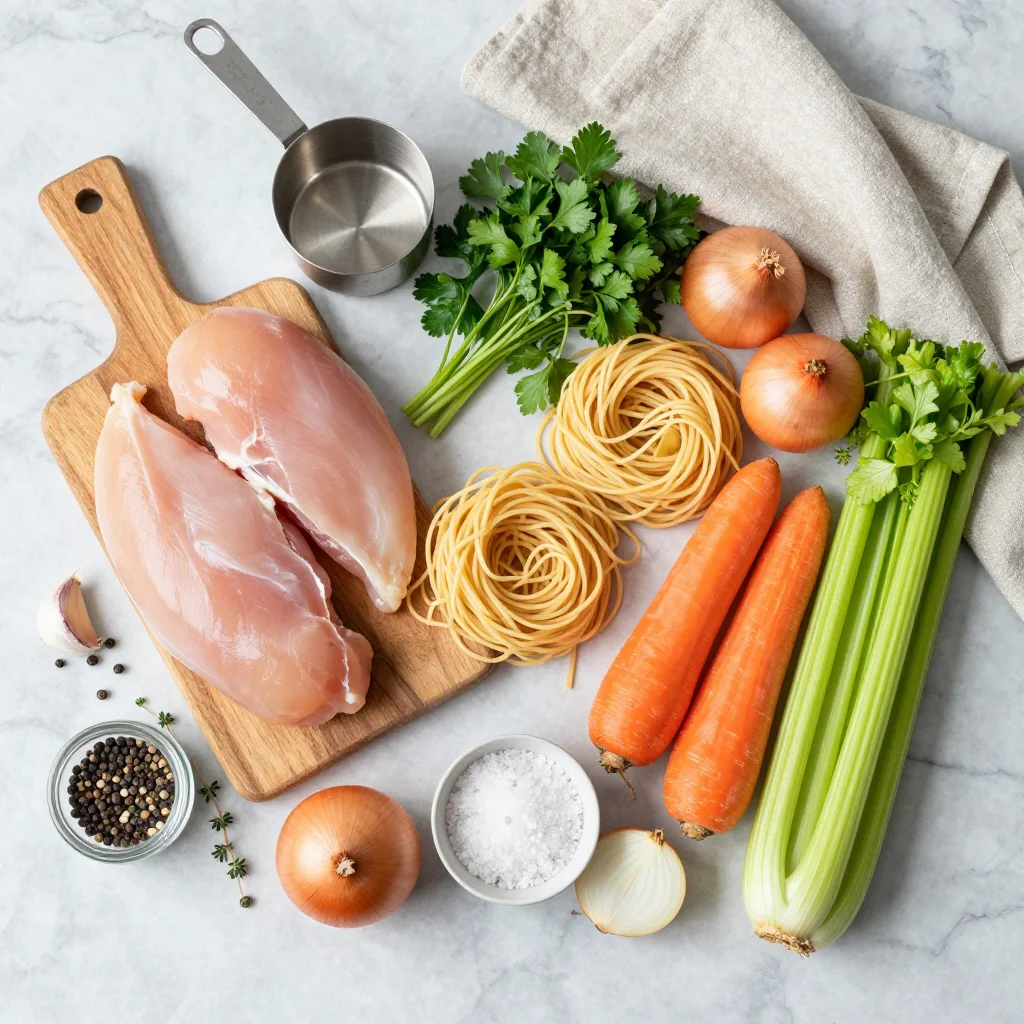
🔍 Focus on Key Ingredients
Whole Chicken
The whole chicken is the heart of this soup. Its bones release collagen, which turns into gelatin during simmering, giving the broth a luxurious mouthfeel. Choose a bird that’s fresh and preferably free‑range; the higher fat content adds depth without needing extra oil.
Egg Noodles
Egg noodles provide a tender yet firm texture that holds up well in broth. Their slight egg richness complements the savory broth while absorbing just enough flavor to stay distinct. Bronze‑cut noodles are ideal because their ridges capture more broth.
Fresh Herbs (Parsley & Thyme)
Parsley adds a bright, herbaceous finish that lifts the heaviness of the broth. Thyme, added early in the cooking process, infuses a subtle earthiness that rounds out the flavor profile. Both herbs are inexpensive ways to add layers of aroma.
🔄 Quick Substitutions
| If you don’t have… | Use instead… |
|---|---|
| Whole chicken | 2 lb chicken thighs (bone‑in, skinless) |
| Egg noodles | Rice noodles or gluten‑free pasta |
| Fresh parsley | Dried parsley (½ tsp) or cilantro |
👨🍳 Step‑by‑Step Instructions
Follow these detailed steps to create a broth that sings, noodles that stay perfectly al dente, and a garnish that adds a burst of freshness.
📋 Phase 1: Preparation & Mise en Place
Start by gathering and prepping all ingredients so the cooking process flows smoothly.
Prepare the Chicken
Rinse the whole chicken under cold water and pat dry with paper towels. Trim any excess fat and remove the giblets (reserve them for stock if desired). Place the chicken in a large stockpot, ensuring it sits flat and stable.
Chop Vegetables
Peel and slice the carrots into ¼‑inch rounds. Slice the celery stalks diagonally for a larger surface area. Quarter the onion and mince the garlic. Having uniformly cut vegetables ensures even extraction of flavor.
🔥 Phase 2: Cooking & Assembly
This is where the magic happens—building a broth that’s clear, aromatic, and deeply satisfying.
Simmer the Broth
Add the sliced carrots, celery, onion, garlic, bay leaves, thyme, and 8 cups of cold water to the pot with the chicken. Bring to a gentle boil over medium‑high heat, then immediately reduce to a low simmer. Skim any foam that rises to the surface with a ladle; this keeps the broth clear.
Cook the Chicken
Let the chicken simmer uncovered for 35‑40 minutes, turning once halfway through. The meat should be tender and start to pull away from the bone. Use tongs to carefully remove the chicken and set aside on a cutting board.
Shred the Meat
When the chicken is cool enough to handle, remove the skin and discard the bones. Shred the meat into bite‑size pieces using two forks. Return the shredded meat to the pot for the final minutes of cooking.
✨ Phase 3: Finishing & Plating
Bring everything together and add the final touches that make this soup unforgettable.
Add the Noodles
Bring the broth back to a gentle boil, then add the egg noodles. Cook according to package instructions, usually 6‑8 minutes, until al dente. Stir occasionally to prevent sticking.
Season & Adjust
Taste the soup and season with salt and freshly ground black pepper. Finish with a splash of lemon juice for brightness and sprinkle chopped parsley throughout.
Serve
Ladle the soup into deep bowls, ensuring each serving gets a generous portion of chicken, noodles, and vegetables. Offer hot sauce on the side for those who enjoy a little heat.
💡 Expert Tips & Tricks
🛒 Choosing the Right Ingredients
When selecting a chicken, look for a bird with firm flesh and a slight pink hue—signs of freshness. Avoid any with a strong odor or discoloration. For vegetables, choose carrots that are firm and bright orange, celery with crisp stalks, and onions that feel heavy for their size. Fresh herbs should have vibrant green leaves without wilting.
🔪 Preparation Techniques
Start with cold water when making broth; this allows proteins to coagulate slowly, resulting in a clearer soup. Slice vegetables uniformly to ensure even cooking. When shredding chicken, use two forks and pull in opposite directions; this creates fluffy strands that blend well with the broth.
🌡️ Mastering the Cooking Process
Maintain a low simmer rather than a hard boil. A gentle bubble releases flavors gradually and prevents the broth from becoming greasy. Use a ladle to skim foam every 10 minutes; this removes impurities and keeps the liquid crystal clear.
🍽️ Presentation & Service
Serve the soup in pre‑warmed bowls to keep it hot longer. Garnish with a drizzle of lemon juice and a sprinkle of parsley right before serving for a pop of color. Pair with crusty bread or a light salad to round out the meal.
🏆 Pro Tips
The difference between a good soup and a restaurant‑level masterpiece lies in precision and technique.
- 🎯 Build Flavor Layers Early: Add aromatics (bay leaves, thyme) at the start of the simmer. Their essential oils infuse the broth gradually, creating depth without overpowering the final taste.
- 🎯 Use a Skimmer for Clarity: A fine‑mesh skimmer removes tiny particles that cause cloudiness, resulting in a broth that looks as good as it tastes.
- 🎯 Finish with Acid: A small amount of acid (lemon juice or a splash of white wine) brightens the flavor profile, balancing the richness of the gelatin.
- 🎯 Control Salt Early: Add only half the intended salt during cooking; the reduction process concentrates flavors, and you can adjust at the end to avoid oversalting.
- 🎯 Preserve Noodle Texture: Add noodles at the last possible moment and avoid overcooking. If you need to hold the soup for a while, keep noodles separate and combine just before serving.
- 🎯 Cool and Store Properly: For make‑ahead meals, cool the broth rapidly in an ice‑water bath before refrigerating or freezing. This prevents bacterial growth and preserves flavor.
"A great soup is a conversation between the chef and the diner—each sip tells a story." — Thomas Keller
🔄 Variations & Adaptations
This classic soup is a versatile canvas. Below are several ways to tailor it to dietary preferences, flavor cravings, and seasonal ingredients.
🥬 Vegetarian/Vegan Version
Replace the chicken with a combination of chickpeas and smoked tofu for protein. Use vegetable broth instead of chicken stock, and add a dash of soy sauce for umami. The noodles remain the same, or you can opt for rice noodles for a gluten‑free twist.
- Substitution 1: 400 g canned chickpeas, rinsed and drained.
- Substitution 2: 200 g smoked tofu, cubed and added with the vegetables.
🌶️ Flavor Variations
Experiment with global spice profiles to keep the soup exciting throughout the year.
Spicy Version:
Add 1 tsp crushed red pepper flakes during simmering and finish with a drizzle of sriracha. The heat pairs beautifully with the cooling effect of the lemon.
Mediterranean Version:
Swap thyme for oregano, add a handful of chopped olives, and finish with a sprinkle of feta cheese. The olive oil drizzle adds a silky finish.
Asian Version:
Use ginger slices and a splash of soy sauce in the broth. Replace egg noodles with udon and garnish with sliced scallions and toasted sesame seeds.
⚠️ Dietary Adaptations
Gluten‑Free:
Use rice noodles or gluten‑free pasta. Ensure the broth is thickened with cornstarch if needed.
Lactose‑Free:
This recipe is already lactose‑free; just avoid adding butter or cream.
Low‑Calorie:
Reduce the amount of noodles to 100 g, increase extra vegetables (zucchini, spinach), and use a lean chicken breast instead of a whole bird.
👶 Family/Kids Version
For picky eaters, keep the broth mild, avoid strong herbs, and cut the noodles into short pieces. Add a small amount of grated carrots for natural sweetness and serve with a side of cheese crackers.
📦 Storage & Reheating
🧊 Conservation
In the Refrigerator:
- Duration: 4 days
- Recommended container: airtight glass jar or BPA‑free plastic container
- Tip: Store noodles separately to keep them from soaking up too much broth.
In the Freezer:
- Duration: 3 months
- Method: Cool broth quickly, portion into freezer‑safe bags, and freeze without noodles.
- Defrosting: Transfer to refrigerator overnight or use a low‑heat setting on the microwave.
💡 For best texture, reheat the broth first, then add freshly cooked noodles before serving.
♨️ Reheating
🔥 In the Oven (Recommended):
- Preheat to 180 °C (350 °F).
- Cover the pot with aluminum foil to retain moisture.
- Heat for 15‑20 minutes, stirring halfway.
- Remove foil, add noodles if they were stored separately, and heat an additional 5 minutes.
⚡ In the Microwave (Quick):
- Place soup in a microwave‑safe bowl, cover with a vented lid.
- Heat on medium power for 2‑3 minutes, stir, then continue in 1‑minute intervals.
- Stir again to ensure even heating.
🍳 On the Stovetop:
Pour broth into a saucepan, bring to a gentle simmer, add noodles if needed, and cook for 3‑4 minutes until heated through.
🍷 Perfect Pairings
🥗 Side Dishes
- Simple Green Salad: A crisp lettuce mix with a light vinaigrette adds freshness that balances the soup’s richness.
- Garlic Bread: Warm, butter‑toasted baguette slices with a hint of garlic complement the broth’s savory notes.
- Roasted Root Vegetables: Carrots, parsnips, and sweet potatoes roasted with rosemary provide a sweet contrast.
🍷 Wine & Beverage Pairings
- White Wine – Sauvignon Blanc: Its bright acidity mirrors the lemon juice and cuts through the broth’s richness.
- Light Red – Pinot Noir: Offers subtle fruit notes without overwhelming the delicate flavors.
- Non‑Alcoholic: Sparkling water with a slice of lime or a chilled hibiscus iced tea.
🍰 To Complete the Meal
Begin with a light appetizer such as a cucumber‑mint gazpacho, followed by the chicken noodle soup, and finish with a lemon tart or apple crumble. The citrus in dessert echoes the soup’s bright finish, creating a harmonious dining experience.
❓ Frequently Asked Questions
Q: Can I use a rotisserie chicken instead of a whole raw chicken?
Yes, a rotisserie chicken saves time and still provides flavor. Skip the simmering step for the chicken itself; simply add the shredded meat to a pre‑made broth and heat through. Adjust seasoning as needed because rotisserie chickens are often already seasoned.
Q: How do I prevent the broth from becoming greasy?
Skim the surface frequently during the first 15 minutes of simmering. The fat rises to the top and can be removed with a ladle or a fine‑mesh skimmer. Additionally, refrigerating the broth overnight allows the fat to solidify, making it easy to lift off before reheating.
Q: What if I don’t have egg noodles?
You can substitute any pasta shape that holds broth well, such as small shells, ditalini, or even gluten‑free rice noodles. Adjust cooking time according to the package instructions to keep the noodles al dente.
Q: My soup turned out cloudy—what went wrong?
A cloudy broth is often caused by a vigorous boil, which emulsifies fats and proteins. Keep the heat low and maintain a gentle simmer. Skimming foam and using cold water at the start also help maintain clarity.
Q: Can I add other vegetables like peas or corn?
Absolutely! Add peas, corn, or diced potatoes during the last 10 minutes of cooking. These vegetables bring additional sweetness and texture, but be mindful not to overload the soup, which could dilute the flavor.
Q: How far in advance can I prepare this soup?
The broth can be made up to 48 hours ahead and stored in the refrigerator. Keep noodles separate and add them just before serving. This approach preserves noodle texture and allows flavors to meld beautifully.
🎉 To Your Kitchen!
This chicken noodle soup embodies comfort, nutrition, and culinary craftsmanship. By following the step‑by‑step guide, you’ll produce a broth that’s crystal clear, noodles that stay perfectly tender, and a flavor profile that sings with every spoonful. Whether you’re feeding a family, impressing guests, or simply seeking a warm hug in a bowl, this recipe is a timeless addition to your repertoire.
Give it a try, experiment with the variations, and let your kitchen become a place of discovery. Share your results, ask questions in the comments, and don’t forget to rate the recipe so others can find this comforting classic.
Have you tried this recipe?
Leave a comment and rating below! Share your photos on Instagram with #HomestyleSoup for a chance to be featured.
Chicken Noodle Soup from Scratch
A timeless bowl of comfort that brings warmth to any season.
📝 Ingredients
Broth
Noodles
Garnish
👨🍳 Instructions
- 1 Rinse the whole chicken, pat dry, and place in a large stockpot.
- 2 Add carrots, celery, onion, garlic, bay leaves, thyme, and water. Bring to a gentle boil, then reduce to a simmer.
- 3 Skim foam for 5‑10 minutes to keep the broth clear.
- 4 Simmer the chicken for 35‑40 minutes until the meat is tender.
- 5 Remove the chicken, shred the meat, and return it to the pot.
- 6 Add egg noodles and cook until al dente, about 6‑8 minutes.
- 7 Season with salt, pepper, and lemon juice; stir in fresh parsley.
- 8 Ladle into bowls, offer hot sauce on the side, and serve hot.
- 9 Enjoy with crusty bread or a simple green salad.
- 10 Store leftovers in airtight containers; reheat gently before serving again.
🥗 Nutritional Information (per serving)
*Values are estimated based on standard ingredients.
📚 You Might Also Like
Classic Tomato Basil Soup
Hearty Beef Stew
Lemon Garlic Shrimp Pasta




💬 Comments & Reviews
Leave a Comment
No comments yet. Be the first to share your thoughts!