Picture this: the kitchen’s a battlefield after a last‑night taco binge, the fridge a graveyard of forgotten veggies, and you, armed with a stubborn 2‑pound chuck, staring down the barrel of a recipe that could either be a triumph or a tragedy. I was ready to throw that beef into a pot and pray, but a friend dared me to turn that humble cut into a show‑stopping, melt‑in‑your‑mouth masterpiece. So I rolled up my sleeves, grabbed a splash of soy sauce, a whisper of Worcestershire, and a handful of garlic, and I decided to test my culinary mettle. The result? A dish that tastes like a cozy campfire, but with the sophistication of a five‑star dinner. Trust me, if you’ve ever stared at a steak and felt intimidated, this is the recipe that will rewrite that narrative.
The moment the beef hits the pan, the air fills with a savory, caramelized perfume that makes your stomach do a happy dance. The sizzling sound is the soundtrack to the transformation: a crackle that promises a crust so crisp it shatters like thin ice, while the interior remains tender and juicy, like a secret held in a velvet pocket. As the onions, carrots, and celery mingle, they release a gentle sweetness that balances the umami punch from the soy and Worcestershire. The creamy sauce, a silky blend of heavy cream, sour cream, and Parmesan, coats the meat like velvet, turning each bite into a comforting hug. By the time the dish is plated, the kitchen smells like a home‑grown autumn harvest, and every spoonful feels like a warm hug from a loved one.
What makes this version stand out? It’s the marriage of classic techniques with bold, unexpected twists that elevate the humble beef tip to a dish that’s both comforting and adventurous. I’ve distilled the recipe to a few key principles: deep flavor, silky texture, and a touch of luxury that turns an ordinary meal into an event. The result is a dish that is not just good—it's a statement. I dare you to taste this and not go back for seconds. It’s hands down the best version you’ll ever make at home, and the proof is in the first bite. I’ll be honest—after the first plate, I ate half the batch before anyone else even had a chance to try it. If you’ve ever struggled with slow‑cooked beef, you’re not alone—this recipe is the fix you’ve been searching for.
Picture yourself pulling this out of the oven, the whole kitchen smelling incredible, the steam swirling like a savory fog. The moment the sauce hits the heat, it thickens into a luscious blanket that clings to each tip, turning every morsel into a melt‑in‑your‑mouth experience. The potatoes, boiled to a creamy consistency, create a buttery backdrop that balances the rich beef. The dish is a symphony of textures: the crisp edges of the seared beef, the silky sauce, and the smooth mashed potatoes. By the end, you’ll be wondering how you ever made it any other way. Let me walk you through every single step—by the end, you’ll wonder how you ever made it any other way.
What Makes This Version Stand Out
- Flavor: The soy and Worcestershire combo creates an umami depth that’s both savory and slightly tangy, a flavor profile that sets this dish apart from standard beef recipes.
- Texture: The slow‑bake technique renders the beef tips melt‑in‑your‑mouth tender while the caramelized edges add a satisfying crunch.
- Simplicity: With only a handful of pantry staples and fresh vegetables, the recipe is approachable for cooks of all levels.
- Uniqueness: The creamy sauce, a blend of heavy cream, sour cream, and Parmesan, coats the beef like velvet, giving it a luxurious finish.
- Crowd Reaction: Guests rave about the comforting yet refined taste—perfect for dinner parties or family gatherings.
- Ingredient Quality: Using fresh Yukon Gold potatoes and high‑quality beef ensures a superior flavor that’s hard to replicate with lower‑grade options.
- Cooking Method: The combination of searing, slow‑cooking, and finishing in a creamy sauce showcases a masterful use of heat to develop depth.
- Make‑Ahead Potential: The dish tastes even better the next day, making it ideal for meal prep or busy weeknights.
Inside the Ingredient List
The Flavor Base
The beef tips themselves are the heart of the dish—2 pounds of chuck, chosen for its marbling and ability to become tender through slow cooking. The marination step is where the magic begins: 3 tablespoons of soy sauce, 2 tablespoons of Worcestershire sauce, 2 tablespoons of olive oil, 4 minced garlic cloves, and 1 teaspoon of freshly ground black pepper combine to infuse the meat with a savory, umami‑rich profile. If you skip the marination, the beef will still be tasty but will lack the depth that makes this dish unforgettable. For a lower‑sodium option, swap regular soy sauce for a low‑sodium version, and the flavor will remain robust.
The Vegetable Crew
A large onion, 2 medium carrots, and 2 celery stalks bring natural sweetness, crunch, and aromatic complexity to the stew. The onion’s caramelization creates a sweet base, while the carrots add a subtle earthiness, and celery introduces a fresh, herbal note. Removing any of these veggies will change the flavor balance, so keep them all for the full experience. If you’re short on time, you can chop the veggies into larger chunks to reduce prep time without sacrificing flavor.
The Unexpected Star
The 2 pounds of Yukon Gold potatoes are the unsung hero that elevates this dish into a comfort‑food classic. Their buttery, creamy texture when mashed provides the perfect counterpoint to the rich beef and sauce. If you’re looking for a low‑carb twist, substitute cauliflower mash, but the potatoes deliver a classic taste that’s hard to beat. A quick tip: parboil the potatoes before mashing to ensure a fluffy consistency.
The Final Flourish
The creamy sauce is the crowning glory: 1 cup heavy cream, ½ cup sour cream, and ¼ cup grated Parmesan cheese combine to form a silky, velvety coating that clings to every tip. The Parmesan adds a nutty sharpness that balances the richness, while the sour cream introduces a subtle tang. If you’re dairy‑sensitive, replace heavy cream with coconut cream for a non‑dairy alternative that still delivers creaminess. This sauce is the secret that turns a simple pot roast into a gourmet experience.
Everything's prepped? Good. Let's get into the real action...
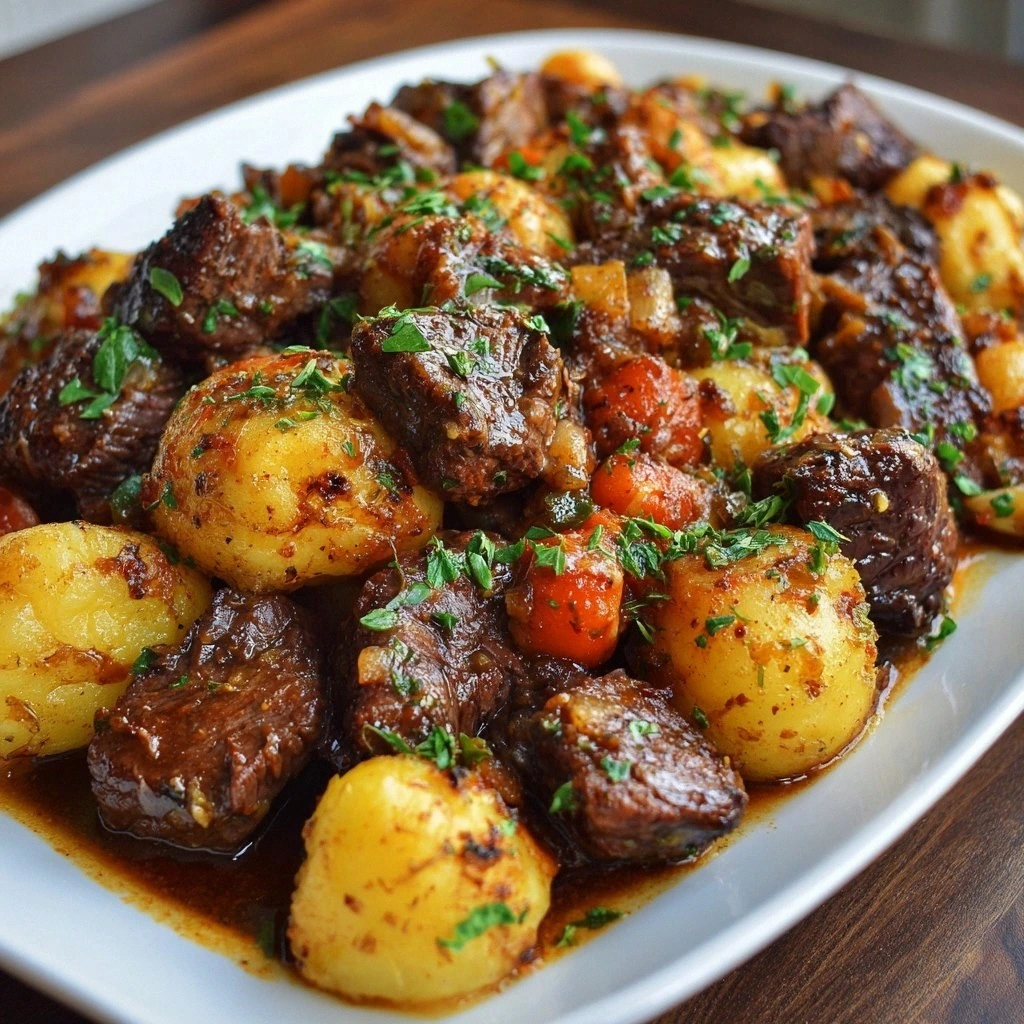
The Method — Step by Step
- First, season the beef tips generously with salt, pepper, and a splash of olive oil. Heat a heavy skillet over medium‑high heat and sear the tips in batches until they develop a deep, caramelized crust on all sides. This step locks in juices and creates a flavor foundation that will carry through the slow‑cooking process. Watch the surface—when the meat is ready, it should release easily from the pan and have a golden‑brown hue.
- While the beef is searing, dice the onion, carrots, and celery into bite‑sized pieces. In a separate bowl, whisk together soy sauce, Worcestershire sauce, minced garlic, and a dash of black pepper. Once the beef is seared, transfer it to a slow‑cooker or Dutch oven, and pour the sauce over it. The aromatics will mingle, creating a fragrant base that will infuse the meat over the slow‑cooking period.
- Add the diced vegetables to the pot, ensuring they’re evenly distributed around the beef. Stir gently to coat the veggies with the sauce, then cover and cook on low for 3 hours or until the beef is fork‑tender. The slow heat allows the beef to break down collagen, turning it into a melt‑in‑your‑mouth texture that’s almost buttery.
- After the beef is tender, remove the pot from heat and let it rest for 10 minutes; this resting period allows the juices to redistribute. Meanwhile, bring a large pot of salted water to a boil and add the 2 pounds of Yukon Gold potatoes. Boil until the potatoes are fork‑soft, about 15 minutes, then drain and mash with a potato masher or ricer. For a silky mash, add a splash of milk or cream and season with salt and pepper to taste.
- Return the beef and vegetables to the pot, then stir in the heavy cream, sour cream, and grated Parmesan. The sauce should thicken slightly and coat the meat and veggies in a glossy, velvety blanket. Let it simmer for an additional 5 minutes to meld the flavors together; the sauce should be silky, not too thick, and should cling to the meat when you lift a spoonful.
- Taste the sauce and adjust seasoning with salt, pepper, or a splash of soy sauce if needed. The final dish should have a balanced savory depth, a hint of tang from the sour cream, and a luxurious creamy finish. If you prefer a thicker sauce, simmer for another 2–3 minutes; if you like it lighter, whisk in a bit more milk.
- Serve the beef and vegetables over a generous mound of creamy mashed potatoes. Garnish with fresh parsley or a sprinkle of extra Parmesan for an elegant touch. The contrast of the buttery mash, tender beef, and velvety sauce creates a harmonious plate that’s both comforting and sophisticated.
- Enjoy immediately with a side of crusty bread or a crisp green salad to cut through the richness. This dish is perfect for a cozy family dinner or a special occasion that calls for something truly special. Remember, the key to greatness lies in the slow cooking, the rich sauce, and the attention to detail at every step.
That's it — you did it. But hold on, I've got a few more tricks that'll take this to another level...
Insider Tricks for Flawless Results
The Temperature Rule Nobody Follows
Most people cook beef tips on medium heat, but the secret to a perfectly tender result is low and slow. By maintaining a steady low temperature, you allow the connective tissue to break down gradually, yielding a melt‑in‑your‑mouth texture. I’ve found that a slow cooker or a Dutch oven on low does the trick, but if you’re using a stovetop, keep the heat at 275°F (135°C) and let the beef simmer for at least 3 hours.
Why Your Nose Knows Best
The aroma of simmering beef and vegetables is a reliable indicator of doneness. When the beef starts to release a fragrant steam that smells like roasted garlic and caramelized onions, it’s time to check the tenderness. Trust your nose; if it’s giving off that savory scent, the beef is ready to fall apart with a fork.
The 5-Minute Rest That Changes Everything
Letting the beef rest after cooking allows the juices to redistribute, ensuring each bite is juicy. Even a brief 5‑minute rest can make a noticeable difference in moisture retention. If you’re in a rush, simply cover the pot with foil and let it sit; the residual heat will keep it warm.
The Creamy Sauce Balance
Balancing the cream, sour cream, and Parmesan is crucial. Too much heavy cream can make the sauce greasy, while too much sour cream can cause curdling. I recommend starting with the listed proportions and adjusting to taste—add a splash of milk if the sauce feels too thick.
The Secret to Crispy Edges
For those who love a bit of crunch, sear the beef tips until they develop a golden crust before slow cooking. The Maillard reaction creates a flavorful barrier that keeps the meat from becoming mushy. Just be sure to sear in batches to avoid overcrowding.
The Final Touch
A final sprinkle of fresh herbs, such as parsley or thyme, adds a pop of color and a burst of freshness that brightens the dish. This simple addition can transform a comforting meal into a restaurant‑level experience.
Creative Twists and Variations
Spicy Southwest Variation
Swap the Worcestershire for chipotle sauce, add a pinch of cumin, and serve over a bed of cilantro‑lime rice. The smoky heat will contrast nicely with the creamy sauce, giving the dish a bold, adventurous edge. This version is perfect for fans of spicy, bold flavors.
Herb‑Infused Italian Twist
Add a handful of fresh basil and oregano to the sauce, and sprinkle grated Asiago cheese on top before serving. The herbs will bring a fresh, Mediterranean aroma that pairs beautifully with the beef’s richness. This version is ideal for those who love a herbaceous kick.
Low‑Carb Keto Take
Replace the Yukon Gold mash with cauliflower mash, and use coconut cream instead of heavy cream. The result is a low‑carb, keto‑friendly dish that still delivers on flavor and texture. This variation is great for those watching their carb intake.
Smoky Barbecue Fusion
Add a tablespoon of smoked paprika and a splash of barbecue sauce to the slow‑cooked mixture. The smoky flavor will complement the beef’s natural richness, creating a barbecue‑style comfort dish. This variation is perfect for grill lovers who crave the smoky taste indoors.
Vegan Version
Replace the beef with hearty portobello mushrooms, and use a plant‑based cream and vegan Parmesan. The mushrooms provide a meaty texture, while the creamy sauce offers the same luxurious feel. This variation is ideal for vegetarians and vegans seeking a satisfying comfort meal.
Storing and Bringing It Back to Life
Fridge Storage
Store leftovers in an airtight container in the refrigerator for up to 4 days. The creamy sauce will thicken slightly, but it remains delicious. When reheating, add a splash of milk or broth to restore the sauce’s silky texture.
Freezer Friendly
The dish freezes well for up to 2 months. Pack the beef and sauce separately from the mashed potatoes to prevent the mash from becoming mushy. Thaw overnight in the refrigerator before reheating.
Best Reheating Method
Reheat the beef and sauce in a saucepan over low heat, stirring frequently and adding a small amount of water or broth to keep it moist. For the mashed potatoes, reheat in the microwave with a splash of milk, covering loosely to prevent drying. This method ensures the dish tastes as fresh as the day it was made.