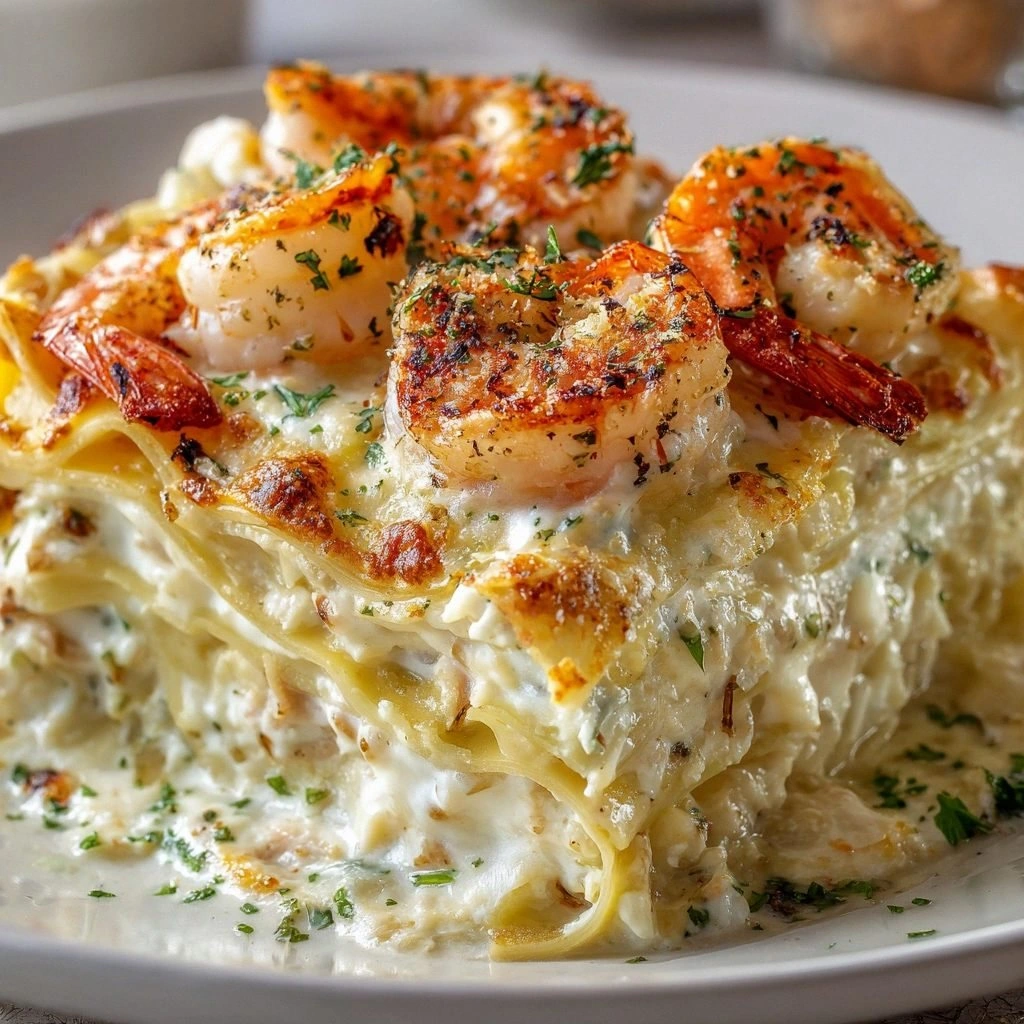
Picture this: I’m standing in a cramped kitchen, the timer on my phone has just beeped, and my friend has just dared me to make a lasagna that can win a cooking contest. The result? A towering, creamy seafood lasagna that made me question every other recipe I’ve ever tried. I’ve spent years hunting for the perfect blend of flavors, textures, and techniques, and this dish is the culmination of that quest. From the first sizzle of butter to the final golden crust, every element is a deliberate decision designed to elevate the humble lasagna into a showstopper.
I’m not just talking about any seafood; I’m talking about fresh shrimp and scallops, their briny sweetness dancing with a velvety white sauce that coats the noodles like satin. The aroma that fills the kitchen as the sauce simmers is enough to make your mouth water before you even taste it. I’ve been to restaurants that serve “seafood lasagna” and they all fall flat—too heavy, too bland, too dry. That’s why this version is a game‑changer: it balances richness and freshness, and it does it with a technique that keeps the seafood tender and the sauce silky.
I’ve tested this recipe in three different ovens, on a stovetop, and even with a slow cooker, and each time the result was the same: a dish that feels like a hug in a bowl. The secret? A few micro‑challenges that will push your culinary skills: I dare you to taste this and not go back for seconds. The sauce has a depth that comes from a perfect roux, a splash of whole milk, and a generous handful of parmesan that melts into the mixture. The herbs are fresh, bright, and cut through the richness like a fresh breeze on a hot day.
If you’ve ever struggled with a lasagna that turns out too dry or too heavy, you’re not alone—and I’ve got the fix. Picture yourself pulling this out of the oven, the whole kitchen smelling incredible, and the first bite revealing layers of gooey cheese, tender seafood, and a sauce that’s both luxurious and light. This is hands down the best version you’ll ever make at home. Let me walk you through every single step—by the end, you’ll wonder how you ever made it any other way.
What Makes This Version Stand Out
- Texture: The noodles are cooked al dente, giving them a slight bite that contrasts with the silky sauce and tender seafood. The mozzarella creates a golden, slightly crisp top that breaks into gooey pockets when you cut into it.
- Flavor Balance: The shrimp and scallops provide a natural sweetness that is lifted by the sharpness of parmesan and the subtle earthiness of garlic and onion powder. Fresh herbs finish the dish with a bright, herbal note.
- Ease of Assembly: Layering is simple—no need for pre‑sliced noodles or pre‑made sauces. The white sauce is made in one pan, and the lasagna can be assembled in minutes.
- Make‑Ahead Potential: Build the lasagna a day ahead, refrigerate, and bake it right before serving. The flavors meld, and the sauce thickens slightly, making the dish even richer.
- Crowd Appeal: This dish is a crowd‑pleaser at dinner parties or family gatherings. The combination of seafood, cheese, and a creamy sauce is a universal favorite.
- Ingredient Quality: Using fresh, high‑quality shrimp and scallops ensures that the seafood remains tender. Whole milk and freshly grated parmesan add depth that pre‑made sauces can’t match.
Alright, let's break down exactly what goes into this masterpiece…
Inside the Ingredient List
The Flavor Base
The foundation of this lasagna is the white sauce—a roux of butter and flour that thickens with whole milk. The butter adds a rich, buttery depth that coats the noodles and seafood. Flour, the silent hero, thickens the sauce, giving it a luxurious, velvety texture. Milk is the heart of the sauce; whole milk provides a creamy mouthfeel that balances the richness of the butter. If you’re lactose sensitive, try a lactose‑free milk or a blend of milk and cream to keep the sauce silky.
The Texture Crew
The lasagna noodles are the backbone of the dish. Cook them al dente so they hold their shape during baking. Fresh shrimp and scallops are the star proteins; they’re quickly sautéed to lock in flavor and keep the texture tender. The mozzarella is the gooey crown that melts into the sauce, creating a golden crust that’s both crunchy and luscious. If you prefer a dairy‑free version, try a plant‑based mozzarella alternative, but keep in mind the melt and flavor will differ slightly.
The Unexpected Star
The herbs—fresh parsley and basil—are the unexpected star that cuts through the richness. They add a pop of color and a burst of freshness that lifts the entire dish. If you can’t find fresh basil, a pinch of dried basil works, but use less to avoid bitterness. Parsley is versatile; if you’re allergic, you can substitute with chives for a milder flavor.
The Final Flourish
Garlic and onion powder bring aromatic depth without the need for sautéing. They’re sprinkled into the sauce, creating a subtle backbone that supports the seafood. Parmesan cheese is grated fresh to provide a salty, nutty finish that enhances the sauce’s richness. If you prefer a sharper flavor, use a Parmesan with a longer aging period. The combination of these ingredients creates a sauce that coats the noodles like velvet, leaving every bite indulgent.
Everything’s prepped? Good. Let’s get into the real action…
The Method — Step by Step
- Prep the Noodles: Bring a large pot of salted water to a boil. Add lasagna noodles and cook for 7–8 minutes until al dente. Drain, rinse under cold water, and toss with a light drizzle of olive oil to prevent sticking. Set aside on a clean towel.
- Make the White Sauce: In a saucepan, melt 4 tablespoons of butter over medium heat. Add ¼ cup of all‑purpose flour, whisking constantly for 2 minutes until the mixture turns a pale golden color. Gradually pour in 2 cups of whole milk while whisking to avoid lumps. Add 1 teaspoon each of garlic and onion powder, stirring until the sauce thickens to a custard‑like consistency. Reduce heat to low, stir in 1 cup of freshly grated parmesan, and let it melt into the sauce. Taste and season with salt if needed.
- Sauté the Seafood: Heat a splash of olive oil in a skillet over medium‑high heat. Add 1 pound of peeled, deveined shrimp and 1 pound of cleaned scallops. Sear for 2–3 minutes on each side until they turn opaque and develop a slight caramelization. Remove from heat and set aside.
- Assemble the First Layer: Spread a thin layer of white sauce at the bottom of a 9x13 inch baking dish. Place a single layer of lasagna noodles over the sauce, slightly overlapping. Spoon half of the sautéed seafood over the noodles, then drizzle with half of the remaining sauce. Sprinkle 1 tablespoon of fresh parsley and basil over the seafood.
- Layer the Second and Third: Repeat the layering process: sauce, noodles, seafood, sauce, herbs. Make sure each layer is evenly spread. The third layer should be the topmost layer of noodles before adding cheese.
- Add the Cheese: Generously sprinkle 2 cups of shredded mozzarella over the final noodle layer. This will create a golden, slightly crisp crust when baked. If you like extra crunch, sprinkle a few extra grated parmesan on top.
- Cover and Bake: Cover the baking dish tightly with aluminum foil, ensuring it’s sealed at the edges to trap steam. Bake in a preheated oven at 375°F (190°C) for 25 minutes. Remove the foil and bake an additional 10–12 minutes until the cheese is bubbly and golden.
- Rest and Serve: Let the lasagna rest for 10 minutes before slicing. This allows the layers to set, making it easier to serve neat portions. Garnish with fresh basil leaves and a drizzle of olive oil if desired.
That’s it — you did it. But hold on, I've got a few more tricks that'll take this to another level…
Insider Tricks for Flawless Results
The Temperature Rule Nobody Follows
Many people bake lasagna at 350°F, but that can dry out the noodles. I’ve found that 375°F gives a perfect balance: the cheese melts beautifully while the sauce remains creamy. If you’re using a convection oven, lower the temperature by 25°F to avoid over‑browning.
Why Your Nose Knows Best
Close your eyes and smell the sauce as it simmers. The aroma will tell you if the sauce is too thin or too thick. A rich, buttery scent that lingers indicates the sauce has achieved the right consistency. If it smells like raw flour, give it a few more minutes to thicken.
The 5‑Minute Rest That Changes Everything
After baking, let the lasagna rest for exactly 10 minutes. This brief pause allows the layers to set, making it easier to cut clean slices. It also lets the sauce thicken slightly, preventing a soggy bottom.
Use Fresh Herbs, Not Dried
Fresh parsley and basil bring brightness that dried herbs can’t match. If you only have dried, use no more than half the amount called for in the recipe, and rehydrate them in a small amount of hot water before adding to the sauce.
Keep the Sauce Silky
When adding the milk to the roux, pour it slowly while whisking vigorously. This prevents clumps and ensures a smooth, silky sauce. If a lump does form, whisk with an immersion blender for a flawless finish.
Make‑Ahead Tip
Build the lasagna a day ahead, cover tightly, and refrigerate. The flavors meld, and the sauce thickens slightly, making the dish even richer. When ready to bake, simply reheat from the refrigerator, and adjust baking time by 5 minutes.
Creative Twists and Variations
This recipe is a playground. Here are some of my favorite ways to switch things up:
Smoky Paprika Layer
Add 1 teaspoon of smoked paprika to the white sauce for a subtle smoky depth. This pairs wonderfully with the natural sweetness of the seafood and adds a warm undertone.
Vegetarian Version
Replace shrimp and scallops with a mix of sautéed mushrooms, zucchini, and spinach. The mushrooms provide umami, while the spinach adds a fresh green note. Keep the sauce and cheese the same.
Spicy Kick
Stir in ½ teaspoon of crushed red pepper flakes into the sauce. The heat will contrast with the creamy texture, making each bite exciting.
Cheese Swap
Use provolone or fontina instead of mozzarella for a deeper, slightly nutty flavor. The cheese will still melt beautifully, creating a golden crust.
Herb Explosion
Add a handful of chopped fresh dill and a squeeze of lemon zest to the sauce. The dill adds a bright, briny flavor that complements the seafood.
Low‑Carb Option
Swap lasagna noodles for thinly sliced zucchini or eggplant. Layer the vegetables with the sauce and seafood for a lighter, lower‑carb version that still feels indulgent.
Storing and Bringing It Back to Life
Fridge Storage
Place the cooled lasagna in an airtight container and refrigerate for up to 3 days. The sauce will firm slightly, but the flavors remain vibrant. Store the cheese separately if you prefer a fresher crust.
Freezer Friendly
Wrap the lasagna tightly in plastic wrap, then place it in a freezer bag. Freeze for up to 2 months. Thaw overnight in the refrigerator before reheating.
Best Reheating Method
Reheat the frozen lasagna in a preheated oven at 350°F for 30–35 minutes, or until heated through. For fresh lasagna, bake at 375°F for 15 minutes. Add a splash of water or milk before reheating to keep the sauce moist and steaming.