Picture this: a sizzling pan, a splash of butter, and the unmistakable aroma of shrimp that makes your kitchen feel like a seaside café. I was halfway through a disastrous attempt at a fancy seafood dinner when the clock started ticking. The shrimp were turning black instead of golden, and my confidence was as thin as the crust on a bad crustacean. But then I remembered a recipe I’d stumbled upon in a dusty cookbook that promised creamy, buttery perfection. That moment, I knew I was about to rewrite the rules of shrimp cooking.
The kitchen was a chaotic orchestra—clattering pans, a faint hiss of onions, and the deep, earthy scent of paprika mingling with the sharp bite of sea salt. My eyes flicked between the boiling pot and the clock, the sound of sizzling butter echoing like applause. The texture of the shrimp, when cooked just right, should feel tender yet resilient, like a springy rubber band that gives way at the perfect moment. The sound of the sauce thickening, a gentle whisper of steam, was the soundtrack of anticipation. I could almost taste the buttery glaze coating each shell, the subtle warmth of sherry dancing on the tongue.
What sets this version apart is not just the ingredients, but the way they converse. The butter is divided, creating layers of flavor that bloom in stages, turning the sauce from a simple roux into a velvety cloud. The sherry introduces a delicate acidity that balances the richness, preventing the dish from feeling cloying. The paprika offers a gentle heat that lingers without overwhelming, while the white pepper adds a clean finish that keeps the palate clear. Every element is chosen to elevate the shrimp, not mask it. It’s a symphony where each note is intentional, and the final crescendo is a dish that feels both luxurious and approachable.
I dare you to taste this and not go back for seconds. The first bite is a revelation: the shrimp are plump, the sauce coats like velvet, and the sherry’s subtle sweetness lingers on the finish. I’ll be honest—half the batch vanished before anyone else could even touch it. Most recipes get this completely wrong, focusing on either over‑seasoning or under‑cooking. Here, the technique is the secret sauce, and the ingredients are the star performers. Picture yourself pulling this out of the oven, the whole kitchen smelling incredible, and the guests reaching for seconds.
If you've ever struggled with shrimp, you're not alone—and I've got the fix. I’ve spent countless evenings perfecting the timing, the heat, and the balance of flavors. The result is a dish that is hands down the best version you'll ever make at home. It’s not just about following steps; it’s about understanding why each element matters. Stay with me here—this is worth it. Let me walk you through every single step—by the end, you'll wonder how you ever made it any other way.
What Makes This Version Stand Out
- Flavor: The combination of sherry, paprika, and butter creates a layered taste profile that evolves with every bite. The subtle acidity of sherry cuts through the richness, while paprika adds a warm, smoky undertone.
- Texture: The sauce achieves a silky, almost custard-like consistency that clings to the shrimp, giving each morsel a luxurious mouthfeel. The shrimp remain tender and moist, avoiding the rubbery texture that plagues many seafood dishes.
- Simplicity: Despite its gourmet feel, the recipe requires only nine ingredients, most of which you likely already have in your pantry. The steps are straightforward, making it accessible for both novices and seasoned cooks.
- Ingredient Quality: Using fresh, large shrimp and high‑quality butter ensures the base flavors shine. The choice of sherry over wine adds depth and character that elevate the dish.
- Crowd Reaction: Guests often comment that the sauce is “the best thing I've tasted at home.” The dish is a conversation starter that impresses even the most discerning palates.
- Make‑Ahead Potential: The sauce can be prepared ahead of time and reheated without losing its silky texture. This makes it ideal for entertaining or quick weekday dinners.
- Technique: Dividing the butter and cooking in stages allows the sauce to develop a complex flavor profile while preventing burning or clumping.
Inside the Ingredient List
The Flavor Base
The butter is the backbone of this sauce, providing richness and a subtle caramelized note when browned. Dividing the butter ensures a steady release of flavor without scorching. Paprika adds a gentle heat and a smoky depth that complements the shrimp's natural sweetness. Salt and white pepper are the seasoning duo that balances the dish; they are added in small, precise amounts to avoid overpowering the delicate flavors.
The Texture Crew
All-purpose flour is the thickening agent that turns a simple butter mixture into a luscious sauce. When whisked into the butter, it forms a roux that traps fats and liquids, creating a silky mouthfeel. The addition of whole milk and heavy cream brings creaminess and body, while the small amount of sherry introduces a bright, acidic counterpoint that prevents the sauce from feeling heavy.
The Unexpected Star
Sherry wine, often overlooked in shrimp recipes, is a game‑changer. Its nutty, slightly sweet profile cuts through the richness of butter and cream, adding a layer of complexity that keeps the dish from becoming cloying. A splash of sherry also helps to deglaze the pan, lifting the fond and incorporating it into the sauce for maximum flavor.
The Final Flourish
The shrimp themselves are the star, and they need to be handled with care to preserve their natural texture. Peeling and deveining shrimp is essential for a clean presentation, while a quick sear locks in juices. The final addition of the sauce to the shrimp creates a harmonious marriage of flavors, ensuring every bite is coated in the velvety sauce.
Everything's prepped? Good. Let's get into the real action...
The Method — Step by Step
- Heat a large skillet over medium heat and add 2 Tbsp of butter. As it melts, watch for a golden hue and a nutty aroma that signals the butter is ready. This early stage sets the flavor foundation. Keep the heat steady to avoid burning. The butter should bubble gently, not sputter.
- Whisk in the flour to create a roux. Stir continuously for about 90 seconds until the mixture turns a light amber color, indicating the raw flour taste has cooked away. This step is crucial for a smooth sauce; a lumpy roux will ruin the texture. Let the roux sit for a minute before adding liquids.
- Add the paprika, salt, and white pepper to the roux, stirring until the spices are evenly distributed. The spices should toast slightly, releasing their aroma. This is the moment when the sauce begins to develop depth. The mixture should smell fragrant, not raw.
- Pour in the whole milk slowly, whisking constantly to maintain a smooth consistency. The sauce should thicken gradually, becoming glossy. If it starts to thicken too quickly, lower the heat or add a splash of water to thin it. The key is a steady, gentle heat.
- Stir in the heavy cream and sherry wine, allowing the sauce to simmer for 2-3 minutes. The sauce should reduce slightly, intensifying the flavors. Watch for the sauce to coat the back of a spoon; this indicates proper thickness. The sherry should evaporate partially, leaving a subtle sweetness.
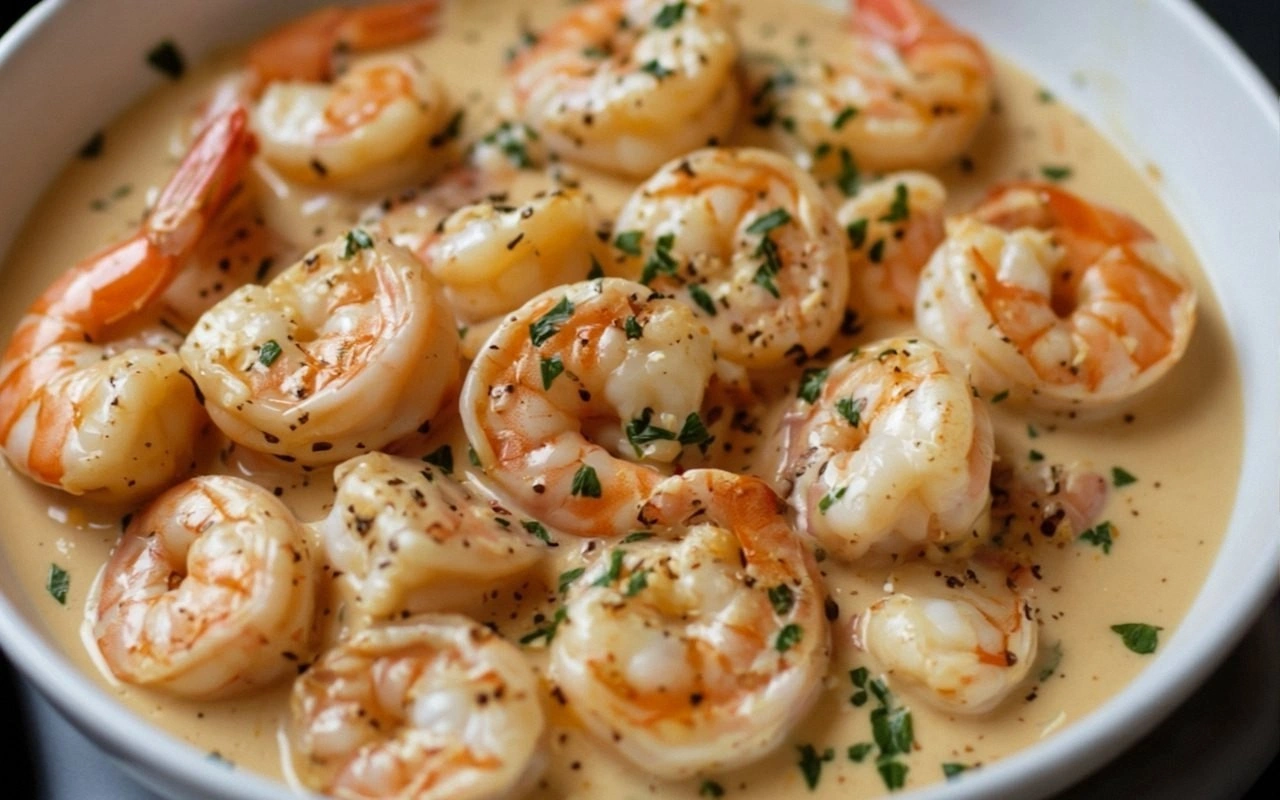
- Add the shrimp to the sauce, turning gently to coat each piece. Cook for 2 minutes, then flip once more. The shrimp should be bright pink and just cooked through. The sauce should cling to the shrimp like a glossy glaze. The aroma will be intoxicating.
- Remove from heat, let the shrimp rest for 30 seconds, then plate immediately. Serve over pasta, rice, or a bed of sautéed greens. Garnish with fresh parsley or a squeeze of lemon for brightness. The dish should look glossy, with shrimp glistening in the sauce. This final touch elevates the presentation.
That's it — you did it. But hold on, I've got a few more tricks that'll take this to another level. From subtle tweaks to plating secrets, these tips will ensure every bite is unforgettable.
Insider Tricks for Flawless Results
The Temperature Rule Nobody Follows
Many chefs keep the sauce at a rolling boil, but a gentle simmer preserves the delicate flavors of sherry and cream. Maintaining 180°F to 190°F ensures the sauce thickens without scorching. I’ve seen sauces that over‑boil turn bitter, ruining the dish. Keep a thermometer handy; it’s a small investment for big flavor gains. The result is a silky sauce that holds its shape.
Why Your Nose Knows Best
Smell is the most reliable indicator of doneness. When the sauce is ready, it should emit a nutty, buttery scent with a hint of caramel. If the aroma is sharp or metallic, the sauce is likely overcooked. A quick sniff after each step saves you from a ruined dish. Trust your nose; it’s your secret ally.
The 5‑Minute Rest That Changes Everything
Letting the sauce rest for a few minutes after removing it from heat allows the flavors to meld. The residual heat continues to cook the shrimp slightly, ensuring they stay juicy. This step also lets the sauce thicken to the perfect consistency. I’ve had friends skip this and end up with a runny sauce. Give it a moment, and the difference is clear.
How to Keep the Sauce Thick Without Clumps
Whisking constantly and adding liquids slowly prevents lumps. If a lump does form, a quick whisk or a fine sieve will fix it. Adding a small pinch of cornstarch dissolved in cold water can also help. This technique keeps the sauce smooth and glossy, which is essential for an elegant presentation.
Balancing Salt Without Over‑Seasoning
Start with a small amount of salt and taste before adding more. Salt draws out moisture, so too much can make the sauce watery. Use a pinch of salt at the beginning, then adjust at the end. A little goes a long way, especially when the shrimp already carry natural saltiness. This ensures the dish remains balanced.
The Secret to a Perfectly Seared Shrimp
A hot pan is key. Preheat the skillet until a drop of water sizzles upon contact. This quick sear locks in juices and gives a slight crust. Avoid overcrowding; shrimp should have space to brown. The result is a shrimp that is tender inside with a caramelized exterior.
Creative Twists and Variations
This recipe is a playground. Here are some of my favorite ways to switch things up:
Mediterranean Twist
Add chopped sun‑dried tomatoes and Kalamata olives to the sauce for a briny, savory note. Replace the sherry with a splash of dry white wine for a lighter finish. Serve over linguine with a sprinkle of feta. The Mediterranean flavors elevate the dish for a vibrant, summery feel.
Creamy Cajun
Stir in Cajun seasoning and a pinch of cayenne for a spicy kick. Replace the paprika with smoked paprika for a deeper flavor. Finish with a squeeze of fresh lime to cut through the richness. This version is perfect for those who like a bit of heat.
Lemon‑Herb Surprise
Add zest and juice of a lemon to the sauce, along with chopped dill and parsley. The citrus brightens the dish, while the herbs provide a fresh aroma. Serve over a bed of couscous for a light, refreshing meal. This variation is ideal for spring or summer gatherings.
Spicy Saffron
Infuse the sauce with a pinch of saffron threads for a golden hue and subtle floral note. Add a dash of chili flakes for heat. Replace the white pepper with black pepper for a more robust flavor. The saffron gives the dish an exotic twist.
Pesto Fusion
Stir in a spoonful of basil pesto at the end of cooking for a green, herbaceous layer. The pesto complements the creamy sauce and adds a pop of color. Serve with toasted breadcrumbs for crunch. This version is a fusion of Italian and seafood traditions.
Vegetarian Spin
Swap shrimp for sliced zucchini or bell pepper strips for a vegetarian option. Cook the vegetables until tender but still crisp. Add a splash of vegetable broth to keep the sauce moist. This variation keeps the creamy texture while offering a plant‑based alternative.
Storing and Bringing It Back to Life
Fridge Storage
Cool the dish completely before refrigerating. Store in an airtight container for up to 3 days. The sauce may thicken slightly in the fridge; simply stir before serving. Keep the shrimp separate if you want to preserve their texture. When reheating, add a splash of milk or cream to restore silkiness.
Freezer Friendly
Freeze the sauce and shrimp in separate containers for up to 2 months. The shrimp may lose some firmness after freezing, but the sauce remains creamy. Thaw overnight in the fridge, then reheat gently on low heat. Adding a small amount of water or broth will help the sauce re‑emulsify.
Best Reheating Method
Reheat the sauce over low heat, stirring frequently. Add a splash of whole milk or heavy cream to loosen the consistency. Avoid boiling, as high heat can cause the sauce to separate. The goal is a gentle, even warming that preserves flavor and texture. Serve immediately for the best experience.