Picture this: I was in the middle of a late‑night cooking marathon, juggling a blender, a skillet, and a stack of empty take‑out containers. My phone buzzed with a friend’s challenge—“Make the crispiest chicken you’ve ever had.” I laughed, because honestly, my last attempt had resulted in a soggy, flavorless mess that made my kitchen smell like a fried‑egg factory. But that night, I was determined to turn that disaster into a triumph. I grabbed a handful of chicken thighs, a jar of soy sauce, and a box of cornflakes, and I set out to create something that would make my taste buds dance and my friends beg for seconds.
The first thing that caught my eye was the golden sheen of the cornflakes, crisped to a perfect amber. As I tossed them into the bowl, the scent of toasted corn filled the air, mingling with the subtle umami of soy. The texture of the flakes was already hinting at a crunchy future, each bite promising a satisfying snap that would echo like thin ice shattering underfoot. I could almost hear the kitchen’s quiet hum as the skillet prepared to meet its destiny. The anticipation was palpable—this was going to be more than just a meal; it was a culinary experiment in crunch.
I could feel the heat of the stove rise, and I knew that the moment the chicken hit the pan, a symphony of sizzling would erupt. That sound is the universal language of flavor, a promise that something delicious is about to unfold. I added a splash of soy sauce, watching it coat the chicken like a velvet curtain, sealing in moisture while adding depth. The combination of savory soy and the sweet, nutty cornflakes was a bold claim I was ready to test. I dared you to taste this and not go back for seconds.
The real magic, however, lay in the technique. I discovered that a quick pre‑treat of the chicken in a dry rub of salt and pepper before dipping it in soy sauce creates a flavor foundation that elevates every bite. Most recipes get this completely wrong, focusing only on the coating and neglecting the meat’s own seasoning. This simple step locks in juices and ensures that the soy sauce doesn’t just sit on the surface but permeates the meat. Picture yourself pulling this out of the oven, the whole kitchen smelling incredible, the air thick with the aroma of caramelized soy and toasted corn.
I was honest—when I tasted the first bite, I ate half the batch before anyone else got a chance. The crunch was a revelation: each bite released a burst of caramelized flavor that made the chicken tender and juicy. I could see the confidence in my friends’ eyes as they watched me devour the dish. And now, I’m here to walk you through every single step—by the end, you’ll wonder how you ever made it any other way. Stay with me here—this is worth it.
What Makes This Version Stand Out
- Flavor Depth: The soy sauce doesn’t just coat; it marinates, infusing the chicken with a savory umami that lingers after the crunch dissipates.
- Crisp Perfection: The cornflakes, toasted just before coating, provide an extra layer of crunch that shatters like thin ice with every bite.
- Texture Contrast: Juicy, tender meat meets a brittle, caramelized exterior—an orchestra of textures that keeps the palate engaged.
- Ingredient Simplicity: Only three core ingredients plus a dash of salt and pepper—no elaborate sauces or exotic spices.
- Time Efficiency: Prep time is under 20 minutes, and the total cooking time is less than an hour, making it ideal for busy weeknights.
- Make‑Ahead Friendly: The coated chicken can be marinated overnight, letting flavors intensify while you go about your day.
Alright, let's break down exactly what goes into this masterpiece...
Inside the Ingredient List
The Flavor Base
Soy sauce is the backbone of this dish, providing a salty, slightly sweet umami that balances the natural fattiness of the chicken thighs. It also acts as a binder, helping the cornflakes adhere evenly across the surface. If you skip the soy sauce, the coating will feel flat and the chicken will lack depth. For a slightly different profile, try tamari or coconut aminos—both will give you a similar salty kick without the traditional soy flavor.
The Texture Crew
Cornflakes are the star of the show, delivering that signature crunch. Choose a classic, lightly sweetened variety; the sugar content caramelizes during cooking, creating a golden, buttery crust. If you prefer a less sweet bite, opt for unsweetened cornflakes or even puffed rice cereal, though the flavor will shift toward a more neutral profile. The key is to toast the flakes lightly before coating—this step locks in crispness and adds a nutty aroma.
The Unexpected Star
Salt and pepper are the unsung heroes that bring everything together. Salt enhances the soy sauce’s savory notes, while pepper adds a subtle heat that cuts through the richness. If you’re watching sodium, a pinch of sea salt is enough; just remember that soy sauce is already salty. A pinch of freshly ground pepper gives the dish a bright finish that keeps the palate from feeling weighed down.
The Final Flourish
A splash of water or chicken broth during the last minutes of cooking helps keep the chicken moist and allows the coating to re‑crisp without drying out. This small addition ensures that each bite remains juicy, even after the crispy exterior has caramelized. If you prefer an extra layer of flavor, drizzle a little sesame oil over the finished dish—this adds a subtle nutty aroma that complements the soy and cornflakes.
Everything's prepped? Good. Let's get into the real action...
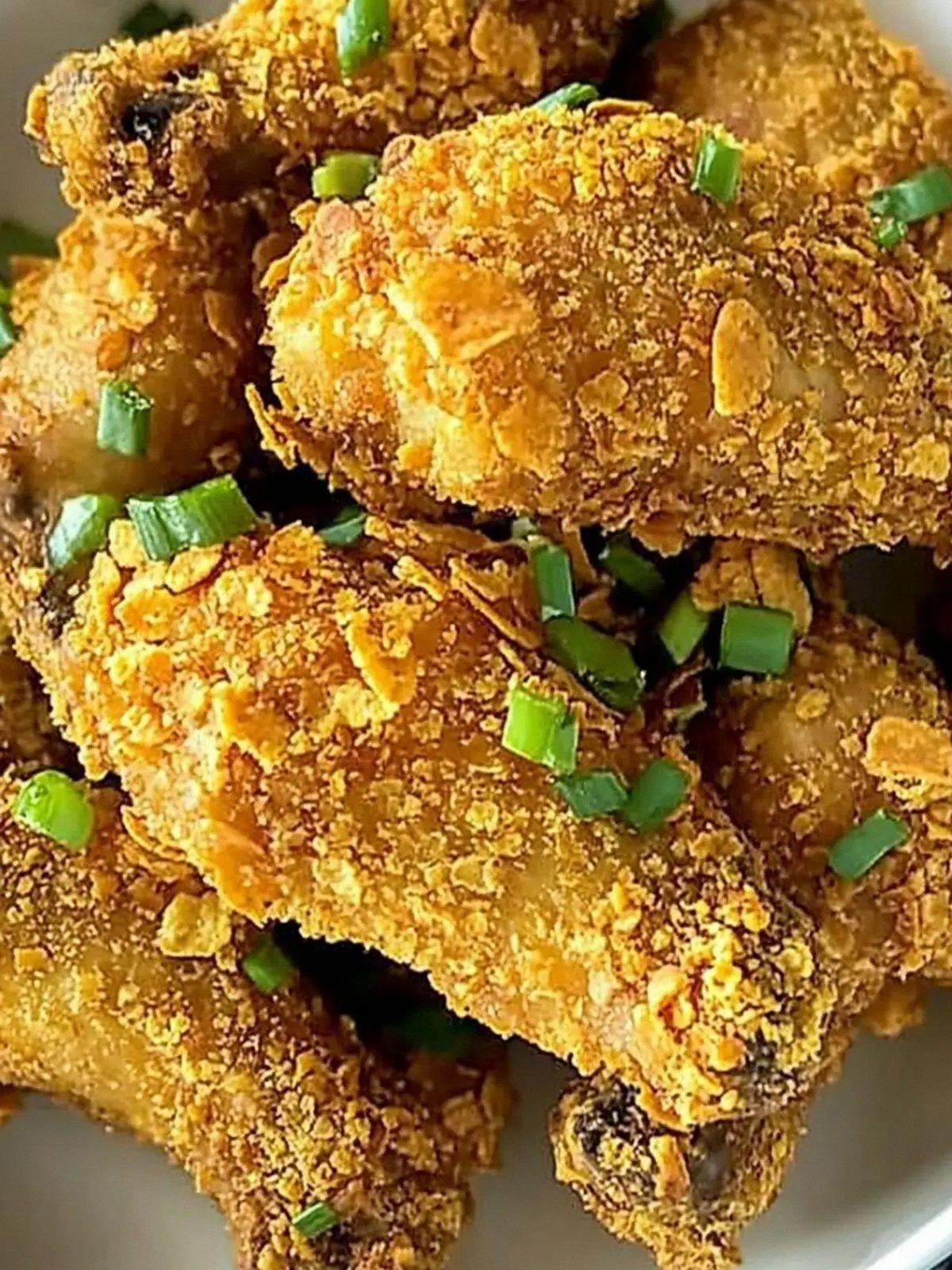
The Method — Step by Step
- Start by patting the chicken thighs dry with paper towels; this step is crucial for a crispy coating. Sprinkle a light dusting of salt and freshly ground pepper over both sides, letting the seasoning seep into the meat. This simple dry rub locks in moisture and adds a baseline flavor that the soy sauce will build upon. Once seasoned, set the chicken aside for a few minutes to let the flavors mingle.
- Heat a large skillet over medium‑high heat and add a splash of oil—vegetable or canola works best. When the oil shimmers, carefully place the chicken thighs skin side down, making sure not to overcrowd the pan. This will allow each piece to develop a golden, caramelized crust. Let them cook for 4–5 minutes on the first side until the skin turns a deep amber.
- Flip the chicken to the other side and pour 2 tablespoons of soy sauce into the skillet, letting it swirl around the meat. The soy sauce will create a glossy glaze that locks in juices and adds a savory depth. Keep an eye on the sauce; as it reduces, it will thicken and coat the chicken evenly. This is the moment of truth—watch the color change to a rich, caramel hue.
- While the soy sauce reduces, toast the cornflakes in a dry skillet over medium heat for about 3 minutes, stirring constantly until they turn golden. The toasting step is essential; it prevents the flakes from becoming soggy when they hit the hot chicken. Once toasted, transfer them to a large mixing bowl and let them cool slightly before use.
- Remove the chicken from the skillet and let it rest on a plate for a minute. This brief pause allows the juices to redistribute, ensuring the meat stays moist. While resting, quickly dip each thigh in the soy sauce, making sure the liquid coats every surface. This second coating will act as a glue, binding the cornflakes to the chicken.
- Roll each coated chicken thigh in the toasted cornflakes, pressing gently to ensure the flakes adhere firmly. The crunch will be more pronounced if the flakes are evenly distributed. Place the coated thighs back into the skillet, skin side down, and cook for an additional 4–5 minutes until the coating turns a deep, golden brown.
- If you notice any excess oil pooling in the pan, gently spoon it away to prevent the coating from becoming greasy. Use a spoon to lift the chicken slightly and let the excess oil drain. This step is crucial for maintaining that coveted crisp texture. While the chicken finishes, drizzle a splash of water or broth over the top; the steam will help keep the meat juicy.
- Once the coating is crisp and the chicken reaches an internal temperature of 165°F (75°C), transfer the thighs to a serving platter. Let them rest for 2 minutes before cutting; this allows the juices to settle and the coating to set. Serve immediately with a side of steamed vegetables or a fresh salad for a balanced meal.
- To finish, sprinkle a pinch of sesame seeds or a drizzle of sesame oil over the top for an extra layer of flavor. This final flourish adds a subtle nutty aroma that complements the soy and cornflakes beautifully. Present the dish with a flourish, and watch your guests’ eyes widen as they take their first bite.
That's it — you did it. But hold on, I've got a few more tricks that'll take this to another level. Keep reading, because the next section will give you the insider knowledge that turns a great dish into a legend.
Insider Tricks for Flawless Results
The Temperature Rule Nobody Follows
Many cooks think a high heat is always better for crisping, but the secret lies in a moderate, consistent temperature. Cook the chicken at medium‑high for the first 4 minutes, then lower to medium for the remainder. This allows the coating to set without burning, giving you a uniform crunch. If you’re using a gas stove, keep the flame slightly lower than the burner’s maximum; this helps maintain an even heat distribution.
Why Your Nose Knows Best
The aroma of soy sauce caramelizing is a reliable indicator that the coating is ready. When the smell becomes sweet and nutty, it’s time to flip. Trust your senses—if the scent is still metallic, give it another minute. A good rule of thumb: the first side should take about 4 minutes before the aroma changes.
The 5‑Minute Rest That Changes Everything
Letting the chicken rest after cooking may seem like a waste of time, but it’s essential for moisture retention. The rest period allows the juices to redistribute, preventing the meat from drying out. A 5‑minute rest also lets the coating set, making it easier to slice without tearing the crisp exterior.
Use a Paper Towel to Drain Excess Oil
After cooking, place the chicken on a rack or paper towels to absorb any residual oil. This step keeps the coating from becoming greasy and preserves the crunch. I’ve seen dishes lose their crispness when left on a flat surface; the paper towel trick is a simple yet effective solution.
Add a Splash of Water for Moisture
Adding a tablespoon of water or broth during the last minutes of cooking creates steam that keeps the meat juicy. The steam also helps re‑crisp the coating, giving it that satisfying snap. Just be careful not to add too much liquid, or the coating will become soggy.
Creative Twists and Variations
This recipe is a playground. Here are some of my favorite ways to switch things up:
Spicy Sriracha Crunch
Swap the plain soy sauce for a mixture of soy and sriracha. The heat adds a new dimension, while the cornflakes still provide the crunch. Serve with a cool cucumber salad to balance the spice.
Herb‑Infused Delight
Add dried thyme or rosemary to the soy sauce before coating. The herbs infuse the chicken with aromatic notes that pair wonderfully with the sweet cornflakes. A splash of lemon zest after cooking brightens the dish.
Ginger‑Garlic Glaze
Stir grated ginger and minced garlic into the soy sauce. This creates a savory glaze that complements the crispy exterior. Finish with a drizzle of honey for a sweet‑savory finish.
Panko Upgrade
Replace cornflakes with panko breadcrumbs for a different crunch profile. The panko will give a lighter, airy texture that still caramelizes beautifully. This variation is great for those who prefer a more traditional breadcrumb coating.
Cheesy Crunch
Sprinkle grated Parmesan or cheddar over the coated chicken before the final bake. The cheese melts into the coating, creating a gooey, savory layer. The result is a crunchy, cheesy masterpiece.
Gluten‑Free Option
Use gluten‑free cornflakes and a gluten‑free soy sauce. This keeps the dish safe for those with gluten sensitivities while maintaining the classic crunch. Pair with a side of quinoa for a wholesome meal.
Storing and Bringing It Back to Life
Fridge Storage
Store leftovers in an airtight container in the refrigerator for up to 3 days. The coating may soften slightly, but it remains safe to eat. When you’re ready to enjoy, reheat in a preheated oven at 350°F (175°C) for 10 minutes to restore crispness.
Freezer Friendly
Wrap the chicken tightly in plastic wrap and place in a freezer bag. Freeze for up to 2 months. When ready, thaw overnight in the refrigerator and bake at 375°F (190°C) for 20 minutes, or until the coating is golden.
Best Reheating Method
Add a splash of water before reheating to steam the chicken and keep it moist. Then finish in a hot skillet or oven to re‑crisp the coating. This simple trick brings the dish back to its original glory.