Picture this: I’m standing in my cramped kitchen, the oven timer chirping like a nervous metronome, and a half‑filled turkey wing hanging in my hand. The scent of fresh rosemary hits me before I even touch it, and I realize I’ve been chasing a flavor that’s been missing in every dinner I’ve tried. I’ve tried the classic roast, the brine, the glaze, but nothing has satisfied that craving for a crisp, herb‑laden bite that feels both comforting and daring. It’s the kind of dish that turns a regular family dinner into a small celebration, and I’m about to share how to get there.
I’ll be honest—when I first cracked open a fresh wing, I was tempted to just toss it in the oven with a handful of spices. I didn’t know that a simple combination of olive oil, rosemary, and a whisper of garlic could elevate it to something that could make even the most skeptical palate swoon. That first bite was a revelation: the skin crackled like a dry leaf, the meat inside was juicy, and the herbaceous aroma danced across the room. I dared you to taste this and not go back for seconds, because once you’ve tasted the magic, you’ll never settle for bland again.
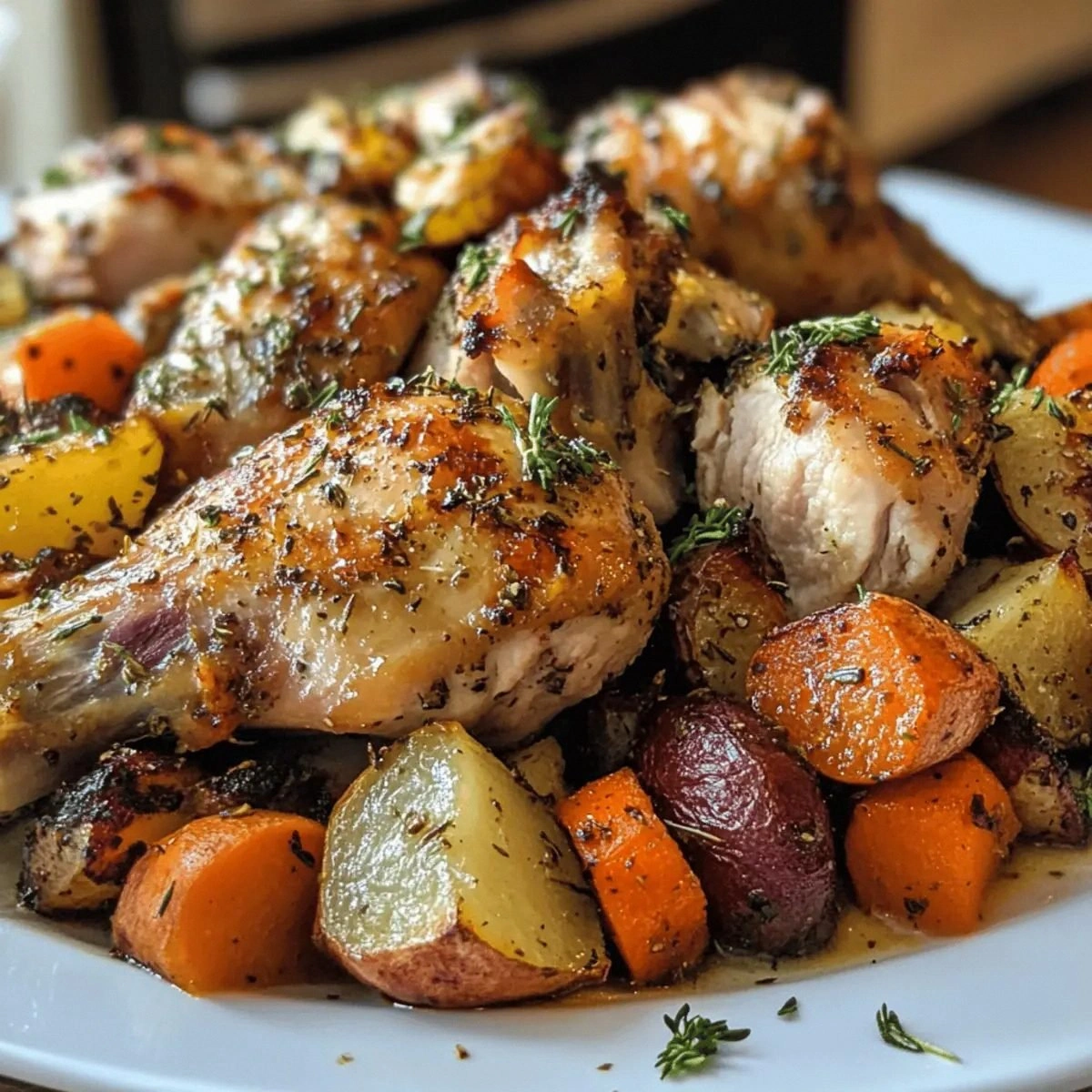
Most recipes get this completely wrong by either over‑cooking the meat or under‑seasoning the veggies. The key is a low, slow roast that allows the herbs to infuse while the skin turns golden and flaky. I’ve spent countless hours tweaking the timing, experimenting with different herb combinations, and discovering that the secret to that perfect crust is a thin, even coat of olive oil that glazes the wings as they bake. The result is a dish that looks as good as it tastes, and I guarantee it will become a staple on your table.
If you’ve ever struggled with turkey wings—finding them tough or dry, or the veggies falling apart—you're not alone. I’ve had my share of kitchen fails, from burning the edges to letting the potatoes become mushy. But I’ve also found simple fixes that turn a disaster into a triumph. Picture yourself pulling this out of the oven, the whole kitchen smelling incredible, and the family gathering around, eager for that first bite. Stay with me here—this is worth it.
What Makes This Version Stand Out
- Flavor: The blend of rosemary, thyme, and sage delivers a fragrant, earthy profile that lingers on the palate. Each herb releases its essence as it cooks, creating a complex aroma that makes the dish unforgettable.
- Texture: The wings achieve a crisp, crackling skin while the meat stays tender and juicy. The slow roasting technique ensures even cooking without drying out the interior.
- Simplicity: With just a handful of pantry staples and fresh herbs, you can create a gourmet experience that feels effortless. No fancy equipment or elaborate prep is required.
- Uniqueness: The combination of root vegetables roasted alongside the wings creates a comforting, one‑pan meal that stands out from typical turkey dishes.
- Crowd Reaction: Friends and family will rave about the crispy edges and the savory herb notes, making this dish a hit at gatherings.
- Ingredient Quality: Fresh, high‑quality herbs and vegetables elevate the dish, turning ordinary ingredients into a culinary showcase.
- Cooking Method: The oven’s steady heat and the herb infusion technique keep the wings moist while the veggies caramelize beautifully.
- Make‑Ahead Potential: Marinate the wings a few hours ahead, or even overnight, to deepen the flavors without sacrificing freshness.
Inside the Ingredient List
The Flavor Base
The foundation of this dish is simple yet powerful. Olive oil serves as the carrier that brings the herbs to life, allowing their flavors to permeate the meat and vegetables alike. Rosemary and thyme are the traditional companions of poultry, each contributing a distinct note—rosemary with its piney, slightly citrusy undertone, and thyme with its subtle, almost minty whisper. Garlic cloves add a savory depth that cuts through the richness of the turkey wings, ensuring every bite is layered with complexity. If you skip the herbs, the dish becomes flat and forgettable; the aromatics are the soul of the meal.
The Texture Crew
Root vegetables are the unsung heroes of this recipe. Carrots, parsnips, potatoes, and onions not only add color but also balance the richness of the meat. Their natural sugars caramelize during roasting, creating a sweet, slightly caramelized crust that pairs perfectly with the savory herbs. Each vegetable brings a unique mouthfeel: the crunch of carrots, the earthiness of parsnips, the buttery softness of potatoes, and the tender bite of onions. If you omit any of these, you lose a layer of flavor and a textural contrast that keeps every forkful exciting.
The Unexpected Star
Fresh sage might seem like an odd choice, but it’s the secret weapon that sets this dish apart. Sage has a peppery, slightly bitter edge that complements the sweet root vegetables while adding depth to the turkey wings. Its subtle smokiness is reminiscent of a campfire, giving the dish an almost rustic, camp‑style feel. If you’re hesitant to use sage, try substituting it with marjoram or oregano, but be prepared for a slightly different flavor profile.
The Final Flourish
Seasoning is the final touch that ties everything together. Salt and black pepper are essential, but their timing matters. Adding salt before roasting helps draw out moisture, while pepper added after baking preserves its bright, peppery bite. The combination of fresh herbs, root vegetables, and seasoned wings creates a symphony of flavors that dance on the tongue. If you skip the seasoning step, the dish will taste flat, and the herbs will lose their potency.
Everything’s prepped? Good. Let’s get into the real action.
The Method — Step by Step
- Preheat your oven to 375°F (190°C). Line a large baking sheet with parchment paper for easy cleanup. The steady temperature ensures even roasting of both wings and veggies.
- Pat the turkey wings dry with paper towels to remove excess moisture. This step is critical for achieving that coveted crackling skin.
- In a small bowl, combine 2 tablespoons olive oil, rosemary, thyme, and minced garlic. Stir until the herbs are evenly coated with oil, creating a fragrant paste.
- Rub the herb mixture all over the wings, ensuring every surface is coated. The oil helps the herbs adhere and promotes crispness.
- Season the wings generously with salt and black pepper. The salt will draw out moisture, while pepper adds a bright, aromatic finish.
- Arrange the wings on the prepared baking sheet, leaving space between each piece. This allows hot air to circulate, ensuring even browning.
- Place the root vegetables on a separate sheet or in a shallow pan. Toss them with 2 tablespoons olive oil, sage, salt, and pepper, making sure each piece is coated.
- Roast the wings and vegetables together for 30 minutes, turning the veggies halfway through to promote even caramelization.
- Check the internal temperature of the wings with a meat thermometer; they should reach 165°F (74°C). This guarantees safety while preserving juiciness.
- Let the wings rest for 5 minutes before serving. Resting allows the juices to redistribute, ensuring every bite is moist and flavorful.
That’s it — you did it. But hold on, I’ve got a few more tricks that will take this to another level.
Insider Tricks for Flawless Results
The Temperature Rule Nobody Follows
Many people think a higher temperature always gives a crispier skin, but that can actually dry out the meat. I discovered that maintaining a steady 375°F (190°C) allows the fat to render slowly, giving the skin a golden, flaky texture without sacrificing juiciness. If you’re using a convection oven, lower the temperature by 25°F to compensate for the fan’s efficiency.
Why Your Nose Knows Best
Trust your nose when the wings are almost done. A warm, earthy aroma indicates that the herbs have fully released their flavors. If the smell is too sharp or metallic, it might mean the wings are overcooked. A subtle, sweet scent from the caramelized veggies signals that the sugars are just right.
The 5-Minute Rest That Changes Everything
Resting the wings for five minutes before carving is a game‑changer. This brief pause allows the juices to redistribute, preventing them from spilling onto the cutting board. The result is a moist, tender bite that stays juicy even after several servings.
Layering the Flavors
If you’re feeling adventurous, layer the herbs on the vegetables after they’ve roasted for 15 minutes. This second coating boosts the flavor profile and creates a subtle herb crust on the veggies, mirroring the wings’ crispiness.
Root Veggie Swap Trick
Want a sweeter bite? Swap carrots for sweet potatoes. The natural sugars in sweet potatoes caramelize beautifully, giving a bright, caramelized finish that pairs wonderfully with the savory wings.
Don’t Skip the Drizzle
Before serving, drizzle a splash of fresh lemon juice over the wings. The acidity cuts through the richness, brightening the dish and adding a fresh, zesty finish that lingers on the palate.
Creative Twists and Variations
This recipe is a playground. Here are some of my favorite ways to switch things up:
Smoky Chipotle Twist
Add a teaspoon of chipotle powder to the herb mixture for a subtle smoky heat. The chipotle pairs wonderfully with the earthy herbs, giving the wings a complex, layered flavor profile.
Asian-Inspired Glaze
Stir in a tablespoon of soy sauce and a dash of sesame oil to the olive oil before coating the wings. This gives a savory, umami depth that turns the dish into a fusion delight.
Herb-Infused Marinade
Marinate the wings for 4 hours or overnight in a mixture of olive oil, rosemary, thyme, and garlic. The extended marination deepens the flavors, resulting in an intensely aromatic dish.
Vegetarian “Wings” Version
Replace turkey wings with large, skinless chicken thighs or even tofu for a vegetarian version. The cooking times remain similar, and the herbs still infuse beautifully.
Spicy Cajun Variation
Sprinkle a blend of cayenne pepper, paprika, and garlic powder over the wings before roasting. This adds a bold, spicy kick that balances the herbaceous notes.
Sweet & Savory Glaze
Finish the wings with a glaze of honey, mustard, and a splash of apple cider vinegar. The glaze caramelizes during the last few minutes of roasting, giving a sweet, tangy crust.
Storing and Bringing It Back to Life
Fridge Storage
Store leftover wings and vegetables in an airtight container in the refrigerator for up to 4 days. The crispness of the skin may soften slightly, but the flavors remain robust.
Freezer Friendly
Wrap the wings and veggies tightly in foil or freezer bags and freeze for up to 3 months. Thaw overnight in the refrigerator before reheating.
Best Reheating Method
Reheat in a preheated oven at 350°F (175°C) for 10-12 minutes, or until the internal temperature reaches 165°F (74°C). Add a splash of water before reheating to keep the meat moist, then finish under the broiler for a minute to re‑crisp the skin.