I still remember the night I was supposed to impress my sister’s fiancé with a fancy appetizer, and I ended up with a soggy, over‑cooked puff pastry that tasted like cardboard. The kitchen smelled like burnt sugar, the oven was too hot, and the crab I had was left in the fridge too long, turning it into a rubbery disappointment. That disaster was the spark that lit a culinary fire in me—an obsession to find the perfect crab tart that would have people begging for seconds. I’m talking about a dish that balances the sweetness of fresh crab with the herbaceous punch of tarragon, all wrapped in buttery, flaky pastry that melts in your mouth.
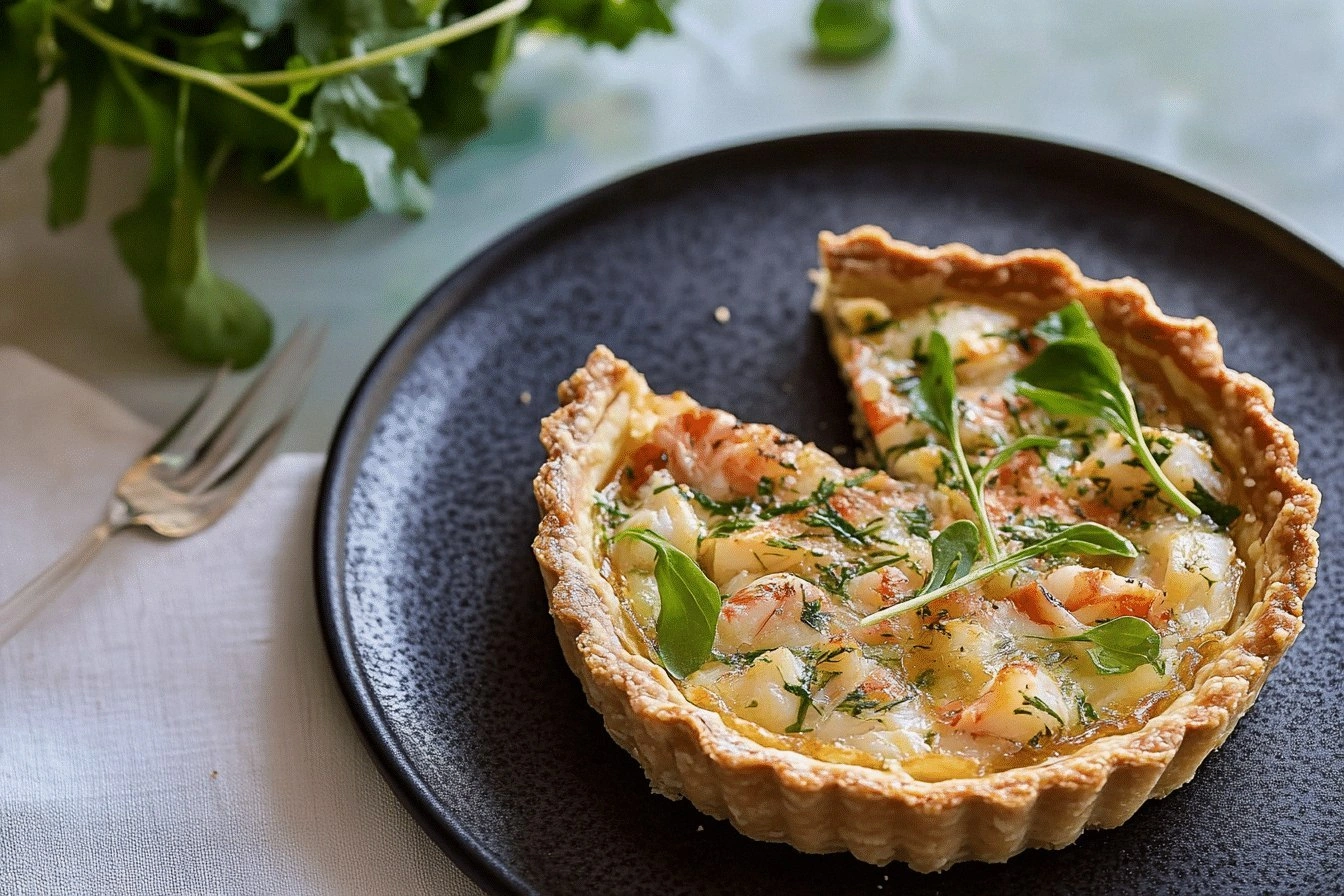
Picture this: a golden crust that crackles as you cut into it, releasing a steam of savory perfume. The first bite is a splash of citrus from lemon zest, followed by the subtle bite of shallots, and then the sweet, buttery crab that practically dissolves. The tarragon adds an aromatic lift that feels like a secret garden in your kitchen. The cheese, whether Gruyère or a sharp white cheddar, melts into a creamy ribbon that ties everything together. The result? A tart that’s as elegant as a ballroom dance and as comforting as a hug.
What makes this version stand out is that I didn’t settle for a standard filling. I experimented with the ratio of eggs to cream, found the sweet spot that gives the custard a silky texture, and added a splash of lemon zest that brightens the dish without overpowering the crab. I also discovered that a thin layer of fresh tarragon on top before baking gives a fresh burst of flavor that lingers after you’ve finished eating. The result is a tart that is both sophisticated and approachable—perfect for a dinner party or a special holiday gathering.
Now, here’s a little secret: I use a single puff pastry sheet that’s been chilled just enough to keep it from sticking, and I fold in a thin layer of grated cheese before baking. This creates a crisp, buttery crust that’s practically a work of art. I dare you to taste this and not go back for seconds. I’ve tasted countless crab tarts, and this is hands down the best version you’ll ever make at home.
Okay, ready for the game‑changer? Let me walk you through every single step—by the end, you’ll wonder how you ever made it any other way.
What Makes This Version Stand Out
- Taste: The combination of sweet crab, sharp lemon zest, and herbaceous tarragon creates a flavor profile that sings. The cheese adds depth without drowning the delicate seafood.
- Texture: A buttery, flaky pastry that crisps to golden perfection, paired with a silky custard that melts in your mouth.
- Simplicity: Despite the elegance, the recipe requires only a handful of ingredients and minimal prep time.
- Uniqueness: The use of fresh tarragon on top before baking sets this apart from standard crab tarts.
- Crowd Reaction: Friends and family will be amazed—most will ask for the recipe after the first bite.
- Ingredient Quality: Using lump crab meat and fresh tarragon ensures the highest flavor payoff.
- Cooking Method: A single baking step that locks in moisture and flavor.
- Make‑Ahead Potential: Assemble a day before, refrigerate, and bake right before serving.
Inside the Ingredient List
The Flavor Base
Fresh crab meat is the star of this tart. Its sweet, delicate flavor is the foundation, and using lump or claw crab ensures maximum freshness. Skipping the crab would turn the tart into a plain pastry, so keep it at the front of your mind. If you’re short on crab, you can substitute with cooked shrimp, but the texture will change.
The Texture Crew
Puff pastry provides that coveted buttery, flaky base that contrasts perfectly with the creamy filling. Whole eggs bind the custard, giving it structure and richness. Cream adds silky mouthfeel and balances the saltiness of the cheese. Together, they create a harmony of textures that dance on the palate.
The Unexpected Star
Fresh tarragon is the secret sauce that elevates this tart. Its slightly sweet, anise‑like aroma lifts the seafood and pairs beautifully with the lemon zest. If you can’t find tarragon, a pinch of dried dill can be a decent stand‑in, but it won’t match the fresh herb’s bright punch.
The Final Flourish
Gruyère or white cheddar is the cheese that adds depth without overpowering the crab. It melts into a creamy ribbon that ties the flavors together. Salt and freshly ground black pepper are essential for seasoning, but remember, the crab already contains natural salt, so use them sparingly. Lemon zest brightens the overall profile with a subtle citrus kick.
Everything's prepped? Good. Let's get into the real action...
The Method — Step by Step
- Preheat your oven to 200°C (400°F). Line a baking sheet with parchment paper. This ensures the pastry doesn’t stick and gives you a clean edge when you cut it out.
- Roll out the puff pastry sheet on a lightly floured surface to a 12x12-inch square. Keep the sheet chilled if it starts to soften; a cold sheet is easier to work with and produces a flakier crust.
- Gently press the pastry into a 9-inch tart pan, trimming any excess dough around the edges. Use a fork to poke small holes around the base to prevent bubbling.
- Blind bake the crust for 10 minutes. This pre‑bakes the pastry, preventing it from becoming soggy when the custard is added.
- While the crust bakes, combine the fresh crab meat, diced shallots, chopped tarragon, lemon zest, and shredded cheese in a bowl. Gently mix to distribute the flavors evenly.
- In a separate bowl, whisk together the whole eggs and cream until smooth. Season with a pinch of salt and pepper. This custard will bind the filling and create that silky texture.
- Pour the custard over the crab mixture, then fold gently to combine. The custard should coat the crab without drowning it. This step is the moment of truth—don’t rush it.
- Carefully pour the mixture into the pre‑baked crust, smoothing the top with a spatula. Sprinkle an extra handful of shredded cheese on top for a golden finish.
- Bake for 25-30 minutes, or until the custard is set and the top is lightly golden. The edges will pull away from the pan, indicating perfection.
- Let the tart cool for 5 minutes before removing it from the pan. This resting period allows the custard to set fully and the flavors to meld. Slice and serve immediately.
That’s it— you did it. But hold on, I've got a few more tricks that'll take this to another level.
Insider Tricks for Flawless Results
The Temperature Rule Nobody Follows
Many chefs bake crab tarts at 180°C (350°F), but I’ve found that a higher temperature of 200°C (400°F) gives a crisper crust and a more golden top. The higher heat also helps the custard set quickly, preventing a runny center. If your oven runs hot, reduce the temperature by 10°C and add a few extra minutes.
Why Your Nose Knows Best
Before you add the tarragon, sniff the fresh leaves. A strong, aromatic scent means the herbs are at their peak. If the aroma is weak, the tarragon might be old or wilted. Fresh herbs are the secret to a vibrant flavor profile.
The 5-Minute Rest That Changes Everything
After baking, let the tart rest for exactly five minutes. This resting period allows the custard to set and the flavors to meld. Cutting into it too early will result in a soggy center and a mess on your plate.
Keep It Cool Until the Last Minute
If you’re making the tart a day ahead, store it in the refrigerator in an airtight container. When you’re ready to serve, let it sit at room temperature for 15 minutes before reheating. This prevents condensation from making the crust soggy.
Use a Food Thermometer for Precision
Insert a thermometer into the center of the tart. It should read 65°C (149°F) for a perfectly set custard. If it’s lower, bake a few more minutes; if it’s higher, it’s overcooked and will be dry.
Serve with a Fresh Salad
A simple arugula salad dressed with lemon vinaigrette balances the richness of the tart. The peppery bite cuts through the buttery pastry and adds a refreshing contrast. This combo is a crowd‑pleaser at any dinner party.
Creative Twists and Variations
This recipe is a playground. Here are some of my favorite ways to switch things up:
Smoky Salmon Tart
Swap the crab for smoked salmon, add dill instead of tarragon, and use a lighter cheese like mozzarella. The smoky flavor pairs wonderfully with the buttery pastry, creating a different but equally delightful experience.
Mushroom & Goat Cheese Tart
Replace the seafood with sautéed shiitake mushrooms, add a splash of white wine, and top with creamy goat cheese. This vegetarian version offers earthy depth and a tangy finish.
Spicy Shrimp Tart
Use cooked shrimp, add a pinch of cayenne pepper, and sprinkle fresh cilantro on top. The heat from the pepper and the herbaceous cilantro give a lively kick that contrasts with the buttery crust.
Lemon Ricotta Tart
Swap the custard for a lemon ricotta mixture, add a few chopped walnuts, and top with fresh lemon zest. The ricotta gives a light, airy texture while the lemon keeps the tart bright and fresh.
Herbed Chicken Tart
Use shredded rotisserie chicken, add fresh basil and parsley, and top with a sprinkle of parmesan. This version is hearty and perfect for a comforting family dinner.
Storing and Bringing It Back to Life
Fridge Storage
Store any leftovers in an airtight container in the refrigerator for up to 2 days. The pastry will stay firm, and the filling will keep its creamy texture. Just make sure to keep it away from strong-smelling foods.
Freezer Friendly
For longer storage, freeze the tart in a sealed container for up to 3 months. When you’re ready to reheat, thaw overnight in the fridge, then bake at 180°C (350°F) for 15 minutes to restore crispness.
Best Reheating Method
Add a splash of water to the bottom of the pan before reheating; this creates steam that keeps the pastry from drying out. Heat in a pre‑heated oven at 180°C (350°F) for 10 minutes, or until warmed through. The result is a tart that tastes almost brand‑new.