Picture this: I’m standing in a cramped kitchen, the oven door swinging open like a tired gate, and my friends are staring at me like I’ve just declared war on their taste buds. I had promised a “quick dinner” after a day of chaotic meetings, but the reality was a burnt pot of pasta and a fridge full of wilted lettuce. I stared at the smoke, sighed, and then remembered the little corner of the pantry that held a secret weapon—two racks of lamb, a handful of garlic, and a sprig of rosemary that smelled like summer in a bottle. That moment, that culinary misstep, sparked a dare from a friend: “I dare you to taste this and not go back for seconds.”
I rolled up my sleeves and dove into the recipe, and the kitchen transformed into a stage where aromas danced like confetti. The first thing that hit my senses was the sharp, peppery scent of fresh rosemary, mingling with the sweet, earthy aroma of crushed garlic. The sizzling sound as the lamb hit the hot pan was a drumroll, and the sizzle itself was a promise of crispy, golden edges that shatter like thin ice. The sight of the meat turning from pink to a beautiful mahogany crust was almost cinematic. And when I finally tasted it, the flavors exploded: a savory, herbaceous bite with a hint of honeyed sweetness that made my palate do a happy dance.
This version stands out because it’s not just a dish; it’s a revelation that turns a simple rack of lamb into a showstopper. The crust is not merely a coating; it’s a textural contrast that provides a crunchy, caramelized exterior while keeping the interior juicy and tender. The mint sauce is a silky, refreshing counterpoint that cuts through the richness, creating a balance that feels both indulgent and light. The combination of rosemary and garlic is elevated by the subtle sweetness of honey, and the finish is brightened by the acidic lift of red wine vinegar. Most recipes get this completely wrong by overcooking the lamb or under-seasoning the crust, but this one hits every sweet spot.
And if you think you’ve seen every lamb recipe, think again. I’m about to walk you through every single step—by the end, you’ll wonder how you ever made it any other way. Let’s get started.
What Makes This Version Stand Out
- Taste: The marriage of rosemary, garlic, and honey creates a flavor profile that feels both earthy and subtly sweet, leaving the palate craving more.
- Texture: The crust forms a golden, caramelized shell that gives way to a melt‑in‑your‑mouth interior, offering a satisfying contrast in every bite.
- Simplicity: With only a handful of ingredients and a straightforward method, you can achieve gourmet results without a culinary degree.
- Uniqueness: The mint sauce, brightened with red wine vinegar, adds a zesty, herbal finish that sets this dish apart from classic lamb preparations.
- Audience Impact: Guests will rave, and you’ll become the unofficial host of every dinner party.
- Ingredient Quality: Using fresh, high‑quality lamb and herbs ensures that each bite is pure, unadulterated flavor.
Alright, let's break down exactly what goes into this masterpiece...
Inside the Ingredient List
The Flavor Base
The foundation of this dish begins with the lamb itself—two racks, each weighing about 1.5 to 2 pounds. The lamb’s natural fat renders during cooking, creating a velvety sauce that envelopes every bite. If you’re on a budget, opt for bone‑in racks; the bones add depth to the juices and help keep the meat juicy. Avoid pre‑seasoned lamb; I love the freedom to control the salt and pepper levels myself.
Garlic is the next hero. Four cloves, minced finely, release their pungent oils when cooked, providing a savory backbone that pairs beautifully with rosemary. If you’re sensitive to raw garlic, give it a brief sauté in the olive oil before adding the lamb to mellow the bite. Skipping garlic would leave the crust bland, and you’d lose that essential aromatic kick.
Rosemary is the aromatic star that gives the crust its signature scent. A tablespoon of chopped fresh rosemary is enough to coat the meat and infuse it with a piney, resinous flavor. If you can’t find fresh rosemary, a teaspoon of dried will suffice, but the fresh herb delivers a brighter, more vibrant note.
Olive oil is the medium that binds the crust together and prevents sticking. Two tablespoons of good‑quality extra‑virgin olive oil create a thin film that caramelizes into a golden crust. A higher‑quality oil also adds a fruity undertone that complements the herbs. Skipping the oil would result in a dry, uneven crust.
The Texture Crew
Salt and pepper are the unsung heroes that elevate every flavor. A teaspoon of sea salt for the crust and a teaspoon for the sauce ensures that the meat is seasoned evenly without overpowering the herbs. If you prefer a lighter salt, sea salt flakes work beautifully. Pepper adds a subtle heat and complexity; a teaspoon for each component is enough to give depth without a peppery sting.
Mint is the unexpected star that brightens the dish. Half a cup of finely chopped fresh mint leaves is mixed into the sauce, releasing a cool, refreshing flavor that cuts through the richness of the lamb. Fresh mint is essential; dried mint loses its bright, green notes. If you’re out of mint, a handful of fresh parsley can be a decent stand‑in, but it won’t replicate the cooling effect.
Red wine vinegar adds a subtle acidity that balances the sweetness of honey and the richness of lamb. Quarter cup is enough to brighten the sauce without making it tart. If you prefer a milder acid, a splash of white wine vinegar works, but the red wine vinegar offers a deeper, fruitier profile.
Honey is the sweet glue that rounds out the sauce. A tablespoon of honey adds a caramelized sweetness that pairs perfectly with the vinegar’s acidity. If you’re watching sugar, a drizzle of maple syrup can be a suitable alternative, though it will alter the flavor profile slightly.
The Unexpected Star
Extra virgin olive oil is the second oil that plays a crucial role in the sauce. Two tablespoons of high‑quality oil help emulsify the sauce, giving it a silky texture that coats the lamb like velvet. The oil’s fruity notes also enhance the mint’s freshness. Skipping this oil would leave the sauce thin and watery.
The Final Flourish
The final touches—salt and pepper for the sauce—bring harmony to the dish. A teaspoon of salt and a teaspoon of pepper finish the sauce, ensuring that every bite is balanced. If you’re on a low‑sodium diet, reduce the salt to a pinch, but keep the pepper to maintain flavor. A pinch of crushed red pepper flakes can add a subtle heat if you like a little spice.
Everything's prepped? Good. Let's get into the real action.
The Method — Step by Step
- Preheat your oven to 400°F (200°C). Pat the lamb racks dry with paper towels to ensure a crisp crust. Season both sides generously with salt and pepper. Let the meat sit at room temperature for 15 minutes; this step helps it cook evenly.
- In a small bowl, combine the minced garlic, chopped rosemary, and two tablespoons of olive oil. Gently rub this mixture all over the lamb racks, pressing the herbs into the meat so they adhere. The garlic’s aroma should be instantly noticeable, and the oil will help the crust form a golden finish.
- Place the lamb racks on a wire rack set over a rimmed baking sheet. This setup allows the heat to circulate around the meat, ensuring even cooking. Slide the sheet into the preheated oven and roast for 15 minutes, or until the crust is deeply golden.
- After the initial roast, reduce the oven temperature to 350°F (175°C). Continue roasting for another 12-15 minutes, or until the internal temperature reaches 135°F (57°C) for medium‑rare. Use a meat thermometer for precision; this ensures the lamb remains juicy.
- While the lamb finishes cooking, prepare the mint sauce. In a small saucepan, combine the mint leaves, red wine vinegar, honey, and two tablespoons of extra virgin olive oil. Heat over low heat, stirring until the mint releases its oils and the mixture thickens slightly. The sauce should smell bright and herbaceous.
- When the lamb reaches the desired temperature, remove it from the oven and tent it loosely with foil. Let it rest for 10 minutes; this allows the juices to redistribute, keeping the meat moist and flavorful.
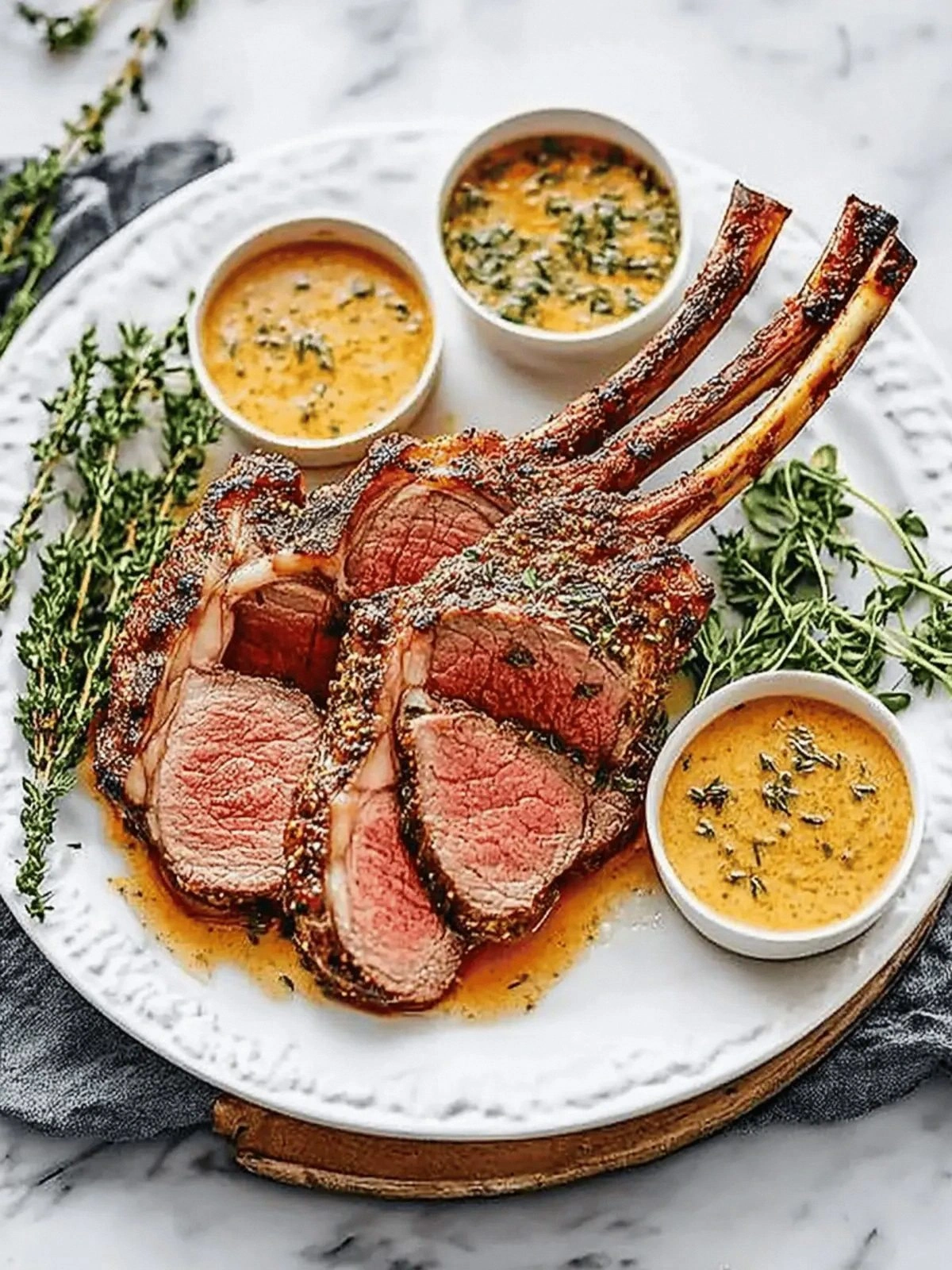
- Slice the rested lamb between the ribs into thick, generous chops. Arrange the slices on a platter, drizzle the mint sauce over the top, and garnish with a few whole mint sprigs for a pop of color.
- Serve immediately, accompanied by roasted root vegetables or a crisp green salad. The fresh, herbaceous sauce will contrast beautifully with the savory lamb, creating a memorable dining experience.
That's it — you did it. But hold on, I've got a few more tricks that'll take this to another level...
Insider Tricks for Flawless Results
The Temperature Rule Nobody Follows
Many cooks jump straight to the oven at a high temperature, but the secret is a two‑stage roast. Start at 400°F for a crisp crust, then drop to 350°F to finish the interior gently. This method prevents the outside from burning while keeping the inside juicy. I once tried a single high‑heat roast and ended up with a dry center—lesson learned the hard way.
Why Your Nose Knows Best
Before you touch the lamb, inhale deeply through the crust. The aroma of rosemary and garlic will give you a sneak preview of the flavor profile. If the scent feels off, adjust the seasoning or add more herbs. Trust your nose; it’s the best judge of seasoning.
The 5-Minute Rest That Changes Everything
Resting the lamb is not just a courtesy; it’s a game‑changer. During those 5 minutes, the internal juices redistribute, preventing them from spilling out when you cut the meat. A rested lamb will stay moist, and the crust will remain crisp. Skipping this step often results in a dry, unappetizing bite.
The Crust’s Secret Weapon
Flaky sea salt is a simple addition that can elevate the crust’s texture. Sprinkle it just before roasting; the crystals help draw out moisture and create a crunchy layer. If you’re watching sodium, use a pinch of low‑sodium sea salt; the effect remains.
Flavor Layering for Depth
Add a splash of dry white wine to the roasting pan during the last 10 minutes. The wine will steam the lamb, infusing it with subtle fruitiness. The liquid also helps deglaze the pan, creating a quick pan sauce if you like.
Presentation Tricks to Wow
Arrange the lamb slices in a fan shape on the platter, and drizzle the mint sauce in a thin stream across the top. Sprinkle a few fresh mint sprigs and a dusting of cracked pepper for visual flair. A well‑presented dish not only tastes better but also feels like a celebration.
Creative Twists and Variations
Spicy Red Pepper Crust
Add a teaspoon of crushed red pepper flakes to the garlic‑rosemary mixture for a fiery kick. The heat pairs wonderfully with the mint sauce, creating a bold contrast. This variation is perfect for those who love a bit of spice in their lamb.
Herb-Crusted Lamb with Thyme
Swap rosemary for fresh thyme and add a splash of lemon zest to the crust. The citrusy note brightens the flavor profile and complements the mint sauce. This version offers a Mediterranean twist that’s both fresh and aromatic.
Smoky Chipotle Mint Sauce
Blend a tablespoon of chipotle in adobo sauce into the mint sauce for a smoky, smoky flavor. The chipotle adds depth and a subtle heat that balances the sweet honey. This sauce turns the dish into a smoky, herbaceous masterpiece.
Mediterranean Twist with Olives
Add chopped Kalamata olives to the mint sauce for a briny, savory layer. The olives’ saltiness enhances the lamb’s richness and gives the sauce a Mediterranean flair. This variation is ideal for a brunch or a light dinner.
Asian-Style Soy Glaze
Replace the honey with a tablespoon of low‑sodium soy sauce and a dash of sesame oil. The glaze will give the lamb an umami, slightly sweet finish that pairs well with the mint. This version is a fusion dish that merges Western lamb with Eastern flavors.
Lemon-Infused Mint Reduction
Add a tablespoon of fresh lemon juice to the mint sauce and simmer until reduced by half. The acidity brightens the sauce and adds a citrusy brightness that lifts the dish. This variation is perfect for a summer dinner.
Storing and Bringing It Back to Life
Fridge Storage
Cool the cooked lamb to room temperature before placing it in an airtight container. Store in the refrigerator for up to three days. The crust will soften slightly, but the flavor remains strong. For best results, reheat gently to restore the crust.
Freezer Friendly
Wrap the rested lamb tightly in plastic wrap and place it in a freezer bag. Freeze for up to two months. Thaw in the refrigerator overnight before reheating. Freezing preserves the meat’s juiciness and flavor profile.
Best Reheating Method
Reheat in a 300°F (150°C) oven for 10-15 minutes, or until warmed through. To revive the crust, finish with a quick 1‑minute blast on the broiler. Add a splash of water before reheating to create steam; this will keep the meat moist and the crust crisp.