I remember the night I tried to recreate the Swedish meatball recipe that my grandma used to make, only to end up with a batch that looked like it had been tossed in a blender and then left to sit on a hot grill for a week. The kitchen was a chaos of browned crumbs, a lingering scent of burnt onions, and a plate of meatballs that were more rubbery than tender. I stared at the tray, felt the heat of the oven, and wondered if I was about to make a culinary disaster. That moment was the spark that pushed me to reimagine the dish, to strip away the excess, and to focus on flavor, texture, and health.
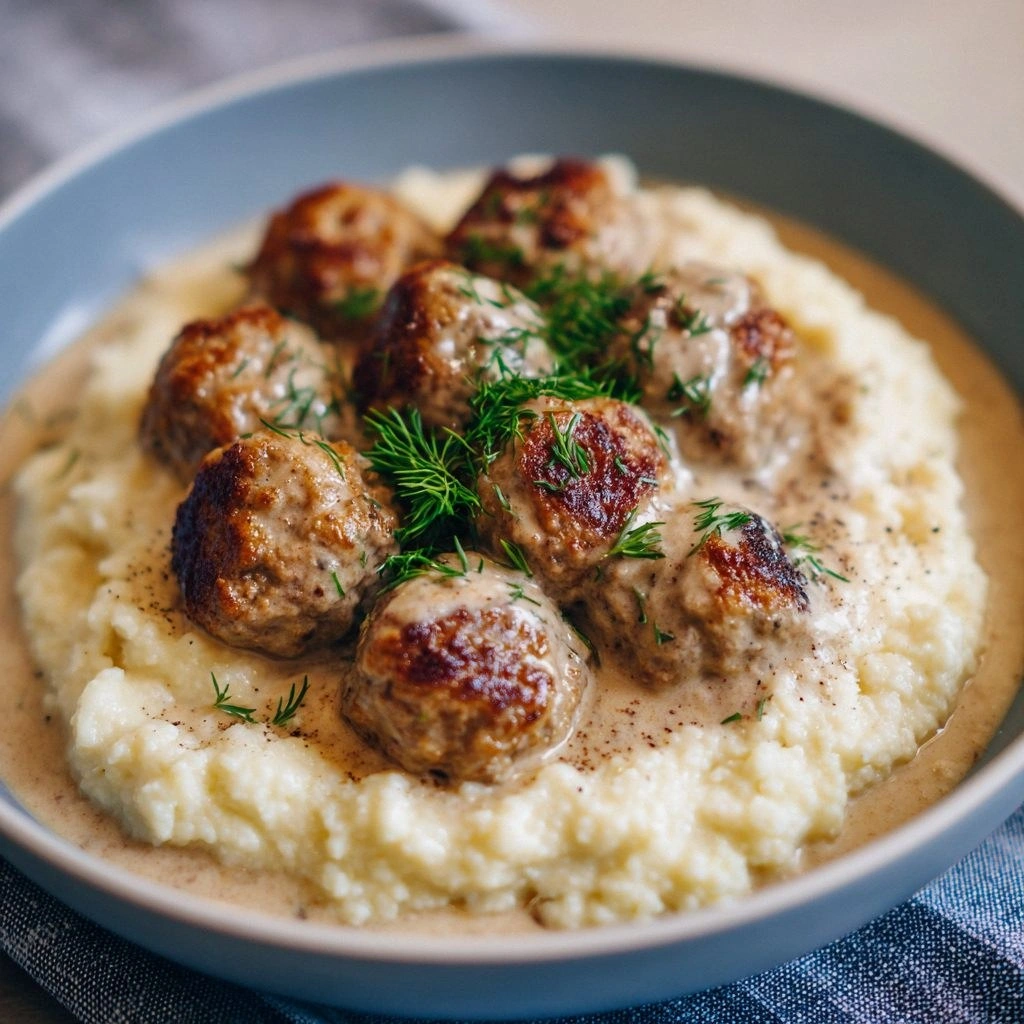
Picture this: the sound of the first bite as the meatball meets your fork, the aroma of garlic and dill dancing through the air, the gentle crunch of oat flour coating each morsel, and the creamy sauce that swirls around your tongue like a silk ribbon. The visual is a golden-brown sphere nestled on a bed of silky cauliflower mash, speckled with a touch of fresh parsley. The touch is the warmth of the meatball, the coolness of the mash, and the slight resistance of the oat flour that gives it a satisfying bite. The taste is a harmonious blend of savory, slightly tangy, and herbaceous notes that linger long after the last bite. The smell is comforting, reminiscent of a cozy kitchen on a crisp winter evening, but without the heaviness.
What makes this version stand out is that it’s not just a healthier alternative—it’s a reinvention that respects the soul of Swedish cuisine while embracing modern nutrition. I’ve replaced the traditional flour and cream with oat flour and Greek yogurt, trimmed the fat, and added a splash of lemon to brighten the sauce. The result is a dish that feels indulgent yet is low in calories and high in protein, making it perfect for both family dinners and post-workout meals. The meatballs hold together beautifully, thanks to a balanced blend of oat flour and egg, and the sauce coats each ball like a velvet blanket. My friends keep asking me for the secret, and I’m happy to share it because it’s truly transformative.
There’s a twist you won’t expect: the cauliflower mash isn’t just a side; it’s an integral part of the flavor profile, absorbing the sauce and adding a subtle, buttery sweetness that pairs perfectly with the savory meatballs. I dare you to taste this and not go back for seconds, because the combination of textures and flavors will keep you coming back for more. Picture yourself pulling this out of the oven, the whole kitchen smelling incredible, and the anticipation of the first bite building with each passing second. And trust me, the first bite will make you wonder how you ever made it any other way.
Let me walk you through every single step—by the end, you’ll wonder how you ever made it any other way.
What Makes This Version Stand Out
- Flavor: A bright, herbaceous profile achieved with dill and a splash of lemon that cuts through the richness.
- Texture: Oat flour gives the meatballs a firm bite without the heaviness of wheat flour.
- Nutrition: Low in fat, high in protein, and packed with fiber from the oat flour.
- Convenience: Ready to bake in under 30 minutes, making it a go-to weeknight dinner.
- Versatility: Works beautifully with cauliflower mash, rice, or a simple green salad.
- Make‑Ahead: The meatballs can be frozen before baking, allowing you to pop them in the oven whenever you’re hungry.
- Kid‑Friendly: The mild flavor and fun shape make it a hit with even the pickiest eaters.
- Presentation: The golden glaze and creamy sauce create a dish that looks as good as it tastes.
Alright, let's break down exactly what goes into this masterpiece…
Inside the Ingredient List
The Flavor Base
Ground turkey is the star of the show, offering a lean protein source that absorbs herbs and spices like a sponge. Using 450 g gives you a generous amount of meat while keeping the dish low in fat. If you prefer a richer flavor, you can swap in ground chicken or a mix of turkey and beef, but the texture will change slightly. The addition of a teaspoon of dried dill brings an authentic Scandinavian note that lingers on the palate.
The Texture Crew
Oat flour is the secret to a firm yet tender bite; it binds the meat without adding gluten, making it perfect for gluten‑sensitive diners. A single egg acts as a natural binder, preventing the meatballs from falling apart during baking. The finely chopped onion and minced garlic provide depth and a subtle sweetness that balances the savory meat. If you’re looking to reduce sodium, you can use a low‑sodium salt alternative or simply omit the salt and season with pepper and herbs.
The Unexpected Star
Cauliflower mash isn’t just a side; it’s a creamy, low‑carb base that soaks up the sauce. The mash adds a mild, slightly nutty flavor that complements the dill and lemon. It also brings a velvety texture that contrasts beautifully with the crispy exterior of the baked meatballs. If you’re a fan of roasted cauliflower, a touch of roasted garlic can elevate the mash even further.
The Final Flourish
Greek yogurt replaces heavy cream, cutting calories while still delivering a tangy, silky sauce. The yogurt’s acidity brightens the dish and helps balance the richness of the meat. A tablespoon of Dijon mustard adds a subtle kick, while a splash of fresh lemon juice keeps the flavors bright and lively. Butter is used sparingly to sauté the meatballs, giving them a golden crust that seals in moisture.
Everything's prepped? Good. Let's get into the real action...
The Method — Step by Step
- Preheat your oven to 375°F (190°C) and line a baking sheet with parchment paper or a silicone mat. This step ensures that the meatballs bake evenly and don’t stick, making cleanup a breeze. While the oven heats, gather all your ingredients so you’re ready to move quickly. The key to a smooth process is having everything measured and within arm’s reach.
- In a large mixing bowl, combine the ground turkey, oat flour, egg, finely chopped onion, minced garlic, dried dill, salt, and pepper. Add the almond milk, Dijon mustard, and lemon juice, then stir until just combined. Over‑mixing can make the meatballs tough, so fold the ingredients gently. The mixture should be moist but not wet; if it feels dry, add a splash more almond milk.
- Using a tablespoon or a small cookie scoop, form the mixture into golf‑ball sized meatballs and place them on the prepared baking sheet, leaving a small gap between each. The uniform size ensures even cooking, and the gaps prevent the meatballs from steaming rather than baking. Arrange them with care, as the shape will be part of the dish’s charm.
- Bake the meatballs for 18–20 minutes, or until they reach an internal temperature of 165°F (74°C) and develop a golden crust. The edges should be slightly crisp, while the center remains juicy. Avoid opening the oven door frequently; the temperature drop can affect the final texture.
- While the meatballs finish baking, melt the butter in a skillet over medium heat. Add the Greek yogurt, soy sauce, and Worcestershire sauce, whisking until the sauce is smooth and heated through. The butter adds richness, while the yogurt keeps the sauce light. Taste and adjust seasoning if needed—more salt or a pinch of pepper can elevate the flavor.
- Remove the meatballs from the oven and let them rest on a wire rack for 5 minutes. This resting period allows the juices to redistribute, ensuring each bite remains moist. While they rest, pour the sauce over the meatballs, gently tossing to coat them evenly. The sauce should cling to the meatballs like a velvet blanket.
- Serve the meatballs over a generous scoop of cauliflower mash, then drizzle any remaining sauce on top. Garnish with fresh dill or chopped parsley for a burst of color and flavor. The mash’s silky texture pairs wonderfully with the meaty, herbaceous meatballs, creating a harmonious bite.
- Enjoy immediately, or let the dish cool before refrigerating for up to 3 days. When reheating, add a splash of water to the sauce to keep it from drying out. This method preserves the dish’s original taste and texture, making it a reliable week‑night solution.
That's it — you did it. But hold on, I've got a few more tricks that'll take this to another level...
Insider Tricks for Flawless Results
The Temperature Rule Nobody Follows
Many cooks assume that a higher oven temperature is always better, but for meatballs, a moderate 375°F (190°C) ensures a juicy interior and a crisp exterior. Lower temperatures can lead to dry meatballs, while higher temperatures can cause the outside to burn before the inside cooks. Use a digital thermometer to check the internal temperature; 165°F (74°C) is the sweet spot. This small adjustment can make the difference between a mediocre and a memorable dish.
Why Your Nose Knows Best
When the meatballs are halfway through baking, the aroma should be rich, savory, and slightly sweet. If the smell feels bland, the seasoning is off; if it’s too garlicky, the garlic has burned. Trust your nose to tell you when it’s time to flip or finish baking. A well‑seasoned meatball will release a fragrance that makes you salivate even before you taste it.
The 5‑Minute Rest That Changes Everything
After removing the meatballs from the oven, let them rest on a wire rack for exactly five minutes. During this time, the juices redistribute throughout the meatball, preventing them from drying out when sliced. Skipping this step often results in a meaty, but dry bite. Even a short rest can make a noticeable difference in texture.
Sauce Secrets for a Silky Finish
The Greek yogurt in the sauce keeps it light, but adding a teaspoon of oat flour will thicken it without altering the flavor. Stir the sauce gently to avoid curdling. If the sauce becomes too thick, a splash of almond milk will loosen it back to silky perfection. The key is to keep the sauce smooth and glossy.
Batch‑Freezing for Busy Nights
Form the meatballs, place them on a parchment‑lined tray, and freeze until solid. Once frozen, transfer them to a zip‑top bag and store in the freezer for up to 3 months. When you’re ready to cook, bake them directly from frozen, adding a minute or two to the baking time. This trick saves you prep time on hectic evenings and keeps the dish fresh.
The Final Touch: Fresh Herbs
Adding fresh dill or parsley right before serving elevates the dish’s aroma and adds a pop of color. The herbs also bring a fresh, bright note that balances the richness of the meatballs. Sprinkle them generously, and let the aroma fill the kitchen.
Creative Twists and Variations
This recipe is a playground. Here are some of my favorite ways to switch things up:
Mushroom‑Infused Meatballs
Sauté sliced mushrooms with the onions before mixing them into the meat. The earthy flavor complements the dill and adds depth. Serve over a mushroom risotto for a decadent twist.
Spicy Cajun Variation
Add a tablespoon of Cajun seasoning and a pinch of cayenne pepper to the meat mixture. The heat pairs wonderfully with the creamy sauce, creating a bold, spicy profile. Garnish with chopped cilantro for a fresh finish.
Mediterranean Twist
Replace the dill with oregano and add diced sun‑dried tomatoes. The sauce can be swapped for a tzatziki made with Greek yogurt, cucumber, and dill. This version feels like a Mediterranean feast.
Cheesy Cauliflower Mash
Stir in a handful of shredded cheddar into the cauliflower mash for a richer, more indulgent side. The cheese melts into the mash, creating a velvety texture that pairs beautifully with the meatballs.
Low‑Carb Keto Edition
Use almond flour instead of oat flour to keep the dish keto‑friendly. Reduce the almond milk to a tablespoon and add a splash of heavy cream to maintain moisture. The result is a low‑carb, high‑fat version that satisfies keto cravings.
Asian‑Inspired Flavor
Swap the Dijon mustard for a tablespoon of hoisin sauce and add a teaspoon of sesame oil to the sauce. Garnish with sliced green onions and a drizzle of toasted sesame seeds for an authentic Asian vibe.
Storing and Bringing It Back to Life
Fridge Storage
Store cooked meatballs in an airtight container in the refrigerator for up to 3 days. Keep the sauce separate to prevent the meatballs from becoming soggy. Reheat in the microwave for 1–2 minutes or in a skillet until warmed through.
Freezer Friendly
Freeze uncooked meatballs on a parchment‑lined tray for 2 hours, then transfer to a freezer bag for up to 3 months. Bake from frozen, adding 5 minutes to the baking time. The texture remains firm and flavorful.
Best Reheating Method
When reheating, add a splash of water or broth to the sauce to restore moisture. Reheat on the stove over low heat, stirring gently until hot. This technique prevents the sauce from drying out and keeps the dish silky.