Warm, spiced buns dotted with plump raisins and topped with a sweet vanilla glaze – the perfect centerpiece for any holiday table.

I still remember the first time I tasted a fresh hot cross bun straight from the oven – it was a chilly Easter morning at my grandparents' country house, and the kitchen was filled with the intoxicating scent of cinnamon, nutmeg, and sweet orange zest. My grandmother lifted the steaming tray, and the golden tops glistened with a delicate sugar glaze that caught the morning light. That moment sparked a lifelong love for these spiced breads, and every year I try to recreate that magic in my own kitchen.
Hot cross buns have a rich history that stretches back to medieval Europe, where they were originally made to celebrate the end of Lent. The cross on top symbolized the crucifixion, while the spices and dried fruit represented the spices used to embalm Christ. Over centuries, the tradition migrated across continents, adapting to local tastes and ingredients. Today, they are a beloved staple not only at Easter but throughout the year, especially in cold weather when a warm, aromatic bun can lift spirits.
In this guide, I’ll walk you through a foolproof method that yields soft, fluffy interiors and a perfectly glossy glaze. You’ll learn how to balance the sweet and spicy flavors, how to achieve that iconic cross without a piping bag, and how to adjust the recipe for any number of servings. By the end, you’ll be confident enough to impress family and friends with a bakery‑quality batch of hot cross buns.
Let’s roll up our sleeves, preheat the oven, and dive into the comforting world of hot cross buns. I can’t wait to share this beloved recipe with you!
🌟 Why This Recipe Will Capture Your Heart
Hot cross buns are more than just a seasonal treat; they’re a celebration of flavor, tradition, and home‑cooked comfort. This recipe blends classic techniques with modern shortcuts, ensuring consistent results every time.
- ✨ Perfectly Balanced Sweet‑Spice Profile: A harmonious mix of cinnamon, nutmeg, and a hint of orange zest creates a warm, aromatic crumb that never feels cloying.
- ✨ Moist, Pillowy Texture: The dough is enriched with butter, milk, and an egg, guaranteeing a tender bite that stays soft even after cooling.
- ✨ Easy Cross Construction: No piping bag needed – a simple flour‑water paste lets you draw a crisp, golden cross in seconds.
- ✨ Versatile Glaze Options: The vanilla‑infused glaze adds a subtle shine and sweetness, but you can swap in citrus or honey for a different finish.
- ✨ Scalable Portion Control: Our built‑in portion adjuster automatically recalculates ingredient amounts, so you can bake 4, 8, or 16 buns with confidence.
- ✨ Family‑Friendly Fun: Kids love helping shape the dough and place the cross, turning baking into a joyful, shared activity.
🥗 Ingredients
📝 Complete Ingredient List
For the Dough:
For the Filling:
For the Glaze:
For the Cross (optional):

🔍 Focus on Key Ingredients
All‑Purpose Flour
Flour provides the structural backbone of the buns. Using a moderate protein flour (around 10–12%) ensures enough gluten formation for a light crumb while keeping the texture tender. For an even softer result, you can substitute a portion of the flour with cake flour, but be careful not to over‑mix, which can develop too much gluten.
Golden Raisins
Raisins add natural sweetness and a chewy contrast to the soft dough. Golden raisins are slightly less sweet than dark ones, allowing the spices to shine. Soaking them briefly in orange juice adds a subtle citrus note and plumps them further, preventing a dry bite.
Ground Cinnamon & Nutmeg
The classic spice duo delivers warmth and depth. Cinnamon offers a sweet, woody aroma, while nutmeg contributes a faint, nutty undertone. Freshly grated nutmeg yields a brighter flavor than pre‑ground, so if you have a micro‑grater, use it for the best result.
🔄 Quick Substitutions
| If you don’t have… | Use instead… |
|---|---|
| Active dry yeast | Instant yeast (same amount) |
| All‑purpose flour | Bread flour (reduce to 480 g) |
| Golden raisins | Plump dark raisins or chopped dried apricots |
👨🍳 Step‑by‑Step Instructions
Follow these detailed steps to create perfectly risen, fragrant buns with a glossy finish. Each phase is explained with sensory cues so you know exactly when to move on.
📋 Phase 1: Preparation & Mise en Place
Gather all ingredients, measure precisely, and create a warm, welcoming environment for the dough to rise.
Activate the Yeast
In a small bowl, combine the warm milk (110°F/43°C) with the active dry yeast and 1 tablespoon of the granulated sugar. Stir gently and let sit for 5‑10 minutes until the mixture becomes frothy and bubbles form on the surface. This indicates the yeast is alive and ready to work its magic.
Mix Dry Ingredients
In a large mixing bowl, whisk together the flour, remaining sugar, salt, ground cinnamon, and ground nutmeg. Creating a uniform dry mixture ensures the spices are evenly distributed throughout each bun.
Combine Wet Ingredients
Make a well in the center of the dry ingredients. Pour in the frothy yeast mixture, melted butter, and beaten egg. Using a wooden spoon or stand‑mixer's dough hook, mix on low speed until a shaggy dough forms.
Knead the Dough
Turn the dough onto a lightly floured surface and knead for about 8‑10 minutes, or until the dough is smooth, elastic, and slightly tacky. Alternatively, knead in a stand‑mixer's dough hook on medium speed for 5‑6 minutes.
First Rise
Shape the dough into a ball, place it in a lightly greased bowl, and cover with a clean kitchen towel or plastic wrap. Let it rise in a warm, draft‑free spot for 1‑1.5 hours, or until doubled in size.
🔥 Phase 2: Shaping, Crosses, and Baking
After the first rise, the dough is ready for shaping, adding the iconic cross, and baking to golden perfection.
Incorporate the Raisins
Gently deflate the risen dough and fold in the raisins (and orange juice, if using) until evenly distributed. Be careful not to over‑mix, which can deflate the air pockets you just created.
Shape the Buns
Divide the dough into eight equal portions (about 120 g each). Roll each piece into a smooth ball, then place them on a parchment‑lined baking sheet, leaving about 2 inches of space between each bun.
Second Rise
Cover the tray loosely with a clean kitchen towel and let the buns rise for a second time, about 30‑45 minutes, until they puff up noticeably. This second proof adds a light, airy crumb.
Prepare the Cross Paste
In a small bowl, whisk together 15 g of flour with 2 tbsp of water to form a thick, pipeable paste. Transfer the paste to a zip‑lock bag, snip a tiny corner, and pipe a simple “+” across the top of each bun. The paste will bake into a crisp, caramelized cross.
Bake the Buns
Preheat the oven to 190°C (375°F). Bake the buns for 15‑20 minutes, rotating the tray halfway through, until they are deep golden brown and sound hollow when tapped on the bottom. The internal temperature should read about 95°C (203°F).
Glaze While Warm
While the buns are still hot, whisk together powdered sugar, milk, and vanilla extract to form a smooth glaze. Drizzle the glaze over each bun, allowing it to pool slightly and set as the buns cool.
💡 Expert Tips & Tricks
🛒 Choosing the Right Ingredients
When selecting flour, opt for a brand that lists protein content; 10‑12 % is ideal. Fresh butter should be unsalted and at room temperature for easy incorporation. For raisins, pick ones that are plump, slightly glossy, and free of any crystallized sugar – this ensures they stay moist during baking. If you can, toast the raisins lightly in a dry pan for 2‑3 minutes to unlock deeper caramel notes before folding them into the dough.
🔪 Preparation Techniques
Always measure flour by weight rather than volume; a kitchen scale eliminates the common mistake of compacted flour, which can make the dough too dense. When kneading, keep your hands lightly floured to prevent sticking, but avoid adding excess flour as it will dry out the crumb. For a smoother surface on the buns, gently brush the tops with a little melted butter just before the final 5 minutes of baking – this creates a subtle sheen and a richer flavor.
🌡️ Mastering the Bake
Oven temperatures can vary by up to 20 °C, so use an oven thermometer to confirm accuracy. If the buns are browning too quickly, loosely cover them with aluminum foil after the first 12 minutes. This prevents over‑caramelization while allowing the interior to finish cooking. For perfectly even crumb, avoid opening the oven door during the first 10 minutes of bake time; the sudden temperature drop can cause the buns to collapse.
🍽️ Presentation & Serving
Arrange the glazed buns on a rustic wooden board or a shallow ceramic dish. Dust lightly with powdered sugar for an elegant finish. Serve warm with a pat of butter or a side of clotted cream. They also pair beautifully with a hot cup of tea or a glass of lightly chilled sparkling cider.
🏆 Pro‑Chef Secrets
The difference between a good bun and a bakery‑level masterpiece lies in subtle technique and scientific understanding.
- 🎯 Temperature‑Controlled Proofing: Proof the dough in a 30°C (86°F) environment for a consistent rise. Too cool and the yeast works sluggishly; too hot and the dough can over‑proof, leading to a flat texture. A simple proofing box can be made by placing a bowl of hot water in the oven with the dough inside.
- 🎯 Autolyse Method: Mix the flour and water (milk) first and let rest for 20 minutes before adding yeast, sugar, butter, and egg. This hydrates the flour, reduces kneading time, and improves gluten development, resulting in a more tender crumb.
- 🎯 Sugar‑Butter Emulsion: Cream the butter with a tablespoon of sugar before adding to the dough. This creates a fine emulsion that traps air bubbles, giving the buns a lighter texture.
- 🎯 Steam Injection: Place a shallow pan of hot water on the lower rack of the oven during the first 5 minutes of baking. The steam delays crust formation, allowing the buns to expand fully and develop a glossy, crisp exterior.
- 🎯 Cross Paste Consistency: Adjust the flour‑water paste to a toothpaste‑like consistency. Too thin and the cross will spread; too thick and it will crack. A quick test: dip a spoon; the paste should coat the spoon without dripping.
- 🎯 Final Glaze Timing: Apply the glaze while the buns are still 60 °C (140°F). The residual heat melts the sugar just enough to create a smooth, non‑sticky coating that sets beautifully as the buns cool.
“A great bun is a balance of science and soul; respect the dough, and it will reward you with warmth and aroma.” — Paul Hollywood
🔄 Variations & Adaptations
Hot cross buns are a versatile canvas. Below are several creative twists to suit different dietary needs and flavor preferences.
🥬 Vegetarian / Vegan Version
Replace the egg with a “flax egg” (1 tbsp ground flaxseed mixed with 3 tbsp water, let sit 5 minutes) and use plant‑based butter or coconut oil. Substitute dairy milk with oat or almond milk, and use a vegan powdered sugar for the glaze. The texture remains soft, and the flavor profile stays true to the original.
- Flax egg: provides binding and moisture without animal products.
- Vegan butter: adds richness; choose a high‑fat variety for best results.
🌶️ Flavor Variations
Spice enthusiasts can experiment with additional aromatics or regional twists.
Spicy Version
Add 1 tsp ground ginger and a pinch of cayenne pepper to the dough. The subtle heat complements the sweet raisins and creates a warm, lingering finish.
Mediterranean Version
Swap raisins for chopped dried figs and add 2 tbsp chopped toasted pistachios. Finish with a drizzle of honey‑orange glaze (honey mixed with a splash of orange juice) for a sun‑kissed twist.
Asian Inspired Version
Incorporate 1 tsp toasted sesame oil into the dough, and replace the glaze with a light soy‑maple glaze (maple syrup mixed with a dash of low‑sodium soy sauce). Garnish with toasted sesame seeds for a nutty crunch.
⚠️ Dietary Adaptations
Gluten‑Free
Use a 1‑to‑1 gluten‑free flour blend (e.g., rice flour, tapioca starch, potato starch) and add 1 tsp xanthan gum to mimic gluten elasticity. The dough will be slightly stickier, so wet your hands when shaping.
Lactose‑Free
Swap butter for lactose‑free margarine and use almond or soy milk. The flavor remains rich, and the texture is unaffected.
Low‑Calorie
Reduce sugar by half, replace half the butter with unsweetened applesauce, and use whole‑grain flour for added fiber. The buns will be lighter but still satisfy the craving for a warm, spiced treat.
👶 Kid‑Friendly Version
For picky eaters, omit the spices and use a simple vanilla glaze. Add chocolate chips instead of raisins for a sweeter, more familiar flavor. Let children shape the buns and press the cross, turning the baking process into a fun activity.
📦 Storage & Reheating
🧊 Conservation
Refrigerator
- Duration: 4‑5 days
- Container: Airtight plastic or glass container
- Tip: Place a slice of bread on top to maintain moisture.
Freezer
- Duration: Up to 3 months
- Method: Wrap each bun individually in parchment, then in a zip‑lock bag.
- Defrosting: Transfer to the refrigerator overnight, then warm gently.
💡 For best flavor, consume within two weeks of freezing; the spice profile may dull over time.
♨️ Reheating
Oven (Recommended)
- Preheat to 180°C (350°F).
- Cover buns loosely with aluminum foil.
- Heat for 8‑10 minutes.
- Remove foil and continue for 2‑3 minutes to crisp the tops.
Microwave (Quick)
- Place bun on a microwave‑safe plate, cover with a microwave‑safe lid.
- Heat on medium power for 30‑45 seconds.
- Check softness; repeat in 10‑second bursts if needed.
Stovetop
Heat a non‑stick skillet over low heat, add a splash of water, and cover. Warm for 2‑3 minutes, allowing steam to soften the interior while the bottom lightly crisps.
🍷 Perfect Pairings
🥗 Side Dishes
- Mixed Green Salad with Citrus Vinaigrette: The bright acidity cuts through the sweet richness of the buns.
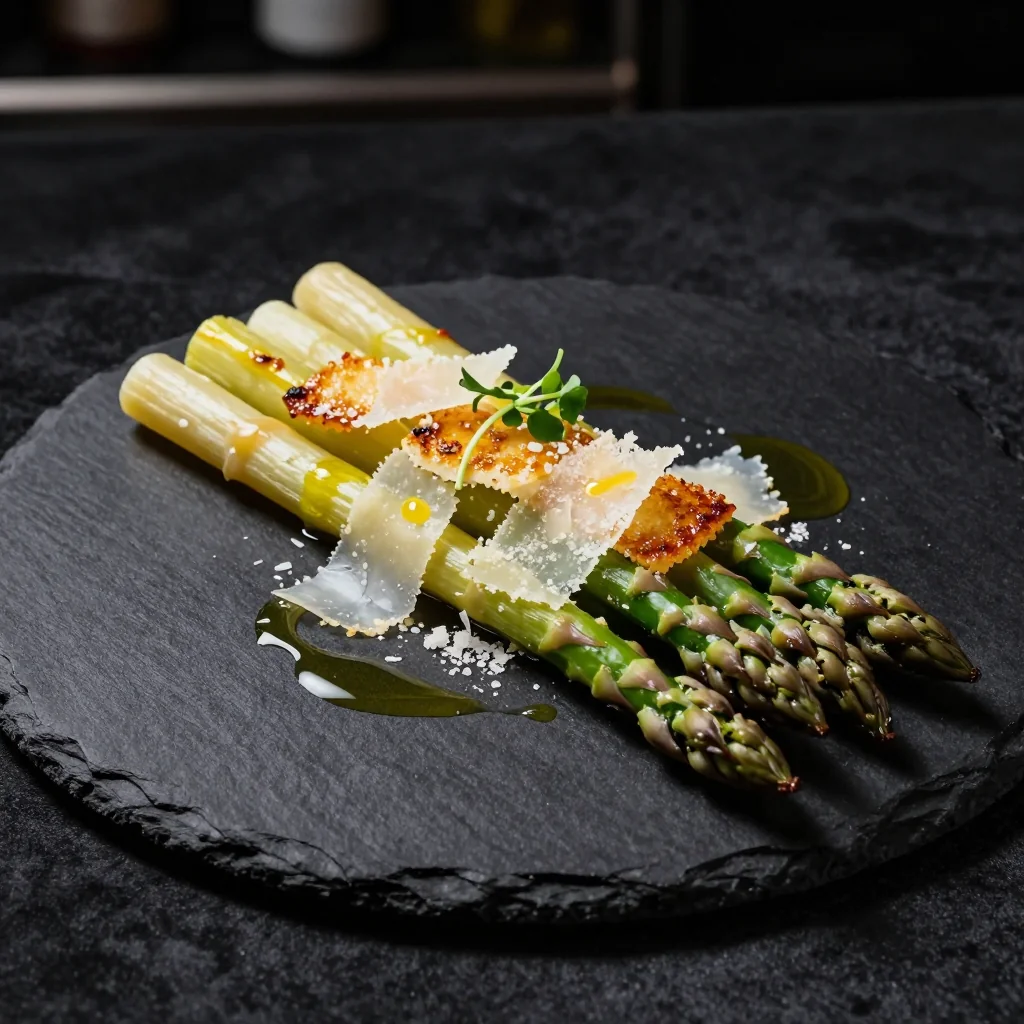
- Roasted Asparagus with Lemon Zest: Adds a savory, slightly bitter contrast that balances the spices.
- Soft Boiled Eggs with Chive Sprinkle: A classic Easter accompaniment that pairs well with the bun’s texture.
🍷 Wine & Drink Pairings
- Gewürztraminer (off‑dry): Its floral notes echo the cinnamon and nutmeg.
- Light Amber Ale: The malt sweetness mirrors the bun’s glaze while offering a gentle bitterness.
- Non‑Alcoholic Option – Spiced Apple Cider: Warm, sweet, and aromatic, it complements the buns without alcohol.
🍰 Complementary Courses
Start with a light pea soup or a delicate carrot‑ginger consommé, then serve the hot cross buns as the main carbohydrate. Finish with a simple lemon tart or a dollop of vanilla custard to echo the glaze’s vanilla notes.
❓ Frequently Asked Questions
Q: Can I use dried cranberries instead of raisins?
A: Absolutely! Dried cranberries add a bright, slightly tart flavor that pairs nicely with the warm spices. If you prefer a less sweet profile, you can reduce the added sugar in the dough by a tablespoon.
Q: How do I know when the dough has risen enough?
A: The dough should double in volume and feel airy when gently pressed with a fingertip. If the indentation springs back slowly, it’s ready. Over‑proofed dough will collapse quickly when pressed and may result in a dense bun.
Q: What if I don’t have a kitchen scale?
A: While weight measurements are most accurate, you can use volume conversions: 1 cup of all‑purpose flour ≈ 120 g, 1 tbsp sugar ≈ 12.5 g, etc. Be generous with the flour measurement to avoid a sticky dough.
Q: My buns turned out flat – what went wrong?
A: Flat buns are usually a sign of under‑proofing, dead yeast, or an oven that’s too hot initially. Ensure the yeast is active (it should foam), allow the dough to double in size during both rises, and bake at the recommended temperature without opening the oven door early.
Q: Can I add nuts or other dried fruits?
A: Yes! Chopped toasted walnuts, pecans, or dried apricots make wonderful additions. Add them along with the raisins, keeping the total dry fruit weight around 200 g to maintain dough balance.
Q: How far in advance can I prepare the dough?
A: The dough can be refrigerated after the first rise for up to 24 hours. Cover it tightly and let it come to room temperature before shaping. This “cold fermentation” deepens the flavor and makes the buns even more aromatic.
🎉 Let’s Get Baking!
Hot cross buns are more than a seasonal staple; they’re a comforting reminder of home, tradition, and the joy of sharing food. By following this detailed guide, you’ll achieve a soft, fragrant crumb, a glossy glaze, and that iconic cross that signals celebration. Whether you’re baking for Easter, a cozy family brunch, or simply craving a warm, spiced treat, these buns will never disappoint.
I encourage you to experiment with the variations, adjust the portion size with the built‑in calculator, and make the recipe your own. Snap a photo, share your results, and let the aroma fill your kitchen with memories.
Have you tried this recipe?
Leave a comment and rating below! Share your photos on Instagram with #HotCrossBunsJoy to be featured on our site.
Hot Cross Buns with Raisins and Glaze
Soft, spiced buns dotted with sweet raisins and finished with a delicate vanilla glaze.
📝 Ingredients
For the Dough
For the Filling
For the Glaze
For the Cross (optional)
👨🍳 Instructions
- Activate Yeast: Combine warm milk, yeast, and 1 tbsp sugar; let foam 5‑10 min.
- Mix Dry Ingredients: Whisk flour, remaining sugar, salt, cinnamon, and nutmeg.
- Combine Wet & Dry: Make a well, add yeast mixture, melted butter, and beaten egg; stir to a shaggy dough.
- Knead: Knead 8‑10 min until smooth and elastic.
- First Rise: Cover and let double in size, 1‑1.5 h.
- Fold Raisins: Deflate dough, fold in raisins (and orange juice).
- Shape Buns: Divide into 8 balls, place on baking sheet.
- Second Rise: Rest 30‑45 min until puffy.
- Pipe Crosses: Apply flour‑water paste in a “+” shape.
- Bake: 190°C for 15‑20 min until golden.
- Glaze: Drizzle vanilla glaze while hot; let set.
🥗 Nutrition per Serving
*Values are estimates based on standard ingredient data.