Picture this: the kitchen’s a chaotic symphony of sizzling pans, the air thick with the scent of caramelized sugar, and you’re staring at a pot of hot honey that’s practically begging for a partner. I was halfway through a dinner party, the guests already whispering about the “mystery dish” on the table, when I realized I’d forgotten the star of the show—tender chicken thighs that needed a bold, sweet‑spicy kiss. I pulled out the pantry, grabbed a handful of spices, and decided to turn a simple dinner into a headline act. That moment was the spark that set me on a mission to create the ultimate Hot Honey Feta Chicken.
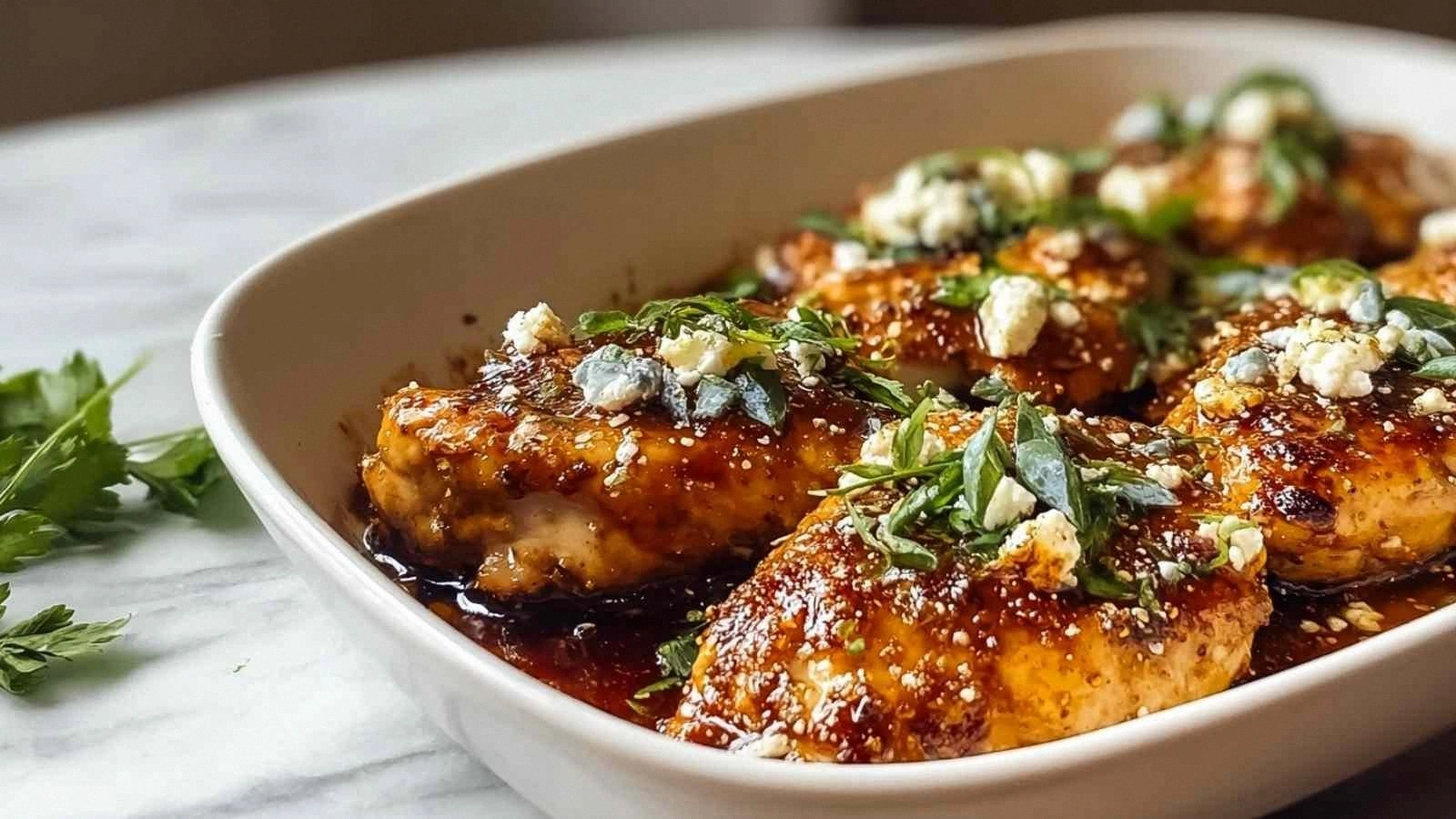
The first thing you notice is the glossy, amber glaze that coats each piece of chicken like a second, savory skin. The aroma is a heady mix of honey’s sweet perfume, paprika’s smoky warmth, and a whisper of citrus that cuts through the richness. When it hits the pan, the sizzle is unmistakable—think of a tiny fireworks display that promises crunch. The texture is a paradox: the outside is crisp and caramelized, while the inside remains juicy and tender. The final bite is a burst of heat, sweet, salty, and tangy all at once, leaving your taste buds dancing.
What makes this version stand out is that I’ve taken the classic hot honey chicken and injected it with Mediterranean flair. The feta doesn’t just add saltiness; it creates a creamy contrast that melts into the glaze, turning every bite into a velvety, savory cloud. The use of fresh herbs—parsley or mint—adds a bright, herbal note that lifts the dish from ordinary to extraordinary. I dared to use a touch of apple cider vinegar to cut the sweetness and give the sauce a subtle tang. The result is a dish that feels gourmet but is surprisingly simple to pull together.
If you’ve ever tried a version that ends up too sweet or too dry, you’re not alone. Most recipes get this completely wrong by overcooking the chicken or using too much honey. Here’s what actually works: a quick sear to lock in juices, a balanced glaze that caramelizes without burning, and a finish with butter and feta that brings everything together. I dare you to taste this and not go back for seconds. And if you’re skeptical, just watch the transformation when you pull this out of the oven—your kitchen will smell incredible, and your guests will be begging for the recipe.
Let me walk you through every single step—by the end, you’ll wonder how you ever made it any other way. From the first crack of the pan to the last sprinkle of herbs, every moment is a chance to elevate the dish. I’ll share the technique that gives the glaze its signature caramelization, the trick that keeps the chicken moist, and the little hacks that save time and prevent mishaps. Ready? Let’s dive in.
What Makes This Version Stand Out
- Flavor: The glaze balances heat, sweetness, and acidity, creating a layered taste that lingers on the palate.
- Texture: Crispy exterior, juicy interior, and creamy feta create a delightful contrast in every bite.
- Simplicity: Fewer ingredients, fewer steps, but maximum impact—no culinary gymnastics required.
- Uniqueness: The unexpected addition of apple cider vinegar gives the sauce a bright, tangy edge that sets it apart.
- Crowd‑Pleaser: Perfect for dinner parties; guests rave about the sweet‑spicy kick and creamy feta.
- Ingredient Quality: Fresh herbs and high‑quality feta elevate the dish beyond a standard recipe.
- Cooking Method: Sear‑then‑simmer technique locks in moisture and enhances flavor.
- Make‑Ahead: The dish can be prepared ahead of time and reheated without losing its charm.
Alright, let's break down exactly what goes into this masterpiece. And before we get into the meat of it, here's a quick hack that will save you time.
Inside the Ingredient List
The Flavor Base
Paprika, garlic powder, onion powder, cumin, salt, and black pepper form the aromatic foundation that sings through the dish. Each spice contributes a unique note—paprika for its smoky warmth, cumin for earthiness, and the subtle heat from chili flakes that keeps the dish lively. If you skip any of these, the glaze will feel flat, lacking depth. For a milder version, reduce the chili flakes to 0.5 tsp, but remember that the heat is part of the dish’s personality.
The honey is the sweet backbone, but its role extends beyond just flavor. It caramelizes when heated, forming a glossy coating that locks in moisture and adds a delightful crunch. A 0.25 cup of honey is the sweet spot—enough to coat the chicken without overpowering the spices. If you prefer a more intense sweetness, increase to 0.5 cup, but adjust the chili flakes accordingly to maintain balance.
Apple cider vinegar brings a subtle tartness that cuts through the richness of the chicken and the honey. It’s a simple trick that most recipes overlook. This acidity gives the glaze a bright finish and prevents it from becoming overly syrupy. If you don’t have apple cider vinegar, a splash of white wine or a pinch of lemon juice can substitute, though the flavor profile will shift slightly.
The Texture Crew
Olive oil is the medium that initiates the sear, creating a golden crust that seals in juices. The amount is modest—just enough to coat the pan—so you avoid excess oil that can make the dish greasy. Butter is introduced later in the cooking process to enrich the glaze, giving it a silky sheen and a richer flavor.
Fresh garlic adds depth and a punch of aroma that elevates the entire dish. The clove should be minced finely so it melds into the sauce rather than standing out as a separate bite. If you’re sensitive to garlic, reduce to half a clove, but be prepared for a slightly less robust flavor.
Feta cheese is the creamy, salty star that melts into the glaze, creating a luscious texture that contrasts the crisp exterior. The 0.5 cup of feta is diced so it disperses evenly across the chicken. If you prefer a milder cheese, use goat cheese or a reduced‑fat feta; the result will still be creamy but less salty.
The Unexpected Star
Lemon zest adds a bright citrus note that lifts the dish, cutting through the sweetness of the honey and the richness of the chicken. The zest should be freshly grated to release essential oils. If you’re aiming for a more subtle citrus flavor, reduce the zest to 0.5 tsp.
Fresh parsley or mint is the finishing flourish that brings the dish to life with color and a burst of herbal freshness. The 2 tbsp of herbs should be chopped finely to distribute evenly. If you prefer a more pronounced herb flavor, double the amount or add a splash of fresh basil.
The Final Flourish
Lemon juice brightens the glaze, adding acidity that balances the honey and enhances the overall flavor profile. A tablespoon is sufficient to give the sauce a slight tang without making it overly sour. For those who love a more citrusy dish, you can increase to 2 tbsp, but keep the honey constant to avoid overpowering the sauce.
Everything's prepped? Good. Let's get into the real action.
The Method — Step by Step
- Start by patting the chicken thighs dry with paper towels; moisture is the enemy of a good sear. Season each piece generously with paprika, garlic powder, onion powder, cumin, salt, and black pepper, ensuring every surface is coated. This seasoning layer will form a flavorful crust once seared. The aroma of the spices alone will have your senses tingling. Set the seasoned chicken aside for a few minutes to let the flavors meld.
- Heat a cast‑iron skillet over medium‑high heat and add the tablespoon of olive oil, swirling to coat the bottom. Once the oil shimmers, place the chicken thighs skin side down, if any, and let them sear without moving for about 4-5 minutes. The goal is a deep golden brown that locks in juices. If the pan starts smoking, lower the heat slightly to avoid burning.
- Flip the chicken and sear the other side for an additional 3 minutes. The edges should begin pulling away from the pan, indicating a crisp exterior. Now’s the moment to feel the anticipation build—your kitchen smells like a summer barbecue. The sear will be the foundation for the glaze’s flavor.
- Remove the chicken from the skillet and set aside on a plate. In the same pan, add the minced garlic and sauté for 30 seconds until fragrant. This step infuses the oil with a subtle garlic aroma that will carry through the sauce. Be careful not to let the garlic burn, or it will taste bitter.
- Pour the pre‑mixed honey glaze into the skillet, stirring to combine with the garlic and pan drippings. Let the mixture bubble gently for 2 minutes, watching for it to thicken slightly. The glaze should coat the back of a spoon and emit a sweet, caramelized aroma. If it’s too thick, add a splash of water to loosen it.
- Return the chicken thighs to the skillet, nestling them into the glaze. Reduce the heat to medium-low, cover the pan, and let the chicken simmer for 10-12 minutes, turning once to ensure even coating. The chicken should be cooked through, with an internal temperature of 165°F (74°C). The glaze will thicken into a glossy, caramelized coating.
- Stir in the tablespoon of butter until it melts into the glaze, creating a silky sheen. The butter adds richness and helps the glaze coat the chicken evenly. The mixture should look glossy and slightly oily, indicating it’s ready for the final touch.
- Crumble the feta cheese over the chicken, letting it melt into the sauce for about 2 minutes. The feta’s briny bite will cut through the sweetness of the honey, creating a balanced flavor profile. Don’t rush; let the feta soften to a creamy consistency.
- Sprinkle the chopped parsley or mint and lemon zest over the dish, giving it a fresh, herbal finish. The herbs add color and a bright contrast to the warm glaze. The lemon zest’s citrus oils will lift the entire dish, making it feel fresh and alive.
That's it — you did it. But hold on, I've got a few more tricks that'll take this to another level. From the way you sear to the final garnish, every detail matters.
Insider Tricks for Flawless Results
The Temperature Rule Nobody Follows
Using a thermometer to check the internal temperature of the chicken ensures perfect doneness every time. Aim for 165°F (74°C) to guarantee the meat is juicy yet safe. A quick dip into the skillet with a thermometer will give you confidence that the chicken is cooked through without over‑cooking the glaze.
Why Your Nose Knows Best
Before you finish the dish, take a moment to smell the glaze. It should emit a sweet, caramelized aroma with a hint of citrus. If it smells too acidic, you’ve added too much vinegar; if it’s overwhelmingly sweet, reduce the honey next time. Your nose is a reliable guide.
The 5-Minute Rest That Changes Everything
Let the chicken rest for 5 minutes after you remove it from the pan. This allows the juices to redistribute, making the meat more tender. The glaze will thicken slightly, creating a richer coating that clings beautifully to the chicken.
The Secret to a Crispy Skin
If your chicken thighs still have skin, pat them dry again before searing. The drier the skin, the crispier it will become. A quick squeeze of lemon juice on the skin before searing can also help it crisp up faster.
The Right Pan Matters
A heavy‑bottomed skillet, like cast iron or stainless steel, distributes heat evenly and prevents hot spots. If you use a non‑stick pan, you risk the honey burning at the edges. Stick to a skillet you trust for consistent results.
The Final Touch of Butter
Adding butter at the end of the cooking process gives the glaze a silky sheen and enhances flavor. The butter’s fat content helps carry the spices into the sauce, creating a more cohesive taste. It also adds a subtle richness that balances the honey’s sweetness.
Creative Twists and Variations
This recipe is a playground. Here are some of my favorite ways to switch things up:
Spicy Pineapple Version
Add diced pineapple to the glaze for a tropical twist. The fruit’s natural sweetness pairs well with the honey, while the added heat from extra chili flakes keeps the dish lively. Serve over coconut rice for an island vibe.
Smoky Chipotle Variation
Replace the chili flakes with chipotle powder for a smoky, deeper heat. The chipotle’s earthy undertones complement the feta’s briny bite. This version is perfect for a cozy, autumnal dinner.
Herb‑Infused Creamy Dip
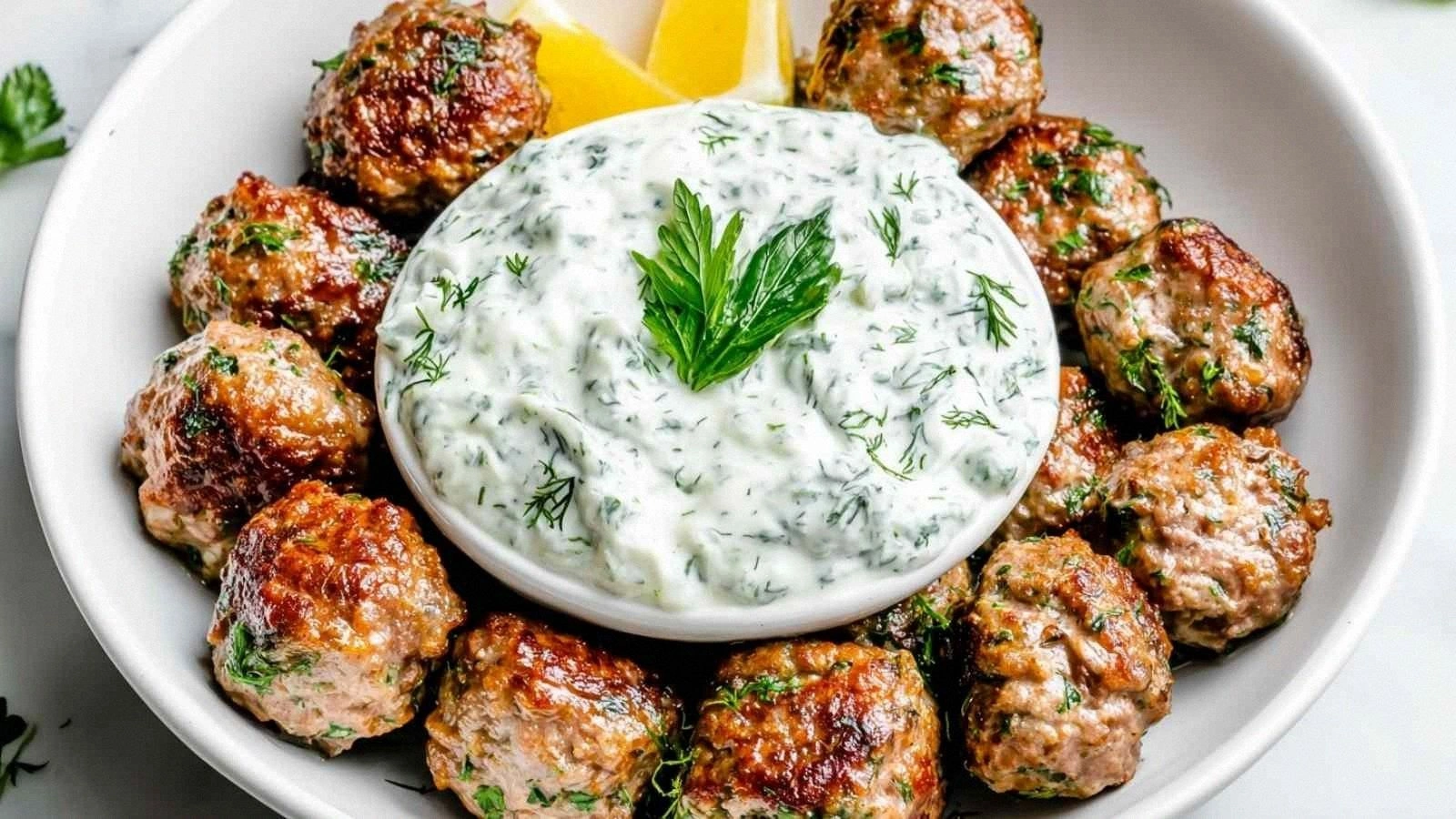
Serve the chicken with a side of herbed yogurt or tzatziki. The cool, creamy dip balances the heat and sweet glaze, creating a harmonious contrast. It’s an instant crowd‑pleaser at potlucks.
Low‑Carb Keto Twist
Omit the honey or replace it with a sugar‑free syrup, and increase the amount of feta for a richer, lower‑carb meal. Pair with roasted cauliflower or a leafy green salad to keep the dish keto‑friendly.
Mediterranean Stuffed Chicken
Stuff the chicken thighs with a mixture of spinach, feta, and sun‑dried tomatoes before searing. The filling adds texture and depth, while the honey glaze ties everything together. This version feels like a gourmet stuffed chicken dish.
Dessert‑Style Sweet Honey Glaze
Drop the chili flakes entirely and add a splash of vanilla extract to the glaze. Serve the chicken with a drizzle of honey over a bed of sweet potato mash for a dessert‑like twist. It’s a playful, sweet‑savory surprise.
Storing and Bringing It Back to Life
Fridge Storage
Cool the chicken completely before placing it in an airtight container. Store in the refrigerator for up to 3 days. The glaze may thicken, but it will still taste amazing when reheated.
Freezer Friendly
Wrap each chicken thigh individually in parchment paper and place in a freezer bag. Freeze for up to 2 months. When ready to eat, thaw overnight in the refrigerator.
Best Reheating Method
Reheat in a skillet over medium heat, adding a splash of water to loosen the glaze. The chicken will stay juicy, and the glaze will regain its glossy sheen. Finish with a sprinkle of fresh herbs for a fresh finish.