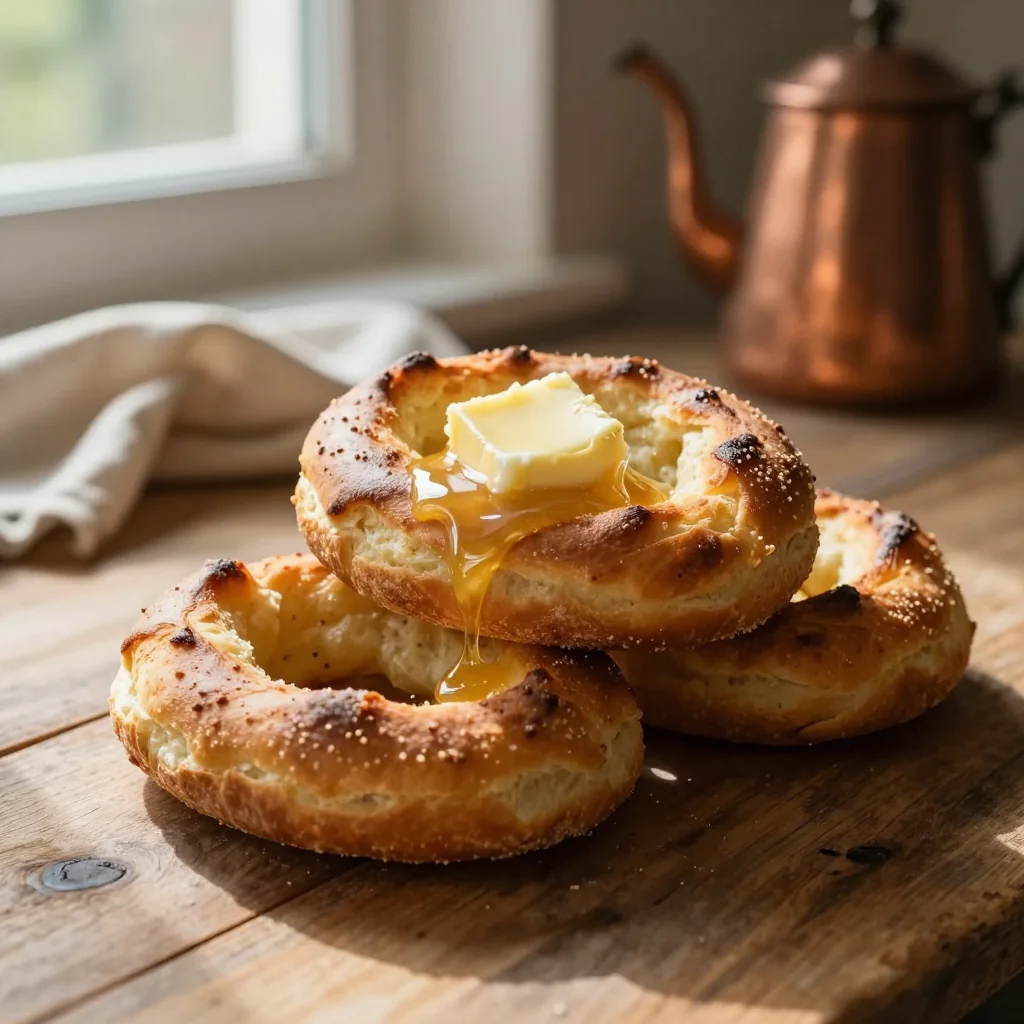
A rustic, buttery slice of Irish comfort that turns humble potatoes into a golden, fluffy treat.
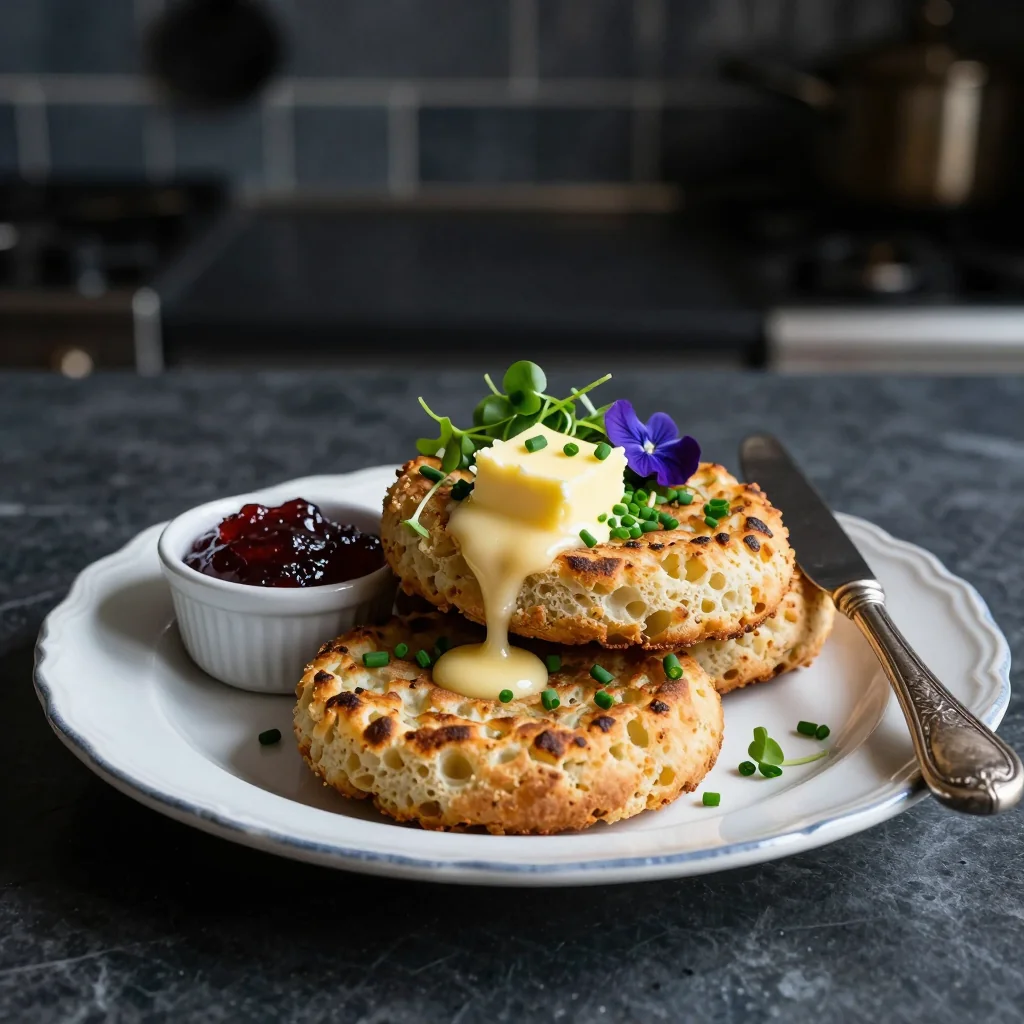
A Personal Introduction
The first time I tasted a freshly baked Irish potato bread farl, I was sitting at a modest farmhouse kitchen in County Kerry, Ireland. The scent of warm potatoes mingling with buttery richness filled the air, and the crackle of the crust as it cooled reminded me of rain on a stone wall—comforting, timeless, and undeniably homey. My grandmother, a steadfast keeper of Irish culinary traditions, sliced the farls thick, brushed them generously with melted butter, and served them alongside a steaming bowl of vegetable soup. The experience was so vivid that, years later, I still close my eyes and can almost feel the soft, slightly dense crumb against my palate.
Irish potato bread, known locally as “tatie bread,” has its roots in the humble peasant meals of the 18th century, when potatoes were a staple and flour was a luxury. Over time, the recipe evolved, embracing the quick‑rise power of baking soda and the tang of buttermilk, creating a bread that rises beautifully without yeast. The farl—essentially a quarter of a round loaf—makes it perfect for sharing, cutting, and, most importantly, buttering.
In this article, I will walk you through every nuance of the recipe: from selecting the perfect potatoes to mastering the buttery topping that makes each bite melt in your mouth. You’ll learn why each ingredient matters, how to adjust the recipe for any number of guests, and a handful of pro‑tips that turn a simple side into a show‑stopping centerpiece.
So roll up your sleeves, preheat your oven, and let’s embark on a culinary journey that celebrates Irish heritage while fitting perfectly into a modern, year‑round kitchen.
🌟 Why This Recipe Will Win Your Heart
There’s a reason this humble farl has endured for centuries—its comforting texture, buttery flavor, and effortless versatility make it a timeless favorite.
- ✨ Simple, No‑Yeast Rise: The combination of baking soda and buttermilk gives the dough a quick lift, eliminating the need for long proofing while still delivering a light, airy crumb.
- ✨ Perfect Balance of Starch and Fat: Mashed potatoes add moisture and a tender crumb, while butter creates a crisp, golden crust that’s irresistible.
- ✨ Adaptable to Any Meal: Serve them for breakfast with jam, as a side for soups, or as a base for savory toppings—each farl becomes a canvas for creativity.
- ✨ Budget‑Friendly Ingredients: Potatoes, flour, and buttermilk are pantry staples, making this recipe accessible for families and students alike.
- ✨ Kid‑Approved Flavor: The subtle sweetness from a pinch of sugar and the buttery richness win over even the pickiest eaters.
- ✨ Authentic Irish Heritage: By preparing this dish, you’re connecting with centuries‑old culinary traditions that celebrate simplicity and heartiness.
🥗 The Ingredients
📝 Complete Ingredient List
For the Dough:
For the Butter Topping:
Optional Garnish:
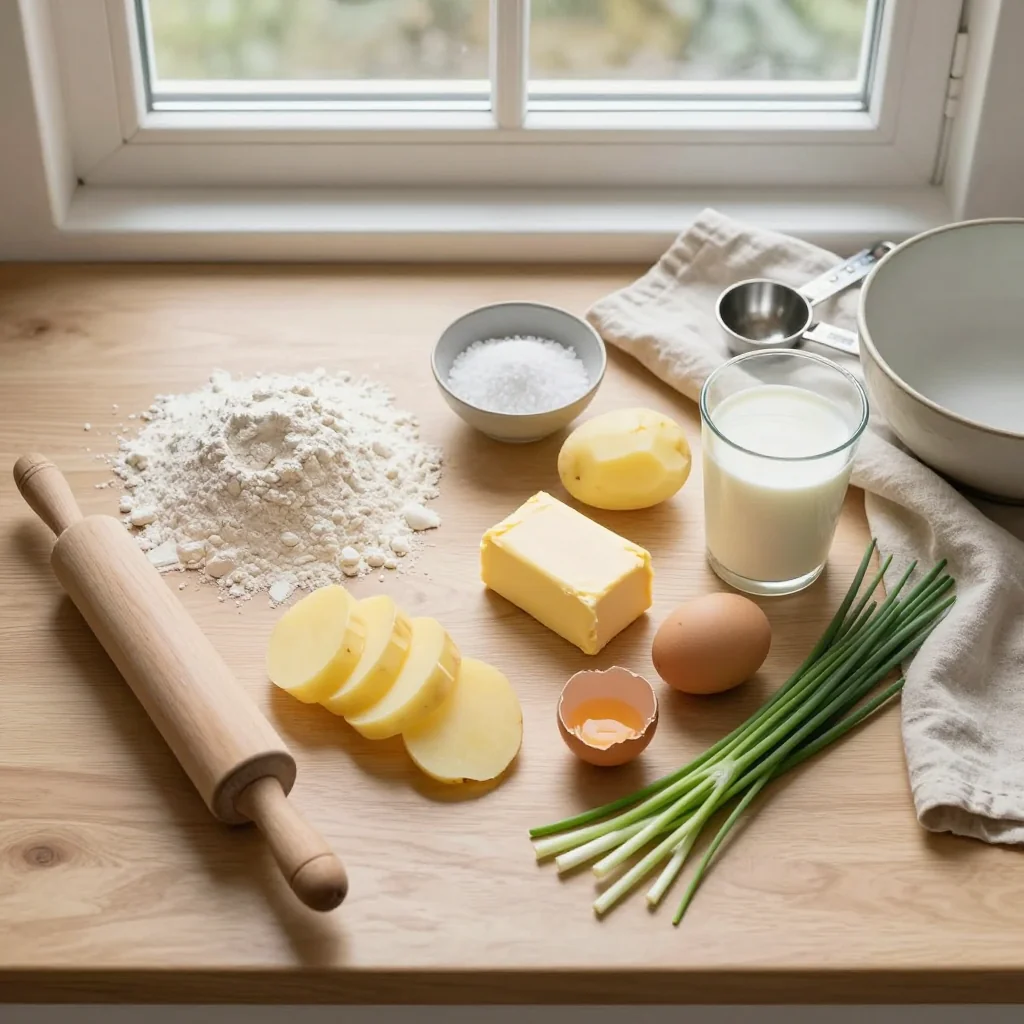
🔍 Focus on Key Ingredients
Mashed Potatoes
Mashed potatoes are the heart of this bread. Their starch content provides moisture and a tender crumb while contributing a subtle earthy flavor. For the best results, boil the potatoes with the skins on, then peel while still warm to retain maximum starch. Use a potato ricer or a fork to mash—avoid a food processor, which can make the texture gluey.
Buttermilk
The acidity of buttermilk reacts with baking soda, creating carbon dioxide bubbles that lift the dough. This reaction occurs quickly, which is why the dough needs only a short resting period. If you don’t have cultured buttermilk, a homemade version (milk + lemon juice or vinegar) works just as well and adds a gentle tang.
Fresh Chives
Chives add a fresh, onion‑like brightness that cuts through the richness of butter. They also lend a beautiful speckled green hue to the topping, making the farls look as inviting as they taste. For a deeper flavor, you could substitute finely chopped parsley or dill.
🔄 Quick Substitutions
| If you don’t have... | Use instead... |
|---|---|
| Buttermilk | Milk + 1 tbsp lemon juice (let sit 5 min) |
| All‑purpose flour | Whole‑wheat flour (use 220 g for a denser texture) |
| Fresh chives | Finely chopped parsley or green onion |
👨🍳 Step‑by‑Step Instructions
Follow these detailed steps to create perfectly golden farls that are soft inside and crisp on the edges. Each phase includes sensory cues to help you gauge progress.
📋 Phase 1: Preparation and Mise en Place
Gather and prepare all components before you start mixing.
Boil and Mash the Potatoes
Place 300 g of peeled potatoes in a saucepan, cover with cold water, and bring to a gentle boil. Cook for 12‑15 minutes, or until a fork slides easily into the centre. Drain well, return to the pot, and mash using a ricer or fork until smooth. Allow the mash to cool slightly—warm enough to handle but not hot enough to melt the butter later.
Combine Dry Ingredients
In a large mixing bowl, whisk together 250 g of all‑purpose flour, 1 tsp baking soda, 1 tsp salt, and 1 tsp sugar. The sugar isn’t for sweetness so much as to aid browning, giving the crust a subtle caramel hue.
🔥 Phase 2: Mixing and Baking
Bring the dough together and bake to a perfect golden finish.
Incorporate the Wet Ingredients
Make a well in the center of the dry mixture and add the mashed potatoes and 150 ml of buttermilk. Using a wooden spoon, fold the ingredients together until a sticky dough forms. The dough should be soft but not overly wet; if it feels too sticky, sprinkle an extra tablespoon of flour.
Shape the Farls
Turn the dough onto a lightly floured surface. Pat it into a 2‑cm‑thick round about 20 cm in diameter. Using a sharp knife, cut the round into four equal quarters—these are the farls. Place them on a parchment‑lined baking sheet, leaving a small gap between each piece.
Bake Until Golden
Preheat the oven to 200 °C (390 °F). Bake the farls for 12‑15 minutes, or until the tops turn a deep golden‑brown and a tap on the bottom sounds hollow. For an extra crust, brush the tops lightly with a tablespoon of melted butter halfway through baking.
✨ Phase 3: Finishing Touches and Serving
Add the buttery glaze and present the farls beautifully.
Prepare the Herb Butter
In a small bowl, combine 50 g softened butter with 1 tbsp chopped chives and a pinch of black pepper. Mix until smooth. The butter should be soft enough to spread but not melted.
Brush the Farls
As soon as the farls exit the oven, brush each one generously with the herb butter. The residual heat will melt the butter, allowing it to seep into the crumb while leaving a glossy, aromatic surface.
Serve Warm
Transfer the farls to a serving board. Serve them warm, alongside a bowl of hearty soup, a fresh salad, or simply with extra butter for spreading. The farls are best enjoyed within an hour of baking while the crust remains crisp.
💡 Expert Tips and Tricks
🛒 Choosing the Right Ingredients
Opt for starchy potatoes such as Russets or Idaho varieties; they provide a fluffy interior and hold moisture well. When selecting flour, look for a protein content around 10‑11 % for a tender crumb. If you can, use cultured buttermilk for a richer tang; it also improves the dough’s structure. Fresh chives should be bright green without any yellowing, indicating they’re still vibrant and flavorful.
🔪 Preparation Techniques
After boiling, let the potatoes steam dry for a minute before mashing; this prevents excess water from making the dough soggy. When forming the dough, handle it gently—over‑working can develop gluten, leading to a dense texture. Use a bench scraper to lift and shape the dough without tearing.
🌡️ Mastering the Baking Process
An oven thermometer is invaluable; many home ovens run hotter than the dial suggests. Baking at 200 °C gives a crisp crust while keeping the interior soft. If your crust browns too quickly, tent the farls with foil after 10 minutes to prevent burning.
🍽️ Presentation and Service
Slice each farl into wedges just before serving to maintain the buttery sheen. Arrange them on a rustic wooden board, drizzle any remaining herb butter, and garnish with extra chives. Pair with a bright salad or a bowl of broth for contrast. A drizzle of honey can add a sweet‑savory twist for breakfast.
🏆 Pro Tips
Professional chefs know that the smallest details separate a good farl from an unforgettable one.
- 🎯 Temperature‑Controlled Butter: Keep the butter at 15 °C—soft enough to blend but cool enough to hold shape. This ensures an even coating without sogginess.
- 🎯 Steam Injection: Place a small pan of water on the oven’s lower rack during the first 5 minutes. The steam helps the crust expand before setting, yielding a lighter crumb.
- 🎯 Resting the Dough: After mixing, let the dough rest for 10 minutes covered with a damp towel. This allows the flour to hydrate fully, improving texture.
- 🎯 Scoring for Expansion: Lightly score a shallow “X” on the top of each farl before baking. This guides the rise and creates an attractive pattern.
- 🎯 Using a Pizza Stone: Baking on a pre‑heated stone transfers heat quickly, producing a crispier bottom crust.
- 🎯 Flavor Layering: Add a pinch of smoked paprika to the butter for a subtle smoky note that complements the potato’s earthiness.
"Bread is the most fundamental of all foods; it is the first thing we make and the last thing we eat." — James Beard
🔄 Variations and Adaptations
The basic farl is a blank canvas. Below are several ways to tailor it to dietary preferences, flavor cravings, or seasonal themes.
🥬 Vegetarian / Vegan Version
Replace the butter with a plant‑based spread such as vegan margarine and use a dairy‑free buttermilk substitute (almond milk + 1 tbsp lemon juice). The dough remains fluffy, and the herb topping can incorporate nutritional yeast for a cheesy undertone.
- Vegan butter (softened) – 50 g
- Dairy‑free buttermilk – 150 ml (almond milk + lemon)
🌶️ Flavor Variations
Spice lovers can experiment with infused herbs and spices. The dough tolerates additions without compromising texture.
Spicy Version:
Add ½ tsp cayenne pepper to the dry mix and fold in 1 tbsp finely chopped jalapeños into the butter topping. Serve with a dollop of cool sour cream.
Mediterranean Version:
Mix 2 tbsp chopped sun‑dried tomatoes and 1 tsp dried oregano into the dough. Finish with a drizzle of olive oil instead of butter and garnish with crumbled feta.
Asian‑Inspired Version:
Incorporate 1 tsp toasted sesame oil into the butter and sprinkle toasted sesame seeds on top. Add a dash of soy sauce to the dough for umami depth.
⚠️ Dietary Adaptations
Gluten‑Free:
Substitute the all‑purpose flour with a 1:1 gluten‑free flour blend (e.g., King Arthur Gluten‑Free Measure‑for‑Measure). Add ½ tsp xanthan gum to improve elasticity.
Lactose‑Free:
Use lactose‑free butter or a dairy‑free spread and replace buttermilk with lactose‑free cultured milk.
Low‑Calorie:
Reduce butter to 30 g, replace half the potatoes with cauliflower puree, and use skimmed milk mixed with a tablespoon of vinegar as the buttermilk substitute. This cuts calories while retaining moisture.
👶 Family / Kids Version
Kids love a hint of sweetness. Add 1 tbsp honey to the butter topping and sprinkle a light dusting of powdered sugar on the farls after baking. Serve with fruit jam for a breakfast‑friendly twist.
📦 Storage and Reheating
🧊 Conservation
Refrigerator:
- Duration: 3 days
- Container: Airtight glass or plastic container
- Tip: Place a paper towel on top to absorb excess moisture.
Freezer:
- Duration: 2 months
- Method: Wrap each farl individually in parchment, then place in a freezer‑safe zip‑lock bag.
- Defrosting: Transfer to the fridge overnight, then reheat.
💡 For optimal texture, reheat directly from frozen using the oven method below.
♨️ Reheating
🔥 Oven (Recommended):
- Preheat to 180 °C (350 °F).
- Wrap farls loosely in foil to retain moisture.
- Heat for 10 minutes.
- Remove foil, brush with a little extra butter, and bake another 5 minutes for crispness.
⚡ Microwave (Quick):
- Place farl on a microwave‑safe plate, cover with a microwave‑safe lid.
- Heat on medium power for 45 seconds.
- Check and heat additional 15‑seconds if needed.
🍳 Skillet:
Melt a teaspoon of butter in a non‑stick skillet over medium heat. Add the farl, cover, and warm for 3‑4 minutes, flipping once. This method restores crispness without drying out the interior.
🍷 Perfect Pairings
🥗 Side Dishes
- Irish Cabbage & Apple Slaw: The crisp acidity balances the buttery farl.
- Leek and Potato Soup: A classic pairing that reinforces the potato theme.
- Roasted Root Vegetables: Sweet carrots and parsnips add color and earthiness.
🍷 Wine / Beverage Pairings
- Irish Stout: The roasted malt notes echo the farl’s crust.
- Chardonnay (unoaked): Its bright acidity cuts through the butter.
- Non‑alcoholic: Sparkling apple cider offers a festive fizz.
🍰 To Complete the Meal
Begin with a light starter such as smoked salmon on oatcakes, follow with the farls and soup, and finish with a traditional Irish apple cake drizzled with caramel sauce. The progression from savory to sweet creates a balanced dining experience.
❓ Frequently Asked Questions
Q: Can I use sweet potatoes instead of regular potatoes?
Yes, sweet potatoes add a subtle caramel flavor and a brighter orange hue. However, they contain less starch, so you may need to increase the flour by about 30 g to achieve the same texture.
Q: How do I know when the farls are fully cooked?
The tops should be deep golden brown, and a gentle tap on the bottom should sound hollow. If you insert a skewer, it should come out clean with only a few crumbs attached.
Q: What if I don’t have a mixing bowl large enough?
You can use a clean bucket or a large pot for mixing. The key is to have enough space to fold the ingredients without spilling.
Q: My farls turned out dense. What went wrong?
Over‑mixing or using too much flour can cause density. Ensure you mix just until combined and measure flour accurately using a kitchen scale. Also, verify that your baking soda is fresh; old soda loses its leavening power.
Q: Can I freeze the dough before baking?
Yes. Shape the dough into a round, wrap tightly in plastic, and freeze. When ready, thaw in the refrigerator overnight, cut into farls, and bake as directed.
Q: How far in advance can I prepare the herb butter?
The herb butter can be made up to 2 days ahead. Store it in an airtight container in the refrigerator and bring to room temperature before brushing onto the hot farls.
🎉 Let’s Get Cooking!
Irish Potato Bread Farls with Butter embody the spirit of comfort food—simple ingredients, straightforward technique, and a result that feels both rustic and refined. Whether you’re feeding a family, impressing guests, or simply craving a warm, buttery bite, this recipe delivers on all fronts. The golden crust, tender interior, and aromatic herb butter combine to create a memorable experience that celebrates Irish tradition while fitting seamlessly into any modern kitchen.
I hope you enjoy making and sharing these farls as much as I do. Don’t hesitate to tweak the herbs, add a splash of your favorite spice, or experiment with different accompaniments. The possibilities are endless, and every variation tells its own story.
Have you tried this recipe?
Leave a comment and rating below! Share your photos on Instagram with #IrishFarls for a chance to be featured.
Irish Potato Bread Farls with Butter
Golden, buttery Irish farls that melt in your mouth.
📝 Ingredients
Dough
Butter Topping
👨🍳 Instructions
- 1
Boil potatoes until tender, then mash until smooth.
- 2
Whisk flour, baking soda, salt, and sugar together.
- 3
Combine mashed potatoes and buttermilk with the dry mix to form a sticky dough.
- 4
Pat dough into a 2‑cm‑thick round and cut into four farls.
- 5
Bake at 200 °C for 12‑15 minutes until golden.
- 6
Mix softened butter with chives and pepper.
- 7
Brush hot farls with herb butter.
- 8
Serve warm with your favorite accompaniment.
- 9
Store leftovers in an airtight container.
- 10
Reheat using the oven method for best texture.
🥗 Nutrition (per serving)
*Values are estimates based on standard ingredients.
📚 You Might Also Like
Soda Bread with Cheese
Traditional Irish Stew
Colcannon with Kale

💬 Comments and Reviews
Leave a Comment
No comments yet. Be the first to share your thoughts!