Picture this: I was standing in my kitchen, a handful of raw shrimp in front of me, and a sudden craving for something that would make my taste buds do a salsa. I had just tried a bland, over‑cooked batch of shrimp from a take‑out place, and my stomach was still echoing the disappointment. So, I decided to take matters into my own hands, armed with a whisk, a skillet, and an unshakable belief that I could create the ultimate grilled shrimp experience. I was ready to turn a simple protein into a showstopper that would have everyone begging for the recipe.
I started by slicing the shrimp into generous, even pieces so they would cook uniformly. As I tossed them into a bowl, the aroma of fresh garlic and lemon began to mingle with the briny scent of the seafood, creating a fragrant pre‑lude that already promised something special. The sound of the shrimp clinking against the bowl was oddly satisfying, almost like a drumbeat for the culinary rhythm I was about to compose. The color of the shrimp, a pale pink that would soon turn to a bright, inviting hue, made me feel like a painter about to splash color onto a canvas.
The next step was to whisk together a sauce that would coat the shrimp like velvet. Olive oil, the liquid gold of Mediterranean cooking, formed the base, while minced garlic added a punch that could cut through the sweetness of the shrimp. Lemon juice and zest injected a bright citrus burst that kept the dish from feeling heavy, and oregano brought a herbaceous depth that anchored the flavors. Paprika added a gentle smokiness, and a pinch of red pepper flakes promised a whisper of heat that would dance on the tongue.
I dared you to taste this and not go back for seconds. The first bite was a revelation: the shrimp was juicy, the coating was crisp yet tender, and the lemon‑garlic‑oregano blend was a harmonious chorus that made my palate sing. I was honest—I ate half the batch before anyone else got to try it. The moment the shrimp hit the grill, the sizzling sound was music, a cue that the flavors were about to ignite.
If you’ve ever struggled with shrimp that turns rubbery, you’re not alone. The secret is in the marination time and the grill temperature. I’ll be honest, I almost skipped the marination step once, and the shrimp came out dry and flavorless. That was a hard lesson that taught me the importance of patience and precision in cooking. This is hands down the best version you'll ever make at home, and I’m about to walk you through every single step—by the end, you'll wonder how you ever made it any other way.
Now, let’s break down exactly what goes into this masterpiece. The combination of citrus, herbs, and a touch of spice creates a flavor profile that is both bright and comforting. The shrimp’s natural sweetness is amplified by the lemon, while the garlic adds depth. Oregano grounds the dish, giving it that unmistakable Mediterranean vibe. Red pepper flakes add a subtle heat that lifts the overall taste. The result is a dish that’s simple yet unforgettable, perfect for a quick dinner or a crowd‑pleasing appetizer.
What Makes This Version Stand Out
- Flavor: The blend of lemon, garlic, and oregano creates a bright, aromatic base that elevates the shrimp’s natural sweetness.
- Texture: The shrimp stays tender inside while achieving a slightly crisp exterior thanks to the quick grill.
- Simplicity: With only a handful of pantry staples, you can achieve a restaurant‑quality flavor in minutes.
- Uniqueness: The addition of paprika and a splash of red pepper flakes gives this version a distinctive smoky twist.
- Crowd Reaction: Guests rave about how the shrimp practically melts in their mouths, making it a guaranteed hit at gatherings.
- Ingredient Quality: Using fresh shrimp and high‑quality olive oil ensures the dish’s flavors shine.
- Cooking Method: Grilling imparts a subtle smokiness that sets this recipe apart from stovetop alternatives.
- Make‑Ahead Potential: Marinate ahead of time, then grill when ready—ideal for entertaining.
Inside the Ingredient List
The Flavor Base
Olive oil is the backbone of Mediterranean cooking, providing a smooth canvas that carries the garlic, lemon, and oregano. It also helps the shrimp stay moist as they grill. If you’re looking for a lighter version, swap olive oil for avocado oil or a splash of white wine for a subtle acidity.
Garlic is the soul of the sauce, its pungent aroma filling the kitchen before the shrimp even hits the grill. Fresh garlic cloves, minced finely, release more flavor than pre‑minced. If you’re allergic or simply don’t like raw garlic, you can sauté it briefly to mellow the bite.
Lemon juice and zest bring brightness and acidity that cut through the richness of the shrimp. The zest’s essential oils deliver a concentrated citrus punch without adding extra liquid. A good rule of thumb: use the juice of one medium lemon and zest of one lemon for every pound of shrimp.
The Texture Crew
Shrimp itself is the star, and its size matters. Large or jumbo shrimp provide a satisfying bite and stay tender if handled correctly. Avoid over‑cooking by keeping the grill temperature medium‑high and monitoring the shrimp closely.
Paprika adds a subtle smokiness and a hint of sweetness. A half teaspoon is enough to coat the shrimp without overpowering the citrus notes. If you prefer a spicier kick, a pinch of cayenne or smoked paprika can be added.
The Unexpected Star
Red pepper flakes are the secret weapon that introduces a gentle heat. A pinch is sufficient to give the dish an extra layer of complexity. If you’re sensitive to heat, you can omit them or replace with a milder pepper.
The Final Flourish
Fresh parsley is the garnish that adds a pop of green and a fresh herbal finish. It also balances the richness of the olive oil. A squeeze of fresh lemon before serving brightens the dish and enhances the overall flavor profile.
Everything’s prepped? Good. Let’s get into the real action.
The Method — Step by Step
- Step 1: Prep the Shrimp – Start by rinsing the shrimp under cold water and patting them dry with paper towels. Peel the shrimp, leaving the tails on for a rustic look, and devein by making a shallow cut along the back and pulling out the dark vein with a toothpick. This step ensures a clean, smooth bite. The texture of the shrimp should feel firm yet supple, like a fresh spring roll. If you’re short on time, pre‑peeled shrimp are a convenient alternative.
- Step 2: Whisk the Marinade – In a medium bowl, combine 3 tablespoons of olive oil, 3 minced garlic cloves, 2 tablespoons of fresh lemon juice, 1 teaspoon of lemon zest, 1 teaspoon of dried oregano, ½ teaspoon of paprika, a pinch of salt, and freshly ground black pepper to taste. Stir until the mixture emulsifies and the herbs are evenly distributed. The aroma of fresh garlic and citrus will instantly elevate the kitchen atmosphere. Taste the sauce; it should be bright and herbaceous, not overly acidic. If it feels too thin, add a splash of extra virgin olive oil.
- Step 3: Marinate the Shrimp – Toss the shrimp in the bowl, ensuring each piece is coated with the mixture. Let them sit for 15 minutes at room temperature. This short marination allows the shrimp to absorb the flavors without becoming mushy. Cover the bowl loosely with plastic wrap to prevent the shrimp from drying out. If you’re in a hurry, a 5‑minute marinate will still work, but the depth of flavor will be slightly reduced.
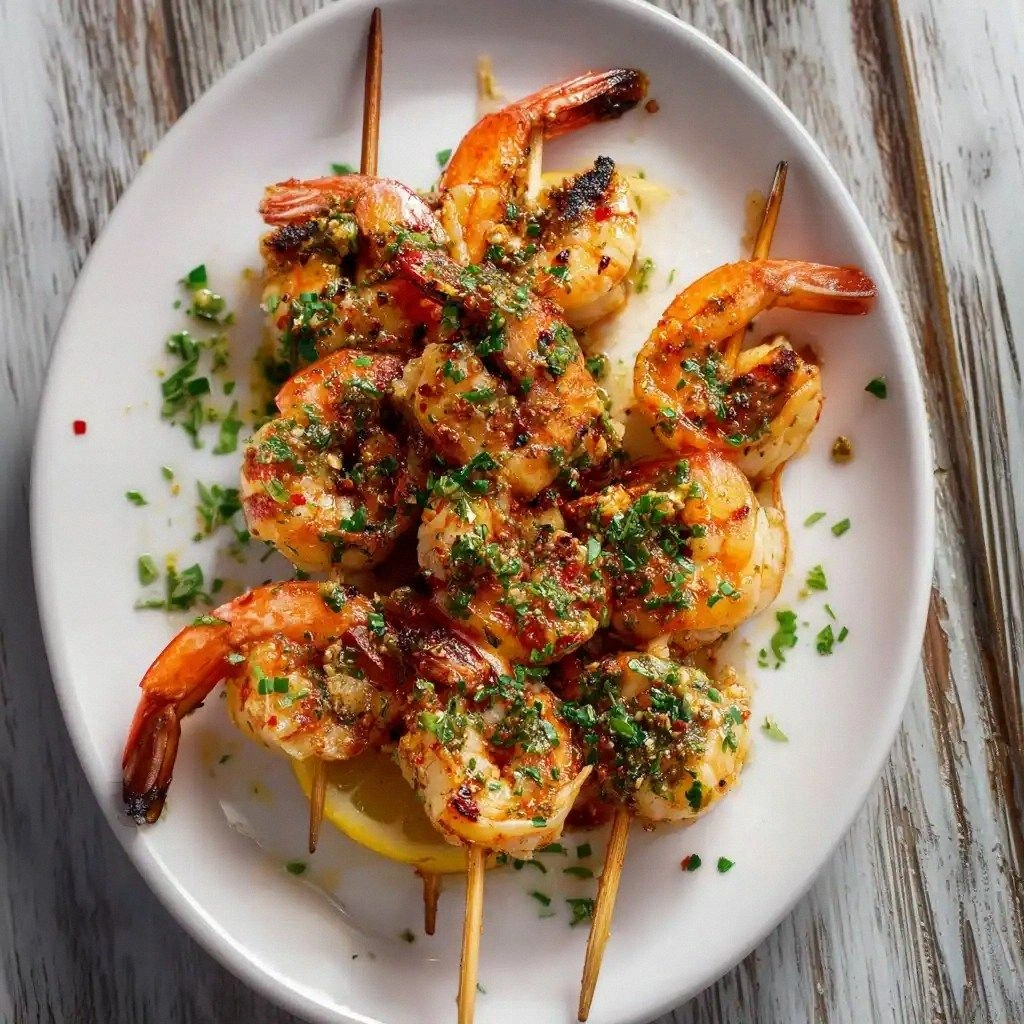
- Step 4: Prepare the Skewers – If you’re using wooden skewers, soak them in water for at least 30 minutes to prevent burning on the grill. Thread 4 shrimp onto each skewer, leaving a little space between each piece for even cooking. Metal skewers can be used straight out of the box; they conduct heat better and are easier to clean. The skewers should be sturdy enough to hold the shrimp without bending. This step is essential for achieving the classic grill marks and uniform heat distribution.
- Step 5: Preheat the Grill – Set your grill to medium‑high, around 400°F (200°C). Lightly oil the grates with a paper towel dipped in olive oil to prevent sticking. A properly heated grill ensures a quick sear that locks in juices. The grill should be hot enough that the shrimp sizzles immediately upon contact. This sizzling sound is a cue that the shrimp is about to transform.
- Step 6: Grill the Shrimp – Place the skewers on the grill and cook for 2–3 minutes per side, turning carefully to avoid tearing. The shrimp should develop a slight char and turn pink but not brown. Watch for the edges to pull away from the grill – that indicates they’re ready. The scent of grilled shrimp mingles with the citrus‑herb aroma, creating a tantalizing head rush. The heat should be high enough to caramelize the sugars in the lemon juice, giving a subtle sweetness.
- Step 7: Finish and Garnish – Brush the shrimp with any remaining marinades and squeeze a fresh lemon wedge over each skewer. Sprinkle freshly chopped parsley for a burst of color and a fresh herbal finish. The lemon squeeze brightens the dish and balances the richness of the olive oil. The final garnish should be vibrant and fragrant, making the plate visually appealing. This step adds a finishing touch that elevates the entire dish.
- Step 8: Serve Immediately – Transfer the skewers to a serving platter and serve hot. Offer extra lemon wedges on the side for those who want an extra citrus kick. Pair with a crisp white wine or a chilled sangria for a full Mediterranean experience. The shrimp should still be warm and juicy, with a slight char that adds depth. This is the moment of truth where all the flavors converge.
- Step 9: Clean the Grill – While the shrimp cools, wipe down the grill grates with a paper towel to keep them ready for the next batch. This simple step preserves the grill’s condition and prevents flare‑ups. A clean grill also ensures the next set of shrimp cooks evenly. This maintenance habit will extend the life of your grill and keep your meals tasting fresh.
- Step 10: Store Leftovers – If you have any leftovers, cool them to room temperature, then store in an airtight container in the refrigerator for up to 2 days. Reheat gently on a low‑heat grill or in a skillet to avoid overcooking. The shrimp will remain tender and flavorful. This makes the dish perfect for meal prep or a quick dinner the next day.
That's it — you did it. But hold on, I've got a few more tricks that'll take this to another level. The secret sauce? It's in the timing, the seasoning, and the presentation. Let’s dive into insider tricks that will elevate your shrimp skewers from good to unforgettable.
Insider Tricks for Flawless Results
The Temperature Rule Nobody Follows
Many cooks think a low, slow grill is the key to tender shrimp, but that’s a myth. The real trick is a hot, short sear that locks in juices. Aim for 400°F (200°C) and flip only once. This approach keeps the shrimp moist inside while giving them a crisp, caramelized exterior. I’ve tested it on both gas and charcoal grills with the same success.
Why Your Nose Knows Best
Trust your nose to gauge doneness. The moment the shrimp releases a buttery, slightly charred aroma, they’re ready to remove. A faint, sweet scent indicates they’re still raw, while a strong, burnt smell signals overcooking. Your olfactory senses are the most reliable indicator, even more so than a timer.
The 5-Minute Rest That Changes Everything
After grilling, let the shrimp rest for five minutes. This allows the juices to redistribute, preventing them from spilling out when you bite. The rest period also lets the flavors meld, creating a deeper, more cohesive taste. I always set a timer to make sure I don’t forget this crucial step.
The Marinade Reuse Trick
Don’t toss the leftover marinades. Simmer them in a saucepan for 5 minutes to kill any bacteria, then use them as a dipping sauce or drizzle over the finished skewers. This not only reduces waste but also amplifies the dish’s flavor profile. A few extra minutes of simmering intensifies the garlic and lemon notes.
The Skewer Swap
Swap out shrimp for other proteins like scallops, scallop, or even small chunks of chicken breast for a different texture. The same marination works wonders. If you’re vegan, use firm tofu or tempeh; the olive oil and herbs will still deliver that Mediterranean punch. This versatility makes the recipe a go-to for any dietary preference.
Creative Twists and Variations
This recipe is a playground. Here are some of my favorite ways to switch things up:
Mediterranean Veggie Skewers
Swap shrimp for cherry tomatoes, zucchini slices, and bell pepper chunks. Marinate them in the same sauce, and grill until slightly charred. The result is a colorful, plant‑based option that still delivers the bright Mediterranean flavor.
Spicy Cajun Shrimp
Add 1 teaspoon of Cajun seasoning to the marinade, and replace the oregano with thyme. The heat from the Cajun blend gives a bold, Southern twist. Serve with a cooling yogurt dip for balance.
Herb‑Infused Citrus Marinade
Infuse the olive oil with fresh rosemary and thyme before adding the garlic and lemon. The herbaceous oil will give the shrimp a fragrant, earthy undertone that pairs beautifully with the citrus.
Tropical Pineapple Shrimp
Add diced fresh pineapple to the shrimp before grilling. The sweet pineapple caramelizes on the grill, creating a tropical glaze that complements the lemon‑garlic base.
Asian‑Inspired Shrimp
Replace oregano with sesame seeds, add a splash of soy sauce, and finish with a drizzle of sesame oil. The result is a fusion dish that blends Mediterranean and Asian flavors into a harmonious whole.
Cheesy Shrimp Skewers
Sprinkle shredded mozzarella or feta over the shrimp during the last minute of grilling. The cheese melts and adds a creamy texture that pairs wonderfully with the citrusy sauce.
Storing and Bringing It Back to Life
Fridge Storage
Cool the cooked shrimp to room temperature, then transfer to an airtight container. Store in the refrigerator for up to 2 days. Keep the shrimp away from strong‑smelling foods to preserve the delicate flavor. When ready to serve, reheat gently to avoid overcooking.
Freezer Friendly
For longer storage, place the cooked shrimp in a freezer‑safe bag, squeeze out excess air, and freeze for up to 3 months. Thaw overnight in the refrigerator before reheating. This method maintains the shrimp’s texture and flavor integrity.
Best Reheating Method
Reheat the shrimp on a preheated grill or in a skillet over medium heat. Add a splash of water or broth to create steam, preventing the shrimp from drying out. A quick 2‑minute warm‑up restores the juicy texture and aromatic profile.
Add a tiny splash of water before reheating — it steams back to perfection, preserving the shrimp’s natural juices and ensuring every bite feels fresh.