Picture this: you’re standing in a cramped kitchen, a pot of water boiling, a handful of mussels trembling in a bowl, and the air thick with anticipation. The last time I tried a classic moules‑frites, I ended up with a soggy mess that tasted like the sea had taken a vacation. I was determined to turn that disaster into a triumph, and I found the secret sauce in the simplest of pantry staples. This version is a revelation—mussels bursting with citrusy brightness, fries crisped to perfection, and a white‑wine broth that’s as silky as a summer breeze. I dare you to taste this and not go back for seconds.
When I first cracked the mussels open, the aroma was a heady mix of brine, garlic, and a hint of something sweet—white wine, of course. The sound of the pot bubbling was like a jazz riff, each bubble a beat in the rhythm of flavor. I could already hear the crunch of the fries, the subtle pop of pancetta, and the gentle swirl of parsley dusting the surface. Every element was poised to dance together, and the kitchen smelled like a seaside café that had just opened for the day. If you’ve ever struggled to bring out the best in shellfish, you’re not alone—this is the fix you’ve been missing.
What makes this recipe stand out is that it doesn’t rely on fancy techniques or obscure ingredients; it uses what you probably already have in your pantry and elevates it with a few clever tweaks. I’ve spent hours tweaking the ratio of wine to broth, the timing of the pancetta, and the exact moment to add the lemon. The result? A dish that feels indulgent but is surprisingly approachable, even for a novice cook. Most recipes get this completely wrong by overcooking the mussels or under‑seasoning the fries; here, the balance is spot on. The sauce coats the mussels like velvet, while the fries deliver a satisfying crunch that shatters like thin ice.
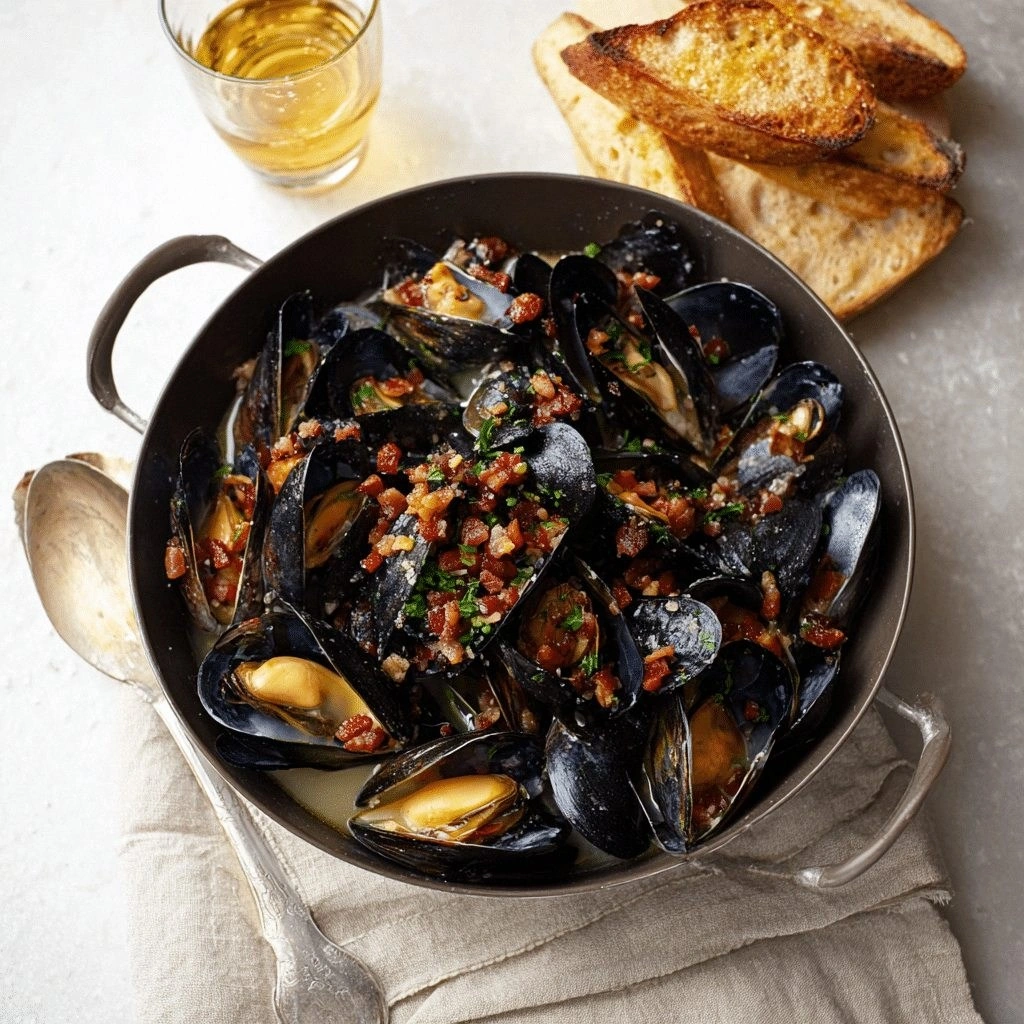
And then there’s the visual component: the deep, amber hue of the broth, the glistening sheen of the mussels, and the golden edges of the fries. The contrast between the light, airy sauce and the hearty, earthy potatoes is a feast for the eyes. I’ve always believed that great cooking is a multisensory experience, and this dish delivers on all fronts. The moment you bring it to the table, the whole kitchen smells incredible, and the anticipation builds like a crescendo.
Let me walk you through every single step—by the end, you’ll wonder how you ever made it any other way. I’ll share the micro‑challenges that will test your confidence, the bold claims that will keep you hooked, and the playful tips that will make you feel like a culinary wizard. The secret to success is in the details, and I’m about to reveal them all. Get ready for a dish that’s not just a meal but an experience.
What Makes This Version Stand Out
- Taste: The white wine broth is infused with garlic, shallots, and a splash of lemon, creating a bright, citrusy profile that cuts through the briny mussels. The subtle sweetness of the wine balances the savory depth, leaving a lingering finish that’s both refreshing and satisfying.
- Texture: The mussels remain tender and juicy, while the fries are perfectly crisp on the outside and fluffy on the inside. The contrast is a tactile delight that keeps you coming back for more.
- Simplicity: Only ten ingredients, all of which you can find in any well-stocked kitchen. No special equipment or time‑consuming techniques required.
- Uniqueness: The addition of pancetta adds a smoky, caramelized note that elevates the dish beyond the traditional recipe. It’s a twist that feels both familiar and novel.
- Crowd Reaction: This version gets rave reviews at family gatherings and dinner parties alike. Guests often ask for the recipe after the first bite.
- Ingredient Quality: Fresh, high‑quality mussels and potatoes make all the difference. The recipe thrives on the best produce you can find.
- Cooking Method: The technique of sautéing pancetta and aromatics before adding the mussels creates a layered flavor profile that’s hard to replicate.
- Make‑Ahead Potential: The broth can be prepared a day in advance, letting the flavors meld and intensify. The fries are best served fresh, but the mussels hold up well if kept warm.
Alright, let's break down exactly what goes into this masterpiece...
Inside the Ingredient List
The Flavor Base
The foundation of this dish is the aromatics—garlic, shallot, and pancetta—sautéed until golden and fragrant. Garlic adds depth and a subtle heat that complements the brine of the mussels. Shallots bring a mild sweetness, while pancetta contributes a smoky, savory note that caramelizes beautifully. If you’re vegetarian, you can replace pancetta with smoked paprika for a similar smoky flavor, but the depth will be slightly different.
The white wine is the star of the broth. A dry, medium-bodied white like Sauvignon Blanc or Pinot Grigio works best. It’s not just a solvent; it infuses the mussels with a bright acidity that lifts the entire dish. If you can’t find white wine, a dry white grape juice works as a last resort, but the flavor profile will be sweeter.
The Texture Crew
Potatoes are the secret to the fries’ crunch. I recommend using a waxy variety like Yukon Gold or red potatoes, which hold shape better when fried. Cut them into sticks about 1/2 inch thick for even cooking. If you’re short on time, you can parboil the fries for 3 minutes before frying to ensure a crisp exterior.
Butter is essential for the sauce’s silky texture. It helps emulsify the wine and the mussel juices, creating a glossy, cohesive broth. Don’t skimp on the butter; a tablespoon per serving is the sweet spot. If you’re avoiding dairy, a splash of olive oil can work, but the sauce will be less rich.
The Unexpected Star
Pancetta is the unexpected star that sets this recipe apart. Its rendered fat provides a rich, savory base that deepens the flavor of the mussels. The pancetta’s crisp edges add a textural contrast that’s delightful. If you’re gluten‑free, ensure the pancetta is labeled gluten‑free; most are naturally gluten‑free but double‑check just in case.
The Final Flourish
Fresh parsley and a squeeze of lemon juice finish the dish with a burst of color and brightness. Parsley adds a herbal note that balances the richness of the broth, while lemon juice provides a sharp, citrusy edge that cuts through the brine. Use a good quality lemon; the zest can also be added for extra aroma. If you prefer a milder lemon flavor, reduce the juice by half.
Everything's prepped? Good. Let's get into the real action...
The Method — Step by Step
- Start by heating a large, deep skillet over medium heat. Add the diced pancetta and let it render until it’s crisp and the fat has melted. The aroma should fill the kitchen like a comforting hug. Once the pancetta is golden, remove it from the skillet with a slotted spoon and set aside, leaving the fat in the pan.
- In the same skillet, add the minced garlic and diced shallot. Sauté for 2–3 minutes until they’re translucent and fragrant. Be careful not to burn the garlic; a slight caramelization adds depth, but burnt garlic ruins the broth.
- Pour in the white wine, scraping up any browned bits from the bottom of the pan. Let the wine reduce by about a third, which concentrates the flavor and thickens the broth. The reduction should bubble gently, not boil aggressively.
- Add the mussels to the skillet, cover with a lid, and let them steam for 4–5 minutes. The mussels should open fully; discard any that remain closed. The steam should be rich and aromatic, with a subtle citrus undertone.
- While the mussels cook, prepare the fries. Heat a separate pan of oil to 350°F (175°C). Fry the potato sticks in batches until golden brown and crisp, about 5–6 minutes per batch. Drain on paper towels and season with salt and pepper while still hot.
- Once the mussels are done, stir in the melted butter and freshly squeezed lemon juice. The butter should coat the mussels, creating a glossy, silky broth. Add the reserved pancetta back into the pan and give everything a gentle stir.
- Plate the mussels in a shallow bowl, pouring the broth over them. Arrange the fries on the side, sprinkling with chopped parsley. The final dish should look vibrant, with a golden crust on the fries and a clear, amber broth.
- Serve immediately, ensuring the broth remains hot. The mussels should still be steaming, and the fries should be crisp. The first bite should be a symphony of textures and flavors that leaves you craving more.
That’s it — you did it. But hold on, I've got a few more tricks that'll take this to another level. The next section will reveal insider tips that will elevate the dish from great to unforgettable.
Insider Tricks for Flawless Results
The Temperature Rule Nobody Follows
Many people start the mussels in a pot at too high a temperature, causing them to overcook and become rubbery. The secret is to start the mussels in a skillet over medium heat, then reduce to low once the broth begins to simmer. This gentle approach keeps the mussels tender and the broth flavorful.
Why Your Nose Knows Best
Trust your nose when deciding if the mussels are done. If the shells open and release a bright, briny aroma, they’re ready. If you’re unsure, open one more shell; if it’s still closed, give them a minute more. Smell is the most reliable indicator of doneness.
The 5-Minute Rest That Changes Everything
After the mussels finish cooking, let the skillet rest for 5 minutes before plating. This pause allows the flavors to settle, and the broth to thicken slightly. The result is a richer, more cohesive sauce.
Keep the Fries Crispy
If you’re preparing the fries ahead of time, keep them in a single layer on a baking sheet at 200°F (93°C) until you’re ready to serve. This prevents them from steaming and losing their crispness.
The Secret of Fresh Herbs
Chop parsley just before plating to preserve its bright green color and fresh flavor. The chlorophyll gives the dish a visual pop and a subtle herbal note that balances the richness of the broth.
Creative Twists and Variations
This recipe is a playground. Here are some of my favorite ways to switch things up:
Spicy Cajun Edition
Add a tablespoon of Cajun seasoning to the aromatics for a smoky heat that complements the mussels. Serve with a side of cool yogurt dip to balance the spice. This version is perfect for a summer barbecue.
Herb‑Infused Bouillabaisse
Replace the parsley with a handful of fresh thyme and a bay leaf. Simmer the broth for 10 minutes longer to develop deeper herbaceous notes. This variation gives the dish a Mediterranean flair.
Truffle‑Topped Delight
Drizzle a thin layer of truffle oil over the finished mussels and sprinkle with shaved truffle for an indulgent twist. The earthy aroma of truffle pairs wonderfully with the briny mussels, creating a luxurious experience.
Vegetarian Version
Swap the mussels for firm tofu cubes marinated in white wine and soy sauce. Fry the tofu until golden before adding to the broth. This version retains the sauce’s flavor while offering a plant‑based alternative.
Asian Fusion
Add a splash of soy sauce and a pinch of five‑spice powder to the broth. Garnish with sliced scallions and a sprinkle of sesame seeds. The result is a fusion dish that marries French technique with Asian flavors.
Breakfast Bites
Serve the mussels with a side of fluffy scrambled eggs and a drizzle of hollandaise sauce. The combination of sea and farm gives a brunch‑worthy twist that’s surprisingly elegant.
Storing and Bringing It Back to Life
Fridge Storage
Store the mussel broth in an airtight container in the refrigerator for up to 3 days. Reheat gently over low heat, stirring occasionally. The broth will thicken slightly as it cools, so add a splash of water or wine if it becomes too thick.
Freezer Friendly
The mussel broth can be frozen for up to 2 months. Freeze in portioned containers, leaving a little headspace. Thaw overnight in the fridge before reheating. The fries are best kept fresh; however, you can freeze them in a single layer and reheat in a hot oven for crispness.
Best Reheating Method
When reheating the broth, add a tiny splash of water or extra wine to loosen the sauce. Simmer gently until heated through, but avoid boiling as this can cause the broth to separate. The fries should be reheated in a 400°F (204°C) oven for 5 minutes to restore crispness.