It started on a rainy Tuesday when I was halfway through a mediocre take‑out dinner and the kitchen felt like a battlefield. I tossed a bag of frozen veggies into a hot wok, the sizzling hiss sounded more like a bad alarm than a culinary promise. A stray orange peel from the fridge, half‑sliced, fell into the pan and, in an instant of impulsive brilliance, I grabbed a handful of chicken thighs, a splash of soy sauce, and a generous squeeze of fresh ginger. The aroma that followed was a revelation—spicy, citrusy, and unmistakably victorious. I dare you to taste this and not go back for seconds.
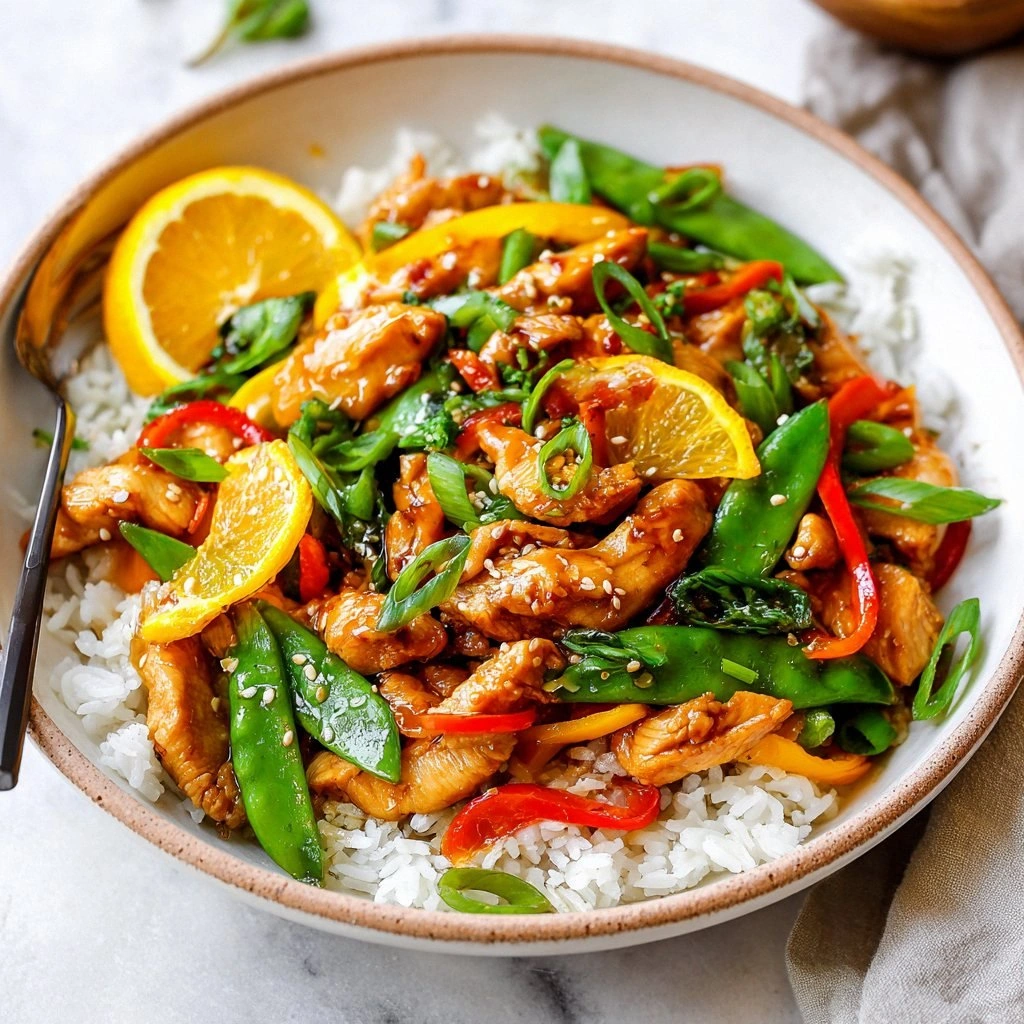
Picture the scene: the skillet glistening, the orange zest dancing in the oil, the ginger releasing a warm, peppery perfume that climbs the walls of the kitchen. The sound is a satisfying crackle, like thin ice shattering under a brisk step. Your eyes catch the bright orange glaze coating each piece of chicken, the vegetables crisp yet tender, a rainbow of colors that feels like a painting in motion. The first bite is a burst of citrus brightness, a sweet‑spicy kiss that lingers, leaving a faint whisper of ginger on the palate. I’ve never felt more alive in the kitchen than when the sauce coats the meat like velvet.
What makes this version stand out is not just the bold flavors but the meticulous balance between sweet, savory, and aromatic. The sauce is thick enough to cling to the ingredients yet fluid enough to glide across your spoon. The chicken stays juicy, thanks to a quick sear that locks in moisture, and the vegetables retain a satisfying crunch. I’ve spent hours tweaking ratios, testing textures, and perfecting the timing until each element sang in harmony. This is hands down the best version you’ll ever make at home, and I’m about to walk you through every single step so you can replicate the magic.
Let’s dive into the secrets that elevate this dish from good to unforgettable. I’ll share a technique that most recipes overlook—a subtle stir of honey and rice vinegar that creates a glossy, caramelized glaze. I’ll also reveal how the right cut of chicken and the timing of the ginger infusion can transform the entire flavor profile. By the end of this post, you’ll wonder how you ever cooked anything else. Ready? Let’s get started.
What Makes This Version Stand Out
- Flavor Depth: The sauce layers sweet orange, umami soy, and sharp ginger, creating a complex palate that satisfies every craving.
- Texture Play: Crispy edges on the chicken contrast with tender veggies, giving each bite a delightful bite‑and‑chew rhythm.
- Time Efficiency: Every step takes under 30 minutes, making it a perfect weekday dinner without sacrificing quality.
- Ingredient Quality: Fresh ginger and freshly squeezed orange juice elevate the dish beyond canned or bottled substitutes.
- Make‑Ahead Potential: The sauce can be pre‑made and frozen, so you can assemble the dish in minutes when life gets hectic.
- Crowd‑Pleaser: The vibrant colors and aromatic aroma make this dish a showstopper for family dinners and dinner parties alike.
- Versatility: Swap chicken for shrimp, tofu, or beef, and the sauce remains a winning partner.
- Nutrition Balance: A generous serving of veggies and lean protein keeps the dish wholesome and satisfying.
Alright, let's break down exactly what goes into this masterpiece...
Inside the Ingredient List
The Flavor Base
The sauce is the heart of this dish, a marriage of orange juice, soy sauce, and honey that creates a glossy glaze. Orange juice provides natural sweetness and bright acidity, cutting through the richness of the chicken. Soy sauce adds umami depth, while honey balances the acidity and lends a subtle caramel note. If you skip the honey, the glaze becomes too sharp and the dish loses its velvety finish. Swap honey for maple syrup for a slightly earthier sweetness, or use agave nectar for a vegan-friendly version.
Choosing fresh oranges over bottled juice is essential. Fresh juice contains volatile oils that give the sauce a lively citrus character; bottled versions often lack that punch and can taste flat. Look for oranges that feel heavy for their size and have a bright, fragrant aroma when you press the peel. A good rule of thumb: the zest should be bright orange, not dull or greenish.
The Texture Crew
Chicken thighs are the star of the show because they remain moist and flavorful. Their higher fat content ensures a juicy bite that stands up to the sauce. If you prefer leaner protein, use skinless chicken breast, but be careful not to overcook—thin slices will dry out quickly. For a vegetarian twist, substitute firm tofu, marinated in the sauce before stir‑frying, to absorb the citrusy sweetness.
Vegetables provide crunch and color. Broccoli florets, sliced bell pepper, and carrot ribbons add a spectrum of textures that contrast nicely with the tender chicken. Keep the vegetables crisp by adding them later in the cooking process; they should retain a slight snap. If you’re in a hurry, pre‑cut frozen vegetables work, but fresh is always better for flavor and texture.
The Unexpected Star
Fresh ginger is the secret weapon that gives the dish its signature zing. Grated ginger releases essential oils that bring warmth and depth, turning a simple stir‑fry into a fragrant masterpiece. If you can’t find fresh ginger, a tablespoon of ginger paste works, but the aroma will be less vibrant. A pinch of crushed red pepper can add a subtle heat that complements the citrus without overpowering it.
Garlic, minced finely, adds a savory backbone that balances the sweet and tangy elements. The garlic should be added early, so it infuses the oil and releases its aroma before the other ingredients are introduced. Too much garlic can become bitter; aim for a light, fragrant presence.
The Final Flourish
Sesame oil, a splash at the end, adds a nutty aroma that rounds out the sauce. Toasted sesame seeds sprinkled on top provide a subtle crunch and a pop of flavor that ties the dish together. Green onions, sliced thin, add a fresh, mild onion bite that brightens the dish. A dash of rice vinegar gives a gentle acidity that lifts the sweetness, keeping the flavor profile balanced.
Everything's prepped? Good. Let's get into the real action...
The Method — Step by Step
- Prep the Sauce. In a small bowl, whisk together 1 cup fresh orange juice, 2 tablespoons soy sauce, 1 tablespoon honey, 1 tablespoon rice vinegar, and 1 tablespoon cornstarch dissolved in 1 tablespoon water. This slurry will thicken the sauce to a glossy sheen. Keep it aside; it will coat the chicken and veggies later. The aroma of orange and honey already starts to dance in the kitchen.
- Marinate the Chicken. Cut 1.5 pounds of boneless skinless chicken thighs into bite‑size strips. In a bowl, combine the chicken with 1 tablespoon grated fresh ginger, 1 tablespoon minced garlic, 1 teaspoon sesame oil, and a pinch of salt and pepper. Toss until the chicken is evenly coated. Let it rest for 10 minutes; the ginger infuses the meat, while the sesame oil adds a subtle nutty aroma.
- Heat the Wok. Place a large wok or skillet over high heat. Add 2 tablespoons of vegetable oil, swirling to coat the surface. When the oil shimmers and a faint smoke rises, it’s ready for the chicken. The high heat ensures a quick sear that locks in juices.
- Sear the Chicken. Add the marinated chicken in a single layer, avoiding overcrowding. Let it sear without stirring for 2 minutes; the edges will start pulling away. Flip the pieces and cook for another 1–2 minutes until golden brown. The chicken should be cooked through but still juicy. This is the moment of truth—watch the color change.
- Add the Vegetables. Toss in 1 cup broccoli florets, 1 cup sliced bell pepper, and 1/2 cup carrot ribbons. Stir‑fry for 3–4 minutes until the veggies are bright and slightly crisp. The vegetables should still have a bite; overcooking will make them mushy.
- Pour in the Sauce. Reduce the heat to medium, then pour the pre‑mixed sauce over the chicken and vegetables. Stir quickly to coat everything evenly. The sauce will begin to thicken within 1–2 minutes. Keep stirring to prevent sticking; the sauce should cling to each piece like a glossy glaze.
- Finish with Sesame Oil. Drizzle 1 teaspoon of sesame oil over the dish and give it a final toss. The sesame oil adds a nutty finish that elevates the overall flavor. Add 1/4 cup chopped scallions and 1 teaspoon toasted sesame seeds for extra texture and aroma.
- Serve. Plate the stir‑fry over steamed jasmine rice or cauliflower rice for a low‑carb option. Garnish with extra orange zest and a sprinkle of chili flakes if you like a touch of heat. The dish should look vibrant, with a glossy sauce coating each bite.
That's it—you did it. But hold on, I've got a few more tricks that'll take this to another level. Keep reading for insider tips that will make every bite a revelation.
Insider Tricks for Flawless Results
The Temperature Rule Nobody Follows
Many cooks lower the heat too early, causing the sauce to stick and burn. Keep the wok on medium‑high until the sauce thickens, then reduce to medium. This ensures the chicken stays juicy while the sauce achieves a silky glaze. If you notice the sauce thickening too fast, add a splash of water to thin it out.
Why Your Nose Knows Best
The aroma of ginger and orange is a reliable indicator of doneness. When the scent is strong and slightly sweet, the sauce has reached its peak viscosity. If the scent is flat, give it another minute; the natural sugars in orange need time to caramelize. Trust your nose—it’s a seasoned chef’s secret.
The 5-Minute Rest That Changes Everything
After you finish cooking, let the dish rest for five minutes before serving. The rest period allows the sauce to thicken further, coating the chicken and veggies evenly. It also gives the flavors time to meld, creating a richer, more cohesive taste. I’ve seen people skip this step and end up with a watery glaze; don’t be that person.
Use the Right Oil for the Right Stage
Vegetable oil is great for high‑heat searing because of its high smoke point. However, sesame oil is best added at the end, as it loses its aroma if heated too long. Reserve the sesame oil for the final drizzle to preserve its nutty flavor. This small adjustment transforms the dish from good to unforgettable.
Add a Splash of Water Before Reheating
If you’re reheating leftovers, add a tablespoon of water or chicken broth before microwaving. This steams the dish back to life, preventing it from drying out. The sauce will regain its glossy sheen, and the chicken will stay moist. A quick stir before serving makes it look fresh.
Use Fresh Ginger Over Powder
Fresh ginger provides volatile oils that give a bright, sharp flavor. Ginger powder can be used in a pinch, but the aroma is milder and the flavor can be slightly bitter. If you must use powder, double the amount and add it early in the cooking process to allow the flavors to bloom.
Creative Twists and Variations
This recipe is a playground. Here are some of my favorite ways to switch things up:
Spicy Thai Twist
Add 1 tablespoon Thai red curry paste to the sauce and sprinkle crushed red pepper flakes on top. The result is a fragrant, slightly spicy version that pairs wonderfully with jasmine rice. The curry paste brings a complex depth that complements the orange and ginger.
Coconut Creamy Version
Replace half of the orange juice with coconut milk and stir in a tablespoon of lime zest. The creamy texture balances the citrus brightness, creating a rich, tropical flavor profile. This variation is perfect for a beach‑inspired dinner.
Vegetarian Tofu Delight
Marinate firm tofu in the sauce for 10 minutes before stir‑frying. The tofu will absorb the citrusy glaze, becoming a savory, protein‑rich centerpiece. Serve over quinoa for a wholesome, plant‑based meal.
Breakfast Power Bowl
Swap the rice for scrambled eggs and add a handful of spinach. The orange sauce pairs surprisingly well with eggs, creating a breakfast bowl that’s both sweet and savory. Top with a drizzle of hot sauce for an extra kick.
Gluten‑Free Kick
Use tamari instead of soy sauce and replace cornstarch with arrowroot powder. The dish remains gluten‑free without compromising flavor. The arrowroot provides a silky texture that’s just as smooth.
Low‑Calorie Lightening
Reduce the amount of oil by half and use a non‑stick pan. Swap the rice for cauliflower rice or a side salad. The dish stays flavorful while cutting down on calories.
Storing and Bringing It Back to Life
Fridge Storage
Store leftovers in an airtight container for up to 3 days. Keep the sauce separate if possible; combine just before reheating to avoid soggy vegetables. The dish stays fresh and the flavors remain vibrant.
Freezer Friendly
Freeze the cooked chicken and vegetables in a single layer on a parchment paper sheet before transferring to a freezer bag. This prevents clumping and preserves texture. When ready to serve, thaw overnight in the fridge or microwave on defrost.
Best Reheating Method
Reheat on the stovetop over low heat, adding a splash of water or broth to create steam. Stir gently until heated through. The sauce will regain its glossy finish, and the chicken will stay moist. This method keeps the dish fresh and flavorful.