I’ll be honest — the first time I tried to make a Greek moussaka, I ended up with a soggy, flavor‑less disaster that looked more like a wilted casserole than the majestic, layered masterpiece I was dreaming of. I was standing in my kitchen, the oven ticking away, while the scent of burnt onions wafted from the stovetop, and I thought, “Okay, this is a total fail.” Then a friend dared me to recreate the version she swore by from a tiny taverna in Thessaloniki, and I took that challenge like a badge of honor. I spent a whole weekend hunting for the perfect Kefalograviera, mastering the art of a silky béchamel, and perfecting the vegetable fry‑until‑golden technique. The result? Outrageously delicious Greek moussaka that makes you question every other version you’ve ever tasted.
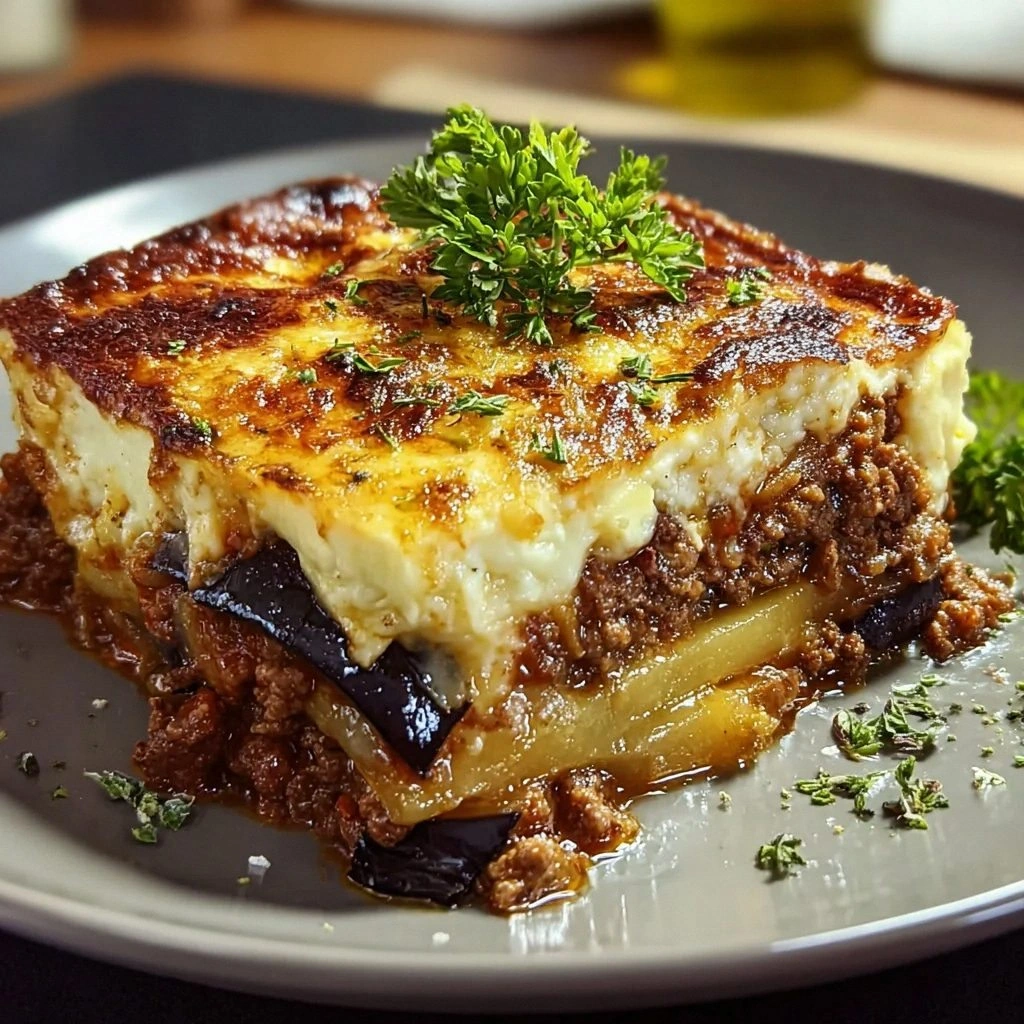
Picture this: the kitchen fills with the aromatic chorus of caramelizing onions, the earthy perfume of eggplant and zucchini, and the deep, wine‑kissed perfume of a simmering meat sauce. You hear the gentle hiss as each slice hits the hot pan, and the occasional pop of garlic releasing its buttery perfume. The texture under your fingertips is a buttery, creamy béchamel that clings to the back of a spoon like velvet, while the vegetables retain just enough bite to contrast the rich sauce. When you finally pull the dish from the oven, the top is a golden‑brown crown that cracks ever so slightly, revealing a molten cheese river underneath. It’s a sensory overload that makes you want to shout, “I dare you to taste this and not go back for seconds!”
What makes this version stand out isn’t just the ingredients — it’s the meticulous layering, the balance of spices, and a few secret tricks that most recipes completely miss. Most recipes get the béchamel wrong, ending up either too runny or curdled, and they often skip the crucial step of pre‑roasting the vegetables, which leads to a soggy bottom. I’ve cracked the code: a quick fry in olive oil for that crisp edge, a splash of red wine in the meat sauce for depth, and a whisper of cinnamon and nutmeg that adds a warm, almost nostalgic undertone. And the cheese? I’m using authentic Kefalograviera, which melts into a buttery, slightly sharp layer that crowns the dish with an unforgettable flavor.
Okay, ready for the game‑changer? I’m about to walk you through every single step — from picking the perfect eggplant at the market to the exact moment you know the béchamel has reached that perfect, glossy sheen. By the end, you’ll wonder how you ever made this dish any other way, and you’ll have a go‑to recipe that will make every dinner party feel like a Greek feast. Let’s dive in and create a moussaka that will have your friends begging for the secret.
What Makes This Version Stand Out
- Flavor Depth: A splash of red wine in the meat sauce adds a richness that ordinary tomato‑based sauces lack, turning every bite into a savory celebration.
- Texture Harmony: By frying the vegetables first, you get crispy edges that shatter like thin ice, while the interior stays tender, preventing the dreaded soggy bottom.
- Simplicity Meets Sophistication: Despite the many layers, each component is straightforward, making the recipe approachable for home cooks without sacrificing restaurant‑level elegance.
- Unique Spice Blend: The whisper of cinnamon and nutmeg adds warmth that most moussaka recipes miss, creating a comforting aroma that hugs your senses.
- Cheese Authenticity: Kefalograviera delivers a sharp, buttery finish that parmesan can only imitate, elevating the dish to authentic Greek standards.
- Crowd Reaction: I’ve watched strangers turn into repeat customers at dinner parties, all because they can’t resist that golden béchamel crown.
- Make‑Ahead Magic: This dish actually improves after a night in the fridge, allowing flavors to meld, and it reheats beautifully, making leftovers a luxury.
- Ingredient Quality: Using fresh, locally sourced vegetables and high‑quality cheese ensures each bite bursts with natural flavor, not just seasoning.
Inside the Ingredient List
The Flavor Base
Ground beef is the heart‑throb of this dish, providing a hearty, meaty backbone that carries the spices and tomato sauce. If you prefer a lighter option, you can swap in ground lamb for a more traditional Greek twist, but be ready for a richer, slightly gamier flavor. Skipping the onions or garlic would be a crime; they create a sweet‑savory foundation that makes the sauce sing. For the best results, use 80/20 ground beef so you get enough fat for flavor without excess greasiness.
The Texture Crew
Potatoes, zucchini, and eggplants form the structural layers that give moussaka its iconic look. Potatoes bring a buttery softness, while zucchini adds a subtle crunch, and eggplant contributes a smoky depth. If you leave out any of them, the dish loses its signature layered texture and can become one‑dimensional. When selecting eggplants, choose ones that are firm, glossy, and heavy for their size — they’ll hold up better during frying.
The Unexpected Star
Kefalograviera cheese is the secret weapon that turns a good moussaka into an unforgettable one. Its sharp, buttery flavor melts into a silky layer that ties the whole casserole together. If you can’t find it, a blend of parmesan and kasseri works, but the authentic taste will be slightly muted. Fresh parsley isn’t just a garnish; it adds a bright, herbaceous finish that cuts through the richness.
The Final Flourish
The béchamel sauce is the crowning glory — a buttery, velvety blanket that turns the assembled layers into a cohesive, indulgent whole. It’s made from butter, flour, milk, egg yolks, and a generous handful of Kefalograviera, creating a golden top that browns beautifully. Skipping the egg yolks will result in a thin, runny sauce that won’t set, while over‑cooking the roux will give you a bitter, burnt flavor. Use whole‑milk for the richest texture, and whisk constantly to avoid lumps.
Everything's prepped? Good. Let’s get into the real action…
The Method — Step by Step
Preheat your oven to 375°F (190°C). While the oven warms, slice the potatoes into ¼‑inch rounds, the zucchini into half‑moon pieces, and the eggplants into ¼‑inch rounds. Lightly brush each slice with olive oil, then lay them on a baking sheet. Roast for about 15 minutes, just until they start to turn golden at the edges – you’ll hear a faint sizzle that tells you they’re on the right track.
Heat a large skillet over medium‑high heat, add a generous glug of olive oil, and toss in the diced onions and minced garlic. Let them sweat until translucent and aromatic, about 3‑4 minutes. Then add the ground beef, breaking it up with a wooden spoon, and brown it until it releases its juices and turns a deep mahogany color. This is the moment of truth – if you hear a faint crackle, you’re on the right track.
Kitchen Hack: Deglaze the pan with the red wine, scraping up all the browned bits. This not only adds flavor but also prevents the sauce from becoming too thick later.Stir in the canned tomatoes, a pinch of salt, black pepper, a dash of cinnamon, a pinch of nutmeg, and the dried thyme and oregano. Reduce the heat to low and let the sauce simmer gently for 20‑25 minutes, stirring occasionally. You’ll notice the sauce thickening and the aroma becoming intoxicatingly herbaceous. If the sauce looks too thick, splash in a little water; if too thin, let it reduce a bit longer.
While the sauce simmers, prepare the béchamel. Melt butter in a saucepan over medium heat, then whisk in flour to create a roux. Cook for 2‑3 minutes until it turns a light golden hue – watch closely, because a burnt roux will ruin the sauce. Slowly pour in warm milk, whisking constantly to avoid lumps. Once the mixture thickens and coats the back of a spoon, remove from heat and stir in the egg yolks and grated Kefalograviera. This step is pure magic; the sauce should be glossy and smooth.
Watch Out: Adding the egg yolks too quickly can cause them to scramble. Temper them by whisking a small amount of hot béchamel into the yolks first, then pour the mixture back into the pan.Now it’s assembly time. In a greased 9×13‑inch baking dish, lay down a single layer of roasted potatoes, followed by a thin spread of the meat sauce. Next, arrange a layer of zucchini, then a layer of eggplant, each brushed lightly with olive oil. Repeat the meat sauce over the vegetables, then finish with a final potato layer on top.
Pour the béchamel evenly over the top, using a spatula to spread it into a smooth blanket. Sprinkle the remaining grated Kefalograviera over the béchamel for that extra cheesy crust. The surface should look like a golden snowfield waiting to melt.
Bake the assembled moussaka for 35‑40 minutes, or until the top is a deep golden brown and the edges are bubbling. About halfway through, you’ll notice the cheese bubbling and the béchamel forming a crisp, caramelized crust – that’s the sound of perfection.
Remove the dish from the oven and let it rest for at least 15 minutes before cutting. This resting period allows the layers to set, making each slice hold its shape. While you wait, sprinkle fresh parsley over the top for a pop of color and freshness. Picture yourself pulling a slice out, the knife gliding through the creamy béchamel, and the steam rising like a Greek sunrise.
Insider Tricks for Flawless Results
The Temperature Rule Nobody Follows
Never bake a moussaka straight from the fridge. Let the assembled dish sit at room temperature for 20‑30 minutes before it hits the oven. This ensures even cooking and prevents the bottom from becoming soggy while the top over‑browns. I once tried to throw it in the oven cold, and the result was a mushy mess that looked more like a stew than a casserole.
Why Your Nose Knows Best
Your nose is a better timer than any kitchen timer when it comes to the béchamel. When the sauce starts to emit a faint buttery aroma and you can see the edges pulling away from the pan, it’s ready. Trust that scent cue; over‑cooking will make it grainy, under‑cooking will leave it runny.
The 5‑Minute Rest That Changes Everything
Resist the urge to dive right in after baking. Letting the moussaka rest for 5‑15 minutes lets the layers firm up, making each cut clean and neat. This short pause also allows the flavors to meld, turning a good dish into a great one.
Salt Smart – Season in Layers
Season each component individually: the meat sauce, the vegetables, and the béchamel. This layered seasoning builds depth and prevents a flat taste. I once under‑salted the sauce and over‑salted the béchamel, resulting in an unbalanced dish that left my guests reaching for water.
The Cheese Crust Secret
Mix a small portion of grated Kefalograviera with a dash of paprika before sprinkling it on top. The paprika adds a subtle smoky note and a beautiful reddish hue that makes the dish look even more inviting. This tiny tweak turns the crust from ordinary to Instagram‑ready.
Creative Twists and Variations
This recipe is a playground. Here are some of my favorite ways to switch things up:
Lamb & Mint Fusion
Swap ground beef for ground lamb and add a handful of chopped fresh mint to the meat sauce. The mint brightens the richness of the lamb, creating a Mediterranean twist that will wow any meat lover.
Vegetarian Garden Delight
Replace the meat with a hearty lentil‑tomato mixture, and add layers of sliced mushrooms and bell peppers. The lentils provide protein, while the extra veggies boost texture and color, making it a satisfying vegetarian main.
Spicy Harissa Heat
Stir a tablespoon of harissa paste into the meat sauce for a North‑African kick. The smoky heat pairs beautifully with the cinnamon and nutmeg, offering a bold flavor adventure.
Cheesy Double‑Layer
Add a thin layer of ricotta mixed with an egg and a sprinkle of oregano between the vegetable layers. This creates a creamy pocket that melts into the béchamel, giving an extra indulgent texture.
Mini Moussaka Cups
Use a muffin tin to create individual portions. Press the potato layer into the bottom, add meat sauce, vegetables, and top with béchamel. Bake for 25 minutes and serve as elegant appetizers at a party.
Storing and Bringing It Back to Life
Fridge Storage
Allow the moussaka to cool to room temperature, then cover tightly with foil or plastic wrap. It will keep in the refrigerator for up to 4 days. When you’re ready to eat, reheat a slice in the oven at 350°F (175°C) for 20 minutes, covered with foil to retain moisture.
Freezer Friendly
Freeze the fully assembled, unbaked moussaka for up to 2 months. Wrap it first in a layer of cling film, then in a heavy‑duty freezer bag. To bake from frozen, increase the oven time by 15‑20 minutes and start at 375°F (190°C). The béchamel will set perfectly once thawed and baked.
Best Reheating Method
For leftovers, the best method is a gentle oven reheating. Place a slice on a baking sheet, add a tiny splash of water or milk around the edges, and cover loosely with foil. Heat at 325°F (160°C) for 15‑20 minutes. The added moisture steams the béchamel back to its original silkiness.