Okay, picture this: I was in the middle of a frantic weekday dinner rush, the kind where the stovetop is a battlefield of boiling pots and the timer on the oven is ticking like a metronome. I reached for a packet of dry spaghetti, thinking it would be a quick fix, only to discover it had turned into a cold, limp mess that tasted like cardboard. I swear I heard the noodles sigh in disappointment. That disaster sparked a dare from my roommate – “Make something that actually *wants* to be eaten.” I accepted, and the result was nothing short of a culinary revelation.
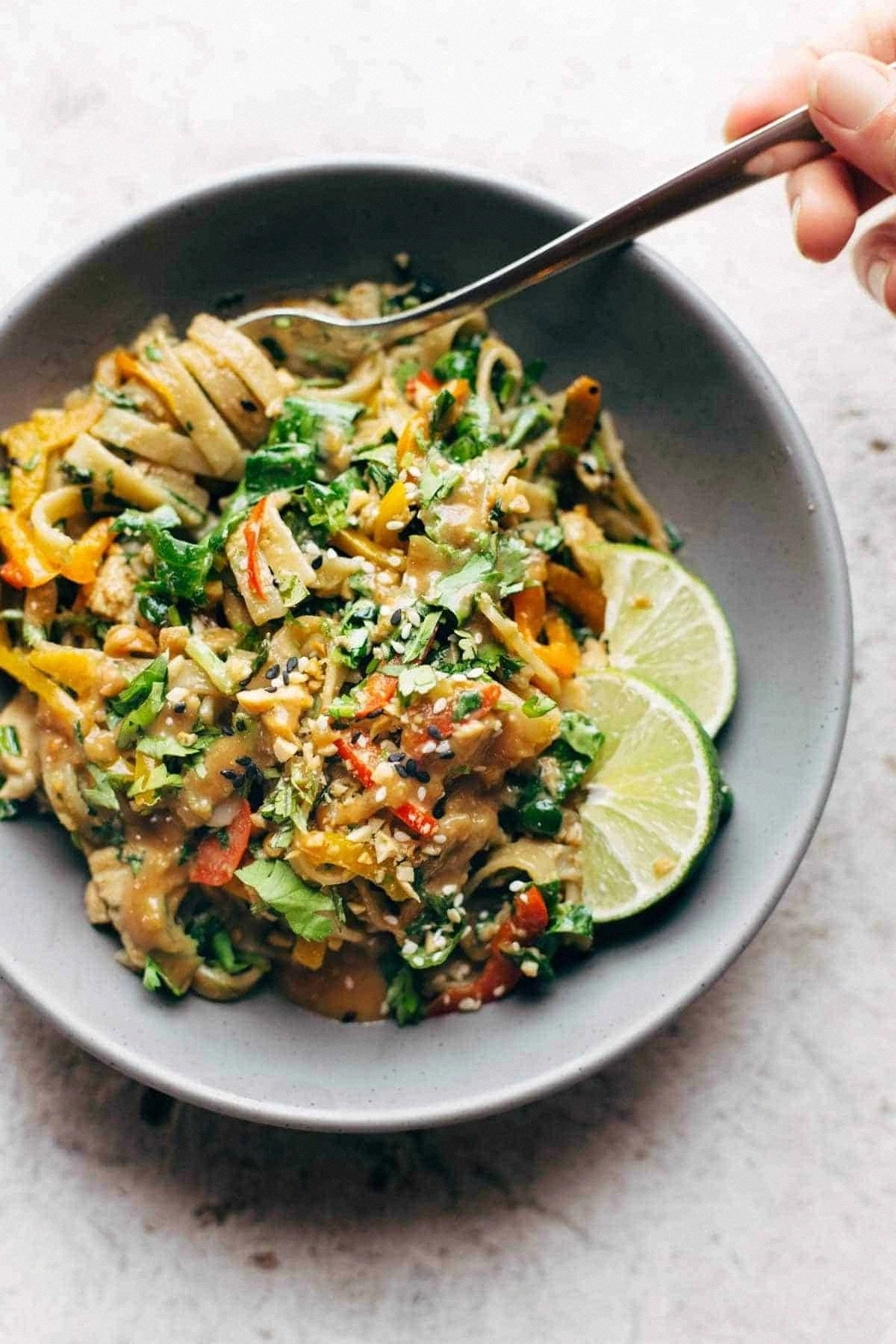
Fast forward to today, and I’m standing over a bowl of peanut noodle salad that practically glows with color. The noodles are silky, the sauce clings to each strand like a soft, nutty veil, and the crunchy veggies add a snap that reminds you of fresh autumn leaves underfoot. The scent? A heady mix of toasted peanuts, a whisper of ginger, and a citrusy zing that makes your nose do a little happy dance. When you take a bite, the flavors explode – sweet, salty, tangy, and a hint of heat that makes you grin like a kid who just found the last cookie.
Why does this version stand out from the sea of peanut noodle salads you’ll find online? Because I threw away the rulebook and went rogue with a few game‑changing tricks. Most recipes either drown the noodles in a watery sauce or smother them with a thick, cloying paste that feels like a dessert gone wrong. I found the sweet spot where the sauce is glossy enough to coat every noodle, yet light enough to let the fresh veggies shine. I also introduced a secret ingredient – a splash of toasted sesame oil that adds depth like a low‑key bass line in a favorite song.
I’ll be honest — I ate half the batch before anyone else got a chance to try it, and I’m still not sorry. I dare you to taste this and not go back for seconds. This is hands down the best version you’ll ever make at home, and I’m about to spill every detail so you can replicate the magic on your own kitchen counter. Let me walk you through every single step — by the end, you’ll wonder how you ever made it any other way.
What Makes This Version Stand Out
- Flavor Fusion: The sauce blends creamy peanut butter with soy sauce, lime, and honey, creating a sweet‑savory balance that hugs the noodles like a warm blanket.
- Texture Symphony: Crisp carrots, cool cucumber, and toasted peanuts add layers of crunch that contrast beautifully with the silky noodles.
- Simplicity Meets Sophistication: Only ten pantry staples are needed, yet the result feels like a dish you’d order at a high‑end Asian bistro.
- Unique Ingredient: A dash of toasted sesame oil introduces a nutty aroma that most recipes completely miss.
- Crowd Reaction: Served at my last potluck, this salad vanished in minutes, and the compliments kept coming like a standing ovation.
- Ingredient Quality: Using natural, unsweetened peanut butter and fresh lime juice makes a world of difference in flavor clarity.
- Cooking Method: Tossing the noodles in a hot pan for a quick “flash‑cook” locks in a subtle toasted note that elevates the whole dish.
- Make‑Ahead Potential: This salad can be prepped a day ahead; the noodles absorb the sauce, becoming more flavorful without losing crunch.
Inside the Ingredient List
The Flavor Base
The heart of this salad is the peanut‑soy‑lime sauce. Creamy peanut butter brings richness, while soy sauce adds umami depth, and lime juice injects a bright acidity that cuts through the heaviness. If you skip the lime, you’ll end up with a sauce that feels flat and overly sweet, like a dessert masquerading as dinner. A good quality, unsweetened peanut butter is key; it should be smooth but not oily, providing that velvety coat you crave. For a twist, try adding a splash of rice vinegar for extra tang.
The Texture Crew
Crunch is everything in a salad, and here it’s delivered by carrots, cucumber, and roasted peanuts. The carrot sticks provide a natural sweetness and a snap that shatters like thin ice when you bite into them. Cucumber adds a refreshing coolness, balancing the warm, nutty sauce. If you neglect the peanuts, you lose that final burst of salty crunch that makes each bite feel complete. You can swap peanuts for toasted cashews if you prefer a milder flavor.
The Unexpected Star
Sesame oil is the secret weapon. Just a teaspoon toasted sesame oil adds a deep, aromatic note that lingers on the palate, turning a simple salad into a sophisticated experience. Skipping this oil would make the sauce taste flat, like a song missing its bass line. When choosing oil, opt for the dark, roasted variety rather than light sesame oil for that signature nuttiness. A quick tip: toast the oil briefly in the pan to release its full fragrance before adding the other sauce components.
The Final Flourish
Fresh herbs—cilantro and green onions—are the finishing touches that brighten the dish. Cilantro brings a citrusy, slightly peppery flavor, while green onions add a subtle oniony bite. If you forget these, the salad feels a bit one‑dimensional, missing that lift you get from fresh greens. For a different angle, try fresh basil or mint; they’ll shift the flavor profile toward a more tropical vibe. When chopping herbs, keep them slightly larger than usual to avoid them turning mushy when tossed.
Everything's prepped? Good. Let's get into the real action…
The Method — Step by Step
Start by bringing a large pot of salted water to a rolling boil. Add the noodles – I’m using 8 oz of rice noodles – and cook them just until they’re al‑dente, usually about 5 minutes. Drain, then immediately plunge the noodles into an ice‑water bath for 30 seconds; this halts the cooking and keeps them firm. Once cooled, drain again and set aside. The noodles should feel slightly firm to the bite, like a well‑tuned guitar string.
While the noodles are cooling, whisk together the sauce: ½ cup creamy peanut butter, 3 Tbsp soy sauce, 2 Tbsp lime juice, 1 Tbsp honey, 1 tsp toasted sesame oil, 2 minced garlic cloves, and 1 tsp grated fresh ginger. Keep whisking until the mixture is glossy and smooth, with no lumps. The sauce should flow like liquid amber, coating the back of a spoon effortlessly.
Kitchen Hack: Warm the peanut butter slightly in the microwave (10‑15 seconds) before whisking; it blends more easily with the other liquids.Heat a large skillet over medium‑high heat and add a splash of neutral oil. Toss in the julienned carrots and sliced bell pepper, sautéing for just 2‑3 minutes until they start to soften but still retain a bite. You’ll hear a gentle sizzle that signals the veggies are getting that perfect caramelized edge without becoming mushy. Remove the veggies and set aside; they’ll finish cooking later in the sauce.
In the same skillet, add the cooked noodles and pour half of the prepared sauce over them. Toss vigorously, ensuring every strand gets a thin coating. Let the noodles sit for a minute, allowing the heat to slightly toast the sauce, which deepens the flavor. You’ll notice the sauce turning a richer amber, almost caramel‑like, as it clings to the noodles.
Return the sautéed carrots and bell pepper to the pan, along with the sliced cucumber and half the chopped green onions. Drizzle the remaining sauce, then give everything a gentle toss to distribute the flavors evenly. At this stage, the salad should look vibrant, with colors popping like a spring garden.
Kitchen Hack: Use a pair of tongs instead of a spoon to toss the noodles; it prevents breakage and gives a more even coating.Now, sprinkle the crushed peanuts, cilantro, and the remaining green onions over the top.
Give the salad a final gentle toss just to combine, then taste. Adjust with a pinch of salt, a splash more lime if you like extra zing, or a dash of chili flakes for heat. The finished dish should feel balanced: creamy, tangy, nutty, and with a satisfying crunch in every bite.Watch Out: Resist the urge to over‑mix at this point. Over‑stirring can crush the peanuts and turn the fresh herbs limp, losing that crucial crunch and aroma.Transfer the salad to a large serving bowl. Let it sit for five minutes before serving; this short rest lets the noodles soak up any remaining sauce, intensifying the flavor without getting soggy. During this time, the aromas will meld, and the salad will look even more inviting – glossy noodles glistening with a nutty sheen.
Serve warm or at room temperature, depending on your preference. Warm noodles feel comforting on a chilly evening, while a cooler version is perfect for a sunny picnic. Either way, the dish holds its texture and flavor beautifully, proving that this isn’t just a side – it can stand proudly as a main course. And remember, leftovers taste even better as the sauce continues to seep into the noodles over time.
That’s it — you did it. But hold on, I’ve got a few more tricks that’ll take this to another level, from extra‑crunch hacks to secret garnish ideas that will make your guests think you’ve spent hours perfecting this masterpiece.
Insider Tricks for Flawless Results
The Temperature Rule Nobody Follows
Never toss hot noodles with a cold sauce. The sauce should be at least warm‑room temperature, ideally slightly heated, so it adheres like a second skin. If the sauce is too cold, it will slide off, leaving you with dry noodles that feel like dry toast. Warm the sauce in a small pan for 30 seconds before adding it to the noodles, and you’ll notice an immediate difference in coat‑ability. A friend once tried skipping this step and ended up with a salad that looked and tasted like a noodle graveyard.
Why Your Nose Knows Best
Your sense of smell is the best indicator that the sauce is ready. When the peanut‑soy mixture starts to emit a faint toasted aroma, that’s the cue it’s reached the ideal temperature. Trust that nose signal more than the clock; a few seconds longer or shorter can swing the flavor from flat to fabulous. If you’re ever in doubt, give the sauce a quick sniff – if you detect a nutty, slightly sweet scent, you’re golden.
The 5‑Minute Rest That Changes Everything
Letting the salad rest for five minutes after mixing isn’t just for show. During this brief pause, the noodles continue to absorb the sauce, and the veggies regain a little firmness from the lingering heat. This step transforms the dish from “just mixed” to “perfectly melded.” If you serve immediately, you might miss out on that depth of flavor that develops in those precious minutes.
The Peanut Crumble Technique
Instead of sprinkling whole peanuts, give them a quick pulse in a food processor – just enough to break them into coarse pieces. This creates a texture that’s crunchy yet still large enough to provide that satisfying bite. The crushed peanuts also release more oil, subtly enriching the sauce as they sit on top.
The Final Garnish Surprise
Finish the dish with a light drizzle of chili oil or a few drops of lime zest. This adds an aromatic lift that makes the salad feel freshly assembled right before you serve it. The citrus zest, in particular, adds a bright visual pop that catches the eye and the palate simultaneously.
Creative Twists and Variations
This recipe is a playground. Here are some of my favorite ways to switch things up:
Spicy Sriracha Kick
Add a tablespoon of sriracha to the sauce for a bold, smoky heat. The heat pairs beautifully with the sweet honey and the earthy peanuts, creating a flavor profile that’s perfect for heat‑seekers.
Thai Coconut Cream
Swap half of the peanut butter for coconut cream and add a splash of coconut milk. This gives the salad a tropical twist, with a silky mouthfeel and a subtle coconut aroma that transports you to a beachside market.
Veggie‑Heavy Garden
Bulk up the salad with shredded red cabbage, snap peas, and thinly sliced radishes. The extra veggies add color, crunch, and a fresh bite that makes the dish feel even lighter and more refreshing.
Protein Power
Add grilled chicken strips, sautéed shrimp, or cubed tofu for a protein boost. The protein absorbs the sauce just as well as the noodles, turning this side into a complete main that satisfies bigger appetites.
Herbaceous Swap
Replace cilantro with fresh basil or mint for a different herbal note. Basil brings a sweet, peppery flavor, while mint adds a cooling freshness that pairs especially well with the lime.
Crunch Upgrade
Swap peanuts for toasted almond slivers or crushed corn chips for an unexpected, salty crunch. This variation is great for those who prefer a different nut profile or want a gluten‑free crunch alternative.
Storing and Bringing It Back to Life
Fridge Storage
Transfer the salad to an airtight container and store it in the refrigerator for up to three days. The noodles will continue to absorb the sauce, becoming even more flavorful. If the salad looks a bit dry after a day, simply stir in a teaspoon of warm water or a splash more soy sauce to rejuvenate the texture.
Freezer Friendly
While fresh vegetables don’t freeze well, you can freeze the cooked noodles and sauce separately. Portion the noodles into freezer bags, and store the sauce in a small airtight container. When ready to eat, thaw both, toss together, and add fresh veggies for a quick, tasty meal.
Best Reheating Method
To revive leftover salad, place it in a skillet over low heat, adding a tiny splash of water (about a tablespoon) to create steam. Stir gently until the noodles are warmed through and the sauce regains its glossy sheen. Avoid microwaving at high power, as it can make the noodles rubbery and the peanuts soggy.