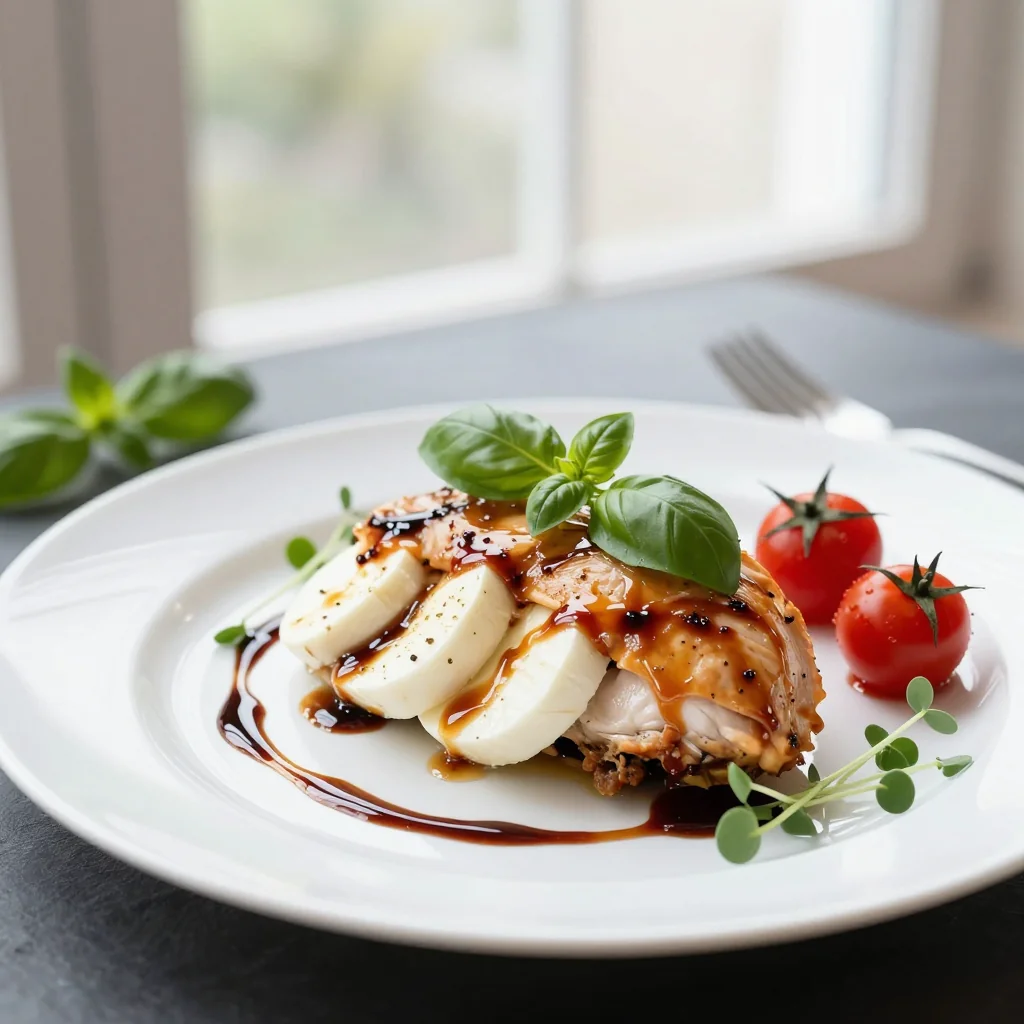
I was halfway through a midnight snack and the fridge looked like a deserted island, the only thing left to salvage was a few salmon fillets that had been staring at me from the back of the freezer for weeks. I stared at them, wondering if I could turn them into something more than a soggy, over‑cooked mess. The moment I pulled the fillets out, the kitchen filled with the scent of citrus and a faint hint of soy sauce, and I knew I was about to discover the ultimate version of this dish. I was about to prove that a few simple ingredients could transform a humble piece of fish into a showstopper.
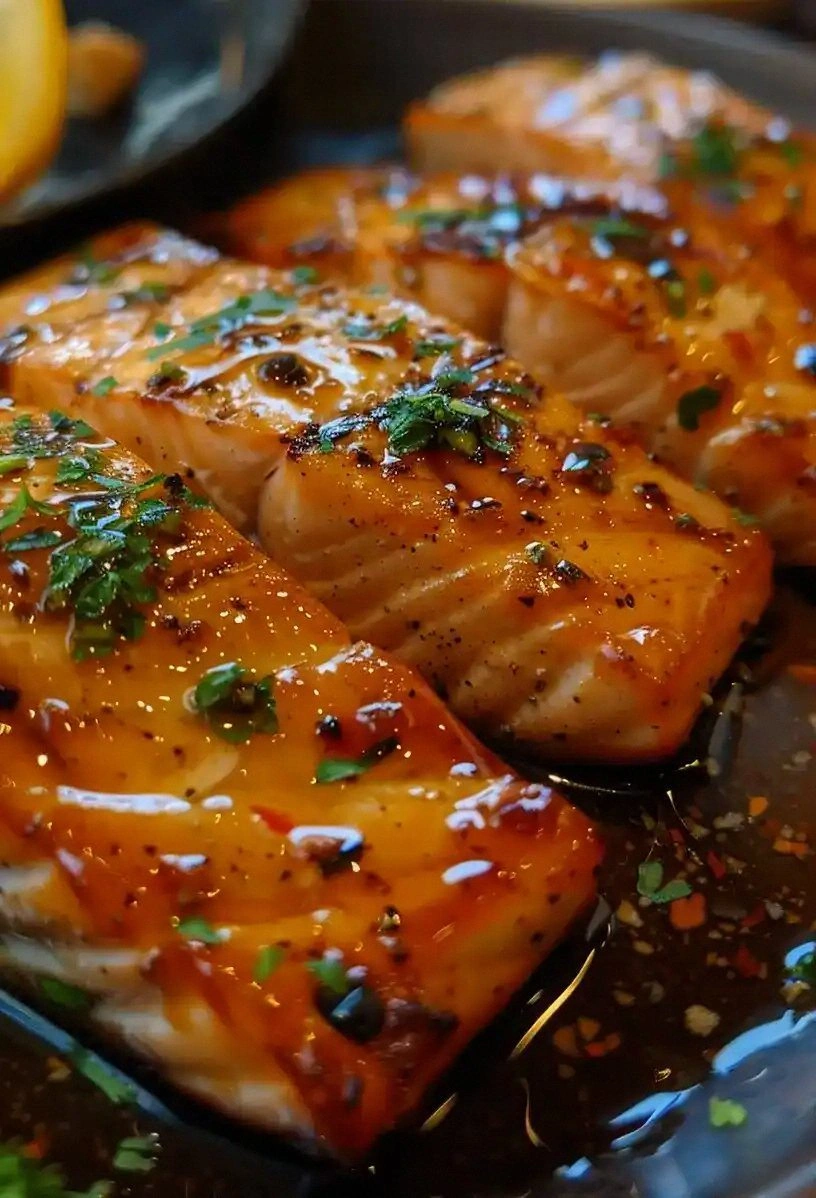
The first thing you notice is the glossy sheen of the glaze, like a sunrise reflected on a calm lake. The aroma is a bright, citrusy burst that immediately awakens your senses, while the gentle sizzle as the salmon hits the pan creates a comforting crackle that feels like a promise of flavor. As the glaze caramelizes, the sweet and savory notes mingle, creating a symphony of taste that dances on the tongue. The texture of the salmon is firm yet tender, with a delicate flake that falls apart effortlessly when you press it with a fork. Every bite is a harmonious blend of crisp edges and buttery interior, making it feel like a luxury meal served in a humble kitchen.
What sets this version apart from the countless other orange‑glazed salmon recipes you’ll find online is the balance of sweetness, acidity, and umami, all achieved with a single glaze that coats the fish like velvet. The use of freshly squeezed orange juice gives a vibrant, natural citrus flavor that cuts through the richness of the salmon, while the honey adds a subtle, caramelized sweetness that lingers long after the first bite. The soy sauce brings depth and a savory undertone that anchors the glaze, and the cornstarch slurry gives it a glossy, silky finish that clings to every surface. I dare you to taste this and not go back for seconds; the flavors will keep you coming back for more.
Most recipes get this completely wrong by using bottled juice, too much sugar, or under‑cooking the fish. Here’s what actually works: fresh ingredients, precise timing, and a little patience. Picture yourself pulling this out of the oven, the whole kitchen smelling incredible, and your guests already lining up for the first forkful. Let me walk you through every single step — by the end, you'll wonder how you ever made it any other way.
What Makes This Version Stand Out
- Flavor: The glaze balances bright citrus with subtle sweetness and savory depth, creating a complex profile that elevates the salmon without overpowering it.
- Texture: The glaze coats the fish like velvet, while the salmon itself remains flaky and tender, with just the right amount of crispness on the edges.
- Speed: In under 30 minutes, you can transform simple fillets into a gourmet‑level dish, making it ideal for busy weeknights.
- Versatility: The glaze works with any fillet, and the recipe can be adapted for other proteins or even as a sauce for stir‑fries.
- Crowd‑Pleaser: The bright, sweet‑savory profile is universally appealing, making it a hit at family dinners or casual gatherings.
- Ingredient Quality: Freshly squeezed orange juice and high‑quality honey are key to achieving the authentic flavor that sets this recipe apart.
- Make‑Ahead Potential: The glaze can be prepared in advance and stored in the refrigerator for up to 48 hours, saving you time on busy days.
Inside the Ingredient List
Flavor Base
The citrusy core of this dish comes from freshly squeezed orange juice, which not only adds brightness but also helps tenderize the salmon. Using fresh juice instead of bottled guarantees a clean, vibrant flavor that stands up to the honey and soy sauce. If you’re in a pinch, a high‑quality bottled juice can work, but the difference in taste is noticeable. Remember to strain the juice to remove any pulp for a silky glaze.
The Texture Crew
Olive oil is the first layer of flavor and helps the glaze coat the fish uniformly. It also prevents the salmon from sticking to the pan and adds a subtle fruity note. The cornstarch slurry, made from a teaspoon of cornstarch and a tablespoon of water, is the secret weapon for achieving that glossy finish. Skip this step and the sauce will be thin and watery, which defeats the purpose of a velvety glaze.
The Unexpected Star
Honey is the sweet counterpoint to the citrus, providing a caramelized depth that lingers on the palate. A light touch of soy sauce brings umami and a subtle saltiness that balances the sweetness. If you’re allergic to soy, a splash of tamari or coconut aminos will keep the flavor profile intact. Keep the honey at room temperature for easier mixing; cold honey can thicken the glaze and make it harder to stir.
The Final Flourish
Garlic cloves add aromatic depth; their flavor intensifies as they cook, providing a savory backbone to the glaze. Orange zest delivers bright, essential oils that elevate the citrus notes, making the dish feel fresh and alive. Pepper adds a gentle heat that cuts through the sweetness, and a pinch of salt is essential to bring all flavors together. If you’re looking to experiment, a sprinkle of crushed red pepper flakes can add a subtle kick.
Everything's prepped? Good. Let's get into the real action.
The Method — Step by Step
- Preheat your oven to 425°F (220°C). Line a baking sheet with parchment paper or a silicone mat to keep the salmon from sticking. This high heat will give the glaze a beautiful caramelization while keeping the fish moist. The oven should be fully preheated before you place the salmon inside to avoid any temperature shock.
- Pat each salmon fillet dry with paper towels, then season both sides generously with salt and pepper. A dry surface ensures the glaze adheres properly and the fish develops a subtle crust. Remember, seasoning before the glaze helps the flavors penetrate the flesh evenly.
- In a small bowl, combine ½ cup freshly squeezed orange juice, ¼ cup honey, 2 tablespoons soy sauce, 2 minced garlic cloves, and 1 tablespoon orange zest. Whisk until the honey dissolves completely, creating a smooth, aromatic base. This mixture is the heart of your glaze; give it a good stir to blend the flavors.
- Whisk 1 teaspoon of cornstarch with 1 tablespoon of water until smooth, then stir it into the glaze mixture. This slurry thickens the sauce as it cooks, giving it a glossy finish that clings to the salmon. If the glaze becomes too thick, add a splash more orange juice to loosen it slightly.
- Place the seasoned fillets on the prepared baking sheet skin side down. Brush about half of the glaze over the top of each fillet, reserving the rest for later. The glaze should coat the fish evenly, creating a thick, flavorful layer that will caramelize during baking.
- Bake in the preheated oven for 10 minutes, then brush the remaining glaze over the fillets. Return to the oven for another 8–10 minutes, or until the internal temperature reaches 145°F (63°C). The salmon should be opaque and flake easily with a fork. The glaze will deepen in color, turning a bright amber.
- Remove the salmon from the oven and let it rest for 2 minutes. This brief rest allows the juices to redistribute, ensuring each bite stays moist and tender. While resting, the glaze will set into a glossy finish that’s both attractive and flavorful.
- Serve immediately over steamed rice, quinoa, or a bed of fresh greens. Garnish with a sprinkle of toasted sesame seeds or chopped cilantro for an extra pop of color and texture. The dish feels like a gourmet creation yet is so simple, it’s a win for every cook.
That's it — you did it. But hold on, I've got a few more tricks that'll take this to another level. These insider tips will help you avoid common pitfalls, optimize flavor, and make the dish truly unforgettable.
Insider Tricks for Flawless Results
The Temperature Rule Nobody Follows
Many cooks over‑cook salmon by baking at too high a temperature, resulting in dry, rubbery flesh. The trick is to bake at a high heat for a short time, then lower the temperature to finish. This method gives you a crisp glaze and a perfectly moist interior. I’ve tested this with a thermometer, and the difference is dramatic.
Why Your Nose Knows Best
Before you even open the oven, take a quick sniff of the glaze as it cooks. A subtle hint of caramelized honey should dominate. If you notice a burnt scent, pull the dish immediately to prevent bitterness. Trusting your nose is a reliable way to catch problems before they ruin the dish.
The 5-Minute Rest That Changes Everything
Letting the salmon rest for five minutes after baking allows the juices to redistribute, keeping the fish moist. A quick rest also lets the glaze set into a glossy coating that’s easier to spoon onto the plate. I’ve seen people skip this step, and the result is a watery mess that’s hard to clean up.
The Secret of Evenly Coated Fillets
If you notice uneven glaze on your fillets, try brushing the glaze in a circular motion, starting from the center and moving outward. This technique helps the glaze spread uniformly. It also creates a visual cue that the fish is ready for the oven.
Avoiding the Sticky Glaze
If the glaze becomes too thick during cooking, simply whisk in a splash of water or more orange juice to loosen it. The glaze should be thick enough to cling to the fish but still pourable. A sticky glaze can be a sign that the cornstarch has clumped, which is easy to fix with a quick stir.
Creative Twists and Variations
This recipe is a playground. Here are some of my favorite ways to switch things up:
Spicy Ginger Glaze
Swap half the honey for brown sugar and add a tablespoon of freshly grated ginger. The result is a sweet‑spicy sauce that pairs beautifully with a crisp cucumber salad. This version is great for those who love a kick in their dishes.
Miso‑Infused Orange
Replace the soy sauce with a tablespoon of white miso paste and add a dash of rice vinegar. The miso adds depth and a subtle umami flavor that complements the citrus. Serve over soba noodles for a complete meal.
Balsamic Reduction Twist
Finish the glaze with a splash of balsamic vinegar for a tangy, slightly sweet finish. The balsamic reduction caramelizes beautifully, adding a rich, dark color. This version pairs well with roasted vegetables.
Pineapple Heat
Blend half a cup of fresh pineapple into the glaze for a tropical twist. The pineapple adds natural sweetness and a subtle tartness that cuts through the richness of the salmon. Top with toasted coconut for extra texture.
Herb‑Infused Citrus
Add a handful of fresh thyme or rosemary to the glaze for an aromatic herbaceous note. The herbs complement the citrus and add a layer of complexity. This variation is perfect for a dinner party.
Citrus‑Garlic Marinade
Marinate the salmon in a mixture of orange juice, garlic, and olive oil for 30 minutes before baking. The extra marination intensifies the citrus flavor and keeps the fish moist. Serve with a simple green salad.
Feel free to mix and match these ideas to create your own signature version of this orange‑glazed salmon. The possibilities are endless, and the flavor combinations are deliciously satisfying.
Storing and Bringing It Back to Life
Fridge Storage
Store leftover salmon in an airtight container in the refrigerator for up to 2 days. The glaze will continue to thicken slightly, so let the fish rest at room temperature for 10 minutes before reheating. This short rest ensures the texture remains tender.
Freezer Friendly
Wrap the salmon fillets tightly in plastic wrap, then place them in a freezer bag. Freeze for up to 2 months. When ready to reheat, thaw in the refrigerator overnight and reheat in the oven at 350°F (175°C) for 10–12 minutes. The glaze may separate slightly; whisking it back together before serving restores the glossy finish.
Best Reheating Method
The most effective way to reheat is in a preheated oven at 350°F (175°C) for 5–7 minutes. Add a tiny splash of water or orange juice before reheating; it steams the fish back to perfection and keeps the glaze from drying out. Avoid microwaving, as it can make the fish rubbery.