I was standing in my kitchen on a sweltering July afternoon, the kind of day where the heat feels like it’s trying to melt the ceiling plaster. I had just rescued a half‑finished batch of regular lemonade from the trash because it tasted like a sad, watery disappointment. My friend dared me to turn that failure into something spectacular, and I thought, “Why not add a splash of magic?” That’s when I remembered the tiny, midnight‑blue butterfly pea flowers my aunt had sent me from Thailand, promising a color shift that could make any drink look like it belongs in a fairy‑tale. I tossed a tablespoon of those delicate petals into a pot of boiling water, and the kitchen filled with a fragrance that was part earthy garden, part whisper of distant seas.
The moment the water turned a deep indigo, I felt a surge of excitement that made the heat in the room seem like a distant memory. I could almost see the color change in my mind’s eye: a bright, citrusy lemon splash that would transform the dark brew into a blush‑pink sunrise if you added the right amount of acidity. I squeezed fresh lemons, the scent of their zest exploding like fireworks, and watched the liquid swirl, turning from royal blue to a soft, blush pink that looked like it belonged on a summer wedding cake. The sound of ice cubes clinking into a glass was like a tiny orchestra, each clink a note of anticipation.
I’ve tried countless lemonade recipes, and most of them either end up too sweet, too sour, or just plain boring. Most recipes get this completely wrong. They forget that texture matters just as much as flavor, and they ignore the power of a visual cue to make a drink unforgettable. This version stands out because it balances the bright tartness of lemons with a subtle floral note from the butterfly pea, and the optional fizz from sparkling water adds a playful bite that keeps the palate dancing. I dare you to taste this and not go back for seconds – it’s that good.
What really blew my mind was the simplicity of the technique: steep, sweeten, squeeze, and chill. No fancy equipment, no complicated syrups, just a handful of pantry staples and a dash of curiosity. I’ll be honest — I ate half the batch before anyone else got to try it, and the leftover was still so refreshing that I poured it over a bowl of fresh berries for dessert. Okay, ready for the game‑changer? Let me walk you through every single step — by the end, you’ll wonder how you ever made it any other way.
What Makes This Version Stand Out
- Taste: The lemon’s bright acidity is perfectly balanced by a whisper of floral sweetness from the butterfly pea, creating a layered flavor profile that keeps you sipping.
- Texture: The optional sparkling water adds a gentle fizz that feels like tiny bubbles dancing on your tongue, while the ice keeps the drink crisp without diluting it too quickly.
- Simplicity: Only seven core ingredients, all of which you probably already have, means you can throw this together in under half an hour.
- Uniqueness: The color‑changing magic when lemon meets butterfly pea is a conversation starter that turns a simple beverage into an Instagram‑worthy moment.
- Crowd Reaction: Guests often ask, “What’s in this?” and then immediately request a refill, which is exactly the reaction you want at a summer gathering.
- Ingredient Quality: Using organic butterfly pea flowers and fresh, unwaxed lemons amplifies both flavor and visual appeal, making the drink feel premium.
- Method: The steeping process extracts the pigments without bitterness, and the quick chill preserves the bright, fresh taste.
- Make‑Ahead Potential: You can brew the butterfly pea tea a day ahead, store it in the fridge, and simply add lemon and fizz when you’re ready to serve.
Inside the Ingredient List
The Flavor Base
The heart of this lemonade is the butterfly pea flower. Dried petals release anthocyanins, natural pigments that turn water a deep indigo. When you add acidic lemon juice, those pigments shift to a delicate pink, creating a visual spectacle. If you skip the pea flowers, you lose both the color drama and the subtle earthy note that makes this drink feel sophisticated. As a swap, you could use a small amount of hibiscus tea for a similar color change, but the flavor will be more tart and less floral.
The Citrus Crew
Fresh lemons are non‑negotiable. Their bright, zesty aroma awakens the senses the moment you slice them, and the juice provides the necessary acidity to trigger the color shift. If you’re out of lemons, lime works in a pinch, but expect a slightly different flavor profile – lime is sharper and will give the drink a greener tint. When selecting lemons, look for ones that feel heavy for their size and have a smooth, glossy skin; those are the juiciest.
The Sweetener Squad
Granulated sugar is the classic choice because it dissolves easily in the warm butterfly pea tea, ensuring a smooth mouthfeel. Adjust the amount to your personal sweetness preference; 1/3 cup yields a lightly sweet drink, while 1/2 cup leans toward dessert‑like richness. If you’re avoiding refined sugar, honey or agave syrup are excellent alternatives, though they’ll add a subtle flavor nuance. Skipping sweetener entirely will make the drink taste more like a medicinal tonic, which might be appealing to some but not the majority.
The Final Flourish
Ice cubes and optional sparkling water are the finishing touches that turn this from a simple tea into a refreshing summer cocktail. Ice chills the drink instantly, while sparkling water adds a lively effervescence that lifts the flavors. If you prefer a still version, simply omit the sparkling water and enjoy a smoother, more meditative sip. Fresh mint leaves or lemon slices aren’t just garnish; they add an aromatic lift that makes each sip feel like a mini vacation.
Everything's prepped? Good. Let's get into the real action...
The Method — Step by Step
Gather a medium saucepan, your dried butterfly pea flowers, and 4 cups of cold water. Toss the flowers into the pot and bring to a gentle boil over medium heat. As soon as you see the first bubbles, reduce the heat to a simmer and let the petals steep for 5‑7 minutes. You’ll notice the water turning a deep, midnight‑blue – that’s the anthocyanins doing their work. Watch out: if you boil too vigorously, the petals can become bitter, so keep the simmer gentle.
Watch Out: Over‑steeping beyond 10 minutes can introduce a grassy bitterness that will be hard to mask later.While the tea is steeping, roll a rolling pin over your lemons and give them a quick spin on the countertop. This releases the internal juices, making them easier to squeeze. Slice the lemons in half and use a handheld juicer or a fork to extract about 1 cup of fresh lemon juice. The aroma should hit you like a burst of sunshine; if it doesn’t, you probably need a few more lemons.
Kitchen Hack: Roll the lemons on a clean kitchen towel before cutting; this breaks down the membranes and yields more juice.Once the butterfly pea tea has reached the perfect shade, strain it through a fine‑mesh sieve into a large heat‑proof pitcher. Press the petals with the back of a spoon to extract every last drop of color. Discard the spent petals – you’ve already harvested their magic. The liquid should be a glossy indigo, almost like a midnight sky in a glass.
Now comes the sweetening stage. While the tea is still warm (but not scalding), whisk in 1/3 to 1/2 cup of granulated sugar until fully dissolved. Warm liquid helps the sugar integrate without any gritty texture. Taste the mixture; it should be sweet but not cloying. If you prefer honey, add it now – it will dissolve just as easily and add a floral undertone.
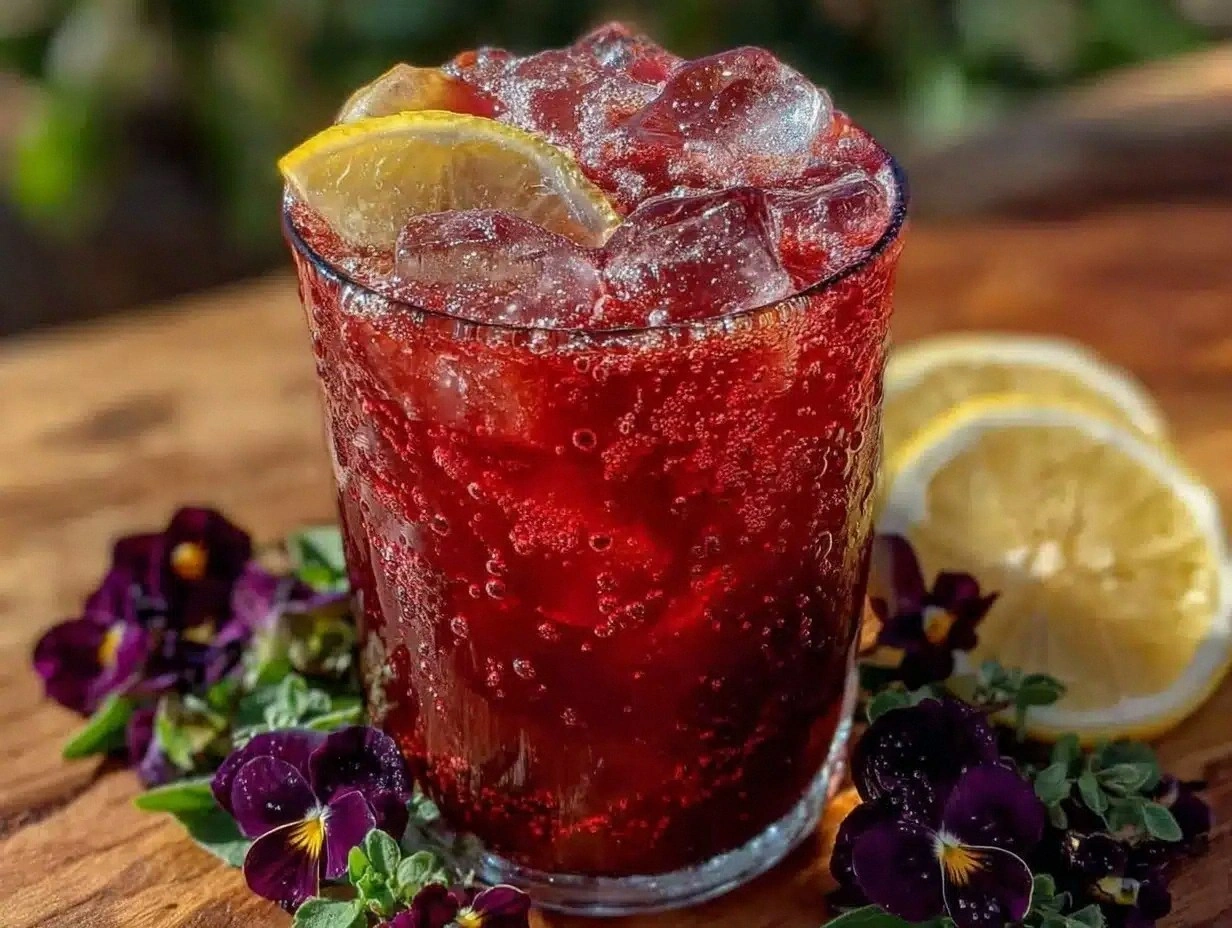
Here’s the fun part: slowly pour the fresh lemon juice into the sweetened butterfly pea tea while stirring constantly. As the acidic lemon meets the alkaline tea, watch the color transform from deep blue to a blush pink that looks like a sunrise over a tropical lagoon. This is pure magic, and it’s the moment that will make your guests gasp in awe.
Add a generous handful of ice cubes to the pitcher, letting the drink chill rapidly. If you love a fizzy kick, now is the time to stir in 1 cup of sparkling water. The bubbles will lift the pink hue, giving it a light, airy quality. Taste again – the cold should mellow the sweetness and highlight the citrus brightness.
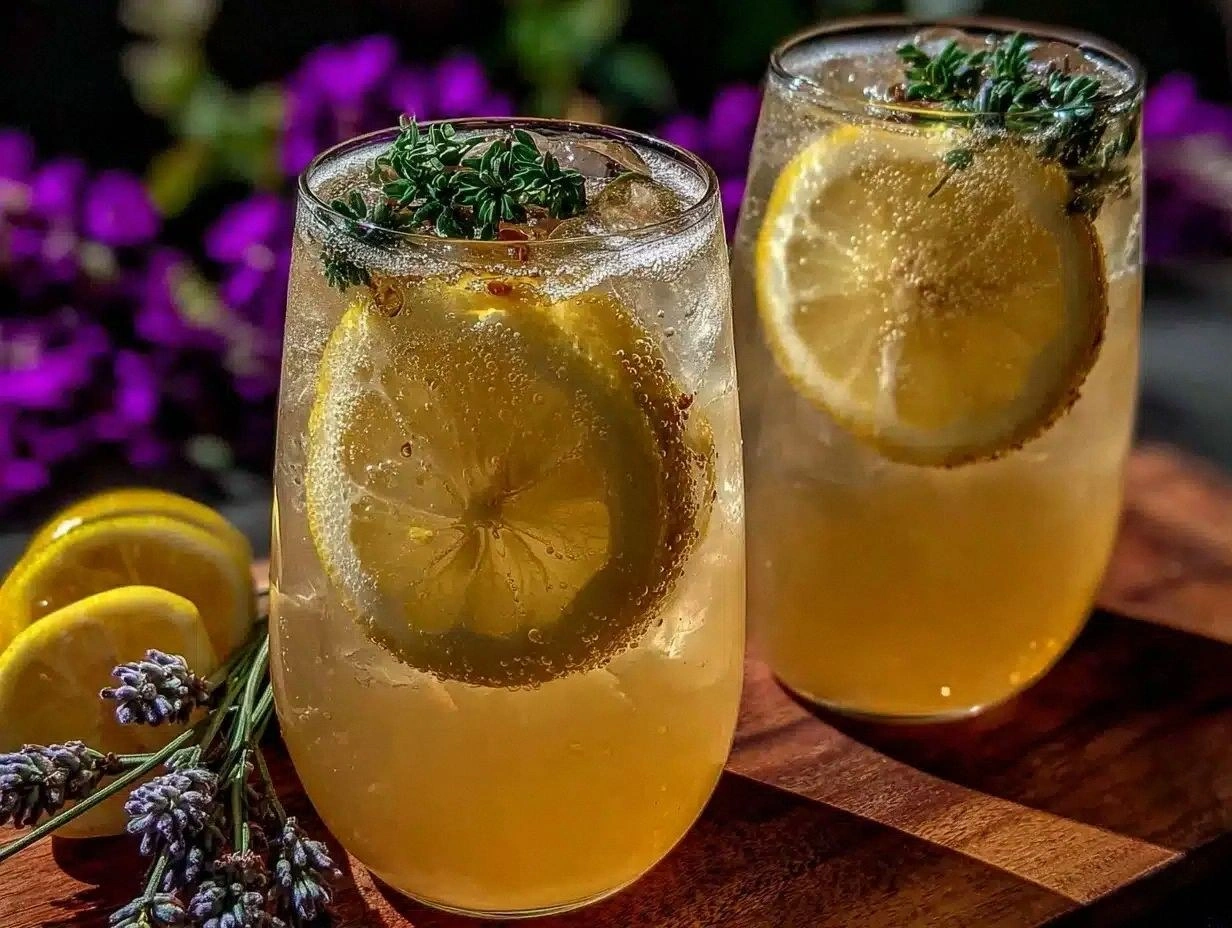
Transfer the lemonade into individual glasses. Garnish each with a sprig of fresh mint or a thin lemon slice perched on the rim. The mint adds a refreshing aroma that complements the floral notes, while the lemon slice reinforces the citrus theme. Serve immediately for the best visual impact.
And now the fun part – enjoy! Sip slowly, notice how the bubbles tickle your palate, and let the floral‑citrus combo transport you to a sun‑drenched patio. I dare you to try a second glass without feeling guilty; the balance is so perfect you’ll barely notice the calories.
That's it — you did it. But hold on, I've got a few more tricks that'll take this to another level. Trust me, once you master the basics, you’ll want to experiment with every possible twist.
Insider Tricks for Flawless Results
The Temperature Rule Nobody Follows
Never steep the butterfly pea flowers in boiling water straight from the tap. Start with cold water, bring it to a gentle simmer, then turn off the heat before adding the flowers. This technique preserves the delicate pigments and prevents bitterness. A friend once tried boiling the petals for 15 minutes and ended up with a tea that tasted like burnt leaves – not a good look.
Why Your Nose Knows Best
When adding lemon juice, pause and inhale the aroma before you stir. If you detect a hint of metallic or sour off‑notes, it means the tea is still too hot and may cause the color shift to be uneven. Let the mixture sit for a minute, then proceed. Your nose is a better thermometer than any kitchen gadget for this step.
The 5‑Minute Rest That Changes Everything
After mixing all components, let the lemonade rest for five minutes in the fridge. This short chill allows the flavors to meld, creating a more harmonious taste. Skipping this rest can result in a drink where the lemon overpowers the subtle floral background. Trust the rest – it’s worth the wait.
Fizz Timing Trick
Add sparkling water just before serving, not during the initial mix. If you add it too early, the carbonation will dissipate, leaving you with a flat drink. Keep the sparkling water chilled separately and give it a quick stir right before pouring into glasses.
Mint Infusion Shortcut
If you love mint, bruise a few leaves in a small amount of the warm tea before straining. This releases the mint oils without making the garnish wilted. The result is a subtle minty undertone that complements the citrus without overpowering it.
Creative Twists and Variations
This recipe is a playground. Here are some of my favorite ways to switch things up:
Tropical Coconut Breeze
Swap half of the water for coconut water and add a splash of pineapple juice. The coconut adds a subtle sweetness that pairs beautifully with the floral notes, while pineapple introduces a tropical tang. Perfect for beach parties.
Berry‑Blush Fusion
Blend a handful of fresh strawberries or raspberries into the lemonade after it’s chilled. The berries deepen the pink hue and introduce a fruity depth that kids adore. Garnish with whole berries for an extra pop of color.
Spicy Ginger Zing
Add a thin slice of fresh ginger to the steeping pot along with the butterfly pea flowers. The ginger imparts a gentle heat that balances the lemon’s acidity, making the drink perfect for those who love a little kick.
Herbal Lavender Dream
Include a teaspoon of dried lavender buds during the steeping stage. Lavender’s floral aroma amplifies the butterfly pea’s subtle earthiness, creating a sophisticated bouquet that’s ideal for evening gatherings.
Mocktail Mojito
Replace the sparkling water with club soda, add a few muddled mint leaves, and finish with a dash of bitters. The result is a non‑alcoholic mojito that feels elegant and refreshing, perfect for brunch.
Storing and Bringing It Back to Life
Fridge Storage
Store the lemonade in a sealed glass pitcher or airtight container for up to 3 days. Keep it in the coldest part of the fridge to maintain its crispness. If the color begins to fade, add a squeeze of fresh lemon to revive the pink hue.
Freezer Friendly
Pour the lemonade into ice‑cube trays and freeze. Once solid, transfer the cubes to a freezer bag. These cubes are perfect for dropping into sparkling water for an instant flavored soda or for chilling a glass without watering down the drink.
Best Reheating Method
If you need to warm the lemonade for a hot summer night cocktail, gently heat it on the stovetop over low heat, adding a splash of water to prevent the flavors from concentrating too much. Stir continuously and watch the color deepen – a tiny splash of water before reheating helps steam it back to perfection.