Remember that night when you tried to impress your friends with a fancy roast and ended up with a charred, flavorless slab of meat? That disaster taught me the hard way that roasting a leg of lamb is an art, not a science, and that the right seasoning can turn a kitchen catastrophe into a culinary triumph. I watched the meat sear, the aroma drift through the kitchen, and the disappointment ripple across the table. It was a lesson in humility, but also a spark that lit a new obsession with lamb. I was determined to master a roast that would make the smoke alarm dance in celebration.
Picture the moment when the lamb hits the hot pan: a hiss, a burst of fragrant rosemary, and the first golden crust forming like a sunrise over a calm sea. The scent of garlic and thyme fills the air, mingling with the earthy aroma of fresh rosemary that feels like a forest floor after rain. The sound of sizzling is a cue that the meat is beginning to transform, a subtle whisper that it’s about to become something extraordinary. The texture of the lamb’s surface changes from raw to caramelized, a tactile promise of juicy tenderness beneath. The anticipation builds as the kitchen temperature rises, and the mind imagines the first bite—rich, succulent, and perfectly balanced.
What makes this version stand out is not just the combination of flavors, but the meticulous layering of techniques that preserve moisture while building a crust that’s both crisp and flavorful. The secret is a dry rub that incorporates fresh rosemary, crushed garlic, and a hint of lemon zest, allowing the herb’s oils to penetrate deeply before the roast even enters the oven. The lamb is seared at high heat, then roasted low and slow, giving the meat a tender interior while the exterior develops a caramelized finish that cracks with every bite. The finish is a drizzle of rosemary-infused butter that glistens like liquid gold, sealing in juices and adding a buttery richness that lingers on the palate. It’s a recipe that delivers on texture, flavor, and aroma, making every bite a moment of pure joy.
But there’s a twist that sets this roast apart: a splash of dry red wine that deglazes the pan, creating a sauce that’s both savory and subtly sweet, and a touch of honey that balances the acidity of the lemon. This unexpected combination creates a sauce that coats the lamb like velvet, leaving a lingering finish that invites a second bite. I dare you to taste this and not go back for seconds—once you try it, you’ll understand why this is hands down the best version you’ll ever make at home.
Let me walk you through every single step—by the end, you’ll wonder how you ever made it any other way.
What Makes This Version Stand Out
- Flavor Depth: The blend of rosemary, garlic, and lemon zest creates a fragrant foundation that permeates the meat, giving it a robust yet balanced taste that lingers long after the last bite.
- Texture Mastery: A quick sear locks in juices, while slow roasting at a lower temperature ensures the interior remains moist and tender, and the exterior develops a crackling crust that snaps like brittle sugar.
- Finish Quality: The rosemary butter glaze adds a glossy, buttery sheen and a final burst of flavor that completes the dish, turning each slice into a work of art.
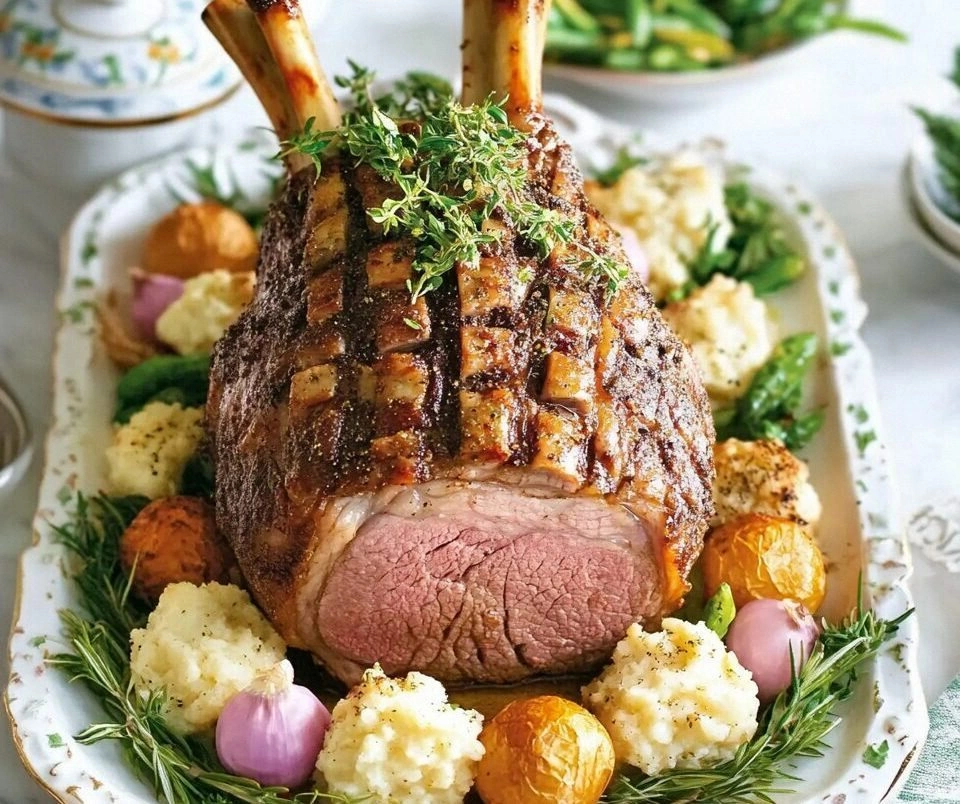
- Visual Appeal: The golden-brown exterior and the deep crimson juices that pool in the roasting pan create a feast for the eyes, making the dish Instagram-worthy before it even hits the table.
- Ease of Prep: Despite its gourmet reputation, the recipe requires minimal prep time—just a few minutes to season and a short wait for the roast to rest.
- Versatility: The core technique works for any cut of lamb, and the seasoning can be tweaked for different flavor profiles, making it a kitchen staple for both novices and seasoned chefs.
Inside the Ingredient List
The Flavor Base
At the heart of this roast is the dry rub—a simple yet powerful combination of kosher salt, freshly ground black pepper, minced garlic, and finely chopped rosemary. This mixture forms a crust that caramelizes during searing, creating a complex flavor profile that’s both herbal and savory. Skipping the rub will result in a bland roast that fails to develop the depth of flavor that makes lamb special.
Choosing a high-quality salt, such as sea salt or kosher salt, enhances the rub’s ability to draw out moisture and promote even seasoning. A pinch of smoked paprika can add a subtle smokiness that complements the rosemary without overpowering it. When you add the rub, press it firmly into the meat to ensure every surface is coated, allowing the flavors to penetrate the fibers of the lamb.
The Aromatic Ensemble
Fresh rosemary is the star of this dish, its piney, slightly citrusy aroma infusing the meat from the inside out. Use whole sprigs that you can easily remove before serving, or finely chop the leaves for a more intense infusion. If you’re a fan of thyme, add a few fresh sprigs to the roasting pan; the thyme’s subtle earthiness balances the rosemary’s potency.
Garlic is another essential, providing a savory backbone that marries beautifully with the herbs. Mince the garlic finely so it releases its oils quickly, and consider adding a small clove of crushed garlic to the butter glaze for an extra layer of flavor. The combination of garlic and rosemary creates a fragrant bouquet that makes the kitchen feel like a rustic French countryside.
The Texture Crew
Olive oil is the secret to a crisp exterior. Brush the lamb generously before searing, allowing the oil to form a protective barrier that prevents sticking and promotes caramelization. If you’re looking for an extra touch of richness, use a high-heat olive oil, such as cold-pressed, that can withstand the initial sear without burning.
Red wine is used for deglazing the pan after searing, creating a flavorful base for the sauce. A dry red wine, like a Cabernet Sauvignon or Merlot, adds acidity and depth, while a splash of beef broth helps build a silky gravy. The wine’s tannins also help tenderize the meat during the roasting process.
The Final Flourish
Butter, unsalted, is melted with a touch of honey and a splash of lemon juice to create a glaze that’s both sweet and tangy. This glaze is brushed onto the lamb in the final minutes of roasting, giving the crust a glossy finish and a burst of buttery richness that seals in juices. If you prefer a slightly less sweet finish, reduce the honey by half and increase the lemon juice for a more citrusy note.
The final touch is a drizzle of rosemary-infused butter after the roast rests. This sauce, made by combining melted butter with fresh rosemary, garlic, and a hint of lemon zest, coats the meat like velvet, creating an unforgettable mouthfeel. The sauce also serves as a beautiful accompaniment for serving, allowing diners to spoon it over their slices for an extra layer of flavor.
Everything's prepped? Good. Let's get into the real action.
The Method — Step by Step
- Season the Lamb: Pat the leg of lamb dry with paper towels, then rub it generously with the prepared dry rub, ensuring every surface is coated. The salt will draw out moisture, while the pepper and rosemary create a flavorful crust. Let the seasoned lamb rest at room temperature for 30 minutes to allow the flavors to penetrate.
- Preheat the Oven: Set your oven to 400°F (200°C) and place a rack in the middle position. A hot oven ensures a quick sear and a beautiful crust, while the middle rack allows even heat distribution. This step is critical for achieving the signature caramelization.
- Sear the Lamb: Heat a large, oven‑proof skillet over high heat until it shimmers. Add a tablespoon of olive oil, swirl, and then place the lamb bone‑side down. Sear for 4–5 minutes until a golden crust forms, then flip and sear the other side for 3–4 minutes. This caramelization locks in juices and creates a flavorful base.
- Deglaze the Pan: Remove the lamb and set it aside. Pour a cup of dry red wine into the skillet, scraping up the browned bits with a wooden spoon. The wine will reduce slightly, forming a rich base for the sauce. The aroma will fill the kitchen with anticipation.
- Roast the Lamb: Place the lamb back in the skillet, bone‑side down, and add a splash of beef broth, a few sprigs of thyme, and sliced carrots and onions around the meat. Roast for 20 minutes, then reduce the oven temperature to 350°F (175°C) and continue roasting for another 30–35 minutes, or until the internal temperature reaches 135°F (57°C) for medium‑rare.
- Prepare the Butter Glaze: While the lamb roasts, melt 2 tablespoons of unsalted butter in a small saucepan. Add 1 tablespoon of honey, 1 tablespoon of fresh lemon juice, and a pinch of rosemary. Stir until the mixture is smooth and fragrant. This glaze will add a glossy finish and a subtle sweetness.
- Finish the Roast: In the last 10 minutes of roasting, brush the glaze over the lamb, allowing it to caramelize slightly. The glaze will create a shiny, flavorful crust that seals in the juices. The smell of butter and honey will be irresistible.
- Rest the Lamb: Remove the lamb from the oven and let it rest on a cutting board for 15 minutes, tented loosely with foil. Resting allows the juices to redistribute, ensuring each bite is juicy and tender. While resting, you can reduce the pan sauce to a silky consistency.
- Serve: Slice the lamb against the grain, drizzle with any remaining pan sauce, and garnish with fresh rosemary sprigs. Serve alongside roasted root vegetables or a simple salad. The combination of textures and flavors will leave your guests raving.
That's it — you did it. But hold on, I've got a few more tricks that'll take this to another level.
Insider Tricks for Flawless Results
The Temperature Rule Nobody Follows
Many cooks instinctively set the oven to a high temperature for a quick roast, but this often leads to a tough exterior and a dry interior. The trick is to start at 400°F for the initial sear, then lower to 350°F to finish. This two‑step temperature approach ensures the meat remains juicy while developing a crisp crust.
Why Your Nose Knows Best
As the lamb roasts, the aroma is your best indicator of doneness. When the smell shifts from herbal to a subtle sweetness, it’s a sign that the internal temperature is approaching the target. Trust your nose; it’s a reliable guide that can prevent overcooking.
The 5‑Minute Rest That Changes Everything
Resting the lamb for exactly five minutes before slicing can be a game‑changer. During this brief pause, the juices redistribute, making the meat more tender. If you’re short on time, a quick five‑minute rest is a perfect compromise.
Use a Meat Thermometer
Even the most experienced chefs can misjudge doneness. A digital instant‑read thermometer will give you an accurate reading, ensuring the lamb is medium‑rare at 135°F. This precision saves you from the dreaded “over‑roasted” scenario.
Keep the Bone Side Down
Placing the bone side down during the initial roast helps protect the meat from direct heat, preventing it from drying out. The bone also adds flavor to the pan sauce, enriching the overall dish.
Finish With a Quick Sear
After roasting, give the lamb a quick sear in a hot pan for 30 seconds on each side. This final touch adds a crisp exterior and a burst of flavor that makes the dish feel restaurant‑grade.
Creative Twists and Variations
This recipe is a playground. Here are some of my favorite ways to switch things up:
Herb‑Infused Lamb
Swap rosemary for a mix of oregano, thyme, and basil for a Mediterranean twist. The herbs pair well with a side of couscous and a lemon‑yogurt sauce, creating a fresh, vibrant dish.
Spicy Red Wine Glaze
Add a pinch of red pepper flakes to the wine glaze for a subtle kick. The heat balances the sweetness of the honey and brightens the overall flavor profile.
Smoky BBQ Version
Incorporate a splash of smoky BBQ sauce into the glaze and add a handful of sliced bell peppers to the roasting pan. The result is a lamb roast that feels like a backyard cookout.
Asian‑Inspired Marinade
Marinate the lamb in soy sauce, ginger, garlic, and a touch of brown sugar for 12 hours. Roast as usual and finish with a drizzle of sesame oil for an umami‑rich, sweet‑savory twist.
Herb‑Butter with Truffle Oil
Replace regular butter with truffle butter for an indulgent, earthy finish. The truffle oil adds a luxurious aroma that elevates the dish to a gourmet level.
Vegetarian “Lamb” Roast
Use a large portobello mushroom cap or a cauliflower roast seasoned with the same rub. The cooking process remains the same, but the flavor profile shifts to a hearty, plant‑based alternative.
Storing and Bringing It Back to Life
Fridge Storage
Store leftover lamb in an airtight container in the refrigerator for up to 4 days. Wrap the roast in parchment paper before placing it in the container to keep the surface from drying out. When reheating, add a splash of beef broth or wine to re‑moisturize the meat.
Freezer Friendly
Freeze the lamb in a freezer‑safe bag or airtight container for up to 3 months. Thaw overnight in the refrigerator before reheating. For best results, reheat in a low‑heat oven (275°F) until warmed through.
Best Reheating Method
Reheat the lamb by covering it with foil and warming in a 275°F oven for 10–15 minutes. The foil traps steam, keeping the meat moist. Finish with a quick pan sear to restore the crust’s crispness.