I’ll be honest — I was staring at a half‑cooked slab of flank steak, a jar of store‑bought salsa, and a pile of stale tortilla chips when a wild idea struck me like a lightning bolt in a thunderstorm. I had just survived a weekend of burnt garlic bread and over‑salty soup, so I was desperate for something that could rescue my dinner reputation and still leave me feeling like a culinary rock star. That night, after a frantic Google search and a dash of reckless confidence, I stumbled on the ancient Argentinian secret: chimichurri. I thought, “If I slather this herb‑packed sauce on a perfectly seared steak and tuck it into a warm corn tortilla, I might just have created a taco that could end all tacos.”
Picture this: the sizzle of a hot cast‑iron pan as the steak hits the surface, a fragrant cloud of garlic and oregano rising like a perfume in a high‑end steakhouse, and the bright green sauce bubbling with parsley, cilantro, and a whisper of red pepper flakes. The steak’s charred crust cracks open, releasing juices that mingle with the tangy vinegar in the chimichurri, creating a sauce that coats the meat like velvet. The tortillas, lightly toasted, are soft yet sturdy enough to hold the juicy meat, the fresh slaw, and a smear of creamy avocado without falling apart. The whole thing smells like a summer fiesta on a breezy patio, even if you’re cooking in a tiny apartment kitchen at 8 p.m.
Most taco recipes I’ve tried either drown the meat in a watery salsa or hide the steak behind a mountain of cheese that masks any nuance. This version stands out because it lets the steak shine while the chimichurri sings a high‑note of herbaceous brightness that cuts through the richness. I dare you to taste this and not go back for seconds; the balance is so spot‑on that you’ll be counting the seconds until the next bite. The secret? A small splash of red wine vinegar in the chimichurri and a quick sear that locks in juices – a technique most home cooks overlook, but it’s the game‑changer you’ve been waiting for.
I’m going to let you in on a tiny twist that most recipes completely miss: a pinch of smoked paprika added to the steak rub. It adds a smoky depth that mimics a grill you don’t have, and it’s the reason this taco feels like it was cooked over an open flame. Okay, ready for the game‑changer? Stay with me here — this is worth it. Let me walk you through every single step — by the end, you’ll wonder how you ever made it any other way.
What Makes This Version Stand Out
- Flavor Explosion: The chimichurri’s bright herbs and tangy vinegar cut through the steak’s richness, creating a mouthful that sings with every bite.
- Texture Harmony: Charred steak, crisp tortilla edges, and crunchy slaw give you a satisfying contrast that keeps you chewing happily.
- Simplicity Meets Sophistication: Only a handful of pantry staples are needed, yet the result feels like a dish from a five‑star Latin American bistro.
- Unique Twist: A dash of smoked paprika in the rub adds depth without overpowering the fresh herb sauce.
- Crowd‑Pleaser: Even the most skeptical meat‑avoidant guests admit this taco is “the best thing they’ve ever had on a tortilla.”
- Ingredient Quality: Using a good cut of steak (flank or skirt) and fresh parsley/cilantro makes a world of difference.
- Cooking Method: High‑heat sear followed by a brief rest locks in juices, preventing a dry, overcooked steak.
- Make‑Ahead Friendly: Chimichurri actually improves after a few hours, so you can prep the sauce a day ahead.
Inside the Ingredient List
The Flavor Base
The heart of this taco is the chimichurri sauce. Fresh parsley provides a grassy backbone, while cilantro adds a citrusy brightness that lifts the entire dish. Garlic brings that unmistakable aromatic punch, and red wine vinegar introduces a tang that balances the oil’s richness. If you skip the red wine vinegar, the sauce becomes a bland herb paste; keep it, and you’ll get that signature zing that makes every bite unforgettable.
Olive oil is the carrier that melds all those flavors together, giving the sauce a silky mouthfeel. Use a good-quality extra‑virgin olive oil – cheap oil will taste metallic and ruin the herbaceous dance. For a twist, swap half the olive oil for avocado oil; it raises the smoke point and adds a subtle buttery note that pairs nicely with the steak.
The Texture Crew
Choosing the right cut of meat is crucial. Flank steak is lean, flavorful, and affordable, while skirt steak offers a bit more fat and a pronounced grain. Both absorb the rub beautifully, but if you overcook them, they become tough as shoe leather. The secret is a quick, high‑heat sear followed by a 5‑minute rest, which lets the fibers relax and stay juicy.
Corn tortillas are the vessel that brings everything together. Their natural sweetness complements the herb sauce, and their slight chew adds a pleasant contrast to the tender steak. If you prefer a gluten‑free option, try using cassava flour tortillas, but be aware they can be more fragile.
The Unexpected Star
A splash of lime juice over the assembled taco adds a final burst of acidity that brightens the entire palate. It’s the same principle as adding a squeeze of lemon to a finished dish – a quick finish that lifts everything up. Don’t be shy; a half‑lime per taco is just right.
And then there’s the avocado. Its creamy richness balances the sharp herbs and the smoky steak, creating a harmony that feels like a well‑orchestrated symphony. If you’re allergic or want a lighter version, replace avocado with a dollop of Greek yogurt mixed with lime zest.
The Final Flourish
A pinch of smoked paprika in the steak rub is the final flourish that turns a good taco into a great one. It adds a subtle wood‑smoked depth without overwhelming the fresh herbs. If you don’t have smoked paprika, a dash of chipotle powder will give a similar effect, though it brings more heat.
Salt and freshly cracked black pepper are the unsung heroes that amplify every other flavor. Season the steak generously – don’t be afraid of a little extra salt; the meat will retain it during the sear, and the sauce will balance it out. Finally, a sprinkle of flaky sea salt on the finished taco adds a satisfying crunch.
Everything’s prepped? Good. Let’s get into the real action…
The Method — Step by Step
- Prep the chimichurri. In a food‑processor, combine a generous handful of flat‑leaf parsley, an equal amount of cilantro, two garlic cloves, a pinch of red pepper flakes, and a teaspoon of dried oregano. Pulse until everything is finely chopped but still has texture. Then drizzle in three tablespoons of olive oil and two tablespoons of red wine vinegar, and pulse once more to blend. Season with salt and pepper to taste. The sauce should look vibrant green and slightly glossy. Let it sit while you work on the steak; the flavors will meld and become more pronounced. Kitchen Hack: Store the chimichurri in a jar and refrigerate for at least 30 minutes – the herbs will soften and release even more aroma.
- Season the steak. Pat the flank or skirt steak dry with paper towels, then coat both sides with a mixture of one tablespoon olive oil, a teaspoon of smoked paprika, one teaspoon of ground cumin, and a generous pinch of kosher salt and cracked black pepper. The oil helps the spices adhere and creates a beautiful crust. Let the steak sit at room temperature for 10 minutes; this ensures even cooking. Watch Out: Over‑seasoning can make the steak too salty once the chimichurmi adds its own saltiness. Keep the salt moderate.
- Heat the pan. Place a heavy cast‑iron skillet over high heat and let it get screaming hot – you’ll know it’s ready when a drop of water sizzles and evaporates instantly. Add a tablespoon of high‑smoke‑point oil (like avocado oil). The oil should shimmer, not smoke. This high temperature is essential for that coveted sear that locks in juices.
- Sear the steak. Lay the steak in the pan and let it sizzle without moving it for about 3 minutes. You’ll hear a satisfying crackle – that’s the Maillard reaction doing its magic. Flip the steak once and sear the other side for another 3 minutes for medium‑rare (internal temp 130‑135°F). If you like it more done, add another minute per side, but remember the steak will continue to cook while resting.
- Rest the meat. Transfer the steak to a cutting board, tent loosely with foil, and let it rest for 5 minutes. This rest period allows the juices to redistribute, preventing them from spilling out the moment you slice. While it rests, the pan will still be hot – perfect for a quick toast of the tortillas.
- Toast the tortillas. Reduce the heat to medium‑low, brush each corn tortilla lightly with a bit of oil, and place them in the pan for 30 seconds per side, or until they develop gentle brown spots and become pliable. You’ll hear a faint pop as they puff slightly. This step adds a subtle crisp that prevents sogginess once the sauce is added.
- Slice the steak. Using a sharp knife, slice the rested steak against the grain into thin strips, about a quarter‑inch thick. Cutting against the grain shortens the muscle fibers, making each bite tender. Toss the strips gently with a spoonful of chimichurri to coat them lightly – you want the sauce to cling, not drown.
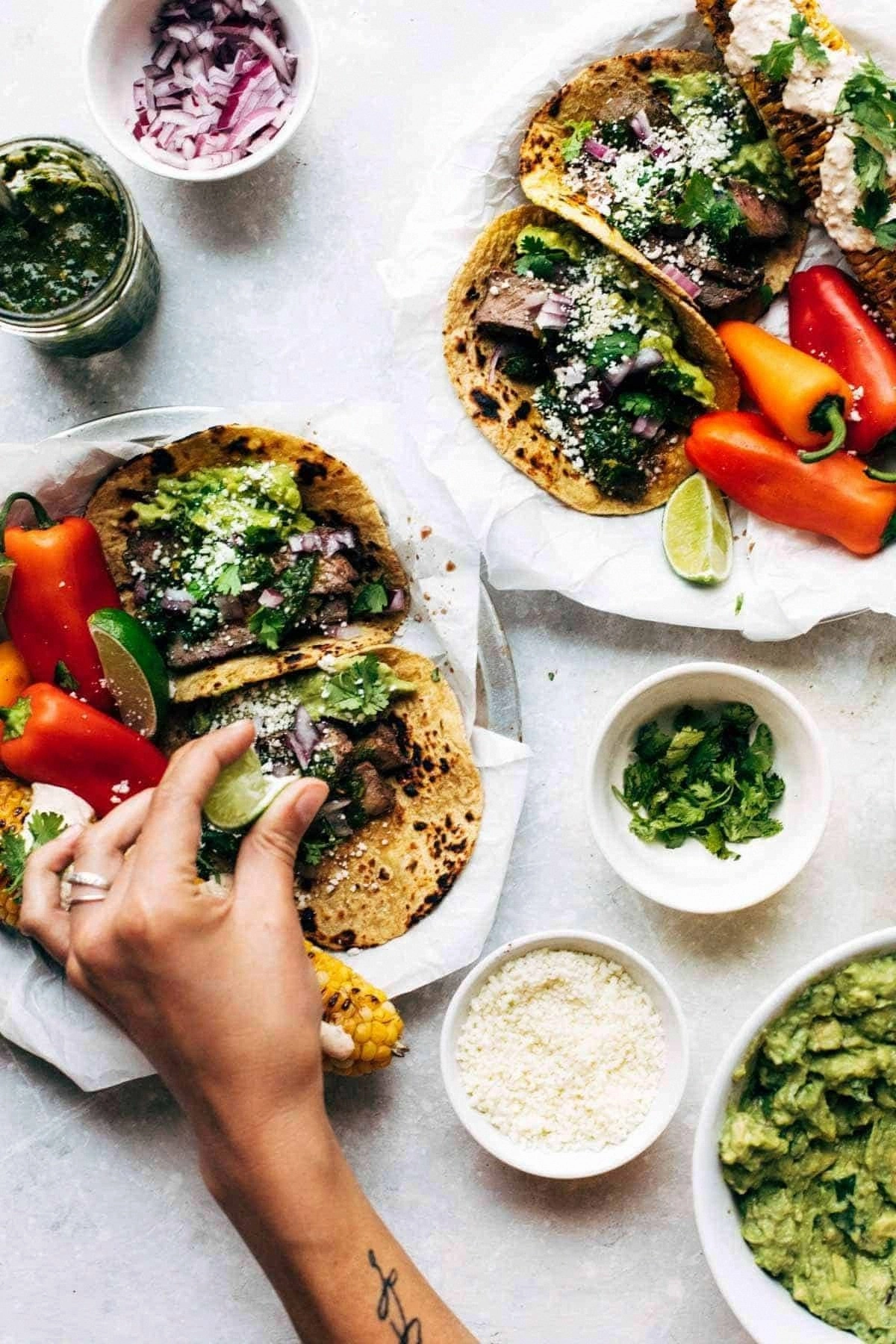
- Assemble the tacos. Lay a warm tortilla on a plate, add a modest pile of steak strips, drizzle extra chimichurri on top, then add a handful of thinly sliced red onion, a few radish ribbons, and a dollop of sliced avocado. Finish with a squeeze of fresh lime juice and a pinch of flaky sea salt. The colors should pop like a sunset over a Mexican market.
- Serve and enjoy. This is the moment of truth – grab the taco, take a bite, and let the flavors explode. The herbaceous sauce should cut through the smoky meat, the lime adds brightness, and the avocado smooths everything out. If you’re feeling adventurous, pair with a cold cerveza or a crisp rosé. And remember, the best tacos are eaten while still warm, so dive in right away. That sizzle when it hits the pan? Absolute perfection.
That's it — you did it. But hold on, I've got a few more tricks that'll take this to another level, ensuring every taco you make in the future is a show‑stopper.
Insider Tricks for Flawless Results
The Temperature Rule Nobody Follows
Most home cooks rely on “cook for X minutes per side,” but temperature is the real ruler. A skillet that’s too cool will steam the steak, resulting in a papery texture. Use an infrared thermometer or the “hand test” – hold your hand 2 inches above the pan; if you can keep it there for 2 seconds, you’re at about 400°F, perfect for searing. This method guarantees a caramelized crust every time.
Why Your Nose Knows Best
Your sense of smell is a more reliable indicator than a timer. When the steak first hits the pan, you’ll hear a sharp sizzle; after a minute, the aroma will shift from raw meat to a nutty, slightly sweet scent. That change tells you the Maillard reaction is underway. If you can’t smell the nutty notes, keep the heat up a bit longer before flipping.
The 5‑Minute Rest That Changes Everything
Skipping the rest is a rookie mistake. During the rest, muscle fibers relax and re‑absorb the juices that were forced to the surface during cooking. A quick 5‑minute rest on a warm plate, loosely covered, makes the steak juicier than any marinades could. I once tried to serve immediately and the steak was dry enough to sandpaper a table.
Chimichurri Maturation Magic
Mix the chimichurri at least 30 minutes before using it, but for maximum depth, let it sit overnight in the fridge. The flavors meld, the garlic mellows, and the herbs release more of their essential oils. If you’re in a rush, a quick 10‑minute rest is still better than serving it straight from the blender.
The Tortilla Toast Trick
Never skip the quick toast. A lightly brushed tortilla in the hot pan develops those tiny charred spots that add a subtle smokiness and a flexible texture, preventing the taco from becoming soggy when the chimichurri is added. If you love extra crunch, press the tortilla with a heavy pan for 5 seconds on each side – but be careful not to over‑cook.
Creative Twists and Variations
This recipe is a playground. Here are some of my favorite ways to switch things up:
Spicy Chipotle Chimichurri
Add a tablespoon of chipotle in adobo sauce to the chimichurri for a smoky heat that pairs beautifully with the steak’s natural flavor. The chipotle’s depth makes the taco feel like a late‑night street‑food stall.
Citrus‑Infused Steak
Marinate the steak for an hour in orange zest, lime juice, and a splash of tequila before searing. The citrus brightens the meat and the tequila adds a subtle kick, turning the taco into a fiesta in your mouth.
Plant‑Based Power
Swap the beef for grilled portobello caps or marinated tofu strips. Use the same chimichurri and the result is a vegetarian taco that still delivers the herbaceous punch and satisfying bite.
Pickled Veggie Explosion
Add quick‑pickled carrots, jalapeños, and red cabbage for an acidic crunch that cuts through the richness. The tangy vegetables bring a textural contrast that keeps each bite exciting.
Cheese‑Lover’s Dream
Sprinkle crumbled queso fresco or a drizzle of cotija cheese over the assembled taco. The salty cheese adds a creamy crumble that elevates the dish without overpowering the herb sauce.
Storing and Bringing It Back to Life
Fridge Storage
Store leftover steak strips in an airtight container with a thin layer of chimichurri on top; this keeps the meat moist and infuses extra flavor. The steak will stay good for up to three days. Keep tortillas separate and wrapped in a damp paper towel, then a zip‑lock bag; they’ll stay soft for two days.
Freezer Friendly
Both the steak and chimichurri freeze beautifully. Portion the steak into zip‑top bags, squeeze out excess air, and freeze for up to two months. The chimichurri can be frozen in ice‑cube trays, then transferred to a bag; each cube is a flavor bomb ready to thaw.
Best Reheating Method
To reheat, place the steak strips in a hot skillet for a minute, adding a splash of water or broth to keep them from drying out. Warm the tortillas on a dry skillet or microwave wrapped in a damp towel for 20 seconds. Before serving, give the chimichurri a quick stir and a drizzle of fresh lime juice – the sauce revives instantly.