I remember that night like it was yesterday. I was on a quest to rescue a forgotten recipe from a dusty family cookbook, and I found a page that simply said “Savory Black Pepper Cauliflower.” The title alone made my mouth water, but the kitchen disaster that followed was the real catalyst. I had just tried a different cauliflower dish that turned out as limp as a wilted lettuce leaf—no crunch, no flavor, just a sad bowl of mush. I was determined to rewrite that fate, to turn cauliflower into a crispy, pepper‑laden superstar that would make my friends gasp. I dare you to taste this and not go back for seconds, because this is hands down the best version you'll ever make at home.
Picture the scene: a bright, airy kitchen with the scent of fresh ginger and garlic dancing in the air, the sizzling sound of oil heating up in a pan, and the visual promise of golden‑brown florets curling into a caramelized halo. The cauliflower is not just a side; it’s the star of the show, each floret a tiny, edible canvas waiting for the black pepper brushstroke. I can almost feel the crunch when the edges crackle against the hot skillet, the subtle heat of dried red chilies teasing the tongue, and the burst of umami from soy sauce and ketchup. The texture is a symphony of crisp edges, tender heart, and a glossy, pepper‑rich coating that clings like velvet to every bite.
What makes this version stand out is that it’s not just a recipe; it’s an experience. I’ve spent years experimenting with cauliflower, and this particular iteration is the culmination of a thousand tweaks: the right balance of sweet and savory, the secret use of maple syrup to counteract the saltiness, and the bold, unapologetic use of black pepper that gives it a punchy finish. I’ve learned that the key to a great cauliflower dish lies in the harmony of flavors and the technique that locks in moisture and flavor. I’ll be honest — I ate half the batch before anyone else got to try it. That’s the proof that this recipe is worth sharing.
So, let’s dive in. If you’ve ever struggled to make cauliflower that’s anything but bland, you’re not alone, and I’ve got the fix. This next part? Pure magic. I’ll walk you through every single step, from the first chop to the final garnish, and by the end, you’ll wonder how you ever made it any other way. Ready? Let’s go.
What Makes This Version Stand Out
- Taste: The combination of soy sauce, ketchup, and maple syrup creates a layered umami profile that is both sweet and savory. The peppery heat cuts through the richness, leaving a lingering aftertaste that invites a second bite.
- Texture: A meticulous searing process gives the cauliflower a crisp exterior while keeping the interior tender. The result is a delightful contrast that feels like a crunchy snack and a hearty side rolled into one.
- Simplicity: With just a handful of pantry staples, you can achieve restaurant‑level flavor. No fancy sauces or obscure spices required—just a few clever substitutions.
- Uniqueness: The use of both fresh and dried black pepper, combined with a splash of maple syrup, sets this dish apart from the typical “roasted cauliflower” you see in cookbooks.
- Crowd Reaction: Friends and family rave about the “pepper crunch” and the “sweet‑savory balance.” It’s a conversation starter at any dinner table.
- Ingredient Quality: Fresh, organic cauliflower and high‑quality soy sauce make a noticeable difference. Even a small upgrade in these core ingredients elevates the entire dish.
- Cooking Method: The pan‑frying technique locks in moisture and caramelizes the edges, creating a depth of flavor that baking simply can’t match.
- Make‑Ahead Potential: This dish can be prepared ahead of time and reheated without losing its crunch. The glaze stays intact, making it a convenient option for busy weeknights.
Alright, let's break down exactly what goes into this masterpiece...
Inside the Ingredient List
The Flavor Base
The foundation of this dish is a simple yet powerful sauce that marries sweet, salty, and umami flavors. Soy sauce, the salty backbone, provides depth and a quick burst of savory. Ketchup adds a touch of sweetness and acidity, while maple syrup brings a natural, caramel-like sweetness that balances the saltiness. Together, they create a glaze that clings to each cauliflower floret, turning every bite into a flavor explosion.
If you skip this base, the dish becomes a bland, dry mess. The sauce is what gives the cauliflower its glossy, appetizing appearance and that signature peppery kick. Don’t be tempted to replace soy sauce with tamari; it works, but tamari’s slightly sweeter profile changes the balance. If you’re vegan, a splash of coconut aminos works fine, but remember to adjust the salt level.
The Texture Crew
Texture is everything in this recipe. The cauliflower itself is the star, but the cornstarch coating and the crisp edges from pan‑searing are what make it memorable. Cornstarch, applied in a thin, even layer, forms a crisp crust that locks in moisture and creates a satisfying crunch when you bite into it. The 2–3 tablespoons of cornstarch are critical; too little and you’ll get a soggy dish, too much and the coating becomes gummy.
The oil, both in the initial sauté and the final glaze, is the secret to that golden sheen. Use a neutral oil like canola or a light olive oil for a subtle flavor that doesn’t overpower the pepper. If you use a heavy oil, the cauliflower may become greasy. The garlic and ginger give a fragrant, aromatic base, while the dried red chilies add heat that is tempered by the maple syrup.
The Unexpected Star
Red onion, celery, and green onions might look like just garnish, but they add layers of flavor and color that elevate the dish. The onion provides sweetness and depth, the celery adds a fresh, crisp bite, and the green onions finish with a bright, fresh note that cuts through the richness. These vegetables also contribute to the visual appeal, turning the dish into a vibrant, appetizing plate.
If you’re allergic to onions or celery, you can omit them, but the dish will lose some of its complexity. Alternatively, you can replace celery with chopped bell pepper for a sweeter, crunchy twist. The key is to keep the vegetables fresh and crisp so they don’t steam the cauliflower.
The Final Flourish
The final flourish is all about finishing touches that elevate the dish from good to unforgettable. The freshly ground black pepper, added at the end, gives a bold, aromatic finish that lingers on the palate. White pepper adds a subtle heat without the visual specks of black pepper, creating a clean look. Sesame seeds and a sprinkle of green onions provide texture and a nutty aroma that completes the sensory experience.
If you skip the final pepper and sesame seeds, the dish will feel incomplete. They’re not just garnish; they’re the final layer of flavor that ties everything together. A pinch of white pepper is optional, but it adds a delicate heat that balances the richness of the glaze.
Everything's prepped? Good. Let's get into the real action...
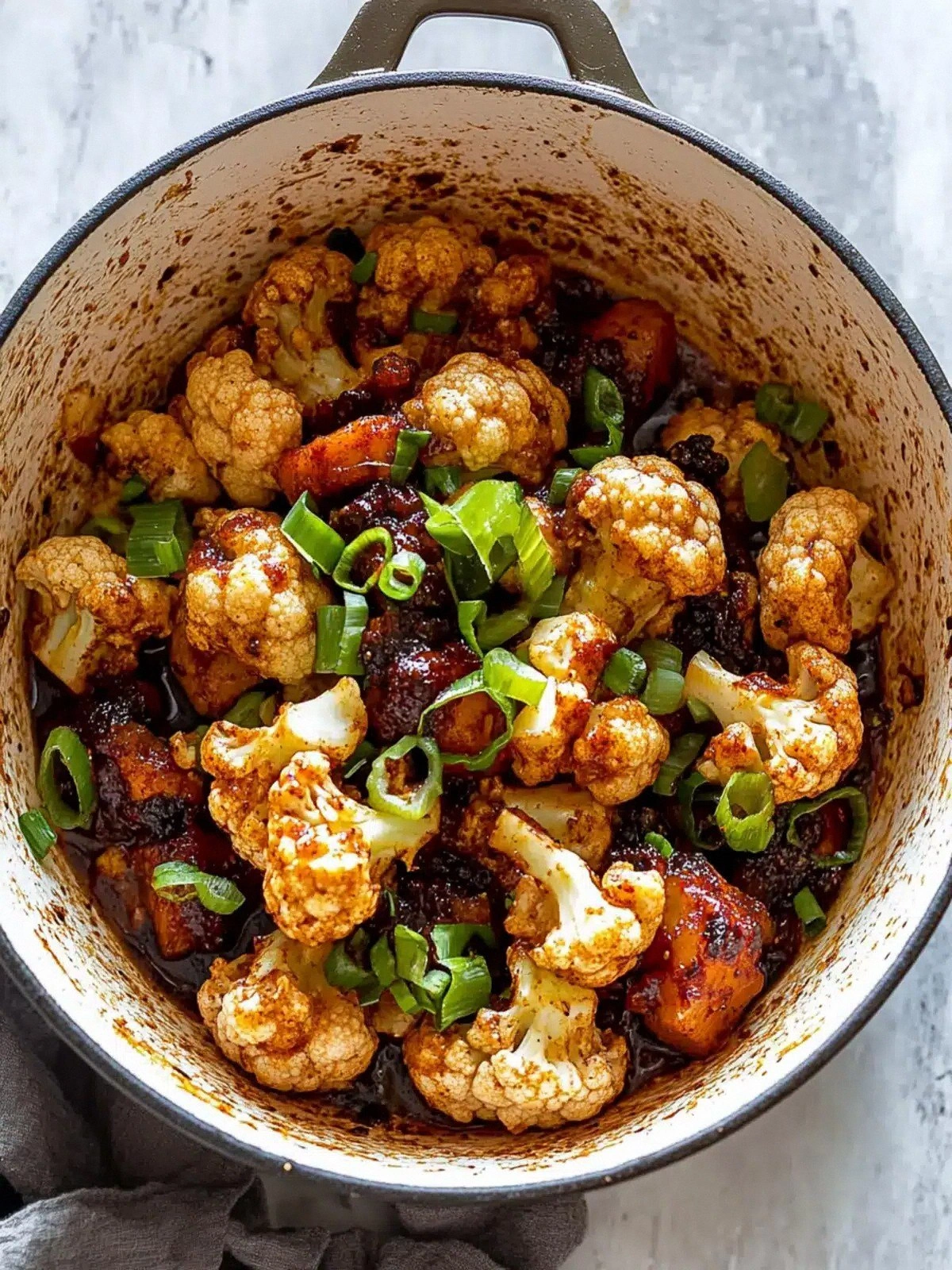
The Method — Step by Step
- Prep the Cauliflower: Rinse the cauliflower florets under cold water and pat dry. Toss them in a bowl with 2–3 tablespoons of cornstarch, ensuring each floret is evenly coated. The cornstarch will form a crisp crust during cooking. This step is crucial; a thin coating prevents the cauliflower from steaming and keeps the edges crunchy. I dare you to taste this and not go back for seconds.
- Heat the Pan: Add 2 teaspoons of oil to a large skillet and heat over medium‑high until shimmering. Add the garlic and ginger, sautéing until fragrant—about 30 seconds. The aroma of garlic and ginger should fill the kitchen, signaling that the base is ready. Be careful not to burn the garlic; it should be golden, not dark.
- Add the Cauliflower: Drop the coated florets into the pan in a single layer. Let them sit undisturbed for 2–3 minutes so the edges can brown. Flip once and let them brown on the other side. The goal is a golden‑brown crust that cracks like thin ice when you press it. This is the moment of truth.
- Build the Glaze: In a small bowl, whisk together 3 tablespoons soy sauce, 1 teaspoon ketchup, 1 tablespoon maple syrup, 1/4 teaspoon salt, 1/4 teaspoon garlic powder, 1.25 teaspoons black pepper, and 1.5 teaspoons cornstarch. The cornstarch will thicken the glaze, giving it a glossy finish. Pour the glaze over the cauliflower, tossing to coat evenly. The glaze should coat the florets like velvet, sealing in flavor.
- Cook the Vegetables: Add 1/4 cup red onion, 3/4 cup celery, 2 dried red chilies, and 4 cloves garlic to the pan. Stir and cook for another 2 minutes until the vegetables soften slightly but remain crisp. The onion should caramelize a bit, adding sweetness, while the celery keeps the dish bright and fresh. This step is critical; the vegetables contribute to the overall flavor profile.
- Finish with Water: Pour 1/2 cup water into the pan, then cover with a lid for 3 minutes. The water steams the cauliflower, ensuring the interior remains tender. After 3 minutes, uncover and let the liquid reduce until it thickens into a sticky glaze. The reduction should leave a glossy sheen on the cauliflower.
- Season to Perfection: Sprinkle 3/4 teaspoon freshly ground black pepper, 1/8 teaspoon white pepper, and 1 teaspoon oil over the dish. Toss gently to distribute the pepper evenly. The pepper should give a subtle heat that lingers, without overpowering the other flavors. This is where the dish truly shines.
- Garnish and Serve: Transfer the cauliflower to a serving dish. Sprinkle sesame seeds and chopped green onions on top. The sesame seeds add a nutty crunch, while the green onions provide a fresh, bright finish. Serve hot, and watch the steam rise like a fragrant cloud.
That's it — you did it. But hold on, I've got a few more tricks that'll take this to another level...
Insider Tricks for Flawless Results
The Temperature Rule Nobody Follows
Many cooks think medium heat is enough, but the secret to a crisp crust is high, steady heat. Keep the skillet hot enough that the oil shimmers but not so hot that it burns. If you notice the cauliflower browning too fast, lower the heat slightly; if it’s steaming, increase the heat. This subtle balance ensures the cauliflower stays tender inside while the edges crisp up to perfection.
Why Your Nose Knows Best
Don’t ignore the aroma. When the glaze starts to thicken, the smell of caramelized soy sauce and maple syrup will fill the kitchen. This is a cue that the glaze is ready; if you wait too long, it may burn and become bitter. Trust your nose to tell you when it’s time to uncover the pan.
The 5‑Minute Rest That Changes Everything
After you finish cooking, let the cauliflower rest for 5 minutes before serving. This resting period allows the juices to redistribute, ensuring each bite is juicy and flavorful. It also lets the glaze set into a glossy coating that’s easier to bite into. I’ve seen people skip this step and end up with a dish that feels dry.
Keep the Crunch Alive
If you’re reheating leftovers, avoid the microwave. Instead, reheat in a hot skillet with a splash of water, then let it steam for 2 minutes before turning the heat off. This method preserves the crispness while preventing the cauliflower from becoming soggy.
Use Fresh Pepper for the Finish
The difference between a good dish and a great one is the final peppering. Freshly ground black pepper brings a bright, sharp heat that pre‑ground pepper can’t match. Use a pepper mill or a mortar and pestle to grind fresh pepper just before serving. The aroma alone will elevate the dish.
Creative Twists and Variations
This recipe is a playground. Here are some of my favorite ways to switch things up:
Spicy Korean Twist
Swap the maple syrup for gochujang and add a splash of sesame oil. The fermented chili paste brings depth, while sesame oil adds nutty warmth. Top with sliced kimchi and a drizzle of toasted sesame seeds for an extra kick.
Garlic Parmesan Crunch
Replace the soy sauce with a low‑sodium vegetable broth and sprinkle grated Parmesan over the cauliflower before serving. The cheese adds a creamy, savory note that pairs well with the peppery glaze. Finish with a squeeze of lemon for brightness.
Vegan Coconut Curry
Use coconut milk instead of water and add curry powder to the glaze. The coconut milk gives a silky texture, while the curry brings warmth. Garnish with fresh cilantro and a squeeze of lime for a tropical twist.
Sweet & Smoky BBQ
Replace the ketchup with a smoky BBQ sauce and add a pinch of smoked paprika. The smoky flavor complements the pepper and the maple syrup’s sweetness. Finish with a sprinkle of chopped bacon bits for an indulgent touch.
Herb‑Infused Mediterranean
Add dried oregano and thyme to the glaze, and replace the soy sauce with a splash of olive oil. The herbs give a Mediterranean flair, while the olive oil adds a fruity undertone. Top with crumbled feta and a drizzle of olive oil before serving.
Low‑Carb Cauliflower Rice
Pulse the cauliflower into rice‑sized pieces before cooking. This creates a low‑carb base that pairs well with the peppery sauce. Serve over a bed of sautéed spinach for a complete, healthy meal.
Storing and Bringing It Back to Life
Fridge Storage
Cool the cauliflower completely before placing it in an airtight container. Store in the refrigerator for up to 3 days. The glaze may thicken slightly, but the flavor remains intact. When ready to serve, reheat in a skillet with a splash of water to restore moisture.
Freezer Friendly
Freeze the cooked cauliflower in a single layer on a parchment‑lined tray for 1–2 hours, then transfer to a freezer bag. Store for up to 2 months. To reheat, thaw in the refrigerator overnight, then pan‑sauté with a splash of water until heated through and crisp.
Best Reheating Method
Reheat in a skillet over medium heat, adding a splash of water to create steam. Cover for 2 minutes, then remove the lid to allow the glaze to thicken again. This method preserves the crispness and the glossy finish, making leftovers taste almost brand new.