Sensational Thai Chicken Bites
I was standing in the middle of a kitchen that looked like a culinary war zone, the air thick with the scent of burnt onions and a faint hint of something sweet. I had just tried to recreate a Thai street food stall I’d stumbled upon last summer, only to end up with a soggy, bland mess that made my taste buds question their existence. A friend, ever the daredevil, challenged me to whip up a dish that could make even a seasoned foodie swoon. I laughed, because what else could I do but cook?
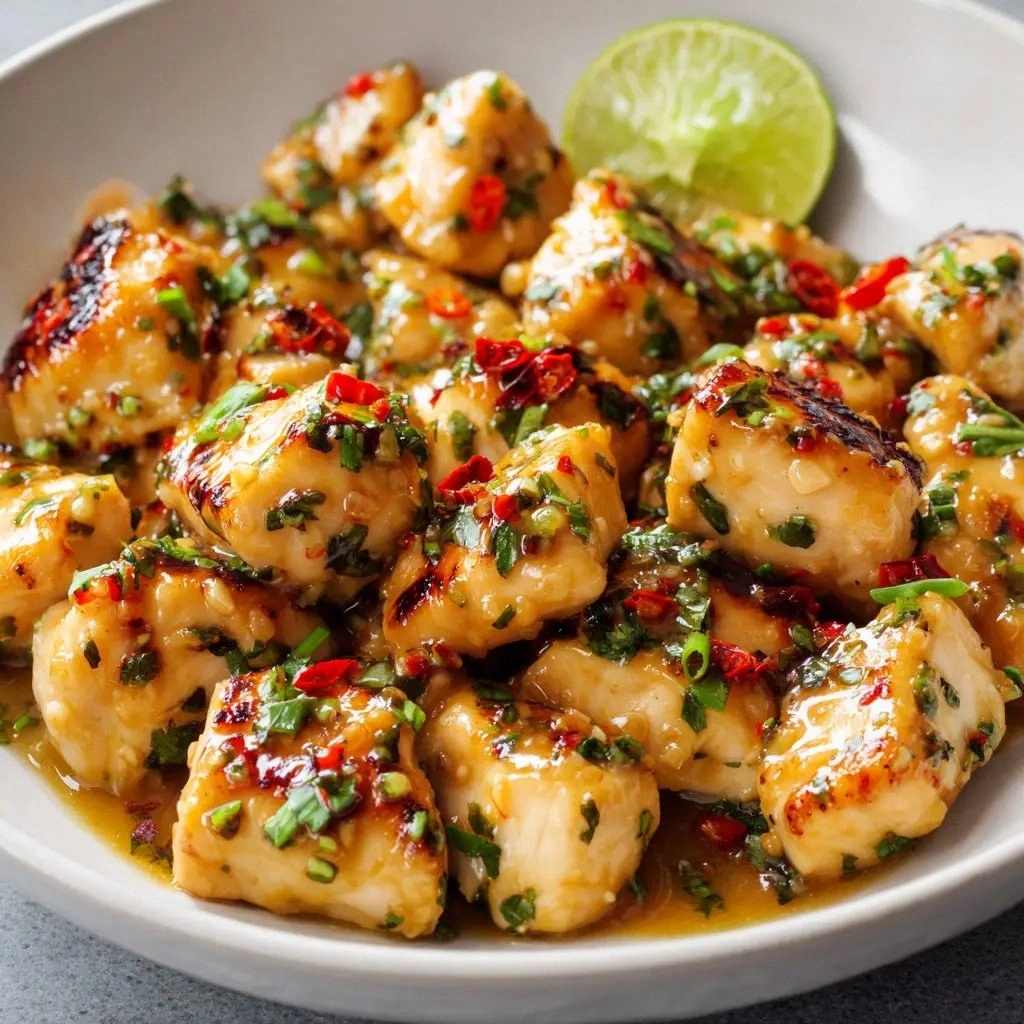
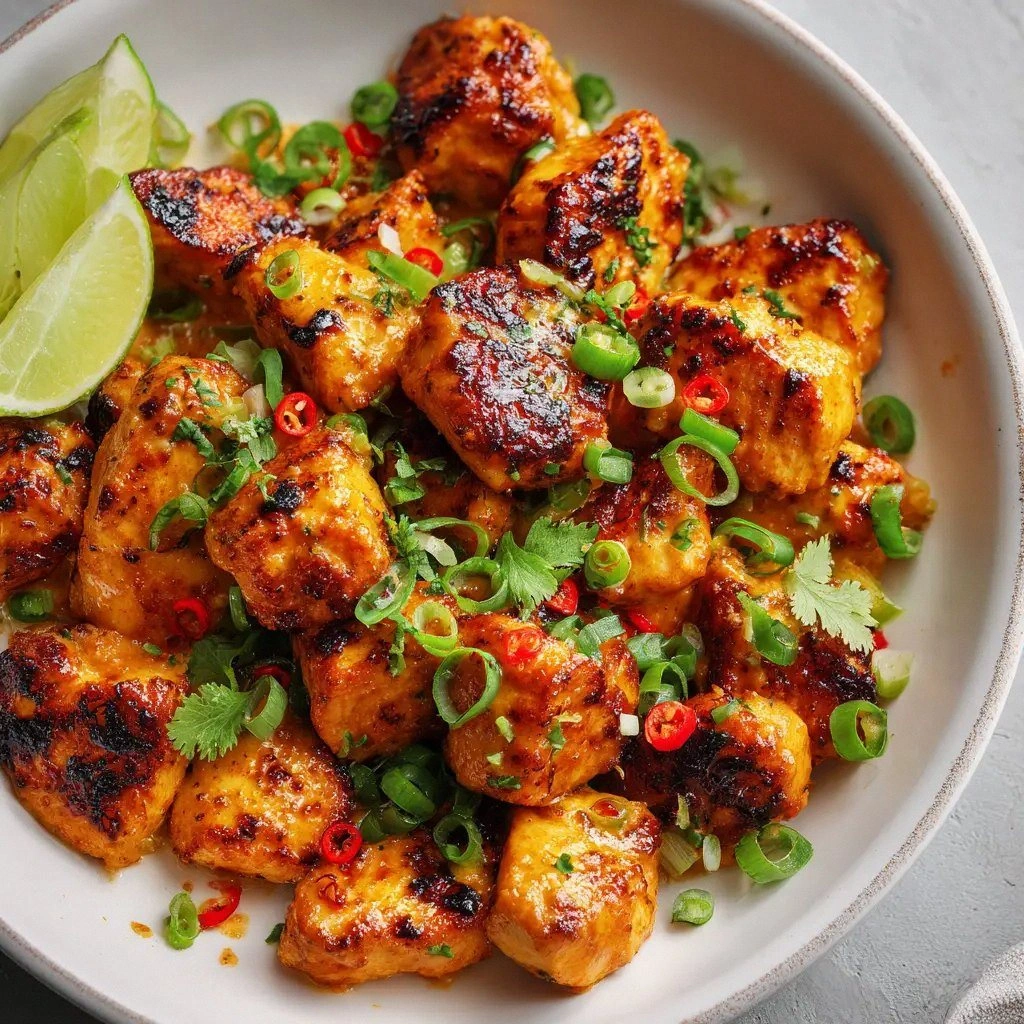
Picture this: the first bite hits your tongue with a burst of bright lime, then the silky coconut milk drapes over the tender chicken like velvet, followed by a subtle honey sweetness that lingers. The aroma rises like a tropical sunrise, and the sound of the sizzling pan is the soundtrack to a midnight snack that feels like a celebration. The texture is a paradox—crispy on the outside, juicy on the inside—while the heat from the red curry paste dances across your palate without overwhelming it. I could almost hear the sizzling as it crackles, the sound of the oil heating up, and the faint hiss of the sauce thickening.
What sets this version apart is the unexpected combination of a creamy coconut glaze with a fiery red curry base, a technique most recipes shy away from because they fear the sauce will split or the chicken will overcook. Instead, I’ve mastered the timing and the balance of flavors so that each bite is a harmonious explosion. The secret? A thin cornstarch slurry that stabilizes the sauce, and a quick sear that locks in moisture. It’s the kind of dish that makes you question why you ever settled for bland chicken.
I dare you to taste this and not go back for seconds. Picture yourself pulling this out of the pan, the whole kitchen smelling incredible, and the first bite taking you straight to a bustling Thai market. Let me walk you through every single step—by the end, you’ll wonder how you ever made it any other way.
What Makes This Version Stand Out
- Flavor: The marriage of coconut and red curry creates a sauce that feels both comforting and adventurous, a rare blend that keeps guests coming back for more.
- Texture: A quick sear gives the chicken a golden crust that snaps like thin ice, while the interior stays moist, ensuring each bite is a contrast of crunch and succulence.
- Speed: In under 30 minutes, you go from raw ingredients to a plate that looks like it’s been served at a five-star restaurant.
- Ingredient Quality: Using fresh cilantro and lime, rather than dried or bottled versions, elevates the dish from good to unforgettable.
- Crowd Reaction: Friends who’ve tried other Thai chicken bites often remark that this one is “hands down the best version you'll ever make at home.”
- Make‑ahead Potential: The glaze can be prepared in advance and reheated without losing its silky finish.
- Versatility: Swap the chicken for shrimp or tofu, and the dish becomes a new adventure, not a copycat.
- Visual Appeal: The glossy glaze and bright green garnish make for a dish that looks as good as it tastes.
Alright, let's break down exactly what goes into this masterpiece...
Inside the Ingredient List
The Flavor Base
At the heart of this dish lies the Thai red curry paste, a fiery blend of chilies, lemongrass, and galangal that infuses every bite with depth. The paste is the first thing you’ll mingle with the oil, releasing aromatic oils that permeate the pan. If you skip this step, the dish loses its signature heat and complexity, turning into a bland coconut chicken. For those who prefer a milder profile, use a sweet red curry paste instead; the sweetness will compensate for the reduced heat. When selecting curry paste, look for one with a bright, vibrant color—it’s a sign of fresh ingredients.
The Texture Crew
Cornstarch is the unsung hero that gives the glaze its silky sheen. When combined with coconut milk, it thickens the sauce just enough to cling to the chicken without becoming gummy. Skipping cornstarch will result in a watery glaze that drips off the bites like a bad haircut. If you’re allergic or simply want a gluten-free version, a tablespoon of arrowroot powder works perfectly. The high-heat cooking oil (such as grapeseed or peanut) ensures a crisp crust; a lower smoke point oil will burn and ruin the flavor profile.
The Unexpected Star
Honey is the sweet counterpoint that balances the heat from the red curry paste and the acidity of lime. A tablespoon of honey is enough to provide that subtle gloss and a touch of caramelized flavor that makes the dish feel indulgent. If you’re watching your sugar intake, substitute with a tablespoon of maple syrup or even a splash of coconut aminos for a savory note. The key is to add it after the curry paste has cooked, so the sugars caramelize slightly.
The Final Flourish
Cilantro, green onions, and lime are the finishing touches that elevate the dish from good to unforgettable. Fresh cilantro leaves provide a peppery brightness, while thinly sliced green onions add a subtle crunch and a pop of color. The lime, juiced over the finished bites, brightens the sauce and cuts through the richness of coconut milk. If you’re not a fan of cilantro, try a handful of chopped mint or basil for a different aromatic profile.
Everything's prepped? Good. Let's get into the real action...
The Method — Step by Step
- Begin by cutting the chicken breast into bite‑sized cubes, about one inch each. Pat the pieces dry with paper towels; moisture is the enemy of a good sear. Toss the chicken in a shallow dish with the cornstarch slurry, ensuring each cube is evenly coated. This step creates a thin, crispy crust when you fry the chicken.
- Heat the high‑heat oil in a large skillet over medium‑high heat until it shimmers. Add the chicken in a single layer, being careful not to overcrowd the pan—crowding releases steam and prevents browning. Cook for 3–4 minutes per side until golden brown and cooked through. The edges should pull away from the pan like a perfect caramelized crust.
- Remove the chicken and set aside on a plate lined with paper towels to drain excess oil. This step is crucial; a greasy bite will drown the delicate coconut glaze.
- Add the Thai red curry paste to the pan and stir it into the hot oil for 30 seconds, letting the aroma fill the kitchen. The sizzling sound signals that the paste has released its essential oils, a critical step for depth.
- Pour in the coconut milk and bring the mixture to a gentle simmer. Stir occasionally to prevent the milk from scorching on the bottom. As it simmers, the sauce will thicken slightly—this is the moment the glaze begins to form.
- Stir in the honey, then return the chicken to the pan. Toss gently so the glaze coats every piece. Simmer for an additional 2 minutes, allowing the flavors to meld and the glaze to thicken to a glossy consistency.
- Finish by squeezing the juice of a whole lime over the chicken, then sprinkle the fresh cilantro leaves and thinly sliced green onions. The bright acidity lifts the dish, balancing the richness of coconut and honey.
- Serve immediately over a bed of jasmine rice or as an appetizer on toothpicks. The chicken bites are best enjoyed hot, when the glaze is at its most luscious.
That’s it—you did it. But hold on, I’ve got a few more tricks that will take this from great to legendary.
Insider Tricks for Flawless Results
The Temperature Rule Nobody Follows
Many cooks think a high temperature is always better, but the key to a perfect sear is a hot pan that doesn’t burn. Preheat the skillet for at least 5 minutes, then add a drop of water; if it dances, the pan is ready. This simple test ensures the chicken browns evenly and stays juicy.
Why Your Nose Knows Best
The aroma of the simmering coconut milk is your best indicator that the glaze has thickened. When the sauce starts to coat the back of a spoon and you can see a sheen, it’s ready. Trust your nose; don’t rely solely on timing.
The 5‑Minute Rest That Changes Everything
Letting the chicken rest for 5 minutes after searing allows the juices to redistribute, ensuring each bite is moist. I’ve seen people skip this step and end up with dry, overcooked chicken. Trust me, that 5‑minute pause is worth the extra breath.
Layering Flavors Like a Master Chef
Add a splash of fish sauce after the honey for umami depth. The salty note will round out the sweet and spicy profile, making the dish feel complete. If you’re vegan, a tablespoon of soy sauce works just as well.
The Perfect Garnish
A handful of toasted sesame seeds sprinkled over the top adds a nutty crunch that contrasts beautifully with the silky glaze. It also gives the dish a professional finish, as if it was plated in a fancy restaurant.
Storing the Leftovers
If you’re not eating it all in one sitting, store the bites in an airtight container in the fridge for up to 3 days. Reheat gently in a skillet over low heat, adding a splash of coconut milk to prevent the glaze from drying out.
Creative Twists and Variations
This recipe is a playground. Here are some of my favorite ways to switch things up:
Spicy Shrimp Bites
Swap the chicken for peeled, deveined shrimp. The shrimp cooks faster, so reduce the sear time to 2 minutes per side. The result is a seafood twist that still carries the same coconut‑curry glaze.
Tofu & Veggie Delight
Press firm tofu, cube it, and lightly coat with cornstarch before searing. Add sliced bell peppers and snow peas during the sauce stage for a colorful, plant‑based version.
Sweet & Sour Variation
Incorporate a tablespoon of pineapple juice and a dash of rice vinegar after adding the honey. This introduces a tangy sweetness that pairs wonderfully with the coconut.
Crispy Coconut Crunch
Before searing, coat the chicken in a mixture of coconut flour and a pinch of salt. This gives an extra crispy exterior and a subtle coconut flavor that complements the glaze.
Herb‑Infused Lime
Add a handful of chopped mint or basil to the sauce at the end. The fresh herbs provide a cooling effect that balances the heat, especially on a hot summer day.
Storing and Bringing It Back to Life
Fridge Storage
Store the cooked bites in an airtight container for up to 3 days. Keep the glaze on the side to avoid it becoming too thick.
Freezer Friendly
For longer storage, freeze the bites in a single layer on a parchment‑lined tray. Once frozen, transfer them to a freezer bag. They’ll keep for up to 2 months without losing flavor.
Best Reheating Method
Reheat in a skillet over low heat, adding a splash of coconut milk or water to re‑hydrate the glaze. This gentle method prevents the sauce from separating and keeps the chicken juicy.