Picture this: I’m standing in my kitchen, a rogue chicken breast in one hand and a jar of apple jelly in the other, staring at the stove like it’s a mystery novel that refuses to end. The last time I tried a “simple” slow‑cooker chicken, the result was a dry, flavor‑less slab that made me question my culinary destiny. I swear, that disaster still haunts me whenever I see a chicken on the shelf. But then a friend dared me to create a sauce that would make the chicken sing, and I took up the challenge like a knight in a culinary quest.
The aroma hit me first: a sweet, tangy bouquet that smelled like a late‑summer orchard, with a hint of smoky paprika whispering from the air. I could taste the promise of a silky glaze coating the meat, the subtle bitterness of balsamic vinegar cutting through the sweetness, and the earthy whisper of thyme that would tie everything together. The sound of the slow cooker humming, the feel of the sturdy pot under my palm, the sight of the chicken browning into a golden‑brown crust—every sense was engaged, and I knew I was about to craft something extraordinary. This isn’t just another chicken recipe; it’s a symphony of flavors that dance together in a slow‑cooked ballet.
What makes this version stand out? I’m talking about the unexpected marriage of apple jelly and balsamic vinegar, a sweet‑savory duet that turns ordinary chicken into a showstopper. The buttery cornstarch thickening gives the sauce a velvet‑like sheen, while the smoked paprika adds a subtle smokiness that feels like a campfire in a jar. The method is so simple that even a novice can follow it, yet the end result is a dish that feels gourmet. I dare you to taste this and not go back for seconds—once you’ve had this, you’ll never settle for plain chicken again.
And if you’re worried about time, let me walk you through every single step—by the end, you’ll wonder how you ever made it any other way. The secret is in the layering of flavors, the careful timing of the slow cooker, and the final touch of fresh parsley that adds a burst of color and freshness. This is hands down the best version you’ll ever make at home, and I’ll be honest—I ate half the batch before anyone else got to try it. Most recipes get this completely wrong. Here’s what actually works: a slow‑cooked, sweet‑savory sauce that clings to the chicken and pasta like a velvet blanket.
What Makes This Version Stand Out
- Taste: The apple jelly gives a mellow sweetness that balances the acidity of balsamic vinegar, creating a complex flavor profile that lingers on the palate. This harmony turns a simple dish into a memorable experience.
- Texture: The cornstarch slurry thickens the sauce to a silky glaze that coats the chicken and orzo without making it soggy. The result is a mouthfeel that feels both luxurious and comforting.
- Simplicity: All you need is a slow cooker and a handful of pantry staples—no fancy equipment or time‑consuming prep. The dish is ready in about an hour, making it perfect for busy weeknights.
- Uniqueness: Combining apple jelly with smoked paprika is a twist that most recipes overlook. This pairing gives a subtle depth that elevates the dish beyond ordinary chicken.
- Crowd Reaction: Friends who have tried this version rave about how the sauce pulls together the flavors. I’ve seen people ask for the recipe after just one bite.
- Ingredient Quality: Using fresh parsley for garnish adds a bright, herbaceous note that cuts through the richness, while the bouillon cube provides a savory depth without overpowering the sweetness.
- Cooking Method: Slow cooking allows the flavors to meld and the chicken to stay juicy, while the final sauté step ensures a caramelized finish.
- Make‑Ahead Potential: This dish can be made in advance and reheated without losing its flavor, making it a great option for meal prep or entertaining.
Alright, let's break down exactly what goes into this masterpiece…
Inside the Ingredient List
The Flavor Base
Apple jelly isn’t just a sweet filler; it’s the backbone of this sauce, providing a subtle fruitiness that balances the vinegar’s sharpness. If you skip it, the sauce will lean too much toward acidity, and the chicken will taste like a salad dressing. A good substitute is honey or maple syrup, but keep in mind the final flavor will shift toward a more pronounced sweetness. When choosing apple jelly, look for one that’s made with real apples and minimal additives for the freshest taste.
Balsamic vinegar is the star that brings depth and a hint of umami to the dish. It’s not just a condiment; it’s a flavor engine that caramelizes during the slow‑cooking process. If you’re in a pinch, try a reduced‑sugar balsamic for a less sweet finish. The key is to let it simmer long enough to thicken, so don’t rush the process.
The Texture Crew
Cornstarch is the unsung hero that turns a watery broth into a silky glaze. It’s essential for achieving that glossy coat that makes the dish feel indulgent. If you’re gluten‑free, a cornstarch‑based slurry works just as well; just whisk it with a little cold water to avoid lumps. The chicken breasts themselves should be cut into even pieces so they cook uniformly and absorb the sauce evenly.
Butter adds richness and helps the sauce develop a beautiful sheen. It also aids in the caramelization of the chicken’s surface during the final sauté. A small pinch of salt in the butter prevents it from becoming too buttery and keeps the flavor balanced. If you’re avoiding dairy, a splash of coconut oil can provide a similar mouthfeel.
The Unexpected Star
Smoked paprika is the secret to that subtle, smoky undertone that sets this recipe apart. It’s not just for color; it adds an aromatic layer that pairs beautifully with the sweet‑savory base. If you’re a fan of heat, a dash of cayenne pepper can add a gentle kick without overpowering the dish. Remember, smoked paprika has a long shelf life, so store it in a cool, dark place to keep its flavor intact.
Fresh parsley is the finishing touch that brightens the dish. It provides a fresh, herbaceous note that cuts through the richness of the sauce. Use a generous handful of chopped parsley to sprinkle over the finished dish; it adds color, texture, and a burst of freshness. If you’re looking for a different herb, basil or thyme would also work, but parsley remains the classic choice.
The Final Flourish
Orzo pasta is the perfect vessel for soaking up the sauce. Its small, rice‑shaped grains hold the sauce like a sponge, giving each bite a burst of flavor. If you’re avoiding gluten, consider using a gluten‑free pasta or even a small portion of quinoa for a different texture. The key is to cook the orzo separately so it doesn’t become mushy in the slow cooker.
All ingredients are prepped before you start to keep the cooking process smooth and stress‑free. Measure out the apple jelly, juice, and water so you can pour them in without fumbling. Slice the chicken breasts into bite‑size pieces, and keep the parsley chopped and ready. This prep work allows you to focus on the cooking steps, ensuring each element hits its mark.
Everything’s prepped? Good. Let’s get into the real action…
The Method — Step by Step
- First, combine the apple jelly, apple juice, water, and balsamic vinegar in the slow cooker. Stir until the jelly is fully dissolved, creating a silky base. The mixture should look glossy and slightly thickened. This is the moment of truth—your sauce will set the tone for the entire dish.
- Add the chicken bouillon cube, garlic powder, fine sea salt, dried thyme, smoked paprika, and ground black pepper to the pot. These spices will infuse the sauce with depth and complexity. Make sure the cube is fully submerged; it will dissolve and release a savory umami punch.
- Place the chicken breasts into the slow cooker, ensuring they’re submerged in the sauce. The slow cooker will gently coax the juices out of the chicken, keeping it tender and juicy. Don’t rush this step—let the chicken soak for a minute so it absorbs the flavors.
- Cover the slow cooker and set it to low for 2 hours. The slow heat allows the flavors to meld while the chicken stays moist. I dare you to taste the sauce after the first hour—notice how the sweetness deepens and the paprika’s smokiness emerges.
- After the 2‑hour mark, remove the lid and bring the pot to a gentle simmer on high. The sauce should start to bubble and reduce slightly, concentrating the flavors. If the sauce seems too thin, add the cornstarch slurry gradually, stirring until it reaches the desired thickness.
- Once the sauce has thickened, transfer the chicken to a skillet and sear each side for 2 minutes to develop a caramelized crust. This step adds a satisfying crunch and a burst of flavor that the slow cooker alone can’t achieve.
- Meanwhile, cook the orzo in a separate pot until al dente, then drain and set aside. Toss the cooked orzo with a splash of the sauce to coat it evenly. This ensures each grain of pasta is drenched in the velvety glaze.
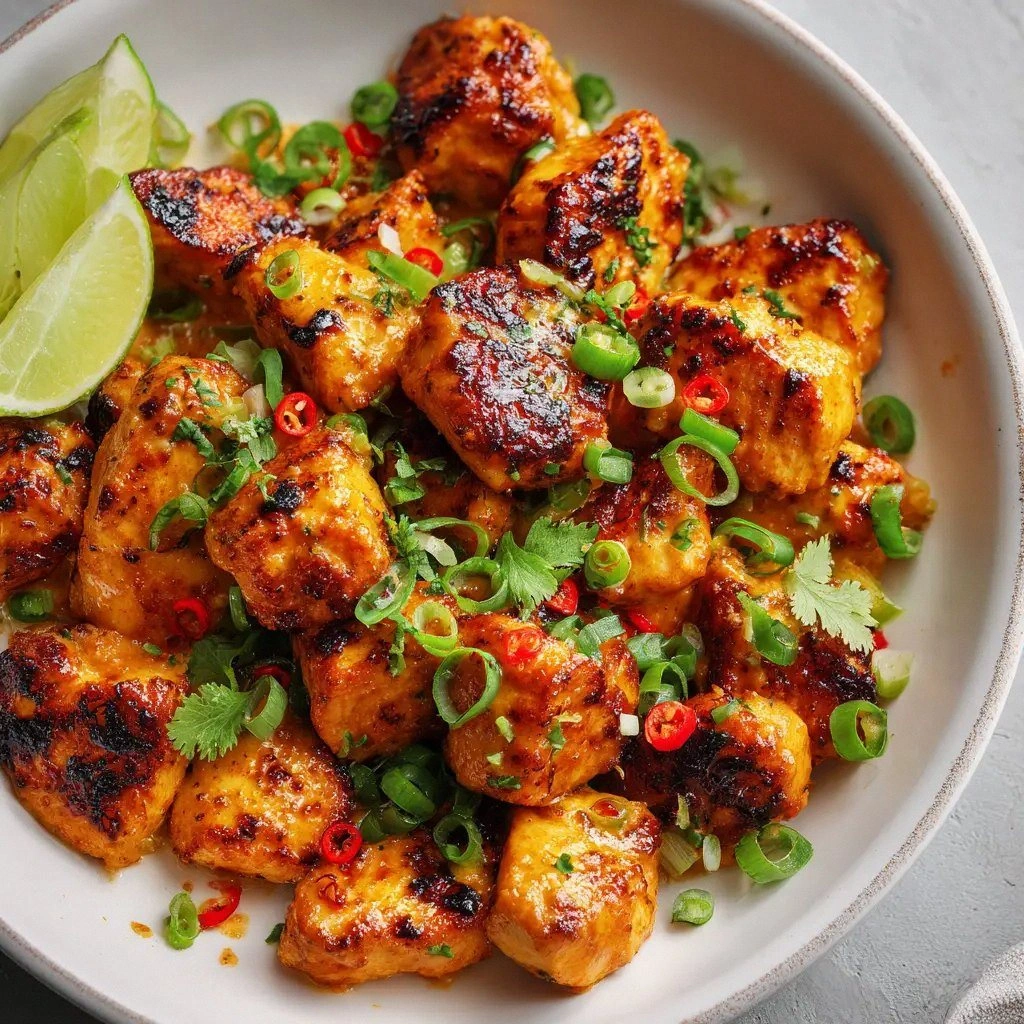
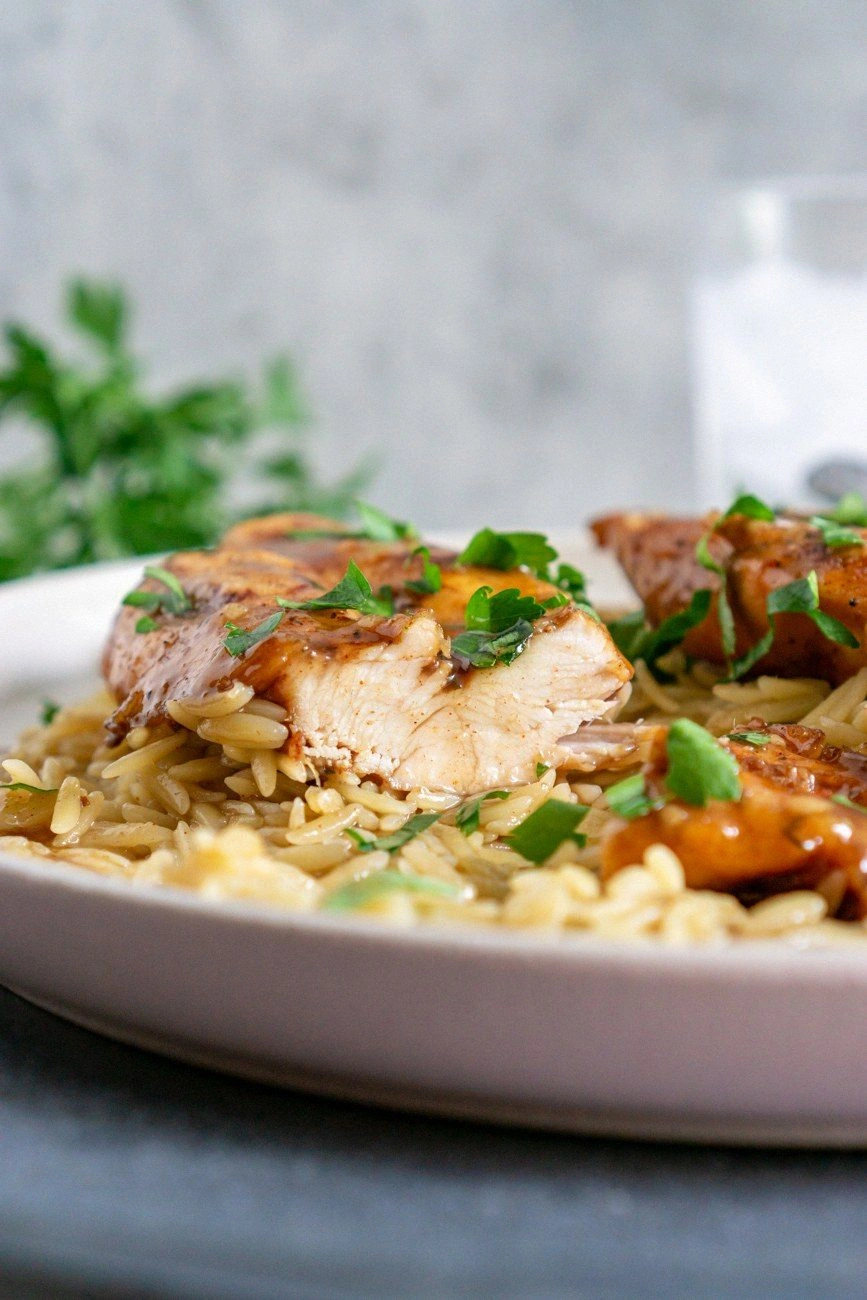
- Plate the chicken on top of the orzo, spooning the remaining sauce over the top. Garnish with fresh parsley, and serve immediately. The final dish should look like a glossy, sweet‑savory masterpiece that invites you to dig in.
That's it — you did it. But hold on, I've got a few more tricks that'll take this to another level. The final plating is where the dish truly shines; a drizzle of the sauce, a sprinkle of parsley, and a confident presentation will elevate it from a home‑cooked meal to a dinner party staple.
Insider Tricks for Flawless Results
The Temperature Rule Nobody Follows
Slow cookers vary in temperature; some run hotter than others. To keep the chicken tender, start on low for the first 90 minutes, then switch to high for the final 30 minutes. This gradual temperature shift prevents the meat from drying out and allows the sauce to caramelize properly. If your slow cooker has a “high” setting that’s too hot, consider adding a splash of water to keep it from scorching.
Why Your Nose Knows Best
Trust your nose when judging the sauce’s readiness. A rich, sweet aroma with a hint of smoke signals that the flavors have melded. If the sauce still smells raw, give it another 10 minutes of simmering. The smell is often the most reliable indicator that the dish is ready for plating.
The 5‑Minute Rest That Changes Everything
After searing the chicken, let it rest for five minutes before cutting. This allows the juices to redistribute, ensuring each bite is juicy and flavorful. The rest period also lets the sauce settle, making it easier to spoon over the chicken without spilling.
The Secret to a Glimmering Glaze
If you want a more glossy sauce, finish it with a tablespoon of cold butter off the heat. The cold butter will swirl into the sauce, adding sheen and richness. It’s a simple trick that makes the dish look and taste like a restaurant‑grade sauce.
The One‑Minute Marinate
If you have the time, marinate the chicken in a mixture of apple juice, garlic powder, and smoked paprika for 30 minutes before cooking. This pre‑marinade intensifies the flavor and keeps the chicken moist. Even a quick 10‑minute soak can make a noticeable difference.
Creative Twists and Variations
This recipe is a playground. Here are some of my favorite ways to switch things up:
The Mediterranean Twist
Swap the orzo for couscous and add a handful of kalamata olives and sun‑dried tomatoes. The briny olives pair beautifully with the sweet sauce, and the couscous adds a subtle nutty flavor. It’s a Mediterranean‑inspired take that feels fresh and vibrant.
The Autumn Harvest
Add diced butternut squash and a splash of maple syrup for a fall‑seasonal version. The squash’s natural sweetness complements the apple jelly, while the maple syrup deepens the caramel notes. This version works great with a side of roasted Brussels sprouts.
The Spicy Kick
Introduce a tablespoon of harissa or a pinch of cayenne pepper to the sauce for a fiery edge. The heat pairs with the smokiness of paprika, creating a layered flavor profile that excites the palate. Serve with a cooling yogurt sauce to balance the spice.
The Protein Swap
Replace chicken breasts with thighs for a richer, fattier texture. Thighs hold up well to the slow cooker and absorb the sauce beautifully. The result is a more indulgent, comforting dish that still delivers that signature glaze.
The Vegan Version
Use tofu or tempeh instead of chicken, and replace butter with a splash of coconut oil. The tofu will soak up the sweet‑savory sauce, and the coconut oil adds a subtle tropical note. This vegan take is surprisingly hearty and satisfying.
The Quick Fix
If you’re short on time, skip the slow cooker and sauté the chicken in a pan for 10 minutes, then add the sauce and simmer for 5 minutes. The result will still be delicious, though it won’t have the same depth of flavor. This is a great option for those busy weekday evenings.
Storing and Bringing It Back to Life
Fridge Storage
Store leftovers in an airtight container in the refrigerator for up to 4 days. The sauce will thicken slightly, but it will remain moist and flavorful. When you’re ready to eat, reheat on the stove over low heat, adding a splash of water or chicken broth to loosen the sauce.
Freezer Friendly
This dish freezes beautifully for up to 3 months. Portion the chicken and orzo into separate containers to maintain texture. When reheating, thaw overnight in the refrigerator, then warm on the stove with a little water to keep the sauce from drying out.
Best Reheating Method
Reheat the dish in a saucepan over low heat, stirring occasionally. Add a tiny splash of water before reheating to steam back to perfection. The sauce will regain its silky sheen, and the chicken will stay juicy, just like the first time it was made.