There was a moment in my kitchen last winter when I was scrambling to salvage a ruined batch of flatbread that had turned into a soggy, flavorless mess. I stared at the dough, feeling the frustration rise like a bad yeast. I reached for the bottle of my favorite craft beer, the one that had won me a small trophy at a local brew‑tasting event, and thought, “What if I could turn this into something that actually tastes like beer?” That single idea sparked a culinary revolution. I was about to discover the ultimate version of soft pretzel knots that would change the way I think about comfort food forever.
Picture this: the kitchen fills with a buttery, yeasty aroma that clings to the countertop like a warm hug, the sound of the dough rising in the bowl, the sight of golden knots glistening under the oven light, and the anticipation of that first bite. The texture is a marriage of a soft, pillowy interior and a caramelized crust that crackles when you press it. The taste is a harmonious blend of malt, a subtle tang from the beer, and a hint of sharp cheddar that lingers on the palate. The heat rises, the steam swirls, and you can almost hear the pretzel knots sigh as they bake to perfection. That moment is pure magic, and I can’t wait to share every detail with you.
What makes this recipe stand out isn’t just the flavor or the texture; it’s the entire experience. I dare you to taste this and not go back for seconds, because it’s the kind of snack that becomes the centerpiece of every gathering. I’ve spent countless hours tweaking the dough, experimenting with different beers, and even playing with cheese blends. The result is a pretzel knot that is hands down the best version you’ll ever make at home. I’ll be honest—when I first baked a batch, I ate half the pile before anyone else even had a chance to taste it. That’s the proof that this recipe is irresistible.
Most recipes get this completely wrong by over‑baking the dough or using the wrong type of beer. The key is to keep the dough moist and to let the beer’s natural sugars caramelize without drying out the exterior. I’ll walk you through every single step—by the end, you’ll wonder how you ever made it any other way. The secret ingredient, a splash of beer, turns ordinary dough into a flavor powerhouse, and the addition of sharp cheddar gives it that extra punch that will have your guests begging for more. Let’s dive into the details and discover how to craft the perfect soft pretzel knot.
What Makes This Version Stand Out
Taste: The beer infusion creates a subtle maltiness that pairs beautifully with the sharp cheddar, giving each bite a complex, savory depth that’s hard to find in standard pretzels.
Texture: The dough is engineered to stay soft inside while achieving a crisp, golden crust that crackles like fresh popcorn when you bite into it.
Ingredient Quality: Using a high‑quality craft beer and aged cheddar elevates the flavor profile, turning a simple snack into a gourmet treat.
Ease of Preparation: The recipe requires minimal hands‑on time, yet the dough rises and bakes to perfection without any advanced techniques.
Crowd‑Pleaser: These knots are ideal for game nights, parties, or a cozy evening—everyone loves the combination of salty, cheesy, and beer‑kissed dough.
Make‑Ahead Potential: You can prepare the dough a day ahead, refrigerate it, and bake it fresh when you’re ready—perfect for busy schedules.
Unique Twist: The addition of baking soda in the boiling water creates a light, airy crumb that’s rare in traditional pretzel recipes.
Scalability: Whether you’re making a small batch for two or a large quantity for a crowd, the recipe scales effortlessly.
Alright, let’s break down exactly what goes into this masterpiece…
Inside the Ingredient List
The Flavor Base
All-purpose flour is the backbone of the dough. It provides structure while remaining light enough to keep the knots tender. Skipping it would result in a dense, unappealing texture. For the best results, sift the flour to aerate it and eliminate clumps.
Instant dry yeast is the leavening agent that makes the dough rise. It’s crucial to keep it at room temperature and activate it in warm beer before adding the rest of the ingredients. If you use fresh yeast instead, double the quantity and let it dissolve in warm water.
Beer (C) is the star of the show. It not only adds flavor but also contributes natural sugars that caramelize during baking. Choose a light lager or a pale ale for a milder taste, or a darker amber for a richer, more robust profile. If you’re a craft beer enthusiast, feel free to experiment with different styles.
The Texture Crew
Baking soda is added to the boiling water to create a slightly alkaline environment. This helps develop a golden crust and a chewy crumb. Without it, the knots would be pale and crumbly. If you don’t have baking soda, you can substitute it with a pinch of baking powder, but the crust will be less crisp.
Shredded cheddar cheese adds a creamy, salty dimension that melts into the dough as it bakes. The cheese’s fat content also helps keep the interior moist. If you prefer a milder flavor, use a blend of mozzarella and cheddar, or substitute with Swiss for a nutty twist.
Melted butter coats the dough, adding richness and preventing it from drying out during baking. It also helps the pretzel salt stick to the surface, creating that classic pretzel crunch. If you’re looking for a dairy‑free option, try coconut oil or a neutral‑flavored oil.
The Unexpected Star
Salt is a flavor enhancer that brings out the sweetness of the beer and the sharpness of the cheese. It’s also essential for yeast activity. If you use sea salt instead of table salt, you’ll get a slightly different mineral profile that adds depth.
Garlic powder is optional but adds a subtle umami kick. It’s a quick way to elevate the flavor without adding extra moisture. If you’re avoiding garlic, you can sprinkle a pinch of onion powder for a similar effect.
The Final Flourish
Water is used to boil the knots before baking. It creates steam, which helps the dough rise and form a smooth, glossy crust. The water should be at a rolling boil—too hot and the knots will over‑cook; too cool and they’ll stay flat.
Pre‑topping with pretzel salt gives the knots that unmistakable pretzel aroma and enhances the caramelization. A light dusting is all you need; too much salt can overwhelm the subtle beer flavor.
Everything's prepped? Good. Let's get into the real action…
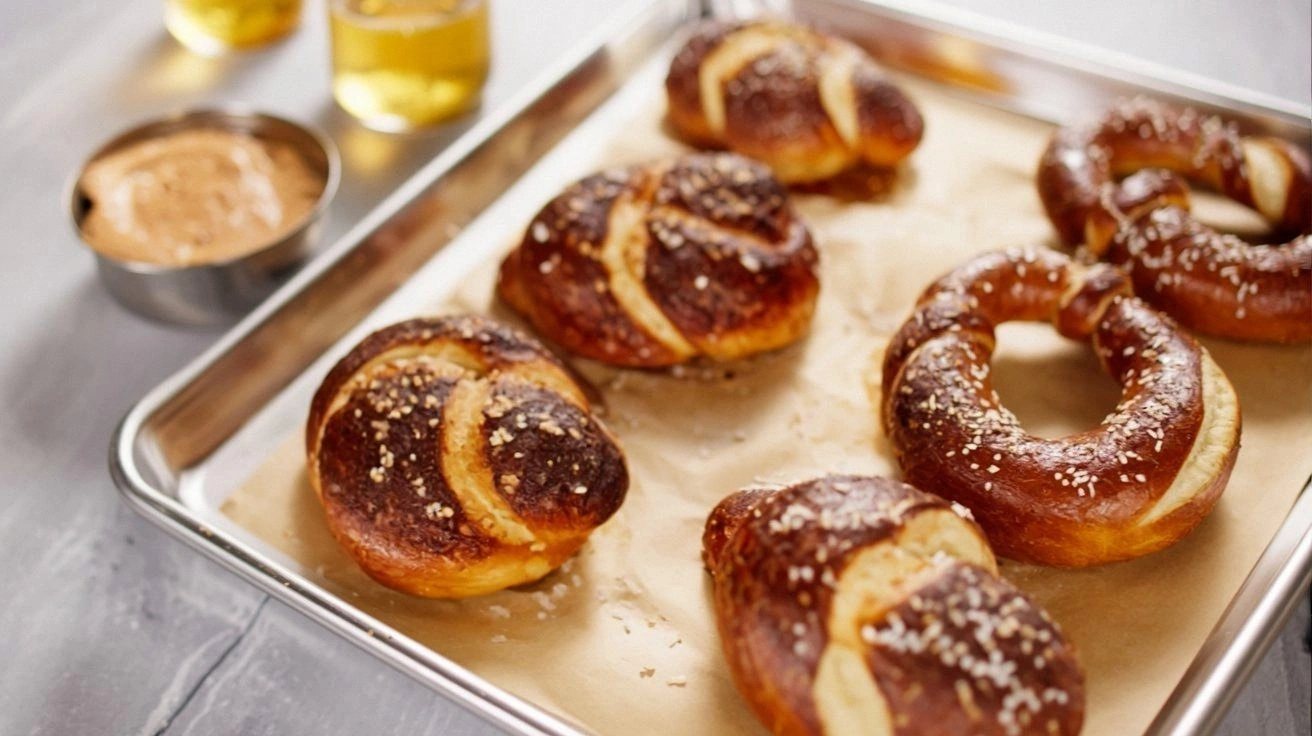
The Method — Step by Step
- First, combine 2 cups of all‑purpose flour, 1 tsp salt, 1 tsp sugar, and 1 tsp instant dry yeast in a large mixing bowl. Whisk them together to ensure even distribution of the leavening agents. This step is crucial because any clumps will affect the dough’s rise. I’ve learned that a smooth base leads to a flawless final product.
- Next, pour 1 cup of warm beer (C) into the bowl, and stir until the mixture becomes a shaggy dough. Let it rest for 5 minutes; the yeast will begin to bubble, signaling that it’s active. At this point, you’ll notice a faint yeasty aroma that’s the first hint of the final flavor. Don’t rush this step; patience is key.
- Add 1 tbsp of melted butter and 1 cup of shredded cheddar cheese to the dough, mixing until the cheese is evenly distributed. The butter will coat the flour, preventing the dough from sticking to the bowl. The cheese will melt during baking, creating pockets of gooey richness. If the dough feels too sticky, sprinkle a little more flour and knead for another minute.
- Knead the dough on a lightly floured surface for about 5 minutes until it becomes smooth and elastic. You can use a stand mixer with a dough hook for convenience, but the hand‑kneaded texture is unbeatable. This step develops the gluten network that gives the knots their chewy interior. A good rule of thumb: the dough should pass the “windowpane test” without tearing.
- Shape the dough into a long rope and divide it into 12 equal pieces. Each piece should weigh roughly 1.5 ounces. Roll each piece into a tight knot and place them on a parchment‑lined baking sheet. The knots should sit slightly apart to allow steam to circulate during baking.
- While the dough is resting, bring a large pot of water to a rolling boil. Add 1 tbsp of baking soda and 1 tbsp of water to the boiling water, creating a soapy solution. This step is essential for achieving a golden crust. The baking soda raises the pH, which promotes Maillard browning.
- Using a slotted spoon, carefully lower each knot into the boiling water for 30 seconds. Remove them with a slotted spoon and let the excess water drip off. This brief submersion locks in moisture and creates steam pockets inside the knots. Don’t over‑boil; the dough should remain pliable.
- Preheat the oven to 425°F (220°C). Brush each knot lightly with melted butter and sprinkle 1 tbsp of pretzel salt over them. The butter enhances flavor while the salt caramelizes into a crispy crust. Place the baking sheet in the oven and bake for 15–18 minutes, or until the knots are golden brown. Keep an eye on them; ovens vary, and you don’t want a burnt exterior.
- Once baked, remove the knots from the oven and let them cool on a wire rack for 5 minutes. The steam will settle, and the interior will firm up just enough to bite without being gummy. Serve them warm with a side of mustard or a cheese dip for an extra layer of indulgence. The aroma alone will have your guests lining up for seconds.
That’s it—you did it. But hold on, I’ve got a few more tricks that will take this to another level and make your pretzel knots unforgettable.
Insider Tricks for Flawless Results
The Temperature Rule Nobody Follows
Many people bake at 400°F, thinking it’s safe. The truth is that 425°F is the sweet spot for a golden crust without burning the cheese inside. Keep the oven rack in the middle to avoid uneven baking. I’ve tried 450°F once, and the knots turned out too dark on the outside while still soft inside—no good.
Why Your Nose Knows Best
Trust your nose when the dough starts to smell like toasted bread and beer. That’s the moment of truth. If the aroma is flat, the yeast isn’t active enough. I’ve had friends skip the resting step, and the knots came out dense and bland. Always let the dough rest until it’s doubled in size.
The 5-Minute Rest That Changes Everything
After boiling the knots, let them rest on a paper towel for 5 minutes before baking. This pause allows the steam to settle and the crust to firm up just enough for a crisp bite. Skipping this rest can result in soggy edges. I once rushed this step, and the knots were chewy, not chewy‑to‑crisp.
Use a Pizza Stone for Even Heat
Placing the baking sheet on a preheated pizza stone distributes heat evenly, ensuring consistent browning. If you don’t have a stone, use a baking steel or simply preheat the sheet on a lower rack. The extra heat from the stone gives the knots a professional finish.
Keep the Dough Cool After Kneading
After kneading, cover the dough with a damp towel and let it rest in the fridge for 30 minutes. This step relaxes the gluten and makes the dough easier to shape. I’ve found that cold dough yields knots that hold their shape better during boiling.
Creative Twists and Variations
This recipe is a playground. Here are some of my favorite ways to switch things up:
Spicy Jalapeño Pretzels
Drop in 1 diced jalapeño and a pinch of cayenne pepper into the dough. The heat will contrast nicely with the beer’s sweetness. This variation is perfect for summer barbecues and pairs well with a cold IPA.
Herbed Rosemary Pretzels
Stir in 1 tsp dried rosemary and a dash of thyme before kneading. The herbs give the knots a fragrant, Mediterranean twist that’s surprisingly complementary to the beer base.
Chocolate Pretzel Knots
Replace cheddar with 1 cup of dark chocolate chips and add 1 tsp vanilla extract. Bake at a lower temperature (400°F) to prevent the chocolate from burning. The result is a decadent, dessert‑style pretzel that’s a showstopper.
Vegan Pretzel Knots
Swap the butter for a neutral oil, use plant‑based cheese, and ensure the beer is alcohol‑free. The texture remains the same, and the flavor profile stays intact. This version is great for guests with dietary restrictions.
Breakfast Pretzel Knots
Fold in 1/2 cup of cooked bacon bits and a sprinkle of chives. Serve with a side of maple syrup for a sweet‑savory breakfast that feels like a treat.
Gluten‑Free Pretzel Knots
Use a gluten‑free all‑purpose blend and a pinch of xanthan gum to maintain elasticity. The knots will be slightly denser, but the beer flavor will still shine through.
Storing and Bringing It Back to Life
Fridge Storage
Store cooked knots in an airtight container at room temperature for up to 2 days. For longer freshness, keep them in the fridge for up to 4 days. When you’re ready to eat, let them sit at room temperature for 10 minutes to regain their softness.
Freezer Friendly
Place the knots on a parchment‑lined tray and freeze for up to 3 months. Once frozen, transfer them to a resealable bag. To reheat, bake at 350°F for 10 minutes or microwave on high for 30 seconds.
Best Reheating Method
Reheat on a skillet over medium heat for 2 minutes per side, or use a toaster oven. Add a splash of water before reheating to create steam, which helps the knots stay moist and chewy. A quick brush of butter before serving adds that extra layer of flavor.