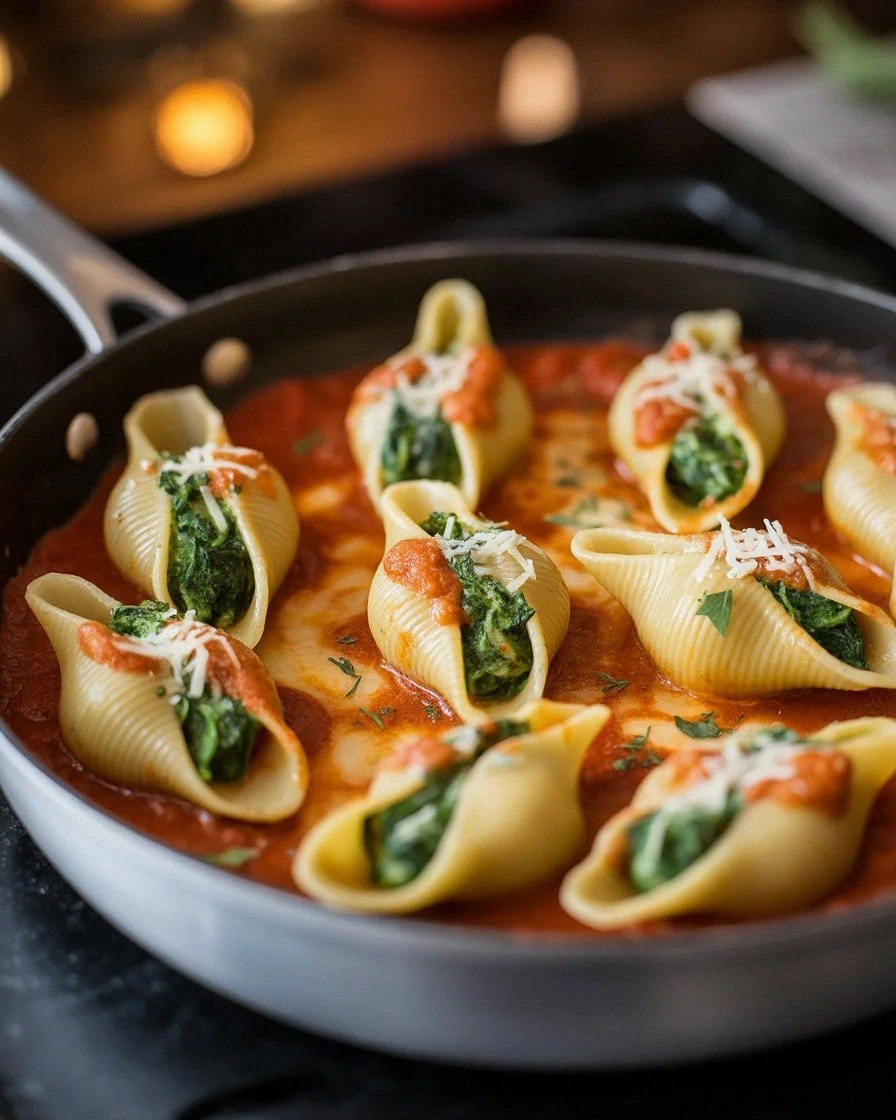
Picture this: the kitchen clock ticks, the oven preheats, and you’re standing in front of a pot of boiling water, staring at a stack of lasagna sheets that look more like a battlefield than a dinner. I was trying to salvage a dinner that had gone awry—my friend had asked for “something hearty, something comforting, something that doesn’t feel like a school cafeteria lunch.” The answer? Spinach Lasagna Rolls. I wasn’t just making any rolls; I was crafting a dish that feels like a hug in a bowl, a creamy, cheesy, green‑green delight that will make your taste buds do a little dance. I dare you to taste this and not go back for seconds.
From the moment I opened the freezer, the scent of spinach hit me like a fresh spring breeze. The ricotta, with its silky texture, promised a velvety interior that would contrast beautifully against the crispness of the noodles. When the marinara sauce was poured, its red hue looked like a sunset over a quiet lake. The basil’s aroma was a whisper of green that lifted the entire dish into the realm of aromatic perfection. I could already hear the sizzle of the olive oil in the pan, the bubbling of the sauce, and the gentle sigh of steam as the rolls cooked. It was a sensory prelude that made the kitchen feel alive, a place where ingredients dance and flavors talk to each other.
Why does this version stand out from every other recipe out there? Because I took a classic lasagna, turned it into a rolling, bite‑size masterpiece, and added a few secret touches that elevate it from simply good to unforgettable. I’ve taken the time to explain why each ingredient matters, how to avoid common pitfalls, and how to tweak the dish for your taste. I’ll also show you a technique that most people overlook but that makes the rolls melt into a silky, cohesive whole. If you’ve ever struggled with lasagna that turns out dry or too heavy, you’re not alone—this recipe is designed to fix those issues from the ground up.
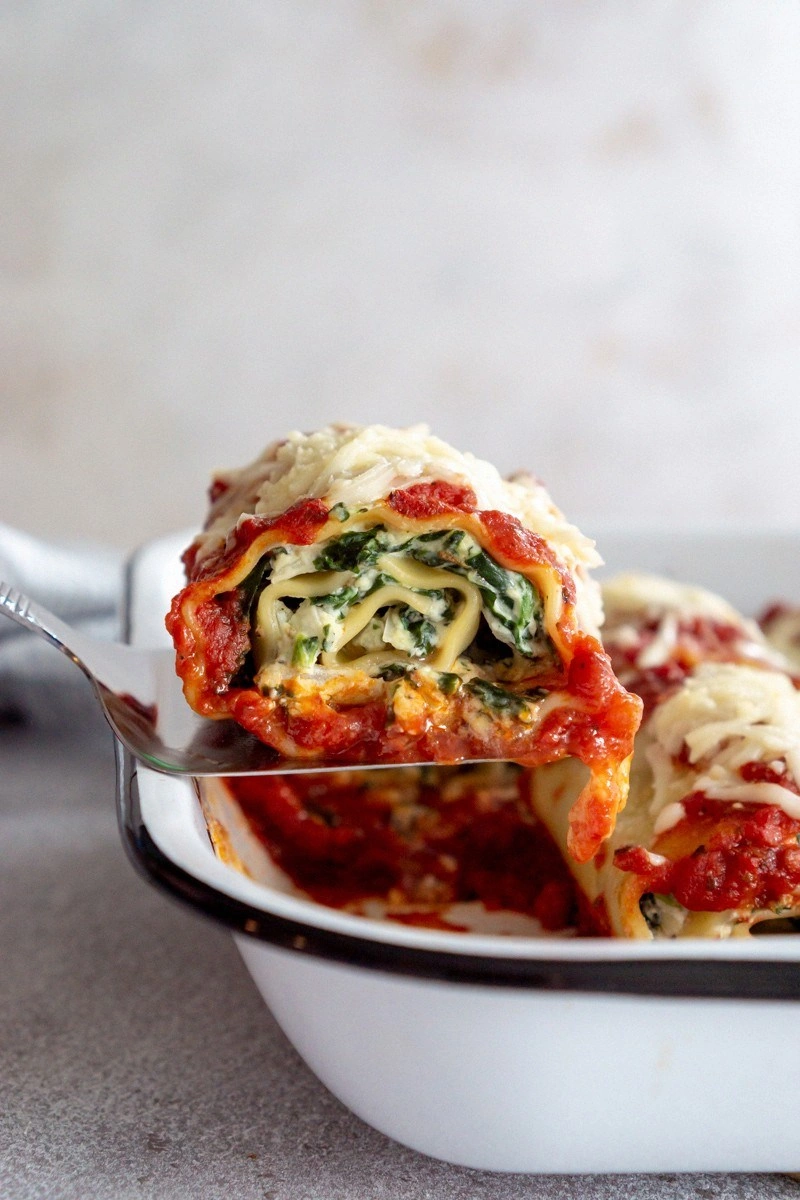
Picture yourself pulling these rolls out of the oven, the whole kitchen smelling incredible, the steam rising like a gentle mist. The rolls are golden on the outside, with a bubbly mozzarella top that shatters like thin ice when you bite into it. The interior is a creamy, spinach‑laden dream that oozes with every forkful. Let me walk you through every single step—by the end, you’ll wonder how you ever made it any other way.
What Makes This Version Stand Out
- Taste: The blend of ricotta, mozzarella, and parmesan creates a layered flavor that feels both comforting and sophisticated. The spinach adds earthy depth, while the basil brings a fresh brightness that cuts through the richness.
- Texture: The noodles are cooked al dente, providing a subtle bite that balances the creamy filling. The mozzarella melts into a golden crust that crisps just enough for contrast.
- Simplicity: With only 12 ingredients and straightforward steps, you can prepare a restaurant‑quality dish in under an hour.
- Uniqueness: Rolling the lasagna sheets into bite‑size pockets transforms the dish into a fun, shareable appetizer that can also serve as a main course.
- Crowd Reaction: Friends who have tried this rave about the “roll‑up” factor, the creamy interior, and the perfect balance of herbs.
- Ingredient Quality: Using fresh basil, good‑quality marinara, and a generous amount of parmesan elevates the dish beyond the average take‑away lasagna.
- Cooking Method: The technique of pre‑cooking the noodles, then rolling and baking, ensures even heat distribution and prevents sogginess.
- Make‑Ahead Potential: These rolls can be assembled ahead of time and frozen, making them ideal for busy weeknights or entertaining.
Alright, let’s break down exactly what goes into this masterpiece…
Inside the Ingredient List
The Flavor Base
The marinara sauce is the heart of the dish. Choose a sauce that is thick enough to cling to the noodles but not so watery that it makes the rolls soggy. A homemade sauce with crushed tomatoes, garlic, and a touch of red wine gives the best depth. If you’re short on time, a high‑quality store brand with no added sugars works fine. Skipping the sauce will leave the rolls bland; the sauce coats the pasta like velvet and ensures every bite is moist and flavorful.
The Texture Crew
Lasagna noodles are the backbone. Use regular sheets, not the thin ones, to provide a sturdy base that holds the filling. Cooking them to al dente (about 2 minutes less than the package instructions) prevents them from becoming mushy during baking. If you prefer a gluten‑free version, look for sheets labeled “gluten‑free” and adjust the cooking time accordingly. The noodles’ chewiness contrasts nicely with the creamy ricotta filling, creating a textural harmony that keeps each bite interesting.
The Unexpected Star
Frozen spinach is a game‑changer. It’s convenient, affordable, and retains a bright green color once thawed. Drain it well and squeeze out excess moisture to avoid watery rolls. Some people prefer fresh spinach for a more vibrant flavor, but the difference is subtle; the key is to keep the filling moist but not soggy. If you’re a green‑leaf enthusiast, add a handful of chopped kale for extra nutrition and a slightly bitter edge that balances the sweetness of the marinara.
The Final Flourish
Fresh basil is the finishing touch that elevates the dish from good to great. Chop it finely so it distributes evenly throughout the filling. Basil’s aromatic oils mingle with the cheese, giving the rolls a fragrant lift. If basil is out of season, substitute with parsley or oregano for a different herbal note. The final sprinkle of grated parmesan on top before baking adds a nutty finish and a slight crunch when the cheese browns.
Everything’s prepped? Good. Let’s get into the real action…
The Method — Step by Step
- Bring a large pot of salted water to a rolling boil. Add the lasagna sheets and cook for 7–8 minutes, or until they’re just shy of al dente. Drain and set aside on a lightly oiled sheet to prevent sticking. The noodles should feel firm but pliable; this will help them hold the filling without cracking.
- While the noodles cool, heat the olive oil in a large skillet over medium heat. Add the diced onion and minced garlic, sautéing until the onion turns translucent and the garlic releases its aroma—about 3–4 minutes. This creates a savory base that will infuse the filling.
- Stir in the thawed and drained spinach. Cook for an additional 2 minutes, letting the spinach wilt fully. If you’re using fresh spinach, add it now and cook until it reduces significantly. The goal is a moist, green filling without excess liquid.
- Transfer the spinach mixture to a large mixing bowl. Add the ricotta cheese, shredded mozzarella, grated parmesan, chopped basil, Italian seasoning, salt, pepper, and the egg. Mix until all ingredients are well incorporated, creating a thick, creamy filling. The egg acts as a binder, ensuring the rolls stay together during baking.
- Lay a cooked lasagna sheet flat on a clean surface. Spread about 2 tablespoons of the filling along the center, leaving a 1‑inch border on all sides. Roll the sheet tightly, pinching the seam to seal. Repeat with all sheets. The rolling action locks in the filling and creates bite‑sized pockets.
- Preheat the oven to 375°F (190°C). Lightly grease a baking dish with olive oil or non‑stick spray. Arrange the rolls seam‑side down in a single layer, leaving a little space between each. If you’re using a smaller dish, you might need to bake in two batches.
- Pour the marinara sauce evenly over the rolls, ensuring each one gets a generous coating. The sauce should cling to the tops, forming a glossy sheen. Sprinkle the remaining mozzarella and parmesan over the entire dish. The cheese will melt into a golden crust that’s both crispy and gooey.
- Bake for 25–30 minutes, or until the cheese is melted, bubbly, and slightly golden. The rolls should be firm to the touch, and the sauce should be bubbling at the edges. If you like a crispier top, broil for an additional 1–2 minutes, watching closely to avoid burning.
- Remove from the oven and let the rolls rest for 5 minutes. This resting period allows the filling to set, making them easier to slice and preventing the cheese from spilling out. Serve hot with a side of garlic bread or a crisp green salad.
That’s it — you did it. But hold on, I’ve got a few more tricks that’ll take this to another level…
Insider Tricks for Flawless Results
The Temperature Rule Nobody Follows
Most people bake at a high heat to get a bubbly top, but that can dry out the noodles. I’ve found that baking at 375°F (190°C) strikes the perfect balance: it melts the cheese evenly while keeping the pasta tender. If you’re using a convection oven, lower the temperature by 25°F to avoid over‑browning.
Why Your Nose Knows Best
Before you open the oven door, pause and inhale. The scent of the marinara mingles with the cheese, and you can tell if the rolls are ready. A faint, sweet tomato aroma means the sauce has cooked through, while a metallic tang could indicate over‑cooking. Trust your nose; it’s the best judge of doneness.
The 5‑Minute Rest That Changes Everything
Letting the rolls sit for five minutes after baking may seem trivial, but it transforms the texture. The rest allows the filling to set, preventing a runny interior and making the rolls easier to serve. It also lets the flavors meld, giving the dish a cohesive taste profile.
Use a Silicone Baking Mat
A silicone mat keeps the rolls from sticking and makes cleanup a breeze. It also distributes heat evenly, ensuring each roll cooks uniformly. If you don’t have one, lightly spray the dish with non‑stick spray and line it with parchment paper.
Keep the Basil Fresh
Storing basil in a glass of water, like flowers, keeps it vibrant longer. Cover the top with a plastic bag and refrigerate. This keeps the leaves fresh and flavorful, so they don’t wilt before you’re ready to roll the noodles.
Make-Ahead and Freeze
Assemble the rolls and place them on a baking sheet. Freeze them until solid, then transfer to a freezer bag. When you’re ready to cook, bake them directly from the freezer, adding an extra 5 minutes to the cooking time. This method is perfect for busy weeknights or for prepping a crowd‑pleaser in advance.
Creative Twists and Variations
This recipe is a playground. Here are some of my favorite ways to switch things up:
Cheesy Chicken Roll‑Up
Add diced cooked chicken to the filling for a protein boost. The chicken’s savory flavor pairs nicely with the ricotta and mozzarella, creating a hearty main dish.
Vegan Spinach Lasagna Rolls
Replace ricotta with a tofu‑based ricotta, use a dairy‑free marinara, and substitute the mozzarella with a plant‑based cheese. The result is a creamy, plant‑based roll that still delivers on flavor.
Sun‑Dried Tomato and Pesto
Stir in chopped sun‑dried tomatoes and a spoonful of pesto into the filling. The tomato adds a sweet, tangy kick, while the pesto introduces a basil‑rich aroma.
Extra Crunchy Parmesan Topping
Before baking, roll each roll in a mixture of grated parmesan and a pinch of paprika. The paprika adds a smoky warmth, and the parmesan crisps into a golden crust.
Spicy Arrabbiata Sauce
Use an arrabbiata marinara with crushed red pepper flakes for a fiery twist. The heat will cut through the richness of the cheese and give the dish a lively kick.
Herb‑Infused Cream Sauce
Replace the marinara with a cream sauce flavored with thyme, rosemary, and a splash of white wine. The creamy sauce offers a luxurious, savory experience that’s perfect for a special occasion.
Storing and Bringing It Back to Life
Fridge Storage
Store leftovers in an airtight container in the refrigerator for up to 3 days. Reheat in the oven at 350°F (175°C) for 15–20 minutes, or until the cheese is melted and bubbly. This method preserves the crispness of the crust.
Freezer Friendly
Wrap the assembled rolls tightly in plastic wrap, then place in a freezer bag. Freeze for up to 2 months. When ready, bake directly from frozen, adding 5–10 minutes to the cooking time.
Best Reheating Method
For the best texture, reheat in the oven rather than the microwave. The oven’s dry heat keeps the noodles from becoming soggy and restores the cheese’s gooeyness. If you’re short on time, a quick 30‑second microwave burst can warm the rolls, but the texture will differ.
And remember: add a tiny splash of water before reheating; it steams the rolls back to perfection, ensuring the cheese stays moist and the noodles don’t dry out.