Picture this: I’m standing in my kitchen, a half‑finished pot of broth simmering, a handful of bell peppers still stuck in their skins, and the smell of garlic sizzling in the air. I had promised my friends a comforting bowl of soup, but the last time I tried a stuffed‑pepper‑inspired recipe, it turned out a sad, soggy mess that tasted more like a casserole than a soup. I was staring at a pot of mush, wondering if I’d ever again pull a dish from the fridge that could actually make people say, “I dare you to taste this and not go back for seconds.”
That night, after a frantic scramble and a few too many taste tests, I realized the problem wasn’t the ingredients—everything was fresh and flavorful—but the technique. The peppers had lost their bite, the rice had turned into a gummy blanket, and the broth had been too watery to carry the punch of the tomatoes. I decided to reverse engineer the classic stuffed pepper, but in liquid form, and I was determined to make a soup that would make everyone ask for the recipe again and again.
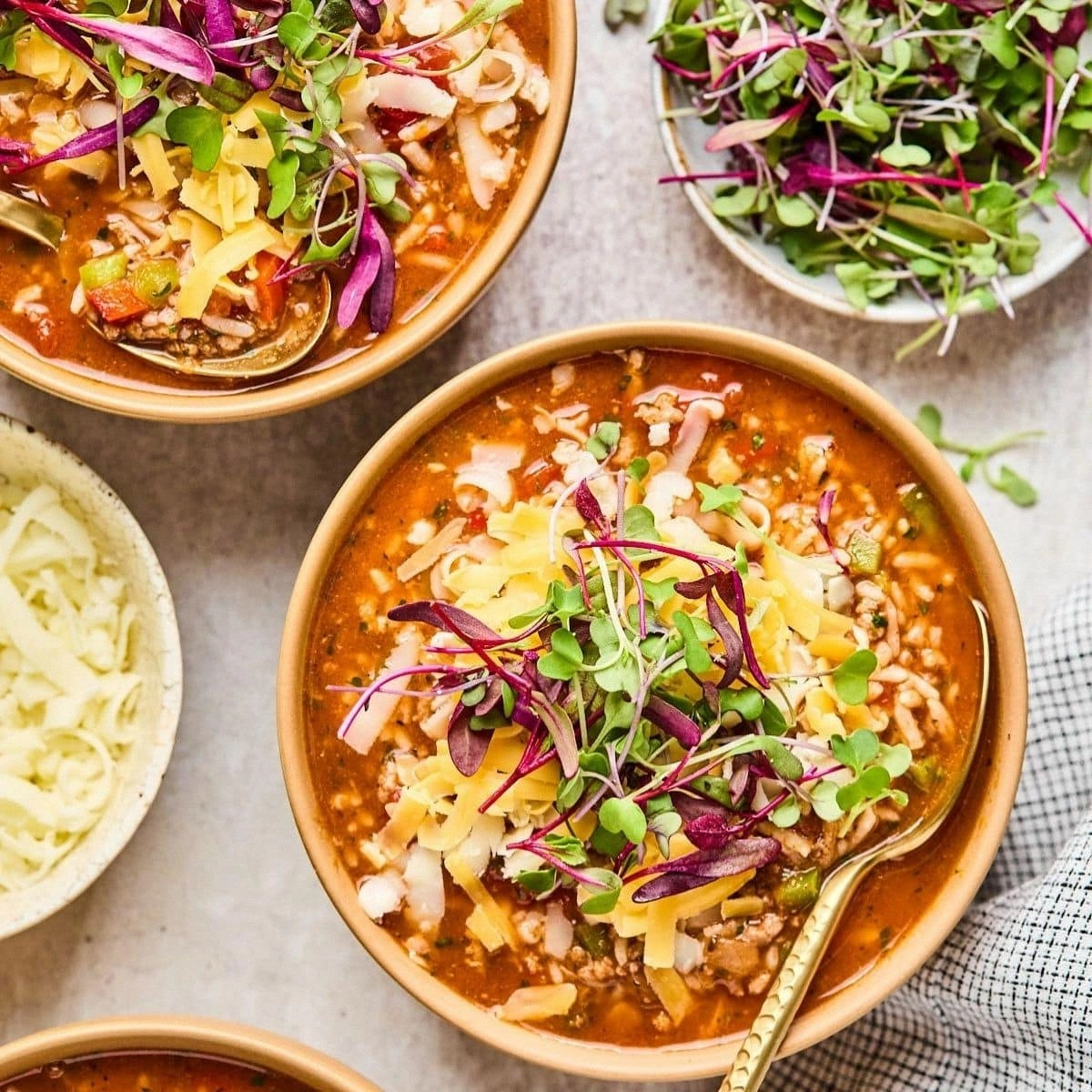
Fast forward to today, and this version of Stuffed Pepper Soup is hands down the best you’ll ever make at home. It’s a single‑pot wonder that brings together the savory depth of slow‑cooked meat, the bright sweetness of bell peppers, the velvety richness of tomato paste, and a whisper of smoky paprika that lingers on the palate. The rice is perfectly al dente, the broth is thickened just enough to cling to the vegetables, and the shredded cheese melts into a silky ribbon that ties every bite together.
What’s the secret? I’ll be honest—there are a few tricks that most recipes get wrong, and a few ingredients you might not expect to find in a soup. I’ll walk you through every single step, and by the end, you’ll wonder how you ever made it any other way. Let’s dive in.
What Makes This Version Stand Out
Taste: The tomato base is deep and slightly sweet, thanks to the addition of tomato paste and diced tomatoes. The combination of oregano, basil, and smoked paprika gives it a layered, aromatic profile that feels like a warm hug.
Texture: The rice remains firm and doesn’t get mushy because the liquid ratio is carefully balanced. The peppers keep a bite, and the cheese melts into ribbons that coat the spoon.
Simplicity: All the ingredients are pantry staples or easy to find in any grocery store. No fancy sauces or obscure spices needed—just a handful of herbs and a splash of soy sauce.
Uniqueness: The soup transforms the classic stuffed pepper into a hearty, comforting bowl that can be served for lunch or dinner. It’s a one‑pot meal that feels like a holiday dish but can be made any night of the week.
Crowd Reaction: Friends who’ve tried this version say it’s “the best stuffed‑pepper‑inspired soup I’ve ever had.” Even the kids who normally refuse vegetables can’t stop reaching for the spoon.
Ingredient Quality: Fresh parsley and high‑quality ground meat make a noticeable difference in flavor. The peppers are crisp and bright, not wilted or over‑cooked.
Cooking Method: The technique of browning the meat first and then adding the vegetables and aromatics builds a flavor base that’s hard to replicate with quick, stovetop soups.
Make‑Ahead Potential: This soup tastes even better the next day, and it freezes well. The flavors meld over time, creating a richer, more integrated taste.
Alright, let’s break down exactly what goes into this masterpiece...
Inside the Ingredient List
The Flavor Base
Olive oil and ground beef or turkey are the first things that hit the pan. The oil creates a silky coating that prevents the meat from sticking, while the meat provides a rich, umami foundation. If you skip the oil, the meat will stick and burn, ruining the entire flavor profile.
Ground beef brings a hearty, slightly fatty taste that balances the acidity of the tomatoes. Turkey, on the other hand, offers a leaner option that still delivers protein without overwhelming the soup. A mix of both gives you the best of both worlds.
When browning, make sure the pan is hot enough to sear the meat. If you’re using a leaner cut, add a bit more oil to prevent sticking.
The Texture Crew
Onion, garlic, and bell peppers are the vegetables that provide bite and sweetness. The onion releases a caramelized sweetness as it cooks, while the garlic adds a punch of aroma. Bell peppers stay crisp if you add them later; otherwise, they become mushy.
The diced tomatoes and tomato paste thicken the broth into a velvety sauce. The paste concentrates the tomato flavor, so you don’t need to add too much. If you forget the paste, the soup will be watery and bland.
Rice is the heart of the soup’s texture. It absorbs liquid and becomes tender but still chewy. Use medium‑grain rice for the best texture; long‑grain rice can become gummy.
The Unexpected Star
Fresh parsley is a subtle but essential herb that brightens the dish. It adds a fresh, slightly peppery note that cuts through the richness. If you’re out of parsley, a splash of fresh cilantro can be a fun substitute, but it will change the flavor profile.
Smoked paprika is the secret sauce that gives the soup a smoky undertone. It’s not overpowering but adds depth. If you’re allergic or just don’t like smoke, you can replace it with regular paprika and a dash of liquid smoke.
The Final Flourish
Shredded cheese, whether cheddar, mozzarella, or a blend, melts into silky ribbons that coat the soup. It’s the finishing touch that makes each spoonful feel indulgent. If you’re dairy‑free, try a vegan cheese alternative or a splash of nutritional yeast for a cheesy flavor.
Salt and pepper are the final seasoning steps. They bring all the flavors together. Remember to taste before adding more; the broth can become salty if you add too much soy sauce.
Everything’s prepped? Good. Let’s get into the real action...
The Method — Step by Step
- Heat the olive oil in a large stockpot over medium heat until it shimmers like liquid gold. Add the ground beef or turkey and break it up with a wooden spoon. Cook until the meat is no longer pink, about 5–7 minutes. This step builds the foundational flavor; don’t rush it.
- Push the browned meat to one side of the pot and add the diced onion, minced garlic, and chopped bell peppers. Sauté until the onion turns translucent and the peppers soften, about 4–5 minutes. The vegetables should still retain some bite.
- Stir in the tomato paste, soy sauce, dried oregano, dried basil, and smoked paprika. Cook for 1–2 minutes, letting the spices bloom. The aroma should be fragrant, almost like a summer garden.
- Pour in the diced tomatoes and vegetable broth. Bring the mixture to a gentle simmer, then reduce heat to low. Cover and let it simmer for 10 minutes to meld the flavors.
- Add the rice and fresh parsley. Stir to combine, then cover and simmer until the rice is tender, about 15–20 minutes. Check the consistency; if the soup is too thick, add a splash of broth or water.
- Season with salt and pepper to taste. Add the shredded cheese and stir until it melts into silky ribbons. The cheese should coat the back of a spoon before you even touch it.
- Ladle the soup into bowls, garnish with a sprinkle of fresh parsley, and serve hot. The steam should rise in a fragrant cloud that makes you want to dive in immediately.
- If you’re serving a crowd, keep the soup warm on low heat. The cheese will keep melting, creating a luscious, creamy texture that keeps everyone coming back for more.
That’s it — you did it. But hold on, I've got a few more tricks that'll take this to another level...
Insider Tricks for Flawless Results
The Temperature Rule Nobody Follows
Many people cook soups at a rolling boil, which can cause the rice to break apart. Keep the heat low once the broth is simmering; a gentle simmer preserves the integrity of the rice and keeps the broth from becoming too watery.
Why Your Nose Knows Best
Before adding salt, let the soup sit for a minute after simmering. Your nose can detect the balance of flavors better than your taste buds at that point. This small pause ensures you add just the right amount of salt.
The 5-Minute Rest That Changes Everything
After you finish cooking, let the soup rest for 5 minutes off the heat. This allows the flavors to settle and the rice to finish absorbing liquid, resulting in a more cohesive texture.
Cheese That Melts Like Velvet
Use a mix of cheeses; a bit of sharp cheddar for flavor and a touch of mozzarella for meltability. The combination creates a silky, velvety coating that feels indulgent.
Stirring Technique
Stir the soup once a minute during the final simmer. This keeps the rice from sticking to the bottom of the pot and ensures even heat distribution.
Creative Twists and Variations
This recipe is a playground. Here are some of my favorite ways to switch things up:
Mexican Twist
Swap the oregano and basil for cumin, coriander, and a dash of chipotle powder. Add a splash of lime juice and a handful of chopped cilantro for a zesty, bright finish that feels like a taco bowl.
Vegetarian Delight
Replace the meat with crumbled tempeh or sautéed lentils. Keep the tomato base and add a spoonful of tomato paste for richness. Finish with a sprinkle of nutritional yeast for a cheesy flavor.
Smoky Chipotle Flavor
Add a teaspoon of chipotle in adobo sauce and a pinch of smoked sea salt. The smoky heat pairs beautifully with the sweet bell peppers, creating a dish that feels like a campfire stew.
Low‑Carb Variation
Swap the rice for cauliflower rice or quinoa. Reduce the broth slightly to keep the soup from becoming too watery. This version is great for keto or paleo diners.
Cheesy Layered Version
After the first simmer, remove the pot from heat, stir in a handful of shredded mozzarella, then top with a layer of grated Parmesan. Return to low heat until the cheese melts into a golden, bubbly crown.
Spicy Kick
Add a diced jalapeño or a tablespoon of sriracha to the base. The heat will cut through the richness, giving the soup an energizing finish.
Storing and Bringing It Back to Life
Fridge Storage
Cool the soup to room temperature before transferring it to an airtight container. Store in the fridge for up to 4 days. The flavors will deepen, making it even more delicious the next day.
Freezer Friendly
Freeze portions in freezer‑safe containers or zip‑lock bags. Keep each portion under 2 cups to ensure even thawing. The soup can be frozen for up to 3 months without losing quality.
Best Reheating Method
Reheat on the stovetop over low heat, stirring occasionally. Add a splash of water or broth if the soup seems thick. This gentle method preserves the texture of the rice and the meltiness of the cheese.