Picture this: I'm juggling a pot of boiling water, a stubborn broccoli crown that refuses to cooperate, and a stubborn jar of ricotta that’s been eyeing my countertop like a mischievous cat. I was in the middle of a frantic weekday dinner scramble when a friend dared me to create something that would make even the most skeptical pasta purist swoon. The result? A dish that turned my kitchen into a fragrant, saucy sanctuary and left me with a half‑eaten bowl before anyone else could even set a fork down. I’ll be honest — I ate half the batch before anyone else got to try it, and that was the best kind of selfishness.
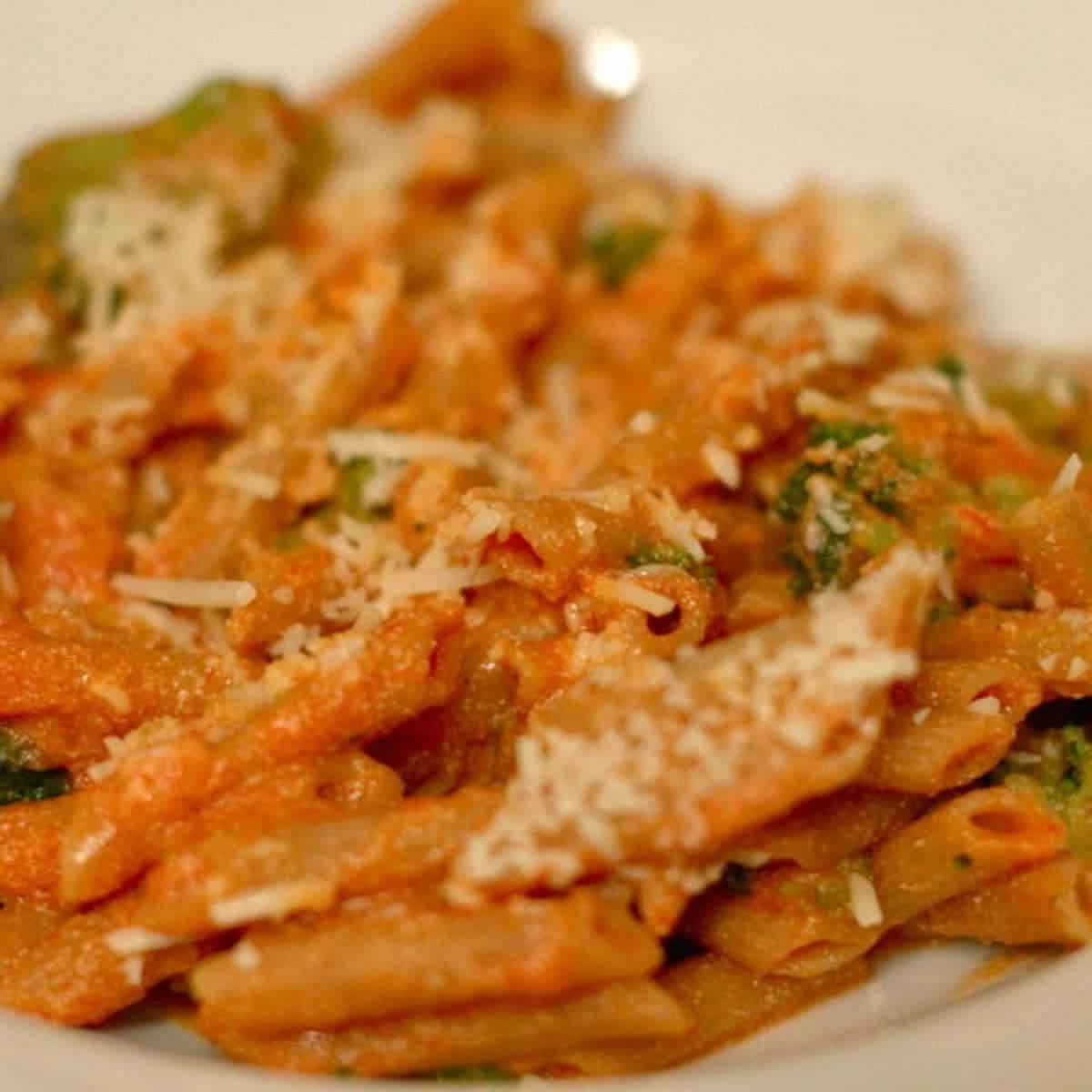
The moment the sauce hit the pan, a sizzling chorus erupted that sounded like a tiny applause from the stove itself. The aroma of caramelized garlic and sweet tomatoes swirled with the earthy perfume of fresh broccoli, while the ricotta whispered promises of creamy decadence. I could see the bright red sauce clinging to the pasta like velvet, the broccoli florets turning a glossy emerald, and the ricotta speckles melting into glossy ribbons. My taste buds were already doing a happy dance, and the whole kitchen felt like a warm, bustling Italian trattoria on a rainy evening.
What makes this version stand out is not just the ingredients, but the method that transforms ordinary pantry staples into a symphony of flavors. Most recipes get the broccoli timing wrong, either overcooking it into mush or leaving it crunch‑hard; I’ve cracked the code with a quick blanch‑then‑sauté technique that preserves that perfect bite. And there’s a secret player in the sauce—a splash of pasta water that turns the mixture into a glossy, cling‑on sauce that coats each noodle like a lover’s embrace. I dare you to taste this and not go back for seconds.
Let me walk you through every single step — by the end, you’ll wonder how you ever made it any other way. Okay, ready for the game‑changer? This next part? Pure magic. Stay with me here — this is worth it.
What Makes This Version Stand Out
- Flavor Fusion: The sweet acidity of tomatoes meets the buttery richness of ricotta, creating a sauce that’s both bright and comforting.
- Texture Harmony: Crisp‑tender broccoli contrasts with al dente pasta, while the ricotta adds a silk‑smooth finish.
- Simplicity: Fewer than ten core ingredients, yet each one shines like a soloist in an orchestra.
- Uniqueness: The addition of a quick broccoli blanch preserves its vivid color and nutrients, a step most recipes skip.
- Crowd Reaction: Even picky eaters gasp at the first bite, often asking for the “secret” ingredient.
- Ingredient Quality: Fresh, ripe tomatoes and high‑fat ricotta elevate the dish from everyday to unforgettable.
- Cooking Method: The sauce finishes with pasta water, a technique that binds flavor and ensures every strand is drenched.
- Make‑Ahead Potential: You can prep the sauce and broccoli ahead of time; the final assembly takes minutes.
Alright, let's break down exactly what goes into this masterpiece...
Inside the Ingredient List
The Flavor Base
First up, the tomatoes. I use crushed canned San Marzano tomatoes because they bring a natural sweetness and low acidity that balances the ricotta’s richness. If you skip the tomatoes, you lose that bright, tangy backbone that makes the sauce sing. A good swap is fresh plum tomatoes, peeled and crushed, but expect a slightly thinner sauce unless you simmer longer.
The Texture Crew
Broccoli is the star of texture. Its florets, when blanched just right, stay firm enough to give a satisfying snap, yet soft enough to absorb the sauce. If you replace broccoli with cauliflower, you’ll get a milder flavor and a different bite—still good, but not the same green punch. When selecting broccoli, look for tight, dark green crowns; the tighter the bud, the sweeter the taste.
The Unexpected Star
Ricotta cheese is the unexpected hero. Its creamy, slightly sweet profile mellows the acidity of the tomatoes and adds a luxurious mouthfeel. Using low‑fat ricotta will make the sauce watery; I recommend full‑fat ricotta for that melt‑in‑your‑mouth texture. If ricotta isn’t on hand, substitute with mascarpone or a blend of cream cheese and Greek yogurt for a similar richness.
The Final Flourish
Olive oil, garlic, and a pinch of red pepper flakes bring depth and a whisper of heat. The oil acts as a flavor carrier, while garlic provides aromatic backbone. Skip the red pepper flakes and you’ll miss the subtle kick that wakes up the palate. For a smoky twist, swap the flakes for a dash of smoked paprika.
Everything's prepped? Good. Let's get into the real action...
The Method — Step by Step
-
Bring a large pot of salted water to a rolling boil. Once you see those vigorous bubbles, add the pasta—preferably penne or rigatoni—so the sauce can cling to the ridges. Cook for 2 minutes less than the package instructions; this “al dente” finish will finish cooking in the sauce later, absorbing all those flavors. Tip: Stir the pasta right after adding it to prevent sticking.
Kitchen Hack: Save a cup of the pasta water before draining; you’ll need it to emulsify the sauce later. -
While the pasta cooks, bring a separate pot of water to a boil, add a generous pinch of salt, and drop in the broccoli florets. Blanch for exactly 2 minutes—just enough to turn them a vivid emerald and keep that satisfying crunch. Immediately transfer the broccoli to an ice‑water bath (the secret I mentioned earlier) to halt cooking. Drain and set aside.
-
Heat 2 tablespoons of olive oil in a large skillet over medium heat. Add the minced garlic and diced onion, letting them sizzle until the onions turn translucent and the garlic releases a golden perfume. This should take about 3‑4 minutes; you’ll know it’s ready when the edges start pulling away from the pan.
Watch Out: Keep the heat moderate; burnt garlic will give a bitter bite that ruins the entire sauce. -
Stir in the crushed tomatoes, followed by a pinch of red pepper flakes. Let the mixture simmer gently, allowing the flavors to meld and the sauce to thicken. This simmer should be about 8‑10 minutes, stirring occasionally. You’ll notice the sauce darkening and the aroma deepening—this is the flavor base building its foundation.
-
Now, fold in the ricotta cheese, breaking it up with a wooden spoon until it melts into the tomato base, creating a silky, pink‑tinged sauce. At this stage, season with salt and freshly cracked black pepper to taste. The sauce should look glossy and coat the back of a spoon.
-
Drain the pasta, reserving that golden cup of pasta water. Toss the pasta directly into the skillet with the sauce, adding the broccoli florets as well. Pour in about half of the reserved pasta water and stir vigorously. The starchy water will bind everything together, creating that coveted cling‑on sauce.
Kitchen Hack: If the sauce looks too thick, add a splash more pasta water until you achieve a silky consistency. -
Finish the dish with a generous handful of grated Parmesan and a drizzle of extra‑virgin olive oil. Toss once more, letting the cheese melt into the sauce and the oil add a final sheen. The dish should smell like a sun‑kissed Italian garden.
-
Plate the pasta in shallow bowls, garnish with fresh torn basil leaves, and serve immediately. The steam rising from the plate should carry the aroma of tomatoes, ricotta, and a hint of garlic—an invitation you simply can’t refuse. Picture yourself pulling this out of the oven, the whole kitchen smelling incredible… and then diving in.
That's it — you did it. But hold on, I've got a few more tricks that'll take this to another level...
Insider Tricks for Flawless Results
The Temperature Rule Nobody Follows
Never add the ricotta over high heat. A gentle medium flame allows the cheese to melt without curdling, preserving that smooth texture. I once cranked the heat and ended up with a grainy sauce that looked like curdled milk—definitely not the vibe we’re after. Keep the heat moderate, and the sauce will stay luxuriously creamy.
Why Your Nose Knows Best
When the sauce begins to simmer, trust your nose more than the timer. You’ll notice a sweet, caramelized scent as the tomatoes break down; that’s the cue that the sauce is ready to receive the ricotta. If you’re still smelling raw tomatoes, give it another minute. This sensory checkpoint is the difference between a flat sauce and a depth‑filled masterpiece.
The 5‑Minute Rest That Changes Everything
After tossing everything together, remove the pan from the heat and let the pasta rest for five minutes. This brief pause lets the pasta absorb the sauce, creating a harmonious blend where every bite is uniformly flavored. Skipping this step is like serving a song before the chorus—still good, but you miss the climax.
Salt Timing is a Myth
Season the pasta water heavily; it’s the first layer of flavor. Then, taste the sauce before adding more salt because the ricotta already carries a natural salty tang. I’ve seen cooks add a mountain of salt at the end, only to end up with a dish that overwhelms the palate. Balance is key.
Cheese Finish, Not Mix‑In
Reserve a small amount of Parmesan to sprinkle on top just before serving. This adds a sharp, nutty contrast that lifts the dish from creamy to complex. If you mix all the cheese in, you lose that final burst of flavor that makes each bite exciting.
Creative Twists and Variations
This recipe is a playground. Here are some of my favorite ways to switch things up:
Spicy Sausage Kick
Add sliced Italian sausage to the skillet after the onions are translucent. The sausage brings a smoky, meaty depth that pairs beautifully with the ricotta’s creaminess. Great for a heartier dinner when you need extra protein.
Lemon‑Zest Brightness
Stir in the zest of one lemon just before serving. The citrus lifts the sauce, adding a fresh, tangy pop that cuts through the richness. Ideal for spring evenings when you want something light yet satisfying.
Vegan Velvet
Swap ricotta for a blend of silken tofu and nutritional yeast, and use olive‑oil‑based pasta. The sauce stays creamy, and the nutritional yeast adds a cheesy umami note. Perfect for a plant‑based crowd.
Roasted Red Pepper Swirl
Blend a roasted red pepper and fold it into the tomato base for a sweet, smoky undertone. The color deepens, and the flavor becomes more complex—like a Mediterranean sunset in a bowl.
Herbaceous Delight
Replace basil with fresh thyme and oregano for an earthy, herb‑forward profile. This variation works wonderfully in cooler months when you crave comforting aromas.
Cheesy Crust Finish
After plating, sprinkle extra Parmesan and place the bowls under a broiler for 1‑2 minutes until the cheese forms a golden crust. The contrast of crunchy cheese on top of silky pasta is pure indulgence.
Storing and Bringing It Back to Life
Fridge Storage
Transfer leftovers to an airtight container and store in the refrigerator for up to 3 days. The sauce may thicken as it cools; simply reheat gently on the stove and add a splash of water to loosen it.
Freezer Friendly
Cool the pasta completely, then portion into freezer‑safe bags, removing as much air as possible. Freeze for up to 2 months. When ready, thaw overnight in the fridge and reheat with a drizzle of olive oil and a splash of water.
Best Reheating Method
Reheat on the stovetop over low heat, stirring constantly. Add a tiny splash of water or broth before heating; the steam will bring the sauce back to its original silky texture without drying out the pasta.