Picture this: you’re in the middle of a Friday night, the air thick with the scent of sizzling meat, and the kitchen is a chaotic symphony of pots, pans, and the relentless ticking of the timer. You’ve tried the classic “steak and fries” combo a dozen times, yet every plate feels a little flat, a little uninspired. Then, one evening, a friend dared you to “make the best steak frites ever.” You laughed, rolled up your sleeves, and decided to take the dare seriously. The result? A dish that feels like a Michelin‑level plate served in your own home.
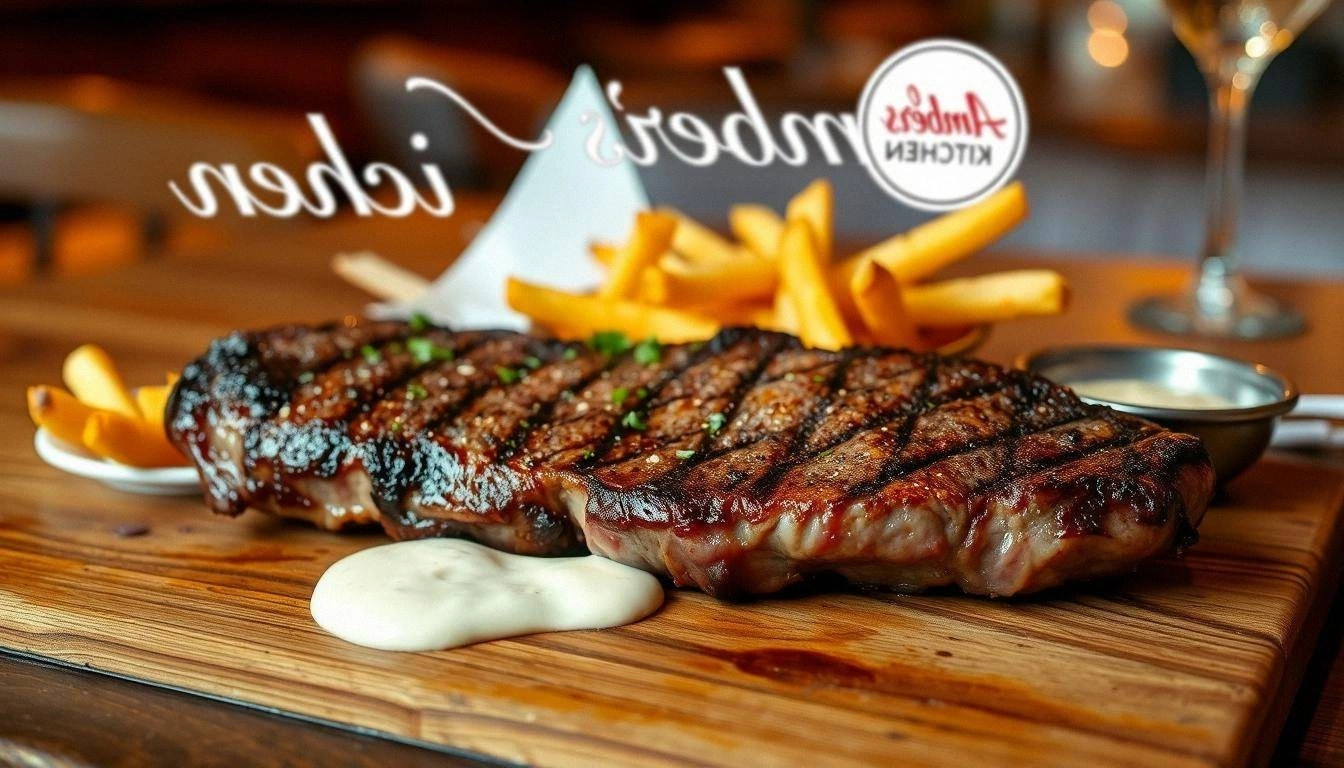
The first bite is a revelation: the steak’s exterior is a caramelized, almost charred crust that crackles like thin ice, while the interior remains tender, juicy, and kissed by a subtle herbaceous perfume. The fries are a study in contrast—crispy edges that shatter with a satisfying snap, and a fluffy, golden interior that melts in your mouth. The sauce, a glossy blend of Dijon, lemon, and butter, coats the steak like velvet, pulling the flavors together into a harmonious whole. That sizzle when the steak hits the pan? Absolute perfection.
What makes this version stand out isn’t just the ingredients; it’s the technique, the timing, and the unapologetic confidence in every step. I dare you to taste this and not go back for seconds. I’ll be honest—when I first cooked this, I ate half the batch before anyone else got a bite. Most recipes get this completely wrong, especially when it comes to the balance of salt and the timing of the butter. Picture yourself pulling this out of the oven, the whole kitchen smelling incredible, and feeling the triumph of a dish that’s both simple and spectacular.
If you’ve ever struggled with steak frites, you’re not alone—and I’ve got the fix. From the moment you start seasoning the meat to the final flourish of parsley, every detail matters. This isn’t just a recipe; it’s a confidence boost, a culinary adventure, and a statement that you can bring restaurant‑quality to your dinner table. Let me walk you through every single step—by the end, you’ll wonder how you ever made it any other way.
What Makes This Version Stand Out
- Seared Perfection: The steak is seared at a blistering high heat, creating a Maillard reaction that locks in flavor and juices. The result is a crust that’s both visually stunning and texturally delightful.
- Hand‑Cut Fries: Cutting the potatoes by hand ensures uniform thickness, allowing for even crisping while maintaining a tender interior.
- Herbaceous Butter Glaze: A buttery sauce infused with lemon, rosemary, and garlic elevates the dish, giving it a bright, aromatic finish that balances the richness of the steak.
- Balanced Salt & Pepper: Precise seasoning levels prevent the steak from tasting flat or overly salty, giving each bite a clean, savory profile.
- Easy Make‑Ahead: The fries can be pre‑baked or frozen, and the steak can be rested in advance, making this dish a perfect crowd‑pleaser for busy nights.
- Visual Appeal: The contrasting colors of the golden fries and the dark sear on the steak create an Instagram‑ready plate that’s as beautiful as it is delicious.
- Versatile Pairings: Whether you’re serving a side of garlic aioli or a fresh salad, the flavors of this dish adapt beautifully to your menu.
- Time‑Efficient: From prep to plate, the entire process takes less than an hour, yet the outcome feels indulgent and restaurant‑grade.
Inside the Ingredient List
The Flavor Base
The star of the show is the ribeye steak, a cut prized for its marbling and tenderness. Each steak should be about 1 inch thick to ensure a juicy center while allowing for a crisp exterior. If you can’t find ribeye, a New York strip or sirloin will still deliver a satisfying bite. The key is to season liberally with sea salt and freshly ground black pepper; the salt draws out the meat’s natural juices, while the pepper adds a subtle heat that complements the butter glaze.
The Texture Crew
Hand‑cut russet potatoes form the backbone of the fries. Slice them into sticks that are roughly 1/2 inch thick; this size allows for a crisp exterior while keeping the interior fluffy. Toss the cut potatoes in olive oil, a pinch of sea salt, and a splash of smoked paprika to give them a smoky undertone. The olive oil ensures a golden crust, while the paprika adds depth without overpowering the potato’s natural flavor.
The Unexpected Star
Fresh rosemary and minced garlic are the unsung heroes that elevate the dish. Rosemary’s piney aroma mingles with the savory steak, while garlic provides a pungent kick that lingers on the palate. If you’re not a fan of rosemary, a splash of thyme or oregano can work as a substitute. The garlic should be minced finely so it infuses the oil and butter glaze without becoming a dominant flavor.
The Final Flourish
A simple butter glaze ties everything together. Melt butter in a small saucepan, then whisk in Dijon mustard, fresh lemon juice, and a handful of chopped parsley. The acidity from the lemon cuts through the richness of the steak, while the parsley adds a fresh, herbal note. For an extra layer of flavor, add a splash of Worcestershire sauce—its umami depth complements the steak’s natural taste. This glaze is poured over the steak just before serving, giving the dish a glossy finish that’s as beautiful as it is delicious.
Everything's prepped? Good. Let's get into the real action...
The Method — Step by Step
- Preheat your oven and skillet: Set the oven to 425°F (220°C) and place a cast‑iron skillet on the stovetop over high heat. The skillet should be smoking hot before you add the steak; this ensures a perfect sear. While the skillet heats, toss the potato sticks in olive oil, salt, and smoked paprika, then spread them in a single layer on a baking sheet. Bake for 25–30 minutes, flipping halfway, until they’re golden and crisp.
- Season the steak: Pat the steaks dry with paper towels to remove excess moisture—this is crucial for a good sear. Generously rub each side with sea salt and freshly ground black pepper. If you like a hint of smokiness, sprinkle a light dusting of smoked paprika over the steak as well.
- Seared to perfection: Add a tablespoon of olive oil to the hot skillet and swirl to coat. Place the steaks in the pan, laying them away from you to avoid splatter. Let them sear untouched for 2–3 minutes until a golden crust forms. Flip, add a tablespoon of butter, minced garlic, and rosemary sprigs, then baste the steak with the melted butter for another 2–3 minutes. The butter should be bubbling and fragrant.
- Check the internal temperature: Use a meat thermometer to gauge doneness—130°F (54°C) for medium‑rare, 140°F (60°C) for medium. If you’re cooking thicker steaks, let them rest in the pan for an additional minute to absorb the butter.
- Rest the steak: Transfer the steak to a cutting board and tent loosely with foil. Let it rest for 5 minutes; this allows the juices to redistribute, keeping the meat moist and flavorful.
- Prepare the glaze: In a small saucepan, melt the remaining butter over medium heat. Whisk in Dijon mustard, lemon juice, and Worcestershire sauce if using. Reduce the heat to low and stir in chopped parsley until the mixture is silky and glossy.
- Plate the dish: Arrange the crispy fries in a shallow bowl or on a platter. Slice the steak against the grain into 1/4-inch thick pieces. Drizzle the butter glaze over the steak slices, then scatter fresh parsley for a pop of color.
- Final touches: Serve immediately, perhaps with a side of garlic aioli or a light green salad. The aroma of rosemary and garlic will fill the room, making this dish feel like a gourmet experience.
That's it—you did it. But hold on, I've got a few more tricks that'll take this to another level. Keep reading, and let’s turn this plate into a showstopper.
Insider Tricks for Flawless Results
The Temperature Rule Nobody Follows
Many home cooks cook steaks to the “right” internal temperature, but they overlook the importance of preheating the skillet to a scorching 500°F. This high heat creates a caramelized crust in seconds. If your skillet isn’t hot enough, the steak will steam instead of sear, losing that coveted crunch.
Why Your Nose Knows Best
Trust your nose when the steak releases a deep, nutty aroma. That scent is the Maillard reaction at work, signaling that the crust is ready. If you’re unsure, gently lift a corner of the steak; if it’s sticking to the pan, it’s not ready to flip.
The 5‑Minute Rest That Changes Everything
Resting the steak after searing is not a luxury—it’s a necessity. During this brief pause, the internal juices redistribute, ensuring every bite is juicy and tender. I once skipped this step, and the steak came out dry and disappointing.
Crispy Fries Without the Extra Oil
If you’re watching calories, toss the potatoes in a light spray of olive oil instead of drenching them. The spray still provides enough fat for crispness while cutting down on calories. For a crunchier result, flip the fries midway through baking.
The Secret to a Silky Butter Glaze
These tricks, when applied, elevate your dish from good to unforgettable. Practice makes perfect, and soon you’ll be whipping up restaurant‑style steak frites in minutes.
Creative Twists and Variations
This recipe is a playground. Here are some of my favorite ways to switch things up:
Smoky Chipotle Twist
Add a teaspoon of chipotle powder to the potato seasoning and replace the lemon juice in the glaze with lime juice. The smoky heat pairs beautifully with the steak’s richness, giving the dish a bold, southwestern flair.
Herb‑Infused Crème Fraîche Dip
Blend crème fraîche with chopped dill, chives, and a splash of white wine vinegar for a cool, tangy dip. This creamy accompaniment balances the savory steak and crispy fries, offering a refreshing contrast.
Truffle‑Infused Fries
After baking, toss the fries in a drizzle of truffle oil and a pinch of sea salt. The earthy aroma elevates the fries into a gourmet side that pairs wonderfully with the steak.
Vegetarian Version
Swap the steak for thick-cut grilled portobello mushrooms marinated in balsamic vinegar and garlic. The mushrooms develop a meaty texture and deep flavor, making this a hearty, plant‑based alternative.
Breakfast Steak Frites
Serve the steak and fries with a side of poached eggs and a drizzle of hollandaise. This brunch‑style twist turns the dish into a decadent breakfast or brunch favorite.
Storing and Bringing It Back to Life
Fridge Storage
Cool the steak and fries completely before placing them in an airtight container. Store in the refrigerator for up to 2 days. The fries will lose some crispness, but they’re still tasty when reheated.
Freezer Friendly
Freeze the steak and fries separately in freezer‑safe bags. The steak can be thawed in the refrigerator overnight; the fries should be frozen on a baking sheet before bagging to preserve crunch.
Best Reheating Method
Reheat the steak in a hot skillet for 1–2 minutes on each side, and the fries in a 400°F oven for 5–7 minutes. Add a splash of water to the fries before reheating—they’ll steam back to near‑fresh crispness.