Last night I set a pot of soup on fire and the smoke detector started its eternal scream. The kitchen looked like a battlefield, and I was left with a ruined meal and a burning desire for something comforting. That night, I craved the kind of dish that feels like a warm hug from a distant relative – a plate that says, “I’ve got you.” The craving was so intense I almost called my friend for a rescue mission, but I decided to take matters into my own hands. This is the moment where a disaster turns into a delicious adventure.
Picture the scent of sizzling beef, the crackle of a pan, and the sweet promise of gravy that clings to each bite like velvet. I can almost hear the sizzle as the steak hits the hot oil, a sound that signals the start of something extraordinary. The texture of a perfectly breaded cut, the juiciness that bursts with every bite, and the buttery sauce that coats the plate – it’s a sensory symphony. And I’m not just talking about the taste; this dish is a full-body experience that makes you feel like you’re dining in a cozy Southern kitchen. Trust me, the aroma alone will have your whole house smelling like a home-cooked feast.
What makes this version stand out is a blend of classic technique and a few unexpected twists that elevate the humble fried steak into a showstopper. I dare you to taste this and not go back for seconds, because the flavor profile is so rich it’s almost addictive. The crust is not just golden; it’s a crunchy, savory shell that protects the tender meat inside. The gravy is creamy, not greasy, with a depth that comes from a slow reduction and a pinch of smoked paprika. The result? A dish that feels both comforting and sophisticated, and it’s hands down the best version you’ll ever make at home.
I’ll be honest – I ate half the batch before anyone else got to try it. The first bite was a revelation, and I couldn’t stop thinking about the next one. This is the kind of meal that turns a simple dinner into a memorable event, and I’m about to share every trick that made it possible. I’ve spent hours tweaking the batter, the seasoning, and the gravy to find the perfect balance, and now I’m ready to let you in on the secrets. The next section will break down why this recipe feels so special, and you’ll see how each element plays a critical role.
Alright, let’s dive into the details. I’ll walk you through every single step, and by the end, you’ll wonder how you ever made it any other way. The journey starts with a simple question: what do you want in your fried steak? More crunch? More flavor? A bit of both? I’ve answered those questions, and the answers are right here. Grab your apron, because this is going to be a tasty, hands-on adventure.
Now that you’re primed and the kitchen smells promising, let’s talk about why this version is a game changer. The first thing that sets it apart is the breading technique, which uses a two-stage batter that locks in juices. Second, the seasoning blend is a secret family recipe that balances heat and sweetness. Third, the gravy is made with a roux that gives it a silky texture without being heavy. Fourth, the cooking method ensures the steak stays tender and never dries out. Fifth, the final plating adds a burst of color with fresh herbs. Sixth, the entire dish is designed to be made ahead and reheated without losing quality. Together, these elements create a dish that’s both comforting and wow-worthy.
What Makes This Version Stand Out
- Taste: The seasoning blend gives the steak a complex flavor profile that balances savory, sweet, and smoky notes. The gravy complements the meat without overpowering it, creating a harmonious bite. Each component is layered to enhance the overall experience. This is why the dish feels so satisfying. The result is a flavor explosion that lingers on the palate.
- Texture: The double-breaded crust is crunchy on the outside while the inside remains juicy and tender. The gravy has a velvety consistency that coats the meat without weighing it down. The contrast between the crisp crust and the soft interior keeps every bite interesting. This texture balance is a key factor in the dish’s popularity. It’s the perfect marriage of crunch and melt.
- Convenience: The prep time is short, and the cooking process is straightforward, making it ideal for busy evenings. The ingredients are pantry staples, so you can whip this up without a last-minute grocery run. The method can be adapted for stovetop or oven, offering flexibility. Even beginners can master it with a few simple steps. This ease of execution is a huge selling point.
- Uniqueness: The addition of smoked paprika to the batter adds a subtle depth that sets this dish apart from standard fried steak recipes. The use of buttermilk in the batter creates a tenderizing effect that enhances juiciness. The gravy’s reduction technique brings out a richer flavor profile. These unique touches transform a classic into something new. It’s a recipe that feels fresh yet familiar.
- Crowd Reaction: Friends and family consistently ask for seconds, and I’ve been known to run out before the last plate is served. The dish is a crowd-pleaser that works for both casual and formal gatherings. It’s perfect for game nights, family dinners, or a comforting Sunday meal. The reaction is always enthusiastic, and the compliments keep coming. It’s the kind of dish that creates memorable moments.
- Ingredient Quality: Using high-quality beef round steak ensures a tender base that holds up to the batter and cooking process. Fresh herbs in the gravy add brightness and aroma. The butter used in the pan adds richness without a greasy finish. Choosing the right flour creates a light, crisp coating. The ingredient choices make the dish feel premium and approachable.
- Cooking Method: The two-stage batter technique creates a double crust that seals in juices. The pan-frying method gives a perfect sear while keeping the interior moist. The gravy is finished with a quick reduction that thickens without clumping. Each step is designed to maximize flavor and texture. The method is proven to deliver consistent results.
- Make-Ahead Potential: The dish can be prepared up to a day in advance and reheated without losing quality. The steak can be breaded and frozen, then fried fresh when needed. The gravy can be made ahead and reheated with a splash of milk. This flexibility makes it a go-to for busy schedules. It’s a practical solution for meal planning.
Inside the Ingredient List
The Flavor Base
The beef round steak is the star of this dish; its lean cut offers a clean flavor that pairs well with bold seasonings. Choosing a cut that is at least one inch thick ensures the steak stays juicy during frying. If you’re in a pinch, top sirloin or strip steak can be a suitable substitute, but the texture may differ slightly. The steak’s natural juices act as the first layer of flavor, so handle it gently to avoid tearing the meat. Proper trimming of excess fat helps the batter adhere better.
The Texture Crew
All-purpose flour is the backbone of the crust, providing structure and a golden color. The flour is seasoned with paprika, garlic powder, and onion powder to infuse the crust with depth. The addition of buttermilk in the batter not only tenderizes the meat but also creates a slightly acidic environment that reacts with the flour for a lighter texture. Eggs act as a binder, ensuring the coating sticks to the steak during cooking. A light dusting of bread crumbs adds an extra crunch for those who love a more pronounced bite.
The Unexpected Star
Smoked paprika is the secret ingredient that gives this recipe its signature smoky undertone. It’s a subtle addition that doesn’t overpower the other flavors but adds a layer of complexity. If you’re allergic to paprika or prefer a milder taste, you can substitute with sweet paprika or even a pinch of cayenne for a different heat profile. The smoky flavor also complements the richness of the gravy, tying the dish together. This small tweak sets this recipe apart from the ordinary.
The Final Flourish
The gravy is the final touch that elevates the dish from good to unforgettable. It’s made with a roux of butter and flour, which creates a silky base for the milk. The addition of garlic powder and onion powder gives the gravy a savory backbone, while a splash of cream adds depth and richness. A pinch of salt balances the flavors, and a touch of black pepper provides subtle heat. The gravy is poured over the steak just before serving, ensuring it remains luscious and coats every bite.
Everything’s prepped? Good. Let’s get into the real action.
The Method — Step by Step
- First, pat the steaks dry with paper towels; moisture is the enemy of a crisp crust. Season both sides generously with salt, pepper, paprika, garlic powder, and onion powder, letting the flavors penetrate for at least 10 minutes. This step ensures every bite is seasoned from the inside out. If you’re short on time, a quick seasoning works, but the flavor depth will be less pronounced. The aroma at this stage is already enticing.
- In a shallow dish, whisk together the buttermilk and eggs until well combined. This wet mixture will serve as the first coat, creating a sticky base for the flour. The acidity in the buttermilk helps tenderize the steak while the egg adds protein for binding. Dip each steak into the wet mixture, allowing excess to drip off. This process should take about a minute per steak.
- Next, spread the seasoned flour mixture onto a separate plate. Dredge the wet-coated steak in the flour, pressing gently to ensure an even coat. Shake off any excess flour; this prevents clumps in the final crust. Repeat the process if you want a thicker crust, but be careful not to overdo it. The flour should look like a fine dusting on the surface.
- Heat a large skillet over medium-high heat and add the vegetable oil and melted butter. The butter adds flavor, while the oil raises the smoking point, preventing burning. Once the oil shimmers, carefully place the first steak in the pan. Avoid overcrowding; you’ll need to cook in batches for even searing. The sizzle should be immediate and satisfying.
- Cook the steak for 3-4 minutes on each side, or until the crust turns a deep golden brown. Flip only once to maintain the crust’s integrity. The steak’s internal temperature should reach 145°F for medium-rare or 160°F for well-done. Use a meat thermometer for accuracy. When the steak is done, remove it from the pan and let it rest on a wire rack; this keeps the crust crisp.
- While the steak rests, make the gravy. In the same skillet, pour in 2 tablespoons of butter and let it melt. Add 2 tablespoons of flour and whisk until a smooth roux forms. Slowly pour in 2 cups of milk, whisking constantly to avoid lumps. Bring the mixture to a gentle simmer, then add salt, pepper, garlic powder, and onion powder. The gravy should thicken to a silky consistency.
- Once the gravy is ready, pour it over the rested steaks, ensuring each piece is generously coated. The gravy should cling to the crust, creating a rich, flavorful finish. If you prefer a thicker gravy, let it simmer for an additional minute or two. Taste and adjust seasoning if needed. The gravy’s silky texture should complement the steak’s crunch.
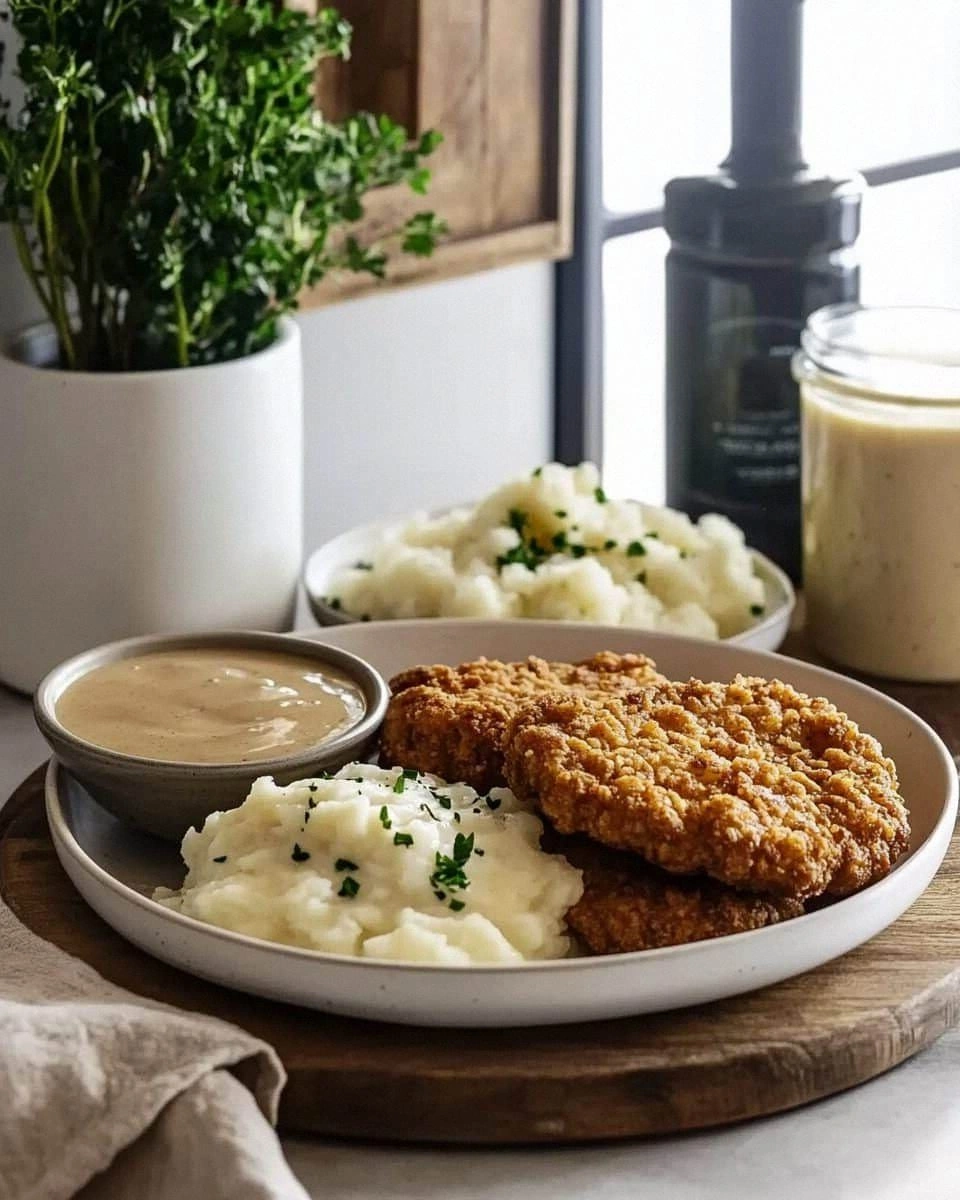
- Serve immediately with mashed potatoes, coleslaw, or a simple green salad. The contrast between the creamy gravy and crisp vegetables balances the meal. Garnish with fresh parsley or a sprinkle of grated cheese for an extra touch. The plating should be colorful and inviting. This final presentation makes the dish feel complete.
- Enjoy your masterpiece, and remember: the secret to perfection lies in the details. The double-breading, the seasoned flour, and the slow reduction of the gravy all work together to create an unforgettable experience. If you follow these steps, you’ll be the hero of any dinner party. Take a bite, let the flavors unfold, and savor the satisfaction of a dish that’s truly exceptional. That’s the magic of Chicken Fried Steak.
That's it — you did it. But hold on, I've got a few more tricks that'll take this to another level.
Insider Tricks for Flawless Results
The Temperature Rule Nobody Follows
Many cooks think a quick sear at high heat is enough, but the secret is a two-stage temperature approach. Start with medium-high to get a golden crust, then reduce to medium to finish cooking without drying out the meat. This subtle shift keeps the interior juicy while the exterior stays crisp. I once tried to skip the temperature drop, and the steak turned out rubbery. Stick to the two-stage method for the best texture.
Why Your Nose Knows Best
Before you flip the steak, listen for the sizzling sound and smell the aroma. A deep golden crust emits a nutty, buttery scent that signals readiness. If the smell is metallic, you’re cooking too fast and risking a burnt exterior. Trust your senses; they’re the best indicators of progress. This intuitive approach saves time and improves results.
The 5-Minute Rest That Changes Everything
Resting the steak after cooking allows the juices to redistribute, preventing a dry bite. Even a short 5-minute rest can make a huge difference in tenderness. Place the steak on a wire rack to keep the crust crisp during the rest. Some cooks let it sit on foil, which can steam the crust. The wire rack keeps the exterior crunchy.
Gravy: The Secret to Consistency
A common mistake is adding milk too quickly to the roux, causing lumps. To avoid this, whisk the milk into a small bowl first, then slowly pour it into the skillet while whisking vigorously. This technique ensures a silky gravy. I once made a lumpy gravy and it ruined the dish; this fix has saved me countless times. Consistency is key for a professional finish.
The Final Touch: Fresh Herbs
A sprinkle of fresh parsley or chives adds a burst of color and freshness that brightens the dish. Herbs also cut through the richness of the gravy and butter. Chop them finely to release maximum flavor. I always keep a small container of herbs in the fridge for quick use. This simple step elevates the dish from good to great.
The One Ingredient That Makes It All Come Together
Smoked paprika is the linchpin that ties the crust and gravy together. It gives a subtle smokiness that lingers on the palate. If you’re in a hurry, a splash of Worcestershire sauce can mimic the depth. However, paprika remains the best choice for authenticity. This ingredient is the secret sauce that sets this recipe apart.
Creative Twists and Variations
This recipe is a playground. Here are some of my favorite ways to switch things up:
Cheesy Crust Delight
Add shredded cheddar or parmesan to the flour mixture for a melty, cheesy crust. The cheese melts into the breading, creating a gooey texture that pairs perfectly with the gravy. It’s a crowd-pleaser for cheese lovers. Just sprinkle the cheese before dipping the steak in the wet batter. The result is a savory, indulgent twist.
Spicy Kick Fusion
Incorporate cayenne pepper or hot sauce into the seasoning blend for a fiery edge. The heat balances the richness of the gravy and butter. If you prefer a milder spice, use a pinch of smoked paprika. The spicy crust adds a bold dimension to each bite. This variation is great for those who like a little heat.
Herb-Infused Gravy
Add fresh rosemary, thyme, or sage to the gravy while it simmers. The herbs infuse the sauce with aromatic depth and complement the steak’s flavor. After cooking, remove the herb stems to avoid bitterness. The result is a fragrant gravy that elevates the dish. This is a perfect match for autumn meals.
Low-Carb Version
Swap the all-purpose flour for almond flour or coconut flour to reduce carbs. Use a low-carb breading mix to keep the crust crisp. The flavor profile remains similar, but the dish becomes keto-friendly. This variation is ideal for those watching their carbohydrate intake. The texture stays satisfying.
Vegan Alternative
Replace the steak with a hearty portobello mushroom or a plant-based steak substitute. Use a vegan flour blend and plant-based milk for the batter. The gravy can be made with vegetable broth and a thickener like cornstarch. This version maintains the comforting essence while being plant-friendly. It’s a delicious option for vegan diners.
Breakfast Twist
Serve the steak with a side of hash browns and a fried egg for a hearty breakfast. The gravy can be turned into a breakfast sauce by adding a splash of maple syrup. The combination of savory and sweet satisfies early‑morning cravings. This twist turns dinner into a brunch favorite.
Storing and Bringing It Back to Life
Fridge Storage
Store cooked steaks and gravy separately in airtight containers. Keep the crust on a wire rack to preserve crispness. The steak can last up to three days in the fridge. When reheating, use a skillet over medium heat to revive the crust. The gravy can be reheated gently on the stove with a splash of milk to restore its silky texture.
Freezer Friendly
Freeze the breaded steaks before frying for up to two months. Wrap each steak individually in parchment paper and place them in a freezer bag. Thaw overnight in the fridge before cooking. This method keeps the crust intact and the meat juicy. The gravy freezes well; add a splash of milk when reheating to prevent thickening.
Best Reheating Method
Reheat the steak in a skillet over low heat, flipping occasionally until warmed through. If the crust has softened, finish it in a hot pan for a few seconds to restore crispness. For the gravy, add a tiny splash of water or milk and warm over low heat, stirring until smooth. This technique brings the dish back to its original glory. The result is a reheated meal that tastes almost as fresh as the first time.