Picture this: a quiet Sunday afternoon, the kitchen lights dimmed, and the scent of sautéing onions drifting through the air. I was trying to make a quick dinner when the pot on the stove started to sputter, the rice turned into a stubborn, clumpy mess, and my patience ran thinner than the broth. I stared at the ruined risotto, feeling the sting of disappointment, and then I whispered, “I’ll never make another mistake with this.” That single moment sparked a quest to find the ultimate mushroom risotto that would rescue my culinary confidence.
The kitchen was alive with sound: the gentle hiss of butter melting, the rhythmic clatter of a wooden spoon against the pot, and the soft crunch of fresh mushrooms as they met the heat. The air was thick with earthy aromas, a deep, umami whisper that made my mouth water before the first bite even touched my tongue. When I finally lifted the ladle, the rice glistened like polished amber, each grain a tiny, creamy pearl. The first spoonful was a revelation—silky, tender, and bursting with mushroom depth that felt like a hug from the inside out.
What sets this version apart is not just the ingredients but the philosophy behind every step. It’s a recipe that respects the natural flavor of mushrooms, amplifies it with a touch of wine and cheese, and delivers a texture that’s velvety on the inside while still offering a gentle bite. I’ve stripped away the extra fuss and focused on technique—so you can achieve restaurant‑level risotto in a fraction of the time. The result? A dish that’s hands down the best version you’ll ever make at home.
And there’s a secret twist I’ll reveal only after you’ve tasted the first spoon: a splash of lemon zest at the very end that brightens the earthiness and gives the risotto a surprising lift. I dare you to taste this and not go back for seconds. Let me walk you through every single step—by the end, you’ll wonder how you ever made it any other way.
What Makes This Version Stand Out
- Flavor: The combination of fresh mushrooms, white wine, and Parmesan creates a complex, layered taste that feels both comforting and sophisticated.
- Texture: Slow, steady simmering turns Arborio rice into a silky custard that clings to the spoon, while the mushrooms maintain a slight chew.
- Ease: Every ingredient is pantry‑friendly; no fancy tools or obscure spices are needed.
- Time: The entire process takes just 45 minutes from prep to plate, making it ideal for busy week‑nights.
- Versatility: It serves as a main course, side dish, or even a starter—just adjust the portion size.
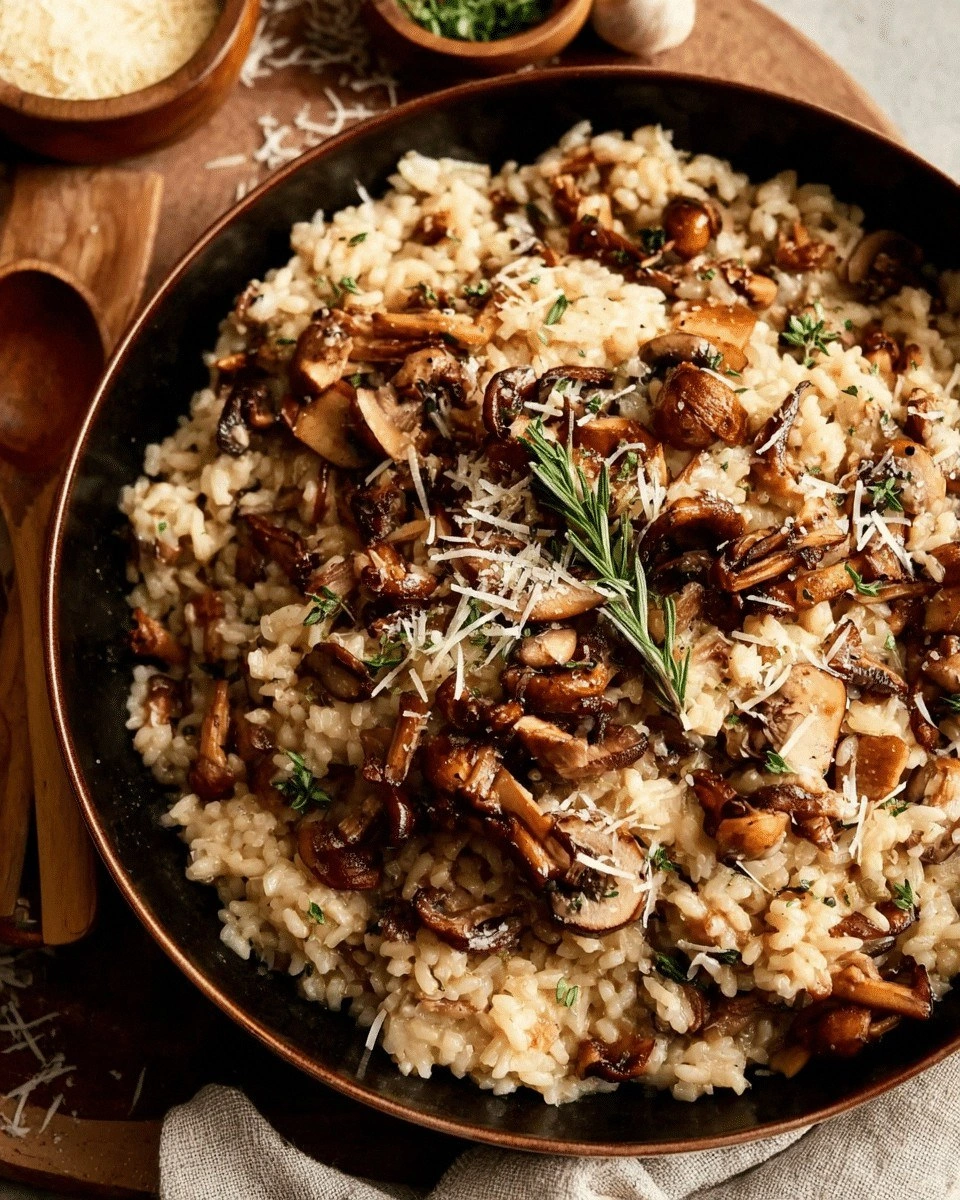
- Visual Appeal: The golden, creamy sauce contrasts beautifully with the earthy brown of the mushrooms, creating an Instagram‑ready dish.
- Crowd‑Pleaser: Even the pickiest eaters can’t resist the comforting, umami‑rich flavor.
- Make‑Ahead Potential: It reheats beautifully, making it a perfect make‑ahead dinner.
Inside the Ingredient List
The Flavor Base
Arborio rice is the heart of any risotto, and its high starch content turns liquid into a creamy sauce. Using 1 ½ cups for four servings ensures each bite is lush and satisfying. Skipping the rice would turn this into a mushy, unstructured dish—don’t do that.
The onion and garlic provide a savory backbone that lifts the earthy mushrooms. Finely diced onion releases sweetness, while minced garlic adds a subtle punch. If you’re allergic, you can omit garlic, but the dish will lose a layer of depth.
The Texture Crew
Mushrooms bring both flavor and texture; I use a mix of shiitake, cremini, and button for complexity. They should be sliced thinly so they cook evenly and release their juices. If you prefer a single type, try porcini for an intense umami hit.
Butter and olive oil work together to create a silky sauce and a slightly crispy edge on the mushrooms. Butter adds richness, while olive oil gives a subtle fruity note. Without butter, the risotto would feel flat and dry.
The Unexpected Star
White wine is not just a garnish—it’s a flavor transformer. A half cup of dry white wine deglazes the pot and infuses the rice with acidity that balances the richness. If you’re not a wine drinker, use a splash of vegetable broth or a touch of apple cider vinegar.
Fresh thyme and parsley add brightness and a hint of herbal freshness. Thyme’s subtle piney notes complement mushrooms, while parsley offers a clean, green finish. If you’re out of thyme, oregano or basil can substitute, though the flavor profile will shift slightly.
The Final Flourish
Parmesan cheese is the crowning glory, adding umami and a creamy texture that coats the rice. Grate it finely so it melts quickly and doesn’t clump. If you’re vegan, a sprinkle of nutritional yeast can mimic the cheesy depth.
Salt and pepper are the seasoning essentials—add them to taste after the rice has absorbed most of the broth. Too much salt early on can make the dish overly salty, so wait until the end. A pinch of pepper adds a subtle heat that balances the richness.
Everything’s prepped? Good. Let’s get into the real action…
The Method — Step by Step
- Heat the olive oil and 1 tablespoon of butter in a large, heavy‑bottomed pan over medium heat. Add the diced onion and a pinch of salt, sautéing until the onion turns translucent and starts to caramelize—about 3 minutes. The aroma should be sweet and buttery, signaling that the base is ready.
- Stir in the minced garlic and cook for 30 seconds until fragrant, being careful not to let it burn. Then add the sliced mushrooms, a splash of salt, and a pinch of pepper. Sauté until the mushrooms release their moisture and it begins to evaporate, creating a golden, slightly crispy edge.
- Pour in the white wine, letting it deglaze the pan and reduce by half—this should take about 2 minutes. The wine’s acidity will lift the earthy flavor of the mushrooms and help the rice absorb liquid more evenly.
- Add the Arborio rice, stirring to coat each grain in the butter and oil. Cook for 2 minutes, allowing the rice to toast lightly and develop a nutty aroma. This step is crucial for the creamy texture.
- Begin ladling the warm vegetable broth, one ladleful at a time, stirring constantly. Wait until each addition is almost fully absorbed before adding the next. This gradual process releases the rice’s starch and creates a luscious, custard‑like sauce.
- When the rice is al dente—soft yet still firm to the bite—add the remaining butter, Parmesan, and thyme. Stir vigorously until the cheese melts and the mixture becomes glossy. The sauce should feel thick enough to coat the spoon without being overly runny.
- Taste and adjust seasoning with salt and pepper. If the risotto feels a bit dry, add a tablespoon of broth or a splash of water. The final consistency should be creamy and slightly loose, ready to be plated.
- Remove from heat, garnish with chopped parsley, and serve immediately. A quick squeeze of lemon zest over the top will brighten the dish and add a subtle citrus note. Enjoy the silky texture and rich flavor that will leave everyone asking for seconds.
That’s it— you did it. But hold on, I’ve got a few more tricks that’ll take this to another level.
Insider Tricks for Flawless Results
The Temperature Rule Nobody Follows
Keep the heat at a steady medium. If the pan gets too hot, the rice will cook unevenly, leading to a gritty texture. A low, consistent temperature allows the starch to release slowly, creating that silky, cohesive sauce we all love.
Why Your Nose Knows Best
Trust your nose during the broth ladle. When the liquid turns a golden amber and the aroma becomes rich and buttery, it’s a sign the rice is ready to absorb more. This sensory cue is more reliable than timing alone.
The 5‑Minute Rest That Changes Everything
Let the risotto sit off the heat for 5 minutes before serving. This short rest allows the flavors to meld and the sauce to thicken slightly, giving each bite a more rounded finish. I’ve seen people skip this step, and the result feels flat.
The Perfect Finish
Finish with a final swirl of butter and a dusting of extra Parmesan. The extra butter adds sheen, while the Parmesan enhances umami. Don’t forget a squeeze of lemon zest to cut through the richness and brighten the overall profile.
The One‑Pot Wonder
Use a single, wide pan to reduce cleanup. A large, heavy‑bottomed skillet distributes heat evenly, ensuring consistent cooking. If you’re using a non‑stick pan, be mindful of the heat to avoid sticking.
The Secret Ingredient Swap
If you’re craving a different flavor, swap the Parmesan for aged Gouda or Pecorino. Each cheese brings a distinct profile—Gouda adds a sweet, caramel note, while Pecorino provides a sharp, salty edge.
Creative Twists and Variations
This recipe is a playground. Here are some of my favorite ways to switch things up:
Truffle Mushroom Risotto
Add a tablespoon of truffle oil after the cheese. The earthy, luxurious aroma elevates the dish for a special occasion. Pair it with a crisp white wine to balance the richness.
Spinach and Artichoke Risotto
Fold in a cup of fresh spinach and a half cup of chopped artichoke hearts in the last 2 minutes of cooking. The green veggies add color, fiber, and a mild, tangy flavor that complements the mushrooms.
Chicken Mushroom Risotto
Sauté diced chicken breast until golden before adding the mushrooms. The protein boosts the dish to a hearty main course, while the chicken’s savory bite pairs beautifully with the earthy mushrooms.
Spicy Cajun Risotto
Stir in a teaspoon of Cajun seasoning and a pinch of cayenne during the broth ladle. The subtle heat adds excitement, making the dish a crowd‑pleaser for spice lovers.
Creamy Mushroom & Spinach Pasta
Use the risotto sauce as a base for a creamy pasta. Toss cooked linguine with the sauce, add extra mushrooms, and finish with fresh basil. It’s a quick, comforting dinner that feels indulgent.
Vegan Mushroom Risotto
Replace butter with olive oil, use nutritional yeast instead of Parmesan, and ensure the broth is vegetable‑based. The result is a creamy, dairy‑free dish that still delivers depth and satisfaction.
Storing and Bringing It Back to Life
Fridge Storage
Store leftover risotto in an airtight container in the fridge for up to 3 days. When reheating, add a splash of warm broth or water to loosen the sauce, then gently warm on low heat, stirring frequently.
Freezer Friendly
Risotto freezes well for up to 2 months. Portion into freezer‑safe containers, seal, and label with the date. Thaw overnight in the fridge, then reheat with a bit of broth to restore moisture.
Best Reheating Method
The ideal method is to reheat on the stove over low heat, adding a tablespoon of water or broth to maintain creaminess. Avoid microwaving, as it can dry out the rice and make the texture rubbery.