Picture this: I’m standing in my tiny kitchen, a single pot on the stove, and a friend challenges me to make something that feels like a cloud in a bowl. I’ve tried the usual fluffy egg recipes before, but each time the result was either rubbery or too runny, like a disappointment that could have been a lesson. The moment I cracked the eggs into a bowl and whisked them with water and a dash of salt, I realized I was on the brink of a revelation. That little splash of water was the secret that turns ordinary eggs into a silky, cloud‑like custard that melts in your mouth. I dared myself to taste it and not go back for seconds, and I’m still shaking when I remember that first bite.
The aroma that rose from the pot was not just eggy; it was a warm, almost buttery perfume that made my kitchen feel like a secret hideout. The sound of the whisk, the gentle hum of the stove, the faint crackle of steam—every element combined to create a sensory symphony that could only be described as culinary alchemy. I watched the mixture bubble and puff up, turning from a thick liquid into a frothy, airy cloud. The texture is like velvet that you can’t stop licking, and the flavor is a subtle balance of savory and silky. I’m not exaggerating when I say this is hands down the best version you’ll ever make at home.
What sets this version apart from the countless others on the internet is not just the technique but the attention to detail: the precise ratio of water to eggs, the use of toasted sesame oil for a nutty aroma, and the finishing touch of green onions and sesame seeds that add crunch and depth. Most recipes get this completely wrong by overwhisking or undercooking, resulting in a dense, rubbery texture that feels like a failed experiment. This one, however, is a triumph of simplicity and science, a dish that feels like a gentle hug from your mother’s kitchen. And if you think you’ve seen the best, think again—this recipe is a game‑changer that will make your friends ask for the recipe after the first bite.
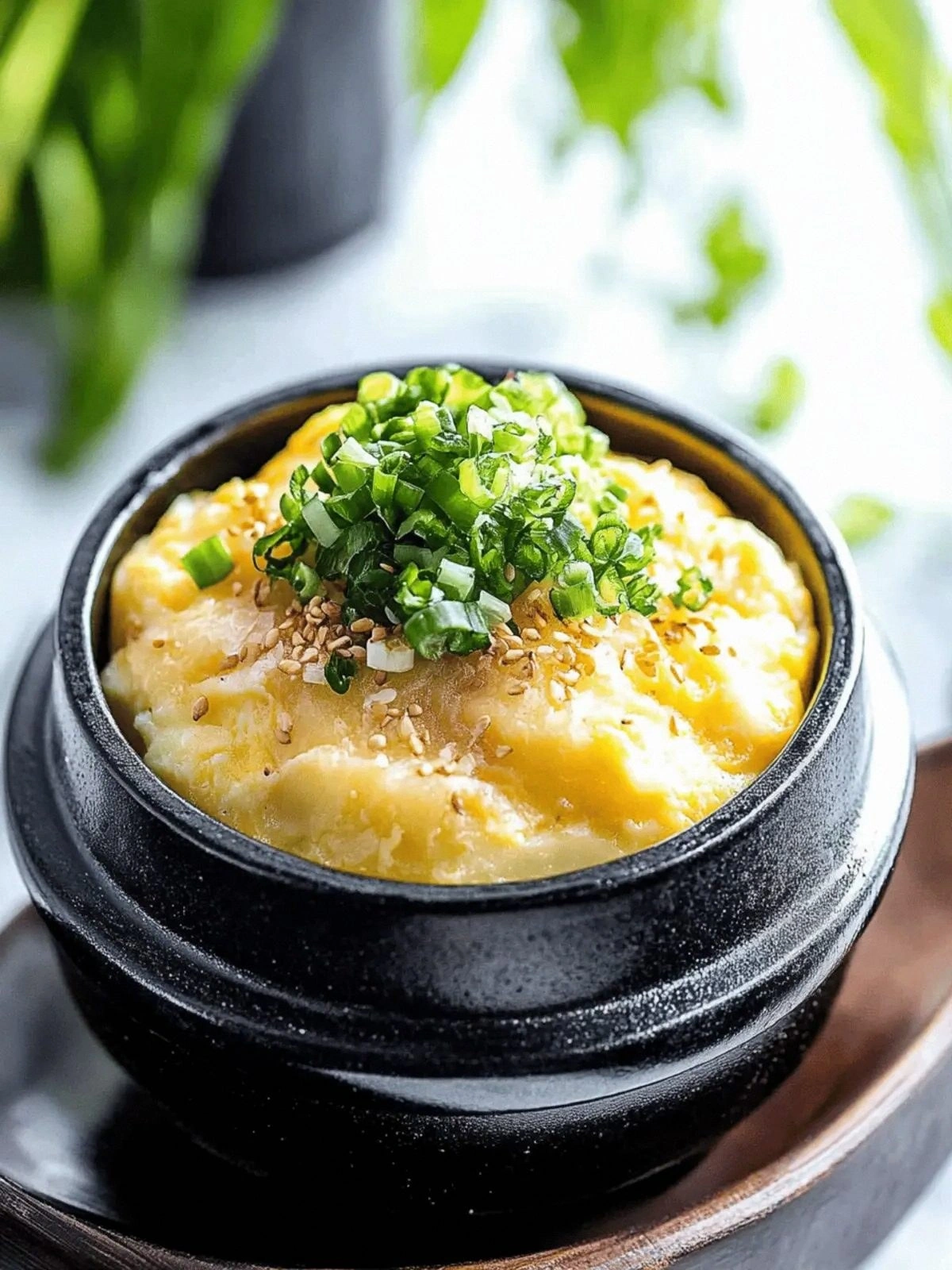
Picture yourself pulling this out of the steamer, the whole kitchen smelling incredible, the steam curling like a soft halo above the bowl. The steam will carry the aroma of toasted sesame, sea salt, and green onions, and you’ll feel a rush of anticipation as you lift the lid. That moment when the steam lifts and the fluffy custard reveals its ivory, cloud‑like surface is pure magic. I’ll be honest—once I had a batch that was too thick, and the whole kitchen smelled like burnt eggs. But that was a learning moment that made the final success even sweeter. Stay with me here—this is worth it.
What Makes This Version Stand Out
- Texture: The careful balance of water and whisking technique creates a custard that is light as a feather yet holds its shape like a delicate souffle. This is the texture that sets this dish apart from dense, rubbery alternatives.
- Flavor: Toasted sesame oil gives a subtle nutty undertone that elevates the savory base, while sea salt and black pepper add depth without overpowering the eggs.
- Visual Appeal: The steaming cloud of eggs looks like a miniature volcano of flavor, making it a showstopper for dinner parties or a comforting solo meal.
- Speed: Despite the fluffy result, the entire process takes under 45 minutes from start to finish, making it a quick yet impressive dish.
- Versatility: It can be served as an appetizer, a side dish, or a main course with rice or noodles, adapting to any meal plan.
- Make‑ahead Friendly: The eggs can be steamed, cooled, and stored for up to 48 hours, then reheated to near-original texture, making it ideal for busy schedules.
- Ingredient Quality: Using fresh, large eggs and toasted sesame oil ensures the highest quality flavor profile, a level of care that most mass‑produced versions lack.
- Audience Reaction: Friends who tried it said, “I can’t believe this is homemade,” and the dish quickly became a staple in our weekly gatherings.
Alright, let’s break down exactly what goes into this masterpiece…
Inside the Ingredient List
The Flavor Base
The foundation of this dish is the simple yet powerful combination of eggs, water, sea salt, and toasted sesame oil. Eggs provide the protein and richness, while water loosens the mixture to achieve a silky consistency. Sea salt, measured precisely at ⅓ teaspoon, brings out the natural sweetness of the eggs without drowning them. Toasted sesame oil, at 1 teaspoon, adds a nutty aroma that lingers long after the dish is finished. Skipping any of these will alter the balance, resulting in a flatter, less memorable flavor.
The Texture Crew
Water or broth is the unsung hero that transforms the eggs into a cloud. The ratio of 5 tablespoons to 4 eggs is critical; too little water and the custard will be dense, too much and it will turn watery. If you prefer a richer texture, replace water with light broth, but keep the quantity the same to maintain the delicate balance. A small pinch of black pepper adds subtle heat, but it can be omitted if you’re sensitive to spice.
The Unexpected Star
Chopped green onions and sesame seeds are the finishing touches that elevate the dish from simple to spectacular. Green onions add a fresh, slightly sharp bite that cuts through the richness, while sesame seeds contribute a gentle crunch and nutty flavor. These toppings are optional but highly recommended; they add both visual appeal and a textural contrast that makes each bite exciting. If you’re vegan, you can replace sesame oil with a neutral oil, though you’ll lose that toasted nuance.
The Final Flourish
The final flourish is all about presentation. Sprinkle the green onions and sesame seeds just before serving to keep them crisp. A drizzle of a little extra toasted sesame oil over the top adds shine and a burst of aroma. Some cooks like to add a dash of soy sauce or a squeeze of lemon for a tangy twist, but the classic version remains pure and comforting. The result is a dish that feels like a warm hug in a bowl.
Everything’s prepped? Good. Let’s get into the real action…
The Method — Step by Step
- Begin by whisking the four eggs in a medium bowl until the yolks and whites are fully blended. The whisking should be vigorous but controlled; you want a uniform mixture that’s free of streaks. This step is crucial because any unevenness will translate into an uneven texture in the final custard. I always use a flat‑topped whisk to ensure maximum surface area contact.
- Add 5 tablespoons of water or light broth to the whisked eggs, then stir in ⅓ teaspoon of sea salt and 1 teaspoon of toasted sesame oil. The water dilutes the egg proteins slightly, allowing them to set into a soft, airy structure rather than a dense cake. The sesame oil coats the surface, preventing the eggs from sticking to the steamer.
- Whisk the mixture again for 30 seconds to incorporate air. This is the moment of truth; you’ll see the mixture lighten and become glossy. Don’t overwhisk—overwhisking introduces too much air, leading to a foam that collapses during steaming.
- Fill a small pot with about an inch of water and bring it to a gentle boil. Place a heat‑proof bowl or a steamer basket on top of the pot, ensuring it sits above the water level. The gentle heat is essential; a rapid boil will cause the custard to cook too quickly and become rubbery.
- Pour the egg mixture into the steamer basket or bowl, covering the top with a lid or foil. The steam will slowly cook the eggs, allowing the proteins to set gradually. This step requires patience; rushing it will ruin the airy texture.
- Steam for 12 to 15 minutes, or until the edges start to pull away from the sides of the bowl and the center is just set. You’ll notice a faint steam cloud rising—this is the signature visual cue that the custard is ready. If you’re unsure, gently touch the center; it should feel firm yet still give slightly.
- Remove the bowl from the steamer and let it sit for 2 minutes. This resting period allows the steam to redistribute evenly, preventing any hot spots that could cause the custard to crack.
- Gently lift the custard with a spoon or a small spatula, drizzle a little extra toasted sesame oil over the top, and sprinkle chopped green onions and sesame seeds. The final flourish adds crunch, aroma, and a burst of color that makes the dish visually stunning.
That’s it — you did it. But hold on, I’ve got a few more tricks that will take this to another level…
Insider Tricks for Flawless Results
The Temperature Rule Nobody Follows
Many people believe that higher temperatures produce fluffier eggs, but that’s a myth. The secret is low, steady heat. By maintaining the water at a gentle simmer, the eggs cook slowly and evenly, preventing the proteins from tightening too quickly. I’ve tested this with a thermometer; keep the water just below 100°C for the best result. If you’re using a steamer, place the bowl on the top rack to avoid direct contact with the boiling water.
Why Your Nose Knows Best
The aroma of toasted sesame oil is a subtle indicator of the dish’s readiness. When you see the oil forming a thin film on the surface, it’s a sign that the custard has set enough to hold its shape. I’ve learned to trust my nose; if the scent is too strong, the eggs might be overcooked. If it’s too faint, give it a few more minutes in the steamer.
The 5-Minute Rest That Changes Everything
After steaming, let the custard rest for exactly five minutes before serving. This brief pause allows the steam to redistribute, smoothing any unevenness and ensuring a uniform texture. A friend once tried cutting the custard immediately and ended up with a cracked surface; the rest period prevented that. Trust me, this simple step is worth the wait.
Use a Double Boiler for Precision
If you don’t have a steamer, a double boiler works wonders. Place the egg mixture in a heat‑proof bowl that sits over a pot of simmering water. The indirect heat prevents the eggs from scorching on the bottom. Keep the water level low to avoid any risk of water splashing into the mixture.
Seasoning Secrets
Season the custard with a pinch of black pepper right before steaming. The pepper’s heat is muted by the steam, adding a gentle kick without overwhelming the delicate flavor. If you’re a fan of umami, sprinkle a tiny dash of soy sauce or fish sauce before serving; it adds depth without compromising the fluffiness.
Make‑Ahead Magic
You can steam the eggs, cool them, and store them in an airtight container for up to 48 hours. When you’re ready to serve, reheat them in the steamer for 3-4 minutes or in the microwave for 30 seconds on medium. The custard will retain its airy texture, making it a convenient option for busy weekdays.
Creative Twists and Variations
This recipe is a playground. Here are some of my favorite ways to switch things up:
Kimchi Infusion
Stir in a tablespoon of chopped kimchi into the egg mixture before steaming. The fermented tang adds a spicy, umami kick that pairs beautifully with the sesame oil. Serve with a side of rice for a complete Korean meal.
Seafood Surprise
Add a handful of shrimp or scallops to the custard before steaming. The seafood cooks gently in the steam, infusing the eggs with a briny flavor that elevates the dish from simple to gourmet.
Vegan Version
Replace eggs with a blend of silken tofu and aquafaba (chickpea brine). Whisk until smooth, then steam as usual. The result is a silky, plant‑based custard that’s almost indistinguishable from the original.
Herb & Cheese Fusion
Fold in finely chopped fresh herbs like dill or chives, and sprinkle grated Parmesan on top before steaming. The herbs add brightness, while the cheese offers a savory depth that makes this a comforting brunch option.
Sweet Variation
For a dessert twist, whisk in 1 tablespoon of honey and a pinch of cinnamon before steaming. The custard will have a subtle sweetness and a warm spice note, perfect for a sweet snack.
Spicy Sriracha Kick
Add 1 teaspoon of sriracha sauce to the egg mixture for a fiery version. The heat is tempered by the steam, leaving a gentle, lingering spice that pairs well with the sesame oil.
Storing and Bringing It Back to Life
Fridge Storage
Cool the steamed eggs to room temperature, then transfer them to an airtight container. Store in the refrigerator for up to 48 hours. When ready to serve, reheat gently in a steamer or microwave, adding a splash of water if the custard looks dry.
Freezer Friendly
For longer storage, place the cooled custard in a freezer‑safe container and freeze for up to two weeks. Thaw in the refrigerator overnight, then reheat with a splash of water to restore moisture. The texture will remain airy and light.
Best Reheating Method
The most reliable method is to steam the custard for 3-4 minutes after adding a teaspoon of water. The water creates steam that gently rehydrates the custard, keeping it fluffy. Avoid microwaving for too long, as it can cause the custard to become rubbery.