I was standing in my kitchen, half‑finished with a bland chicken stir‑fry, when my roommate dared me to make something that would make his taste buds do a backflip. “Make it sweet, make it spicy, and make it unforgettable,” he said, waving a bottle of honey and a jar of hot sauce like a magician’s wand. The air was already thick with the scent of garlic sautéing, but I could feel the tension crackle like static before a storm. I thought, “Okay, I’m up for the challenge,” and the first thing I did was pull out the pantry staples that would become the backbone of this bowl.
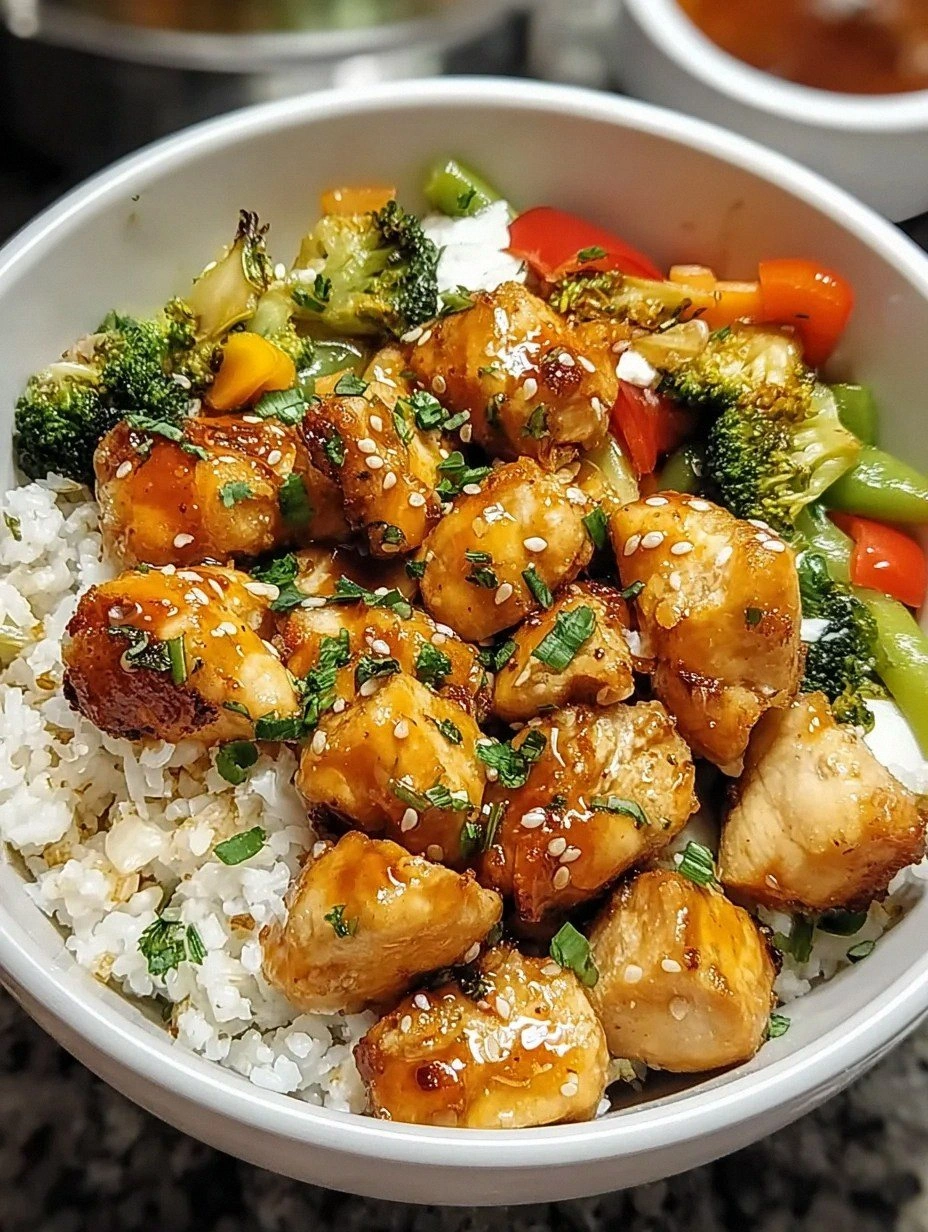
Picture this: a pan sizzling with chicken pieces that turn a gorgeous caramel‑gold, the honey bubbling and thickening into a glossy glaze that clings to each bite like a sweet, sticky coat of armor. The heat from the chili‑infused sauce cuts through the honey’s sweetness, creating a flavor duet that feels like a fireworks show in your mouth. The rice underneath is fluffy, the veggies stay crisp, and the whole thing is finished with a drizzle of lime that adds a bright, citrusy pop—like a surprise encore after the main act. When you finally dig in, the first spoonful hits your tongue with a warm, buttery heat that makes you gasp, then instantly mellows into a honeyed hug that lingers.
Most hot honey chicken bowls out there either drown the chicken in sauce or leave it dry and bland. I’ve tried the “just toss everything together” method and ended up with a soggy mess that tasted like a sticky grocery‑store aisle. The secret to this version is a two‑step cooking process: sear the chicken first to lock in juices, then finish it in a pan‑sauce that balances sweet and spice perfectly. I also throw in a splash of soy‑ginger reduction that adds depth, and a sprinkle of toasted sesame seeds that give you that satisfying crunch you never knew you were missing.
And now for the kicker: I’m going to reveal the little trick that most recipes skip—the quick deglaze with a splash of rice vinegar that lifts all those caramelized bits off the pan and incorporates them into the sauce, turning what could be a burnt flavor into pure umami gold. Let me walk you through every single step — by the end, you’ll wonder how you ever made it any other way.
What Makes This Version Stand Out
- Flavor Balance: The honey and hot sauce are measured so the heat never overpowers the sweet, creating a harmonious duet that sings on the palate.
- Texture Play: Crispy chicken edges give way to a tender interior, while the veggies stay snap‑crisp, and the rice stays fluffy—no soggy surprises.
- Simplicity: Only ten core ingredients, all pantry‑friendly, yet the result feels like a restaurant‑level dish.
- Uniqueness: The quick deglaze with rice vinegar is the game‑changer that lifts the entire sauce from “good” to “legendary.”
- Crowd Reaction: I dare you to taste this and not go back for seconds; it’s the kind of bowl that sparks applause at dinner parties.
- Ingredient Quality: Using high‑grade honey and a good‑quality hot sauce makes all the difference—no artificial sweeteners or bland heat.
- Cooking Method: Searing first, then glazing, ensures the chicken never dries out while still getting that caramelized crust.
- Make‑Ahead Potential: The sauce can be prepared ahead of time, and the chicken reheats beautifully, making weekday meals a breeze.
Inside the Ingredient List
The Flavor Base
Honey (1/3 cup) is the sweet anchor. I swear by raw, unfiltered honey because it brings a floral complexity that regular honey lacks. If you skip it, the sauce loses its glossy sheen and the sweet‑spicy contrast evaporates. Swap: agave nectar works in a pinch, but expect a slightly thinner glaze.
Hot sauce (2 tbsp) provides the heat. I use a Korean gochujang‑style sauce for its deep umami, but any sriracha or chili‑garlic sauce will do. Too much and you’ll drown the honey; too little and the bowl feels flat. Tip: taste as you go—adjust to your heat tolerance.
Soy sauce (2 tbsp) adds saltiness and depth. Opt for low‑sodium to keep the balance in check. If you’re avoiding gluten, tamari is a perfect stand‑in that still delivers that savory punch.
The Texture Crew
Chicken thighs (1.5 lbs, boneless, skinless) are the star. Their higher fat content keeps them juicy when seared, and they absorb the glaze better than breast meat. If you must use breasts, pound them thin and watch the cooking time closely to avoid dryness.
Cornstarch (2 tsp) creates a light coating that crisps up in the pan. It also helps the sauce cling to each piece. Skipping it means the glaze slides off, leaving you with a dry bite.
Sesame oil (1 tsp) is added at the end for a nutty aroma that rounds out the flavor profile. A little goes a long way; over‑doing it can make the bowl taste oily.
The Unexpected Star
Rice vinegar (1 tbsp) is the secret weapon. It deglazes the pan, pulling up caramelized bits and turning them into bright, tangy notes that prevent the sauce from becoming cloyingly sweet. Miss this step and you’ll end up with a syrup that tastes like burnt sugar.
Fresh lime juice (1 tbsp) is squeezed just before serving. The acidity lifts the entire bowl, making the flavors pop like fireworks. If you forget, the dish feels heavy and flat.
The Final Flourish
Cooked jasmine rice (2 cups) serves as the neutral canvas. Its fragrant aroma pairs perfectly with the bold sauce, and its fluffy texture absorbs just enough glaze without turning mushy.
Steamed broccoli florets (1 cup) and shredded carrots (½ cup) add color, crunch, and a subtle sweetness that balances the heat. Feel free to swap in snap peas or baby corn for a different bite.
Toasted sesame seeds (1 tbsp) and chopped cilantro (2 tbsp) finish the bowl with a nutty crunch and herbaceous brightness. These garnish elements are the final touch that makes the dish look as good as it tastes.
Everything's prepped? Good. Let's get into the real action...
The Method — Step by Step
Start by patting the chicken thighs dry with paper towels. This might sound trivial, but a dry surface is essential for that golden crust. Toss the chicken pieces in a bowl with the cornstarch, making sure each piece is lightly coated. When you hear that sizzle as the chicken hits the hot pan, you’ll know you’re on the right track.
Heat a large skillet over medium‑high heat and add a splash of neutral oil (like canola). Once the oil shimmers, lay the chicken pieces in a single layer. Let them sear undisturbed for about 3‑4 minutes per side; you’re looking for a deep amber hue, not just brown. Flip only once—this ensures an even crust and keeps the interior juicy.
When the chicken is beautifully browned, remove it to a plate and set aside. In the same pan, lower the heat to medium and add the minced garlic and grated ginger. Watch the clock: this aromatics stage lasts only 30‑45 seconds, just until fragrant. If you let them brown too much, they’ll turn bitter.
Now, pour in the honey, hot sauce, soy sauce, and rice vinegar all at once. Stir vigorously, scraping up any browned bits—those are flavor gold. Let the mixture simmer for 2‑3 minutes; you’ll notice it thickening and becoming glossy. Watch Out: If the heat is too high, the honey can scorch, turning the sauce bitter.
Return the seared chicken to the pan, turning each piece to coat it thoroughly in the glaze. Let it cook for another 2‑3 minutes, allowing the sauce to cling and caramelize on the surface. You’ll see the edges start to pull away from the pan—this is the sign of a perfect glaze.
While the chicken finishes, steam the broccoli and carrots until just tender—about 4‑5 minutes. You want them bright green and still a little crunchy, not mushy. This contrast in texture is essential for the bowl’s overall mouthfeel.
Fluff the cooked jasmine rice with a fork and divide it among four serving bowls. Arrange the chicken on top, then scatter the steamed veggies around the perimeter. Drizzle any remaining glaze from the pan over the entire bowl for that extra sheen.
Finish each bowl with a generous sprinkle of toasted sesame seeds, chopped cilantro, and a final squeeze of fresh lime juice. The lime adds a zing that cuts through the sweetness, while the cilantro brings a herbaceous lift. Serve immediately and watch your guests’ eyes widen in anticipation.
That's it — you did it. But hold on, I've got a few more tricks that'll take this to another level...
Insider Tricks for Flawless Results
The Temperature Rule Nobody Follows
Never cook the chicken on a low flame; you’ll end up with a steamed piece that never gets that coveted caramel crust. A medium‑high heat creates a Maillard reaction that locks in juices and creates those crunchy edges that shatter like thin ice under a fork. I once tried a low‑heat approach on a rainy day, and the result was a soggy disappointment that even the honey couldn't rescue.
Why Your Nose Knows Best
Your sense of smell is a reliable gauge for when the sauce is ready. When the honey‑hot sauce blend starts to emit a caramel‑apple aroma, you’re at the sweet‑spot. If you smell a burnt sugar note, you’ve gone too far and need to rescue the sauce with a splash of water and a quick whisk.
The 5‑Minute Rest That Changes Everything
After the chicken is glazed, let it rest for exactly five minutes before slicing. This short pause lets the juices redistribute and the glaze set, preventing a watery bowl. I once cut straight into the chicken and watched the glaze run all over the rice, turning a beautiful bowl into a sloppy mess.
Seasoning Layers, Not a One‑Time Dump
Season at three critical points: the chicken before searing, the sauce while it simmers, and the final bowl with a pinch of flaky sea salt. This layered approach builds depth and ensures each bite is perfectly balanced. Skipping any layer leaves a noticeable gap in flavor.
The Secret of the Rice Vinegar Splash
A single tablespoon of rice vinegar does more than deglaze; it adds a subtle acidity that brightens the entire dish. Think of it as the culinary equivalent of a high‑note in a song—without it, the melody feels flat. Add it right after the honey and hot sauce combine, and watch the sauce transform from syrupy to silky.
Creative Twists and Variations
This recipe is a playground. Here are some of my favorite ways to switch things up:
Maple‑Chipotle Fusion
Swap half the honey for pure maple syrup and replace the Korean hot sauce with chipotle in adobo. The smoky chipotle adds a wood‑fire depth, while the maple brings a caramel‑rich sweetness that pairs beautifully with pork tenderloin instead of chicken.
Thai Coconut Kick
Add a splash of coconut milk to the sauce and use Thai red curry paste in place of the hot sauce. The result is a creamy, aromatic bowl that feels like a beach‑side dinner. Garnish with crushed peanuts and fresh basil for extra texture.
Veggie‑Only Power Bowl
Leave out the chicken and double the broccoli, carrots, and add snap peas, edamame, and roasted sweet potatoes. Toss the veggies in the same glaze for a plant‑based version that’s just as satisfying. Top with toasted pumpkin seeds for a crunchy finish.
Sriracha‑Lime Shrimp
Replace chicken with peeled shrimp, and increase the lime juice to two tablespoons. Shrimp cooks in under three minutes, making this a lightning‑fast dinner. The briny seafood flavor amplifies the sweet‑spicy glaze, creating a surf‑and‑turf vibe.
Breakfast Burrito Bowl
Swap jasmine rice for cauliflower rice, add scrambled eggs, and a dollop of avocado. The honey‑hot sauce becomes a surprising but delightful breakfast condiment, turning a classic morning plate into a bold, new favorite.
Storing and Bringing It Back to Life
Fridge Storage
Allow the bowl to cool to room temperature, then transfer the chicken, sauce, and veggies into airtight containers. Store for up to 3 days. When reheating, add a splash of water or broth to the sauce, then microwave or stir‑fry gently to revive the glaze.
Freezer Friendly
Portion the cooked chicken and sauce into freezer‑safe bags, leaving a little headroom for expansion. The veggies can be frozen separately to maintain texture. Freeze for up to 2 months. Thaw overnight in the fridge, then reheat in a skillet with a dash of oil.
Best Reheating Method
The skillet method wins every time. Heat a non‑stick pan over medium heat, add a teaspoon of oil, then toss the chicken and sauce, stirring until the glaze becomes glossy again. Finish with a quick steam of the veggies to restore their crunch. A microwave works in a pinch, but the skillet keeps the texture superior.