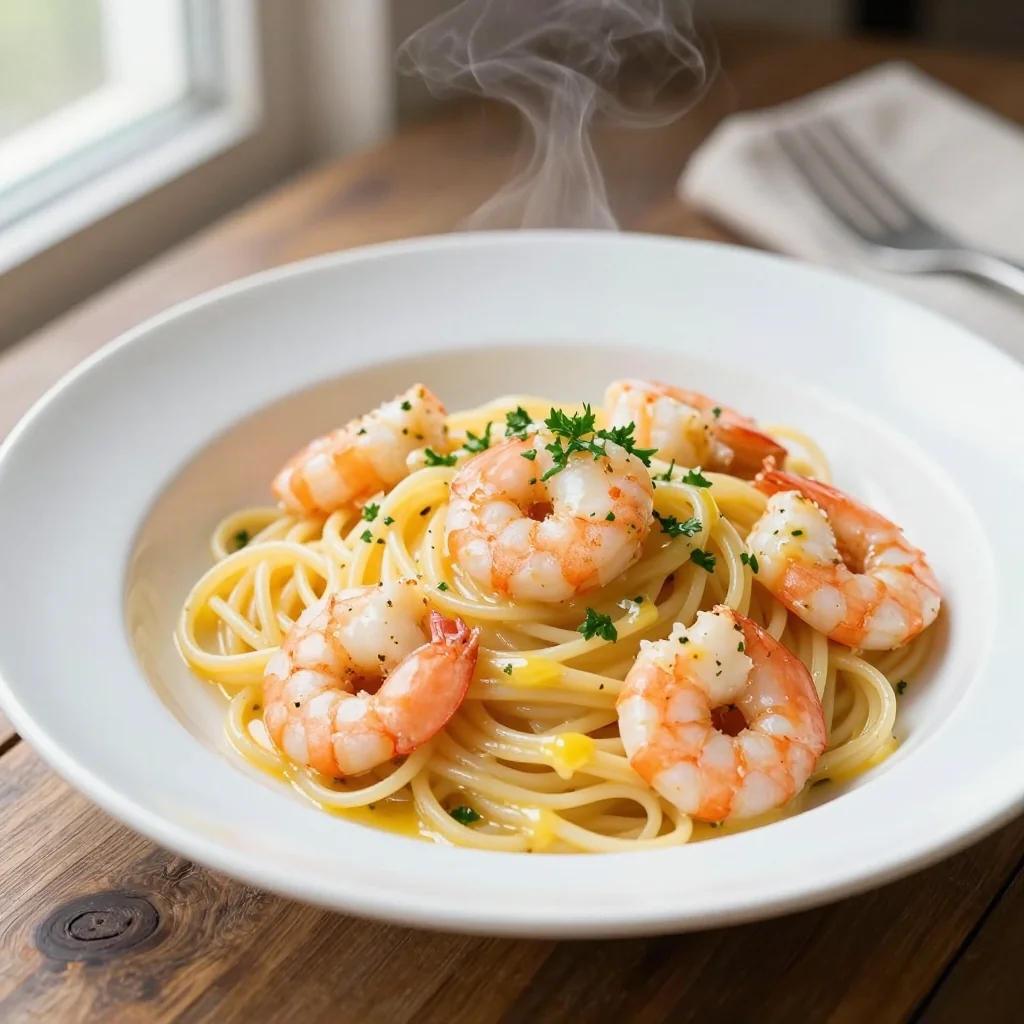
A bright, buttery shrimp pasta that brings the sunshine of the Mediterranean straight to your table.
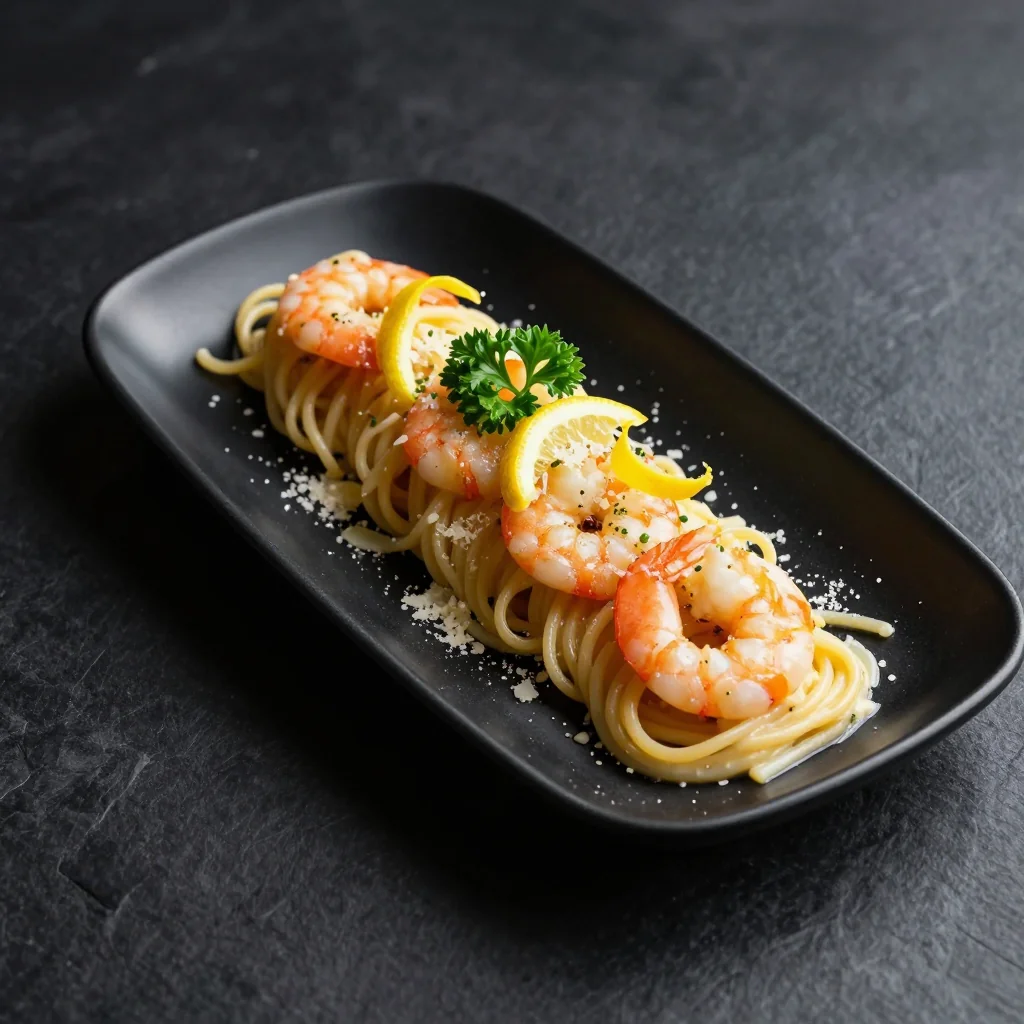
When I first tasted a plate of shrimp tossed in a silky lemon‑garlic butter sauce on a breezy summer evening in the Amalfi Coast, I knew I had to capture that moment at home. The scent of fresh lemon zest mingling with sizzling garlic and the faint brine of the sea still makes my mouth water, and it’s a memory I return to whenever I need a burst of sunshine.
This dish hails from the coastal regions of Italy, where seafood and citrus have been paired for centuries. The simplicity of the ingredients lets the quality of each component shine, making it a perfect example of Italian “cucina povera” – elegant cooking from humble pantry staples.
In this article, I’ll walk you through every detail: from selecting the freshest shrimp to mastering the perfect al dente pasta, and finally achieving a glossy sauce that clings lovingly to every strand. By the end, you’ll be able to recreate a restaurant‑quality plate in under thirty minutes.
Let’s dive in, gather our ingredients, and bring a splash of Mediterranean magic to your kitchen!
🌟 Why This Recipe Will Win Your Heart
Lemon Garlic Butter Shrimp Pasta balances bright acidity, rich butter, and succulent shrimp, creating a dish that feels both comforting and celebratory.
- ✨ Quick and Easy: From start to finish it takes less than half an hour, making it ideal for weeknight meals without sacrificing flavor.
- ✨ Fresh, Vibrant Flavors: The lemon zest adds a fragrant pop, while garlic and butter provide depth, delivering a layered taste experience.
- ✨ Nutrient‑Rich Protein: Shrimp offers lean protein and essential minerals like iodine and selenium, supporting a balanced diet.
- ✨ Versatile Base: The pasta can be swapped for linguine, fettuccine, or even gluten‑free alternatives, adapting to dietary preferences.
- ✨ Minimal Cleanup: One skillet and one pot means fewer dishes, leaving you more time to enjoy the meal.
- ✨ Crowd‑Pleaser: Its elegant presentation and bright colors make it perfect for dinner parties, family gatherings, or a romantic date.
🥗 Ingredients
📝 Complete Ingredient List
For the Pasta:
For the Shrimp:
For the Sauce & Garnish:
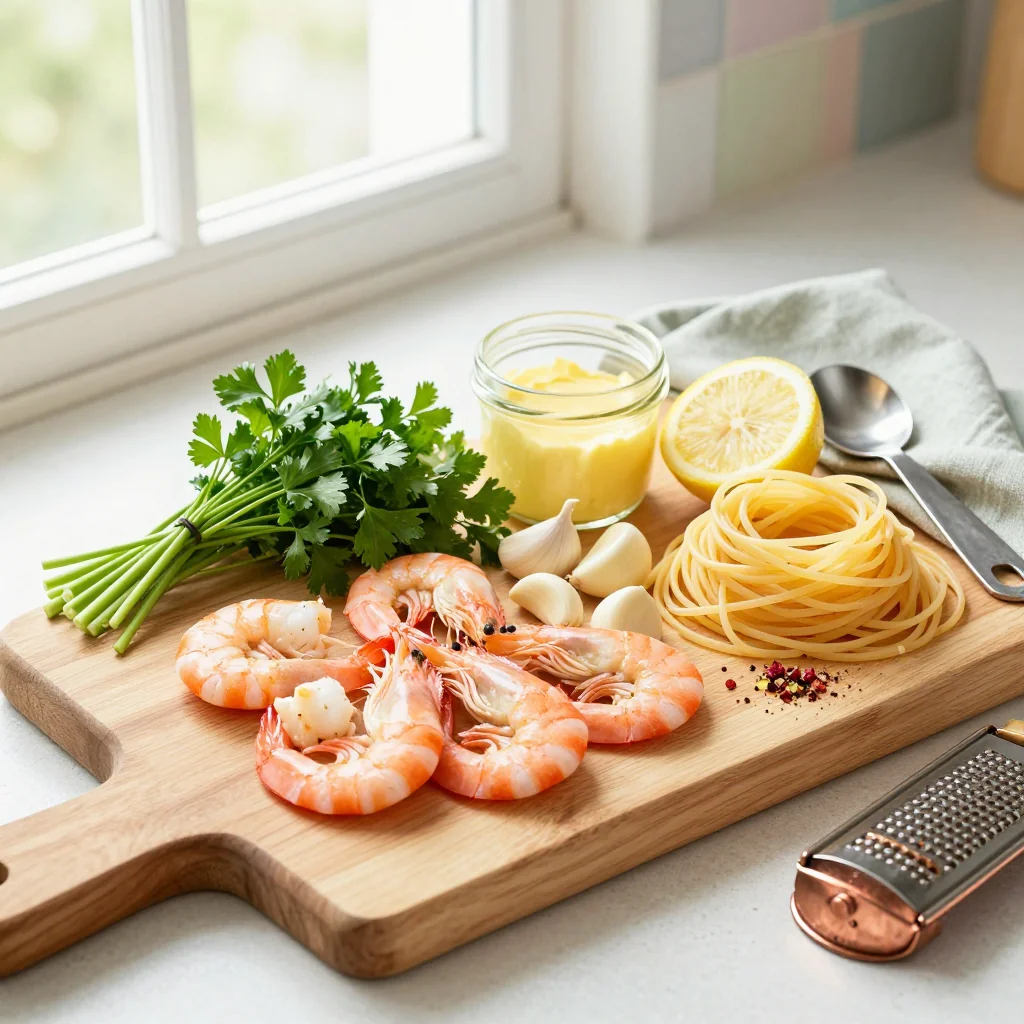
🔍 Focus on Key Ingredients
Shrimp
Choosing high‑quality shrimp is essential. Wild‑caught shrimp tend to be firmer and have a sweeter, more pronounced flavor than farmed varieties. Look for shrimp that are pinkish‑gray with a translucent flesh; avoid any that appear dull or have a strong fishy odor. Pat them dry before cooking to ensure a quick sear that locks in juices.
Lemon
Fresh lemon juice and zest bring acidity that cuts through the richness of butter, while also adding a bright aromatic note. When selecting lemons, pick ones that feel heavy for their size and have a smooth, glossy skin. Rolling the lemon on the countertop before zesting releases essential oils, giving you a more fragrant zest.
Butter
Unsalted butter is preferred because it allows you to control the seasoning precisely. The butter creates a glossy emulsion with the lemon juice, coating each strand of pasta and shrimp with a silky finish. For an extra layer of flavor, you can finish the sauce with a splash of high‑quality extra‑virgin olive oil.
🔄 Quick Substitutions
| If you don’t have… | Use instead… |
|---|---|
| Shrimp | Firm white fish like cod, cut into bite‑size pieces |
| Parmesan | Pecorino Romano or nutritional yeast (vegan) |
| Spaghetti | Gluten‑free pasta or zucchini noodles |
👨🍳 Step‑by‑Step Instructions
Follow these detailed steps to create a restaurant‑style Lemon Garlic Butter Shrimp Pasta that looks as good as it tastes.
📋 Phase 1: Preparation & Mise en Place
Getting everything ready before you start cooking ensures a smooth, stress‑free process.
Boil the Pasta
Fill a large pot with water, add a generous pinch of salt, and bring it to a rolling boil. Add the spaghetti and cook until al dente, about 8‑9 minutes, stirring occasionally to prevent sticking. Reserve ½ cup of the starchy cooking water before draining; this will help emulsify the sauce later.
Prep the Shrimp and Aromatics
While the pasta cooks, rinse the shrimp under cold water and pat them dry with paper towels. Mince the garlic, zest the lemon (avoiding the white pith), and juice the lemon into a small bowl. Measure out butter, olive oil, and red pepper flakes so they’re ready to go.
🔥 Phase 2: Cooking & Assembly
This is where flavors meld and the magic happens.
Sauté Shrimp in Butter
Heat a large skillet over medium‑high heat. Add olive oil and 2 tbsp of butter. Once the butter foams, add the minced garlic and red pepper flakes, sautéing for 30 seconds until fragrant. Add the shrimp in a single layer, seasoning with salt and pepper. Cook for 2‑3 minutes per side, until they turn pink and opaque. Remove the shrimp and set aside.
Create the Lemon‑Garlic Sauce
Lower the heat to medium. In the same skillet, add the remaining 2 tbsp of butter. Once melted, pour in the lemon juice and add the lemon zest. Stir constantly, scraping up any browned bits from the bottom of the pan. Let the mixture simmer for 1‑2 minutes, allowing the flavors to meld.
Combine Pasta, Shrimp, and Sauce
Add the drained spaghetti to the skillet, tossing to coat each strand with the lemon‑butter emulsion. If the sauce seems too thick, gradually add reserved pasta water, a tablespoon at a time, until it reaches a silky consistency. Return the shrimp to the pan, sprinkle with grated Parmesan, and toss gently to combine.
✨ Phase 3: Finishing Touches & Plating
A few final steps turn a great dish into a stunning presentation.
Check for Seasoning
Taste a strand of pasta and a piece of shrimp. Adjust salt, pepper, or add a splash more lemon juice if you prefer a brighter acidity. The sauce should cling lightly to the pasta without pooling.
Plate the Dish
Divide the pasta among warm plates. Top each serving with a generous handful of chopped parsley and an extra sprinkle of Parmesan. Add a lemon wedge on the side for an optional burst of fresh citrus at the table.
Serve Immediately
Serve the pasta hot, accompanied by a crisp white wine or a light sparkling water with a slice of lemon. The dish is best enjoyed fresh, while the butter is still glossy.
💡 Expert Tips & Tricks
🛒 Choosing the Right Ingredients
When shopping for shrimp, look for a firm texture and a translucent pink color; avoid any that appear gray or have a strong odor. For pasta, opt for bronze‑cut varieties; they have a rougher surface that captures sauce better. Fresh lemons should feel heavy for their size and have a bright, unblemished rind. Finally, use real Parmesan cheese rather than pre‑grated packets to ensure a richer, more authentic flavor.
🔪 Preparation Techniques
Pat the shrimp dry thoroughly before cooking – moisture creates steam, which prevents a good sear. Mince garlic finely to release its oils without burning. When zesting the lemon, use a microplane and avoid the white pith, which can taste bitter. Measuring the pasta water before draining helps you control sauce thickness later.
🌡️ Mastering the Cooking
Maintain medium‑high heat when searing the shrimp; a hot pan creates a quick caramelized exterior while keeping the interior juicy. When adding lemon juice, keep the heat moderate to prevent the butter from separating. If the sauce begins to look grainy, whisk in a splash of pasta water to bring it back together.
🍽️ Presentation & Service
Twirl the pasta into a neat nest using tongs before plating. Sprinkle parsley and Parmesan just before serving to keep colors vibrant. A lemon wedge on the side invites diners to add extra brightness. For an elegant touch, drizzle a few drops of high‑quality extra‑virgin olive oil over the top.
🏆 Pro Tips
Professional chefs know that subtle adjustments can elevate a dish from good to unforgettable.
- 🎯 Use a Touch of White Wine: Deglazing the pan with ¼ cup of dry white wine after sautéing garlic adds depth and a subtle acidity that balances the butter.
- 🎯 Finish with Cold Butter: Adding a small knob of cold butter at the very end creates a velvety emulsion, giving the sauce a glossy sheen.
- 🎯 Control Heat Precisely: High heat sears shrimp quickly, but too much can cause butter to burn. Reduce the flame as soon as the shrimp are browned.
- 🎯 Use Pasta Water Strategically: The starches in the reserved water act as a natural thickener, helping the sauce cling without needing cream.
- 🎯 Add Fresh Herbs Last: Parsley loses its bright flavor when cooked too long; fold it in after the sauce is off the heat.
- 🎯 Plate Warm: Warm plates keep the pasta from cooling too quickly, preserving the buttery texture for longer.
"The secret to great pasta is never to rush the sauce; let it breathe, and it will reward you with flavor." — Chef Massimo Bottura
🔄 Variations & Adaptations
This recipe is a flexible canvas that welcomes creativity. Below are several ways to tailor it to different tastes and dietary needs.
🥬 Vegetarian / Vegan Version
Swap the shrimp for firm tofu cubes or large sautéed mushrooms. Use vegan butter and a plant‑based Parmesan alternative. The lemon‑garlic sauce works equally well with these proteins, delivering a satisfying umami bite.
- Replace shrimp with 400 g firm tofu, pressed and cubed.
- Use 2 tbsp vegan butter and ¼ cup nutritional yeast instead of Parmesan.
🌶️ Flavor Variations
Experiment with additional aromatics or herbs to shift the flavor profile while keeping the core structure intact.
Spicy Version
Increase red pepper flakes to 1 tsp, add a pinch of smoked paprika, and finish with a drizzle of chili‑infused olive oil.
Mediterranean Version
Stir in ½ cup chopped sun‑dried tomatoes, a handful of Kalamata olives, and sprinkle crumbled feta before serving.
Asian‑Inspired Version
Replace lemon juice with 2 tbsp rice vinegar, add 1 tsp grated ginger, and finish with a splash of soy sauce and toasted sesame seeds.
⚠️ Dietary Adaptations
Gluten‑Free
Use gluten‑free spaghetti or rice noodles. Ensure the pasta water is well‑salted to compensate for the lack of wheat flavor.
Lactose‑Free
Swap butter for lactose‑free margarine and use dairy‑free Parmesan alternatives. The sauce will remain rich and creamy.
Low‑Calorie
Reduce butter to 1 tbsp, increase the amount of lemon juice, and add extra vegetables like zucchini ribbons to bulk up the dish without many calories.
👶 Family / Kids Version
Kids often prefer milder flavors. Omit red pepper flakes, use a slightly sweeter lemon juice, and add a handful of peas for color and a subtle sweetness. Serve with a side of garlic‑bread to make the meal more appealing.
📦 Storage & Reheating
🧊 Conservation
Refrigerator:
- Duration: 2 days
- Container: Airtight glass or plastic container
- Tip: Store the sauce separately if possible to prevent the pasta from soaking up too much liquid.
Freezer:
- Duration: 1 month
- Method: Portion into freezer‑safe bags, removing as much air as possible.
- Defrost: Transfer to refrigerator overnight, then reheat gently on the stovetop.
💡 For best texture, reheat only the portion you’ll eat and add a splash of fresh lemon juice before serving.
♨️ Reheating
🔥 Oven (Recommended):
- Preheat to 180 °C (350 °F).
- Cover the dish with aluminum foil to retain moisture.
- Heat for 12‑15 minutes.
- Remove foil, stir, and heat an additional 3‑4 minutes to restore a slight crust.
⚡ Microwave (Quick):
- Place a portion in a microwave‑safe bowl, cover with a microwave‑safe lid.
- Heat on medium power for 1 minute, stir, then continue in 30‑second intervals.
- Stir again, add a splash of water or broth if the sauce looks dry.
🍳 Stovetop:
Heat a skillet over medium heat, add a drizzle of olive oil, then the leftovers. Toss gently, adding a tablespoon of pasta water if needed, until heated through.
🍷 Perfect Pairings
🥗 Side Dishes
- Arugula Salad with Lemon Vinaigrette: The peppery arugula complements the citrus notes of the pasta.
- Garlic‑Roasted Asparagus: Adds a crunchy texture and earthy flavor.
- Caprese Skewers: Fresh mozzarella, cherry tomatoes, and basil provide a refreshing contrast.
🍷 Wine & Drink Pairings
- Pinot Grigio: Its crisp acidity mirrors the lemon and cuts through the butter.
- Vermentino: A Mediterranean white with citrus notes that harmonize with the dish.
- Non‑Alcoholic: Sparkling water with a splash of lemon and a sprig of mint.
🍰 To Complete the Meal
Start with a light citrus‑infused gazpacho, then move to the shrimp pasta. Finish with a simple lemon sorbet or a panna cotta flavored with vanilla and a drizzle of honey for a sweet, soothing end.
❓ Frequently Asked Questions
Q: Can I use frozen shrimp instead of fresh?
Yes, frozen shrimp work well as long as you thaw them completely and pat them dry. Thaw in the refrigerator overnight or place them in a sealed bag under cold running water for 10‑15 minutes. Drying them thoroughly is crucial to achieve a good sear.
Q: What type of pasta gives the best texture?
Bronze‑cut pasta such as linguine or spaghetti captures sauce better due to its rough surface. If you prefer a shorter shape, try fettuccine or tagliatelle, which also hold the buttery sauce beautifully.
Q: How can I make the sauce thicker without using cream?
Use a bit more grated Parmesan, which naturally thickens the sauce. Adding a tablespoon of pasta water at a time also helps the sauce emulsify. If you need extra body, whisk in a small amount of cornstarch slurry (1 tsp cornstarch mixed with 2 tbsp cold water).
Q: My sauce separated; what went wrong?
Separation usually occurs when the heat is too high or the butter is added too quickly. Reduce the heat, add butter gradually, and whisk continuously. Incorporating a splash of pasta water can also bring the sauce back together.
Q: Can I prepare this dish ahead of time for a party?
Absolutely. Cook the pasta al dente, toss it with a little olive oil to prevent sticking, and keep the shrimp and sauce separate. When guests arrive, reheat the sauce, quickly sauté the shrimp, and combine everything for a fresh finish.
Q: How do I adjust the recipe for more or fewer servings?
Use the portion adjuster below the recipe card. The script automatically recalculates ingredient quantities based on the number of servings you select, ensuring accurate scaling.
🎉 Let’s Get Cooking!
This Lemon Garlic Butter Shrimp Pasta brings together bright citrus, buttery richness, and succulent shrimp in a dish that’s both elegant and approachable. Whether you’re feeding a family, impressing guests, or enjoying a solo dinner, the balance of flavors and textures will leave you feeling satisfied and inspired to explore more seafood pastas.
Remember, the key to success lies in fresh ingredients, precise timing, and a gentle hand when emulsifying the sauce. I can’t wait to see how you make this recipe your own – perhaps with a pinch more heat, a splash of white wine, or a handful of fresh herbs.
Have you tried this recipe?
Leave a comment and rating below! Share your photos on Instagram with #LemonGarlicShrimpPasta to be featured on our page.
Lemon Garlic Butter Shrimp Pasta
A bright, buttery shrimp pasta that brings sunshine to your table.
📝 Ingredients
Pasta
Shrimp
Sauce & Garnish
👨🍳 Instructions
- 1 Bring a large pot of salted water to a boil, add spaghetti, and cook until al dente. Reserve ½ cup of pasta water, then drain.
- 2 Pat shrimp dry, season with salt and pepper.
- 3 Heat olive oil and 2 tbsp butter in a skillet over medium‑high heat. Add garlic and red pepper flakes; sauté 30 seconds.
- 4 Add shrimp, cooking 2‑3 minutes per side until pink. Remove and set aside.
- 5 Reduce heat, add remaining butter, lemon juice, and zest. Simmer 1‑2 minutes.
- 6 Toss cooked pasta into the sauce, adding pasta water as needed to achieve a silky coating.
- 7 Return shrimp to the pan, sprinkle Parmesan, and toss gently.
- 8 Finish with chopped parsley and a drizzle of olive oil.
- 9 Plate, garnish with extra lemon wedges, and serve immediately.
- 10 Enjoy with a glass of chilled Pinot Grigio.
🥗 Nutrition (per serving)
*Nutrition facts are estimates based on standard ingredient values.

📚 You Might Also Like
Creamy Salmon Pasta
Spicy Garlic Shrimp
Limoncello Pasta
💬 Comments & Reviews
Leave a Comment
No comments yet. Be the first to share your thoughts!