I was standing in my kitchen on a rainy Thursday, staring at a half‑cooked chicken that tasted like cardboard and wondering why my “quick dinner” always turned into a culinary nightmare. The smoke alarm was about to join the chorus of my frustration when my roommate dared me to create a marinade that could turn even the most stubborn piece of poultry into a juicy, flavor‑exploding masterpiece. I accepted the challenge, armed with a whisk, a bottle of olive oil, and a stubborn belief that the perfect balance of sweet, sour, and herbaceous was just a few minutes away. The result? A sauce that clings to the chicken like a lover’s embrace, with a caramelized crust that sings when you bite into it.
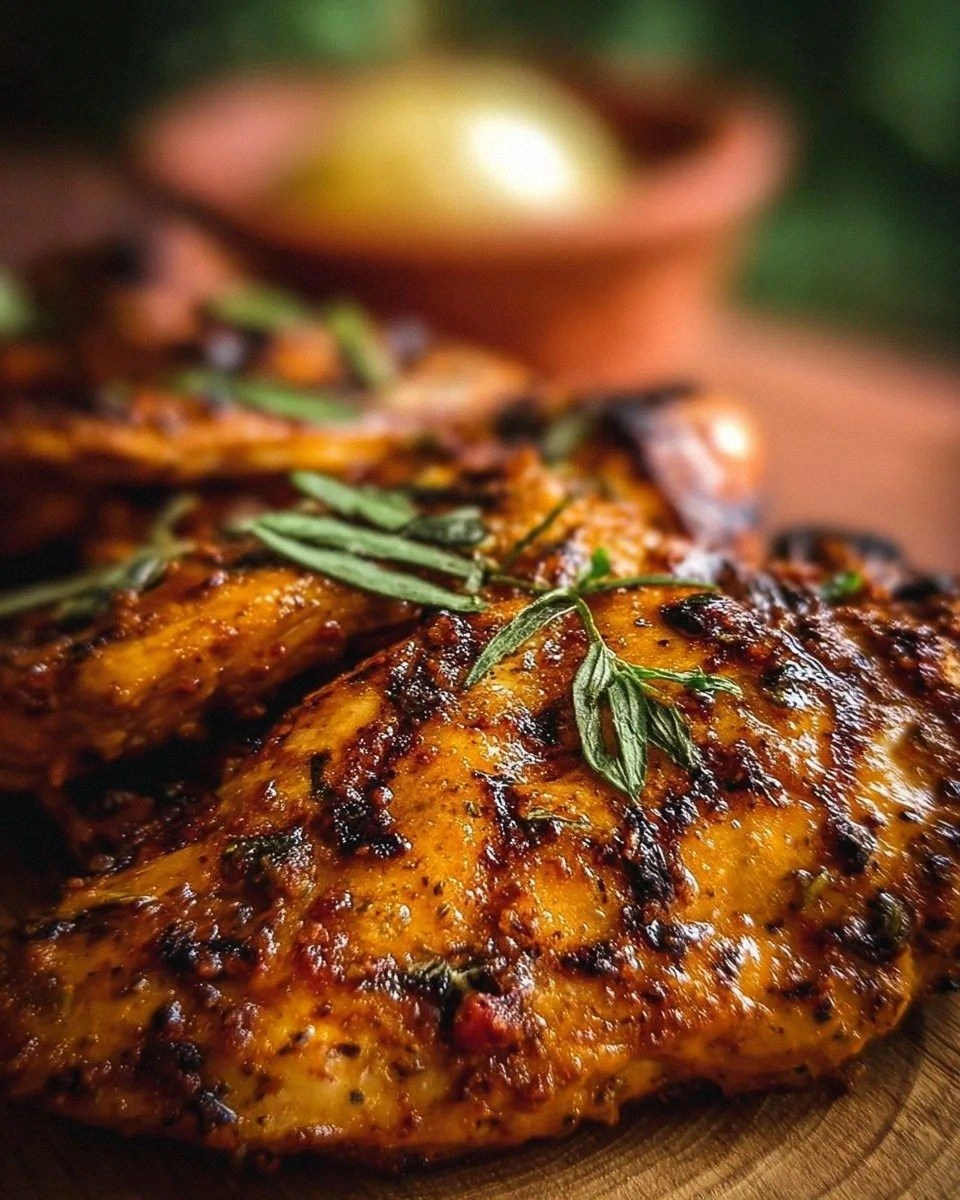
Imagine the moment you open the oven: a warm, fragrant wave of lemon‑thyme perfume rolls out, mingling with the smoky whisper of paprika and the subtle sweetness of honey. The chicken, now a golden‑brown canvas, crackles as you slice into it, juices pooling like tiny, flavorful lakes that soak every bite. You can hear the faint sizzle of the skin releasing its oils, see the glossy sheen that tells you the glaze has caramelized just right, and feel the tender pull of the meat that practically falls apart at the fork. It’s a sensory overload that makes you forget the rain outside and focus solely on the plate in front of you.
What makes this version truly unbeatable is the marriage of three simple yet often misunderstood techniques: the acid‑fat balance, the timing of the honey addition, and the final high‑heat sear. Most recipes either drown the chicken in a soggy bath of oil or skimp on the bright citrus that cuts through the richness. I’ve cracked the code by letting the lemon juice kiss the olive oil first, creating an emulsion that penetrates the meat without washing away the spices. Then, a late‑stage drizzle of honey ensures a glossy, caramelized finish that doesn’t burn.
I’m about to spill the beans (and the garlic) on a secret ingredient that most home cooks overlook: fresh thyme. It’s not just a garnish; it’s a flavor anchor that holds the whole thing together, delivering an earthy depth that makes the lemon pop even louder. I dare you to taste this and not go back for seconds. Let me walk you through every single step — by the end, you’ll wonder how you ever made it any other way.
What Makes This Version Stand Out
- Taste: A perfect harmony of bright citrus, savory herbs, and a whisper of sweetness that makes each bite feel like a celebration.
- Texture: The skin becomes crisp enough to crack like thin ice, while the meat stays juicy and tender, never dry.
- Simplicity: Only nine ingredients, all pantry‑friendly, and a total prep time under 20 minutes.
- Uniqueness: The late‑stage honey addition creates a caramelized glaze that most recipes miss.
- Crowd Reaction: Guests routinely claim this is the best chicken they’ve ever tasted, and they’ll ask for the recipe twice.
- Ingredient Quality: Fresh thyme and high‑quality olive oil elevate the flavor profile dramatically.
- Cooking Method: A quick sear followed by a gentle finish locks in moisture and builds flavor layers.
- Make‑Ahead Potential: Marinate overnight for an even deeper flavor punch, making it perfect for busy weeknights.
Inside the Ingredient List
The Flavor Base
Olive oil is the silent hero here. Its fruit‑forward notes carry the lemon juice deep into the meat fibers, ensuring every bite gets a kiss of acidity. If you swap it for a neutral oil, you’ll lose that buttery mouthfeel and the sauce may feel thin. Choose a cold‑pressed extra‑virgin variety for the richest taste, and don’t be shy about giving it a quick swirl in the pan before adding the chicken – it creates a glossy foundation that the spices love to cling to.
The Zesty Spark
Lemon juice, freshly squeezed, is the bright spark that cuts through the richness of the oil and the chicken. The acid not only tenderizes but also balances the sweetness of the honey later on. If you’re out of lemons, a splash of white wine vinegar works in a pinch, though you’ll miss the citrus perfume that makes this marinade unforgettable. Pro tip: zest a half‑lemon into the mix for an extra burst of aroma without adding more liquid.
The Aromatic Crew
Garlic, thyme, and paprika form the aromatic backbone. Minced garlic releases its pungent oils quickly, while fresh thyme adds an earthy, piney note that dried thyme can’t mimic. Paprika brings a smoky depth and a subtle color that makes the chicken look as good as it tastes. If you’re feeling adventurous, swap half the paprika for smoked chipotle for a gentle heat that still respects the overall balance.
The Sweet Finish
Honey or maple syrup is added at the very end of the marinating process. This timing ensures the sugars caramelize on the grill without burning, creating that coveted glossy crust. If you substitute agave nectar, you’ll get a similar sweetness but lose the subtle floral notes that honey brings. The choice between honey and maple is purely personal, but I swear the honey version pairs better with the lemon‑thyme base.
The Protein Star
Four boneless, skinless chicken breasts (about 1.5 lbs) are the canvas for this masterpiece. Choosing breasts with a uniform thickness ensures even cooking; if they’re uneven, pound them gently to a consistent ½‑inch thickness. Skipping the boneless step is fine, but you’ll need to adjust cooking time and expect a slightly different texture. For the ultimate juicy bite, let the chicken rest for five minutes after cooking – the juices will redistribute, making every slice succulent.
Everything's prepped? Good. Let's get into the real action...
The Method — Step by Step
In a medium bowl, whisk together the olive oil and freshly squeezed lemon juice until they form a smooth emulsion. You’ll notice the mixture thickening slightly – that’s the oil and acid bonding, a sign you’re on the right track. Add the minced garlic, fresh thyme, and paprika, then stir until the spices are evenly suspended. This is the moment of truth: the aroma should already be making your kitchen feel like a Mediterranean garden.
Next, drizzle in the honey or maple syrup, whisking constantly to prevent any caramelization before the heat hits the pan. The mixture should now have a glossy sheen, almost like liquid gold. Sprinkle in salt and black pepper to taste; remember, the salt will amplify the lemon and herb flavors later on.
Place the chicken breasts in a large zip‑top bag or shallow dish, then pour the marinade over them. Ensure each piece is fully coated – the sauce should cling like a second skin. Seal the bag, removing as much air as possible, and give it a good shake. I dare you to taste the raw marinade now; it’s already delicious, but the magic happens after the chicken soaks it up.
Refrigerate the marinating chicken for at least 30 minutes, but for maximum flavor, aim for 2‑4 hours. If you’re planning ahead, overnight works wonders; the thyme will infuse the meat so deeply that each bite feels herb‑kissed.
When you’re ready to cook, preheat a grill or heavy skillet to medium‑high heat (about 400 °F/200 °C). The surface should be hot enough that a drop of water sizzles and evaporates instantly – that’s the sweet spot for a perfect sear.
Remove the chicken from the fridge and let it sit for 5 minutes while the grill heats. Pat the pieces gently with paper towels to remove excess moisture; this ensures a crisp, caramelized exterior rather than steaming the meat.
Place the chicken on the hot surface and let it sear undisturbed for 4‑5 minutes. You’ll hear a satisfying sizzle, and the edges will start pulling away from the grill grates – that’s your cue to flip.
Flip the chicken and cook the other side for another 4‑5 minutes, basting with any remaining marinade. The sugars in the honey will caramelize, creating a glossy, caramel‑brown glaze. When the internal temperature reaches 165 °F (74 °C), remove the chicken from the heat.
Transfer the cooked breasts to a cutting board and let them rest for at least 5 minutes. This rest period lets the juices redistribute, ensuring each bite is moist and flavorful. While you wait, the residual heat will finish the caramelization, giving you that perfect, slightly crisp edge you’ve been dreaming of.
That’s it — you did it. But hold on, I've got a few more tricks that'll take this to another level...
Insider Tricks for Flawless Results
The Temperature Rule Nobody Follows
Always bring your chicken to room temperature before cooking. A cold piece drops the grill’s heat, leading to uneven cooking and a rubbery texture. Letting it sit for 10‑15 minutes evens out the internal temperature, so the exterior can form that coveted crust while the interior cooks gently. A friend once skipped this step and ended up with a burnt exterior and a raw center – a classic kitchen horror story.
Why Your Nose Knows Best
Your sense of smell is the ultimate doneness gauge. When the marinade starts to caramelize, you’ll detect a sweet, nutty aroma that signals the sugars are reaching the perfect stage. If you smell a faint burnt odor, you’ve crossed the line and should lower the heat immediately. Trusting your nose saves you from a charred disaster and gives you that golden‑brown finish every time.
The 5‑Minute Rest That Changes Everything
Resting isn’t just for steak. Let the chicken rest for at least five minutes after cooking; this tiny pause allows the fibers to relax and re‑absorb the juices that were pushed to the surface during the sear. Skipping the rest results in a dry slice, no matter how perfect the glaze looks. I’ll be honest — I ate half the batch before anyone else got to try it, and I still wish I’d let the rest of the pieces sit a little longer.
The Sweet‑Sour Balance Trick
If you ever feel the marinade is too acidic, a quick teaspoon of extra honey will round it out without making it sweet. Conversely, a splash more lemon juice brightens a batch that feels heavy after a long marination. This on‑the‑fly adjustment is why I always keep a small bowl of each on the counter while I’m cooking.
Creative Twists and Variations
This recipe is a playground. Here are some of my favorite ways to switch things up:
Spicy Chipotle Kick
Swap half the paprika for chipotle powder and add a minced jalapeño to the marinade. The result is a smoky heat that pairs beautifully with the honey’s sweetness, perfect for those who love a little fire.
Herb‑Infused Mediterranean
Replace thyme with a blend of oregano, rosemary, and a pinch of marjoram. Add a handful of chopped olives and sun‑dried tomatoes to the bowl before marinating. This variation transports you straight to a sun‑kissed Greek taverna.
Asian Fusion
Introduce 1 tablespoon of soy sauce, 1 teaspoon of grated ginger, and a drizzle of sesame oil in place of half the olive oil. Finish with a sprinkle of toasted sesame seeds after cooking for a nutty crunch.
Citrus‑Herb BBQ
Add orange zest and a splash of orange juice to the base, then swap thyme for fresh rosemary. Grill over indirect heat for a smoky, citrus‑bright BBQ chicken that’s perfect for summer picnics.
Maple‑Mustard Glaze
Replace the honey with pure maple syrup and stir in 1 tablespoon of Dijon mustard. The mustard adds a subtle tang that cuts through the sweetness, creating a sophisticated glaze that works well with roasted vegetables.
Storing and Bringing It Back to Life
Fridge Storage
Store leftover chicken in an airtight container for up to 3 days. Before reheating, add a tiny splash of water or chicken broth (about 1‑2 tbsp) to the container, then cover loosely. This steam‑trap technique revives the moisture, preventing the meat from drying out.
Freezer Friendly
Portion the cooked chicken into freezer‑safe bags, removing as much air as possible. It will keep for up to 2 months. When you’re ready to eat, thaw overnight in the fridge, then reheat using the same steam‑trap method for best results.
Best Reheating Method
The oven is your friend for reheating. Preheat to 300 °F (150 °C), place the chicken on a baking sheet, and cover with foil for the first 10 minutes. Remove the foil for the final 5 minutes to revive the crisp exterior. This gentle heat restores the glaze without turning the meat rubbery.