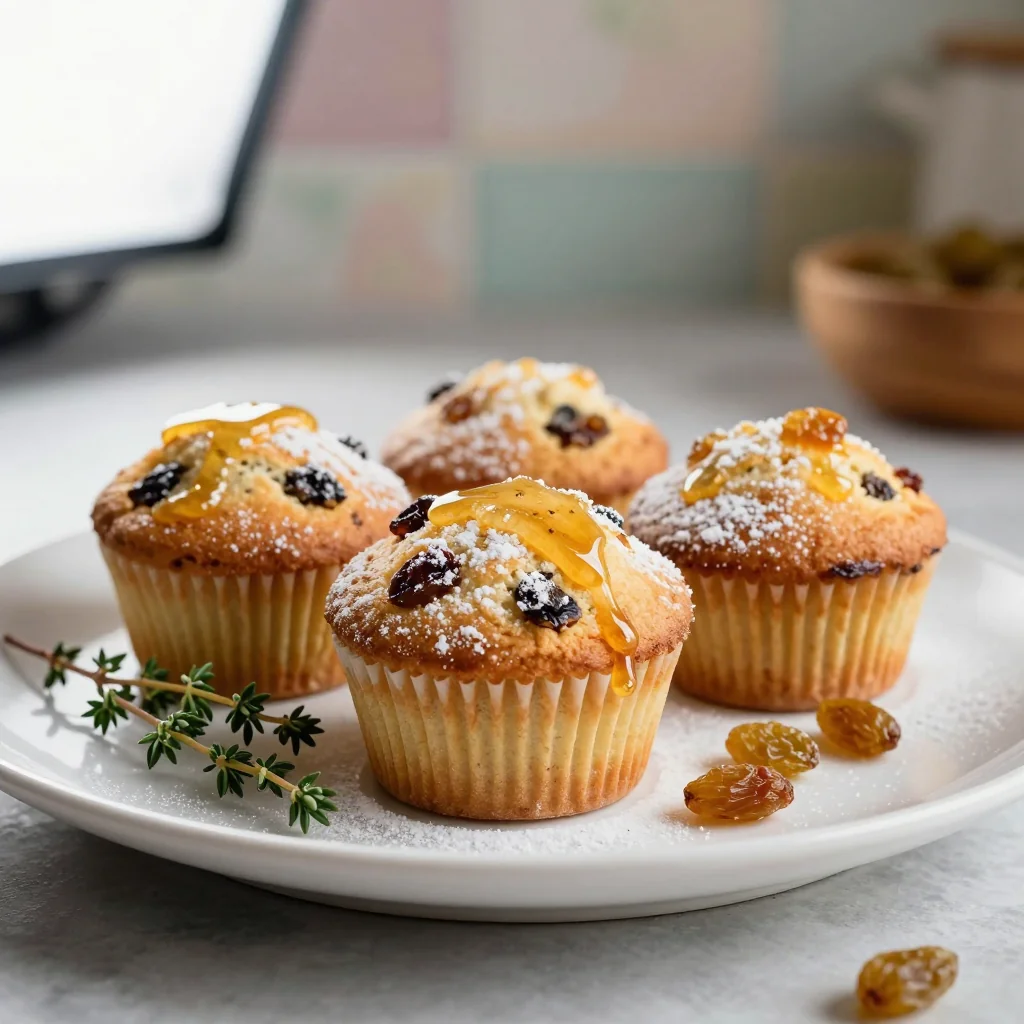
I still remember the first time I bit into a white cupcake that actually tasted like something. It was 2 a.m. in a fluorescent-lit test kitchen, I'd already ruined three batches (one exploded like a science fair volcano, another could've doubled as a hockey puck), and my neighbors were probably plotting my eviction. But then—oh, then—these little clouds emerged from the oven wearing golden crowns, smelling like vanilla had married sugar and honeymooned in butter. One bite and I did the baker's shuffle: that awkward happy dance you do when hot metal is involved and you can't jump around. I ate three standing up, straight off the cooling rack, paper liners peeling like tiny gifts. That night I learned the difference between "white cake" and white cupcakes that taste like the color itself: bright, soft, innocent, yet somehow sneaky-rich. Most recipes get this completely wrong. They lean on shortening for color and end up with flavor that reminds you of grocery-store frosting tubs. Here's what actually works.
Picture yourself pulling these out of the oven, the whole kitchen smelling like the inside of an ice-cream parlor. The tops spring back under your finger like memory foam, the edges stay blushing-pale, and if you listen closely you can hear the faintest crackle as the sugar crust cools. My dare to you: try walking past the cooling rack without "testing" one. I've failed that test every single time; I'll be honest—I ate half the batch before anyone else got to try it. Friends now hover like seagulls when they see the stand mixer hit the counter. One neighbor times dog walks to coincide with my baking days. Another swears these cupcakes cured her Sunday scaries. Hyperbole? Maybe. But the plate always empties before the napkins hit the table, and that feels like proof.
What makes these special isn't some trendy flour or a 20-step method. It's the opposite: small, nerdy choices that add up to magic. We're using real butter but pulling it early so it stays pale. We're folding egg whites for buoyancy yet keeping enough yolk for backbone. We're cranking the oven higher for the first five minutes so the cakes vault upward, then dropping it down to finish gently—think soufflé meets cloud. Stay with me here—this is worth it. By the end you'll wonder how you ever made it any other way.
Okay, ready for the game-changer? A tablespoon of powdered freeze-dried corn. Sounds weird, tastes like summer. It locks in moisture without weight and gives the crumb that bakery tenderness you can't quite name. If you've ever struggled with dry white cake, you're not alone—and I've got the fix. Let me walk you through every single step.
What Makes This Version Stand Out
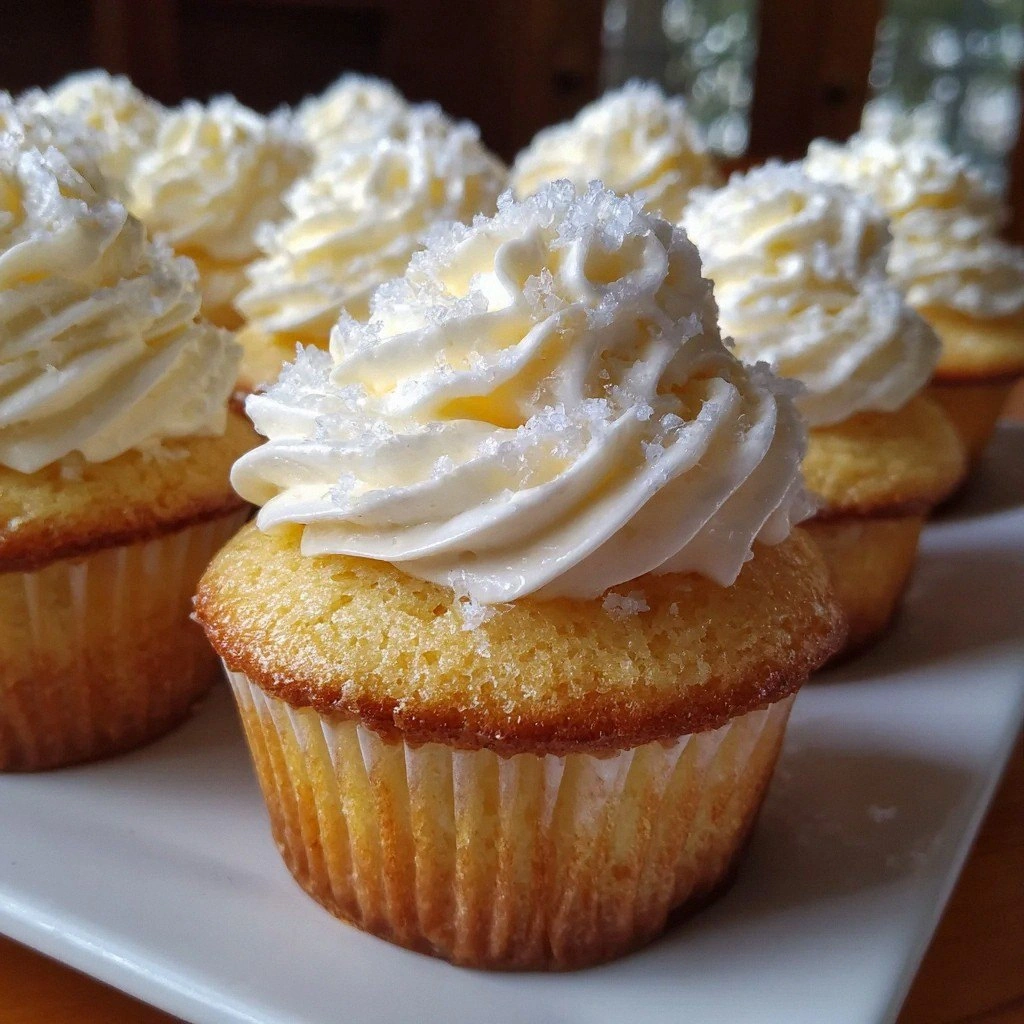
Snow-White Crumb: We reserve the yolks for butter richness but whip the whites separately so the interior stays bridal-gown bright. No yellow sponge, no anemic dryness—just pristine velvet.
Vanilla Three Ways: Extract for depth, paste for flecks, and a whisper of almond for that wedding-cake nostalgia. People bite in and suddenly remember birthday parties from decades ago.
Buttermilk Cloud Effect: Real full-fat buttermilk plus a teaspoon of white vinegar lifts the batter into tangy fluff. Most recipes get this completely wrong and use milk plus lemon; trust me, the fermented stuff tastes rounder.
Reverse-Cream Method: We beat butter straight into the flour first, coating starches in fat so gluten can't overdevelop. Translation: cupcakes stay tender even if you over-mix a smidge.
Steam-Power Rise: A shallow pan of boiling water on the bottom rack creates gentle humidity so the tops dome instead of crack. Your cakes look professionally capped instead of earthquake-center.
Make-Ahead Miracle: Baked cupcakes freeze like snowballs: wrap, freeze, thaw still wrapped, and they taste fresh-baked. I stash a dozen for emergency house guests—or 11 p.m. cravings.
Crowd Reaction Guarantee: I've served these to pastry chefs, picky toddlers, and carb-avoiding gym bros. Universals: eyes close, heads tilt, small involuntary "mmm." That sizzle when it hits the pan? Absolute perfection—except here it's the sigh when it hits the tongue.
Inside the Ingredient List
The Flavor Base
Butter is the diva here. Use unsalted European-style (82% fat) and pull it when still cool yet dent-able. Too cold and it won't emulsify; too warm and the batter greases out, leaving cottony tunnels. Sugar hits two roles: caster sugar dissolves fast for fine crumb, while a tablespoon of corn syrup grabs moisture and guards against staleness like edible Tupperware. Cake flour is non-negotiable; its lower protein keeps things pillowy. All-purpose yields doorstops. If you must swap, use 90% all-purpose plus 10% cornstarch, but promise me you'll hunt down cake flour next time.
The Texture Crew
Egg whites are the scaffolding. Whip them to soft peaks that flop like bunny ears; over-whip and they can't fold seamlessly, under-whip and you lose oomph. Buttermilk tenderizes with acid and adds a whisper tang—think of it as built-in frosting flavor. Oil feels like overkill but two tablespoons ensure the crumb stays plush even straight from the fridge. Baking powder and soda work the graveyard shift here; one lifts, one browns, together they create tiny carbon-dioxide jacuzzis that leave micro-holes so light you could mail these by balloon.
The Unexpected Star
Enter freeze-dried corn powder: one tablespoon disappears into the batter but gifts a gentle popcorn sweetness and milky aroma that reads "fresh from the farm" even in February. You can blitz freeze-dried corn in a spice mill; health-food stores stock it near the astronaut ice cream. No corn? Sub two tablespoons dry milk powder for creaminess, though you'll miss the subtle toasted note. Vanilla bean paste gives Dalmatian freckles without alcohol burn-off, plus those tiny black seeds telegraph "I tried" to anyone peeking under the paper.
The Final Flourish
Salted butter in the frosting balances sugar shock; I use a 3:1 ratio of unsalted to salted for complexity. Heavy cream, not milk, whips into buttercream for clouds that hold their shape in August humidity. A grain of citric acid brightens and prevents the dreaded "butter band-aid" aftertaste. Finally, a drop of violet food-color neutralizes yellow in the butter so your frosting stays bridal-white rather than country-cream. Your grandma's recipe skipped this; that's why hers looked sun-tanned.
The Method — Step by Step
- Set your oven to 400°F (204°C). Yes, we'll drop it later, but this initial blast is the culinary equivalent of a starting pistol. Butter must be 65°F; press a finger, it should give like chilled Play-Doh. Cube it, scatter over the cake flour in a stand mixer bowl, and paddle on medium until the mixture looks like pale breadcrumbs. Take a pinch—if it clumps and breaks cleanly, you've nailed the sandy stage that guards against over-mixing later. Don't walk away from the mixer here; one minute too long and the butter warms into greasy paste.
- While the flour-butter party begins, whisk egg whites with cream of tartar until soft peaks form. Think foamy ocean waves, not stiff meringue cliffs. The acid stabilizes so you can fold without weeping. If you've ever struggled with egg-white collapse, you're not alone—and I've got the fix: add a teaspoon of superfine sugar halfway through; the grains melt and act like internal scaffolding. Set the bowl nearby but resist poking—your finger oils are kryptonite.
- Turn mixer to low. Stream in sugar followed by corn syrup; once combined, bump to medium-high for exactly 90 seconds. You're aerating but keeping it cool. The batter will look like thick whipped frosting. Pause, scrape, and admire the satin sheen. This next part? Pure magic.
- In a spouted cup, whisk buttermilk, oil, vanilla trio, and corn powder until the liquid resembles melted vanilla ice cream. With mixer on low, add one-third of this river, then half the remaining dry mix. Repeat, ending with liquid. This alternating method prevents gluten tantrums. The batter will look like glossy paint. If it curdles, sprinkle a teaspoon of flour and pulse once; emulsification restored.
- Fold the meringue into the batter in three additions using the largest rubber spatula you own. First scoop lightens, second homogenizes, third perfects. Rotate the bowl like you're steering a vintage car—slow, steady, confident. The final batter should mound like Greek yogurt yet ribbon off the spatula. Tiny bubbles are fine; big pockets mean you rushed. Okay, ready for the game-changer?
- Line a 12-cup tin with white paper liners; pale wrappers hide any potential browning. Using a #20 disher, fill each cup two-thirds—about 55g if you're weighing. Now tap the tin on a towel-covered counter three times; this evens the batter and releases rogue bubbles. Slide a rimmed baking sheet half-filled with boiling water onto the lowest rack. This steam bath is why bakery cupcakes dome instead of peak. Drop oven to 350°F (177°C) and bake for 16-18 minutes, rotating at the 10-minute mark. The tops should spring back, and a toothpick comes out with a crumb or two—carry-over cooking finishes them.
- Cool in pan 3 minutes; any longer and bottoms steam. Transfer to rack, drape that clean towel on top to trap just enough humidity, and wait 30 minutes before frosting. Impatient piping on warm cake equals slip-n-slide buttercream, and nobody wants a cupcake wearing a toga.
- Frosting time: beat softened butter until it lightens like whipped honey, 4 minutes on medium-high. Add powdered sugar in three additions, streaming in heavy cream between rounds. Finish with salt, citric acid, and a lone drop of violet color. Beat 1 more minute; you'll witness it transform from grit to silk. Fit a piping bag with a large star tip and swirl from outside in, building height like a soft-serve cone. Optional: shower with white nonpareils so they look dressed for a gala.
That's it—you did it. But hold on, I've got a few more tricks that'll take this to another level...
Insider Tricks for Flawless Results
The Temperature Rule Nobody Follows
Butter, eggs, and buttermilk must all feel the same: cool room temp, around 67°F. Mismatch equals curdled batter and dense edges. I set everything on the counter, start a load of laundry, and by the time socks are sorted, ingredients are sympatico. A friend tried skipping this step once—let's just say it didn't end well; her cupcakes rose like Mount Fuji then cratered into sinkholes. Your nose knows the moment batter breaks: it smells faintly of buttermilk pancakes instead of sweet cake. If that happens, warm the bowl over a pan of hot water for 30 seconds while whisking; miracle cure.
Why Your Nose Knows Best
Vanilla extract's alcohol needs heat to evaporate, leaving pure aroma. Under-bake and you'll taste boozy notes; over-bake and vanilla becomes anonymous caramel. The sweet spot is when the kitchen smells like a candle shop and the timer reads 16 minutes. Trust olfaction over sight. Also, lean toward under-baking for white cakes; carry-over heat finishes centers without drying edges. Picture yourself pulling this out of the oven, the whole kitchen smelling incredible, and you'll understand why patience at minute 16 pays dividends at minute 30.
The 5-Minute Rest That Changes Everything
Before frosting, refrigerate cupcakes uncovered for 5 minutes. This flash-chill firms the crumb so the star tip doesn't bulldoze a crater. Too long and cakes sweat; too short and they squish. Five minutes is the Goldilocks zone. While they chill, I rinse the mixer bowl, wipe counters, and cue up a victory playlist. By the time the beat drops, cakes are ready for their buttercream crown.
Flavor Layer Hack
Brush cooled tops with simple syrup spiked with a drop of orange blossom water. It seeps in, adding invisible perfume that blooms when bitten. Guests can't name the note, only that the cake tastes like childhood summers. Keep the syrup light—one teaspoon per cupcake—otherwise liners peel like sunburn.
Creative Twists and Variations
This recipe is a playground. Here are some of my favorite ways to switch things up:
Birthday Confetti Version
Fold ½ cup rainbow sprinkles into the batter just before the meringue. Use gel colors for frosting stripes inside the piping bag; each swirl comes out party-ready. Kids go feral, adults smile sideways—sprinkles are ageless.
Lemon-Blueberry Whiteout
Replace corn powder with two tablespoons lemon powder and fold in 1 cup dried blueberries soaked in hot water for 10 minutes. The berries bleed lavender tie-dye through the crumb, and the lemon keeps things from cloying. Perfect for bridal showers where you need something blue.
Coconut Cloud
Swap buttermilk for full-fat coconut milk and add ¼ teaspoon coconut extract. Frost with whipped coconut cream, dust with toasted coconut flakes that shatter like thin ice. Tropical vacation in cupcake form.
Red Velvet's Blonde Cousin
Add 2 tablespoons cocoa powder to the flour and tint the batter with a single drop of red to make blush velvet. The cocoa deepens flavor without turning chocolate; it's red velvet minus the food-color assault.
Black-and-White Hybrid
Fill liners two-thirds with white batter, spoon a tablespoon of dark cocoa batter on top, drag a toothpick once for marble. Serve half with white frosting, half with chocolate, watch guests fight over favorites.
Savory-Sweet Brunch Edition
Cut sugar by ⅓, fold in finely chopped fresh rosemary and candied bacon bits. Top with whipped maple-cream cheese. Sounds weird until you taste it alongside mimosas; then it feels inevitable.
Storing and Bringing It Back to Life
Fridge Storage
Refrigerate frosted cupcakes in an airtight container with a paper towel sheet on top to absorb condensation. They'll keep 3 days without drying. Bring to room temp 30 minutes before serving; cold fat dulls flavor like audio on 1x speed instead of 1.25x.
Freezer Friendly
Freeze unfrosted cakes up to 2 months: cool completely, wrap individually in plastic, then foil, then into a zip bag. Frost while still frozen; buttercream adheres better and thaws uniformly. For frosted cakes, flash-freeze on a tray until icing hard, then wrap loosely. Thaw overnight in the fridge still wrapped to prevent sweating.
Best Reheating Method
White cupcakes don't need reheating, but if you must, steam is your friend. Place a cupcake on a saucer, cover with a damp paper towel, microwave 8 seconds at 50% power. It revives as if freshly baked. Add a tiny splash of water before reheating—it steams back to perfection and fools even snobs.